
Losing a job is often accompanied by a cascade of financial concerns, and among the most pressing is the question of health insurance. Employer-sponsored health plans are a common benefit, and when that lifeline is severed, the prospect of navigating the complex world of individual health coverage can feel daunting. Yet, ensuring continuous access to healthcare isn’t merely a luxury; it’s a fundamental pillar of personal financial stability and overall well-being. Understanding the costs, the various pathways available, and the financial assistance programs designed to help is crucial for anyone facing this challenge. This guide will demystify the process, offering insights into how much you might pay and how to secure adequate coverage without an employer.
The Imperative of Health Coverage When Unemployed
The immediate aftermath of job loss often focuses on income replacement and managing expenses. However, neglecting health insurance can lead to catastrophic financial consequences, quickly eroding any savings or severance.
The Risks of Being Uninsured
Being uninsured, even for a short period, exposes you to immense financial risk. A sudden illness, an unexpected accident, or the need for routine medical care can result in thousands, if not tens of thousands, of dollars in medical bills. Without insurance, you are solely responsible for these costs, which can lead to medical debt, credit score damage, and even bankruptcy. Beyond the financial implications, lack of insurance can also deter individuals from seeking necessary preventive care or early treatment for conditions, leading to poorer health outcomes in the long run. Maintaining coverage ensures peace of mind and protects your financial future from unpredictable health events.
Understanding Your Enrollment Windows
One critical aspect of securing health insurance without a job is understanding enrollment periods. For most people, the primary time to enroll in a health plan is during the annual Open Enrollment Period (OEP), typically from November 1st to December 15th (though it can vary by state) for coverage starting January 1st of the following year.
However, job loss is considered a “Qualifying Life Event” (QLE). This means you typically qualify for a Special Enrollment Period (SEP), allowing you to enroll in a new health plan outside of the standard OEP. Generally, you have 60 days from the date you lose your employer-sponsored coverage to enroll in a new plan through an SEP. Missing this window can leave you uninsured until the next Open Enrollment Period, unless you experience another QLE. Acting quickly is therefore paramount.
Key Factors Influencing Health Insurance Costs
The cost of health insurance without a job is not a fixed figure; it varies significantly based on several personal and plan-specific factors. Understanding these variables will help you estimate your potential expenses and make informed decisions.
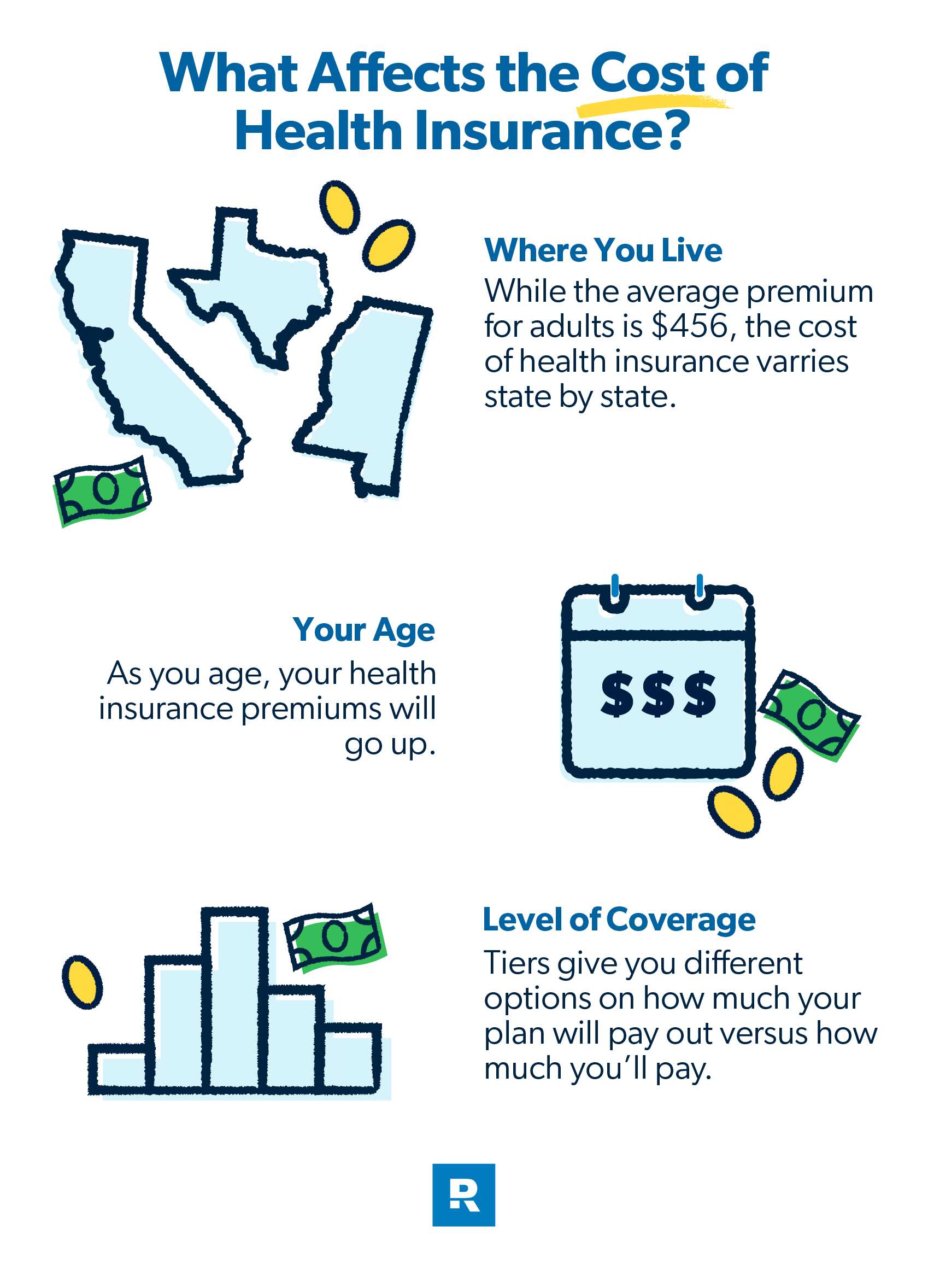
Age, Location, and Household Size
- Age: Generally, older individuals pay higher premiums than younger ones, as healthcare costs tend to increase with age. However, the Affordable Care Act (ACA) limits how much insurers can charge older adults compared to younger ones (usually a 3:1 ratio).
- Location: Where you live plays a substantial role. State regulations, the number of insurers operating in your area, and the cost of healthcare services in your specific region all contribute to premium variations. Urban areas with more competition might offer more choices, but overall costs can be higher than in some rural areas.
- Household Size: If you’re insuring yourself, your spouse, and/or dependents, the total premium will naturally be higher than for an individual plan. Each additional person added to the plan increases the cost, though usually not linearly for children.
Plan Types and Benefit Levels
Health insurance plans come in various structures, each offering different levels of flexibility and cost.
- HMO (Health Maintenance Organization): Typically lower premiums, but require you to choose a primary care provider (PCP) within the network and get referrals for specialists.
- PPO (Preferred Provider Organization): More flexibility than HMOs, allowing you to see out-of-network providers (though at a higher cost) without referrals. Generally higher premiums.
- EPO (Exclusive Provider Organization): Similar to PPOs in terms of flexibility but typically do not cover out-of-network care unless it’s an emergency.
- POS (Point of Service): A hybrid of HMO and PPO, requiring a PCP and referrals for in-network care, but allowing out-of-network care at a higher cost.
- Catastrophic Plans: Available only to those under 30 or with a hardship exemption, these plans have very low premiums but very high deductibles, designed primarily for worst-case scenarios.
The “benefit level” refers to the metal tiers (Bronze, Silver, Gold, Platinum) on the ACA marketplace. Bronze plans have the lowest premiums but highest deductibles and out-of-pocket costs. Platinum plans have the highest premiums but lowest out-of-pocket costs. Silver plans are often a popular choice because they offer “cost-sharing reductions” (CSRs) to eligible individuals, which lower deductibles, copayments, and out-of-pocket maximums.
Deductibles, Copayments, and Out-of-Pocket Maximums
Beyond the monthly premium, you’ll also need to consider:
- Deductible: The amount you must pay out of pocket for covered healthcare services before your insurance plan starts to pay. High-deductible plans have lower premiums but require you to pay more upfront if you need care.
- Copayment (Copay): A fixed amount you pay for a covered healthcare service, such as a doctor’s visit or prescription drug, after you’ve paid your deductible.
- Coinsurance: Your share of the cost of a covered healthcare service, calculated as a percentage (e.g., 20%) after you’ve paid your deductible.
- Out-of-Pocket Maximum: The most you will have to pay for covered services in a plan year. Once you reach this limit, your insurance plan pays 100% of the cost of covered benefits. This limit protects you from excessive financial burden in case of serious illness or injury.
A low monthly premium might come with a high deductible and high out-of-pocket maximum, meaning you’ll pay more when you actually use healthcare services. Conversely, a high premium often means lower deductibles and out-of-pocket costs.
Primary Pathways to Health Insurance Without Employer Sponsorship
When unemployed, several avenues exist to secure health insurance. The best option for you will depend on your specific circumstances, income, and previous employment status.
The Affordable Care Act (ACA) Marketplace: Your Central Hub
For many individuals without job-based coverage, the ACA marketplace (often healthcare.gov or your state’s equivalent) is the most vital resource. It’s a platform where you can compare various health insurance plans and enroll during open enrollment or a special enrollment period.
Understanding Subsidies and Tax Credits
A key benefit of the ACA marketplace is the availability of financial assistance, making plans more affordable for many.
- Premium Tax Credits (Subsidies): These reduce your monthly premium. Eligibility is based on your household income relative to the federal poverty level (FPL). Even if you expect to earn little income for a period, these credits can significantly lower your costs. The American Rescue Plan Act of 2021 and the Inflation Reduction Act of 2022 expanded these subsidies, making them available to more people and lowering costs for those already eligible.
- Cost-Sharing Reductions (CSRs): These subsidies lower your out-of-pocket costs (deductibles, copayments, coinsurance). You must enroll in a Silver-level plan to receive CSRs, and eligibility is also based on income.
It’s critical to provide accurate income estimates when applying, as subsidies are reconciled when you file your taxes.
Special Enrollment Periods (SEPs)
As mentioned, losing job-based coverage triggers an SEP. This means you don’t have to wait for the annual Open Enrollment Period. You typically have 60 days before or 60 days after the event (job loss, marriage, birth of a child, moving, etc.) to enroll in a new plan through the marketplace. Missing this window can leave you uninsured for an extended period.
COBRA: Extending Your Former Employer’s Plan
The Consolidated Omnibus Budget Reconciliation Act (COBRA) allows eligible employees and their dependents to continue group health benefits provided by their former employer for a limited time after job loss. This can be an attractive option because it allows you to maintain the exact same coverage you had.

Is COBRA Right for You?
While appealing for continuity, COBRA is often very expensive. Your employer typically covers a significant portion of your premium while you’re employed. With COBRA, you’re usually responsible for the entire premium, plus an administrative fee (up to 2% of the premium). This can make COBRA premiums several times higher than what you were paying before.
Before opting for COBRA, it’s essential to compare its cost and benefits with plans available on the ACA marketplace. With marketplace subsidies, a new plan might be significantly more affordable and offer comparable (or even better) benefits. COBRA can be a good short-term bridge if you only expect to be uninsured for a very brief period or if your specific medical needs make keeping your current plan absolutely critical and cost is less of a concern.
Medicaid: Government-Assisted Healthcare for Low Incomes
Medicaid is a joint federal and state program that provides health coverage to millions of Americans, including eligible low-income adults, children, pregnant women, elderly adults, and people with disabilities. Eligibility for Medicaid is primarily based on income.
In states that have expanded Medicaid under the ACA, adults with incomes up to 138% of the federal poverty level (FPL) are typically eligible. In non-expansion states, eligibility is much more restricted. If your income has dropped significantly due to job loss, you may qualify for Medicaid. This coverage is often free or very low-cost. You can check your eligibility through your state’s Medicaid agency or by applying through the ACA marketplace, which will direct you to Medicaid if you qualify.
Short-Term Health Insurance: A Temporary Solution (with cautions)
Short-term health insurance plans offer temporary coverage, typically ranging from a few months up to a year, though some states limit their duration. These plans generally have much lower premiums than ACA-compliant plans.
However, short-term plans come with significant caveats:
- Limited Coverage: They do not have to cover the essential health benefits mandated by the ACA (like maternity care, mental health services, or prescription drugs).
- Pre-Existing Conditions: They often do not cover pre-existing conditions, or they may have extensive waiting periods.
- High Out-of-Pocket Costs: Deductibles can be very high, and coverage limits may be low.
- No Subsidies: They are not eligible for ACA premium tax credits or cost-sharing reductions.
Short-term plans are generally not recommended as a primary, long-term solution. They can serve as a bridge in very specific circumstances, such as waiting for an employer plan to start or for an SEP, but they should be approached with extreme caution and a full understanding of their limitations.
Other Potential Avenues: Spousal Coverage, Student Plans, and Private Plans
- Spousal Coverage: If your spouse has employer-sponsored health insurance, losing your job-based coverage is a qualifying life event that allows you to be added to their plan, typically within a 30-day or 60-day window. This is often a cost-effective and straightforward solution.
- Student Plans: If you are enrolled in a college or university, you might be eligible for student health insurance plans, which can sometimes be more affordable than individual plans.
- Private Off-Marketplace Plans: You can also purchase health insurance directly from an insurance company outside of the ACA marketplace. These plans are ACA-compliant but do not offer access to premium tax credits or cost-sharing reductions. They might be an option if your income is too high to qualify for subsidies, but you prefer to shop directly.
Strategies for Finding Affordable Coverage
The goal isn’t just to find any insurance, but affordable and adequate insurance. Leveraging available resources and understanding plan structures can significantly reduce your financial burden.
Leveraging ACA Subsidies to Reduce Premiums
The most impactful strategy for affordability is utilizing the premium tax credits available through the ACA marketplace. As of current regulations, individuals can receive subsidies if their household income is between 100% and 400% of the federal poverty level (FPL), and even above 400% FPL if the cost of the benchmark Silver plan exceeds 8.5% of their income. Accurately estimating your income for the year you need coverage is crucial to maximize these savings. Even if your current unemployment income is low, if you anticipate returning to work later in the year, factor that into your annual income projection.
Exploring High-Deductible Health Plans (HDHPs) with HSAs
For individuals who are generally healthy and don’t anticipate frequent medical needs, a High-Deductible Health Plan (HDHP) can offer lower monthly premiums. When combined with a Health Savings Account (HSA), this strategy becomes even more powerful.
- HSA Benefits: An HSA allows you to save money tax-free for medical expenses. Contributions are tax-deductible, the money grows tax-free, and withdrawals for qualified medical expenses are also tax-free. Funds in an HSA roll over year to year and are portable, meaning they stay with you even if you change jobs or insurance plans. This is an excellent way to save for future medical costs while reducing your taxable income.
Comparing Plans Effectively on the Marketplace
The ACA marketplace is designed for comparison. When evaluating plans, look beyond just the monthly premium:
- Network: Ensure your preferred doctors, hospitals, and specialists are in the plan’s network.
- Deductibles and Out-of-Pocket Maximums: Consider your potential financial exposure if you need significant care.
- Prescription Drug Coverage: Check the plan’s formulary (list of covered drugs) and tier levels for any medications you regularly take.
- Essential Health Benefits: All ACA-compliant plans cover essential health benefits, but specifics can vary.
- Cost-Sharing Reductions: If your income qualifies, be sure to select a Silver plan to receive these additional savings on deductibles and copays.
Seeking Professional Guidance
Navigating health insurance options can be complex. Don’t hesitate to seek free assistance from:
- Marketplace Navigators or Assisters: These trained individuals are available in most states to help you understand your options, compare plans, and enroll.
- Licensed Insurance Agents/Brokers: They can offer personalized advice and help you find plans both on and off the marketplace.
Practical Steps to Secure Your Health Insurance
Taking action promptly and methodically is key to ensuring continuous coverage and protecting your financial health.
Assess Your Needs and Budget
Before diving into plans, take stock of your healthcare needs.
- Do you have chronic conditions requiring regular medication or specialist visits?
- Are you generally healthy and rarely visit the doctor?
- What is your comfort level with a higher deductible in exchange for a lower monthly premium?
- How much can you realistically afford each month for premiums and potential out-of-pocket costs?
Gather Necessary Information
When applying for coverage, especially through the marketplace, you’ll need:
- Proof of identity (e.g., driver’s license, passport).
- Social Security Numbers for all household members applying.
- Employer and income information for all household members (even if currently zero, provide estimated annual income).
- Information about any current health coverage.
- Documents proving your qualifying life event (e.g., termination letter from your employer).

Act Promptly During Enrollment Periods
Remember the 60-day Special Enrollment Period. Begin your research and application process immediately after losing your job-based coverage. Missing this window could leave you without affordable options and exposed to significant financial risk.
In conclusion, while the prospect of securing health insurance without a job can seem daunting, a robust framework of options and financial assistance exists. By understanding the factors that influence costs, exploring all available pathways—especially the ACA marketplace and its subsidies—and taking proactive steps, you can ensure you remain protected during this transitional period. Investing in health coverage is an investment in your long-term financial stability and peace of mind.
aViewFromTheCave is a participant in the Amazon Services LLC Associates Program, an affiliate advertising program designed to provide a means for sites to earn advertising fees by advertising and linking to Amazon.com. Amazon, the Amazon logo, AmazonSupply, and the AmazonSupply logo are trademarks of Amazon.com, Inc. or its affiliates. As an Amazon Associate we earn affiliate commissions from qualifying purchases.