
For many individuals approaching retirement age, the prospect of continuing to work, even part-time, while simultaneously receiving Social Security benefits is an appealing one. It offers financial flexibility, allows for a smoother transition into full retirement, and can even enhance quality of life. However, navigating the intricate rules of Social Security while earning income can be complex. The critical question on many minds is: how much can I make without jeopardizing my Social Security benefits? This article will demystify the Social Security earnings test, outline the various income thresholds, and provide strategic insights to help you optimize your retirement income.
Understanding the Social Security Earnings Test
The Social Security Administration (SSA) imposes an “earnings test” to determine how much, if any, of your benefits will be withheld if you continue to work while collecting Social Security. It’s crucial to understand that this test only applies if you are working and claiming benefits before you reach your Full Retirement Age (FRA). Once you reach your FRA, you can earn any amount of income without your Social Security benefits being reduced.
What is the Earnings Test?
The earnings test is a mechanism designed by the SSA to balance the intention of Social Security as a retirement or disability benefit with the desire of some beneficiaries to remain in the workforce. Essentially, if your earnings exceed specific annual limits, a portion of your Social Security benefits will be temporarily withheld. This isn’t a permanent loss; rather, the withheld benefits are credited back to you in the form of increased future monthly payments once you reach your FRA, or through a recomputation of your benefit amount.
Who Does it Affect?
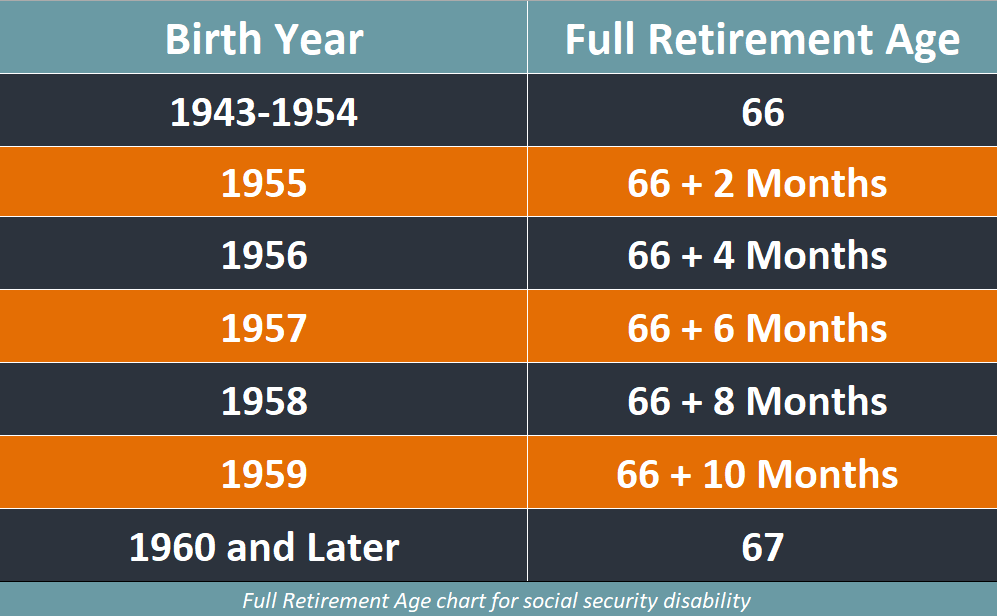
The earnings test primarily impacts individuals who claim Social Security retirement or survivor benefits before their Full Retirement Age. It also applies to some individuals receiving disability benefits, though those rules are distinct and generally more stringent. Importantly, the earnings test does not apply to income from investments, pensions, annuities, or government benefits. It specifically targets earned income from wages or self-employment. Understanding your FRA is paramount, as this is the turning point where the earnings test ceases to apply. Your FRA depends on your birth year, ranging from 66 for those born between 1943 and 1954, gradually increasing to 67 for those born in 1960 or later.
Key Terms: Full Retirement Age (FRA)
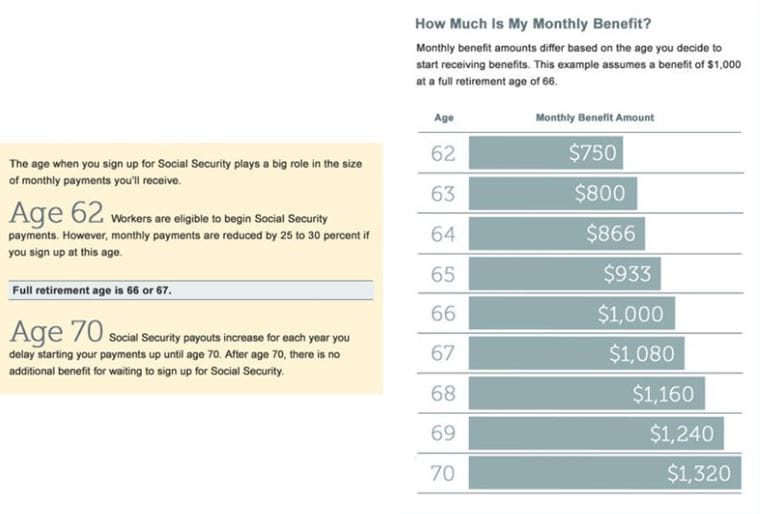
Your Full Retirement Age (FRA) is the age at which you are entitled to receive 100% of your primary insurance amount (PIA). Claiming benefits before your FRA results in a permanent reduction of your monthly benefit amount, while delaying beyond FRA (up to age 70) results in increased benefits through Delayed Retirement Credits. The earnings test is inextricably linked to your FRA; its applicability and severity diminish as you approach and then pass this significant milestone. Knowing your specific FRA is the first step in strategic planning.
Navigating the Different Ages and Earning Limits
The Social Security earnings test applies differently based on how far you are from your Full Retirement Age. There are distinct earning limits for those before FRA, in the year you reach FRA, and once you are past FRA. These limits are adjusted annually to reflect changes in the national average wage index.
Before Full Retirement Age
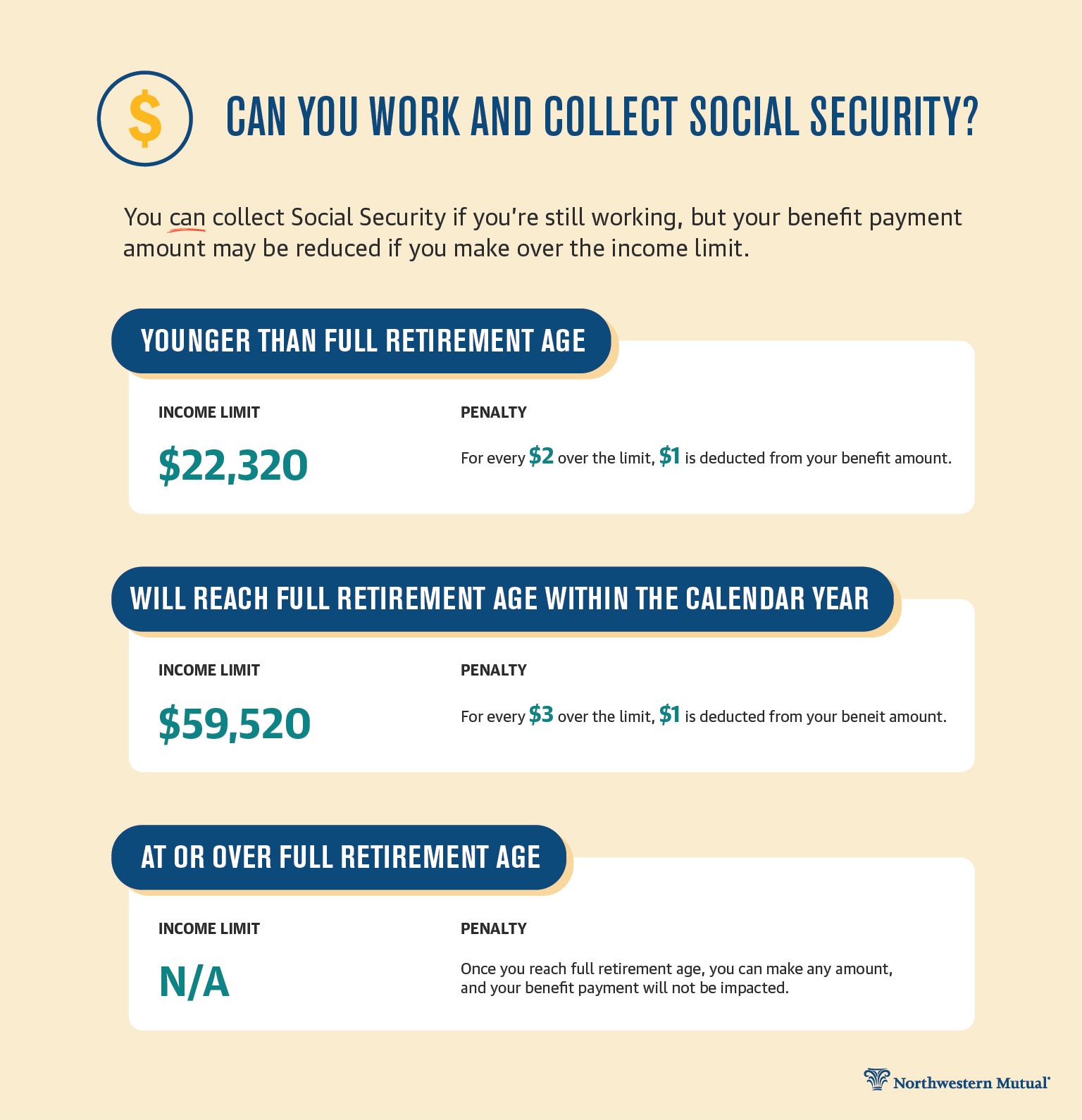
If you are collecting Social Security benefits and are before your Full Retirement Age, the most restrictive earnings test applies. For example, in 2024, if you earn more than an annual limit (e.g., $22,320 in 2024), the SSA will deduct $1 from your benefits for every $2 you earn above that limit.
This limit is quite specific and can significantly impact your net Social Security payout if you continue to work substantially. It’s designed to ensure that those who are still in their prime earning years and claiming benefits early have their benefits adjusted accordingly. Many individuals find themselves in this category, perhaps transitioning to part-time work or simply needing supplemental income, making an understanding of this limit crucial for financial planning.
In the Year You Reach Full Retirement Age
The rules become more lenient in the calendar year that you reach your Full Retirement Age. For example, in 2024, the annual earning limit for this specific period is significantly higher (e.g., $59,520 in 2024). In this scenario, the SSA will deduct $1 from your benefits for every $3 you earn above this higher limit. This higher threshold acknowledges that you are nearing the point where the earnings test will no longer apply.
Crucially, the earnings test in this category only applies to the months before you reach your FRA within that specific calendar year. For example, if your FRA is in October, the earnings limit applies to your income earned from January through September. From October onwards, all earnings are exempt from the earnings test. This nuance allows for greater flexibility in income generation during this transitional year.
At or After Full Retirement Age
This is the golden period for earning without penalty. Once you reach your Full Retirement Age, the Social Security earnings test no longer applies. You can earn any amount of money from wages or self-employment, and your Social Security benefits will not be reduced. This is a significant milestone for retirees, as it removes a major constraint on their earning potential and allows them to supplement their retirement income freely. Many individuals plan to work part-time or full-time well into their later years, and reaching FRA unlocks this financial freedom.
The “Monthly Earnings Test” Exception
There’s a special rule called the “monthly earnings test” that can be particularly beneficial in your first year of claiming benefits, especially if you stop working mid-year or significantly reduce your hours. This test allows the SSA to pay you full benefits for any month you are retired and your earnings fall below a monthly limit (typically 1/12th of the annual limit), regardless of how much you earned in total for the year before you started collecting benefits.
For instance, if you retire in July and start collecting benefits, but you earned a substantial amount from January to June that would put you over the annual limit, the monthly earnings test could ensure you receive full benefits from July onwards, provided your monthly earnings from July meet the threshold. This rule is designed to prevent a situation where high earnings early in the year prematurely disqualify you from benefits for the latter half of the year when you are genuinely retired. It’s essential to inform the SSA if you qualify for this exception.
Strategies for Maximizing Your Benefits While Working
Understanding the rules is one thing; strategically applying them to your financial situation is another. There are several approaches you can take to optimize your Social Security benefits even if you plan to continue working.
Delaying Social Security Benefits
One of the most effective strategies to avoid the earnings test entirely and boost your future benefits is to delay claiming Social Security. If you continue working and don’t need your Social Security income immediately, delaying past your initial eligibility age (62) can significantly increase your monthly payments. Each year you delay claiming benefits past your FRA, up to age 70, you earn Delayed Retirement Credits, which can increase your annual benefit amount by 8%. By waiting until FRA or even 70, you circumvent the earnings test, ensure a higher monthly payout, and can maximize your earnings without penalty.
Balancing Work and Retirement Income
For those who wish to work before FRA, carefully balancing your earned income with your Social Security benefits is key. This might involve intentionally reducing your work hours or negotiating a lower salary to stay below the earnings limits. While this might seem counterintuitive, the goal is to receive as much of your Social Security benefit as possible, rather than having a significant portion withheld. Sometimes, the net effect of earning slightly less but receiving full benefits is more favorable than earning more and losing a substantial amount of your Social Security payment. This requires careful calculation and foresight.
Understanding Benefit Recomputation
It’s important to remember that benefits withheld due to the earnings test are not lost forever. Once you reach your Full Retirement Age, the SSA will recalculate your benefit amount to give you credit for the months in which benefits were withheld. This recomputation effectively increases your future monthly payments, compensating for the earlier reductions. Additionally, if you continue to work and pay Social Security taxes, the SSA will automatically review your earnings record each year. If your current year’s earnings are higher than one of the years used to calculate your initial benefit, they will recompute your benefit, potentially increasing your monthly payment. This ensures that your benefits reflect your most recent and highest earning years.
Utilizing Other Retirement Accounts
To reduce reliance on earned income that could impact Social Security benefits, prioritize drawing from other retirement accounts like 401(k)s, IRAs, or personal savings. Income from these sources does not count towards the Social Security earnings test. This allows you to supplement your income without triggering benefit reductions. A diversified income strategy, blending withdrawals from tax-advantaged accounts with Social Security (and potentially some part-time earned income if within limits), offers greater flexibility and control over your retirement finances.
The Impact of Earning on Other Benefits and Taxes
While the primary concern is often the Social Security earnings test, it’s also crucial to understand how continued earnings can affect other aspects of your financial life, including Medicare premiums and the taxation of your Social Security benefits.
Medicare Premiums and IRMAA
Your Modified Adjusted Gross Income (MAGI) plays a significant role in determining your Medicare Part B and Part D premiums. If your MAGI exceeds certain thresholds, you may be subject to the Income-Related Monthly Adjustment Amount (IRMAA). IRMAA means you’ll pay a higher premium for your Medicare coverage. This can happen if your combined earned income and other income sources push you into a higher income bracket. Therefore, while earning more might seem beneficial, it’s essential to factor in potential increases in healthcare costs.
Taxation of Social Security Benefits
Even if you successfully navigate the earnings test, your Social Security benefits themselves may become taxable if your “provisional income” exceeds certain thresholds. Provisional income includes your adjusted gross income (AGI) plus non-taxable interest and one-half of your Social Security benefits.
- For single filers: If your provisional income is between $25,000 and $34,000, up to 50% of your benefits may be taxable. If it’s over $34,000, up to 85% may be taxable.
- For married couples filing jointly: If your provisional income is between $32,000 and $44,000, up to 50% of your benefits may be taxable. If it’s over $44,000, up to 85% may be taxable.
This means that while working, your increased earnings might push your provisional income over these limits, leading to a portion of your Social Security benefits being included in your taxable income. This requires careful tax planning to avoid unexpected liabilities.
Other Government Assistance Programs
High levels of earned income can also affect eligibility for other needs-based government assistance programs. While Social Security is a broad-based entitlement program, other benefits, such as certain Medicaid programs, housing assistance, or Supplemental Security Income (SSI), often have strict income and asset limits. Continuing to work and earn a significant income might disqualify you from these programs, even if you are collecting Social Security. It’s crucial to understand the income thresholds for any other benefits you may be receiving or planning to apply for.
Planning Your Retirement Income Strategy
Successfully integrating work with Social Security benefits requires a thoughtful and well-structured retirement income strategy. It’s not just about avoiding penalties, but about optimizing your financial well-being throughout your retirement years.
Consulting a Financial Advisor
The rules surrounding Social Security, earnings tests, and their interaction with taxes and other benefits can be complex. A qualified financial advisor specializing in retirement planning can provide invaluable guidance. They can help you calculate your optimal claiming age, project the impact of continued earnings on your benefits, and develop a comprehensive plan that integrates your Social Security with your other assets, income sources, and financial goals. Their expertise can help you navigate potential pitfalls and identify opportunities for maximizing your lifetime benefits.
Integrating Social Security into Your Overall Plan
View Social Security as one component of your larger retirement income portfolio, not the sole source. Consider how it complements your pensions, 401(k)s, IRAs, savings, and any other income streams. A holistic approach allows you to decide when to tap into different assets, minimizing tax liabilities and ensuring a stable income throughout your retirement. For instance, you might choose to draw more from tax-deferred accounts in years you earn less, or vice-versa.
Estimating Your Future Benefits
Regularly checking your Social Security Statement online at the SSA website is a vital step. This statement provides an estimate of your future benefits at different claiming ages (62, FRA, and 70), details your earnings record, and outlines your estimated disability and survivor benefits. Understanding these projections is fundamental to making informed decisions about when to claim and how much you can expect to receive. The SSA also offers various online calculators to help you model different scenarios based on your projected earnings.
Considering Part-Time Work or Phased Retirement
Many individuals choose a phased retirement, gradually reducing their work hours rather than abruptly stopping altogether. This approach allows them to supplement their income, maintain social engagement, and ease into full retirement. If you plan a phased retirement before your FRA, carefully structuring your work hours or project-based income to stay below the earnings limits can be a smart move. Even a few extra hours of work that push you over a limit can lead to a disproportionate reduction in benefits, making strategic income management essential.
In conclusion, continuing to work while collecting Social Security can be a powerful way to enhance your retirement security. However, it requires a clear understanding of the earnings test, its various thresholds, and its broader implications for your finances. By planning strategically, consulting experts, and actively managing your income, you can successfully navigate these rules and create a fulfilling and financially robust retirement.
aViewFromTheCave is a participant in the Amazon Services LLC Associates Program, an affiliate advertising program designed to provide a means for sites to earn advertising fees by advertising and linking to Amazon.com. Amazon, the Amazon logo, AmazonSupply, and the AmazonSupply logo are trademarks of Amazon.com, Inc. or its affiliates. As an Amazon Associate we earn affiliate commissions from qualifying purchases.