
For entrepreneurs and established business owners alike, capital is the lifeblood of operations. Whether it is used to bridge a seasonal cash flow gap, purchase inventory, or scale operations through a massive expansion, most businesses will eventually require more liquidity than they have on hand. This is where business loans enter the picture.
Understanding how business loans work is not merely about knowing where to sign; it is about understanding the mechanics of debt as a strategic tool. When utilized correctly, a business loan acts as a lever, allowing a company to generate more revenue than the cost of the debt itself. In this guide, we will explore the fundamental mechanics, the types of financing available, the qualification process, and the strategic considerations for securing business capital.
The Fundamental Mechanics of Business Loans
At its core, a business loan is a contractual agreement where a lender provides a specific amount of capital to a business owner, who then agrees to repay that amount plus interest and fees over a predetermined period. However, the internal mechanics are more nuanced than a simple exchange of cash.
Principal, Interest, and the Cost of Capital
The “principal” is the initial amount borrowed. The “interest” is the price paid for the privilege of using the lender’s money. In the world of business finance, interest rates can be fixed (staying the same throughout the loan) or variable (fluctuating based on market benchmarks like the Prime Rate). Beyond interest, businesses must account for “origination fees” and “closing costs,” which contribute to the Total Cost of Capital. Calculating the Annual Percentage Rate (APR) is the most accurate way to understand the true cost of the loan on a yearly basis.
Collateral vs. Unsecured Financing
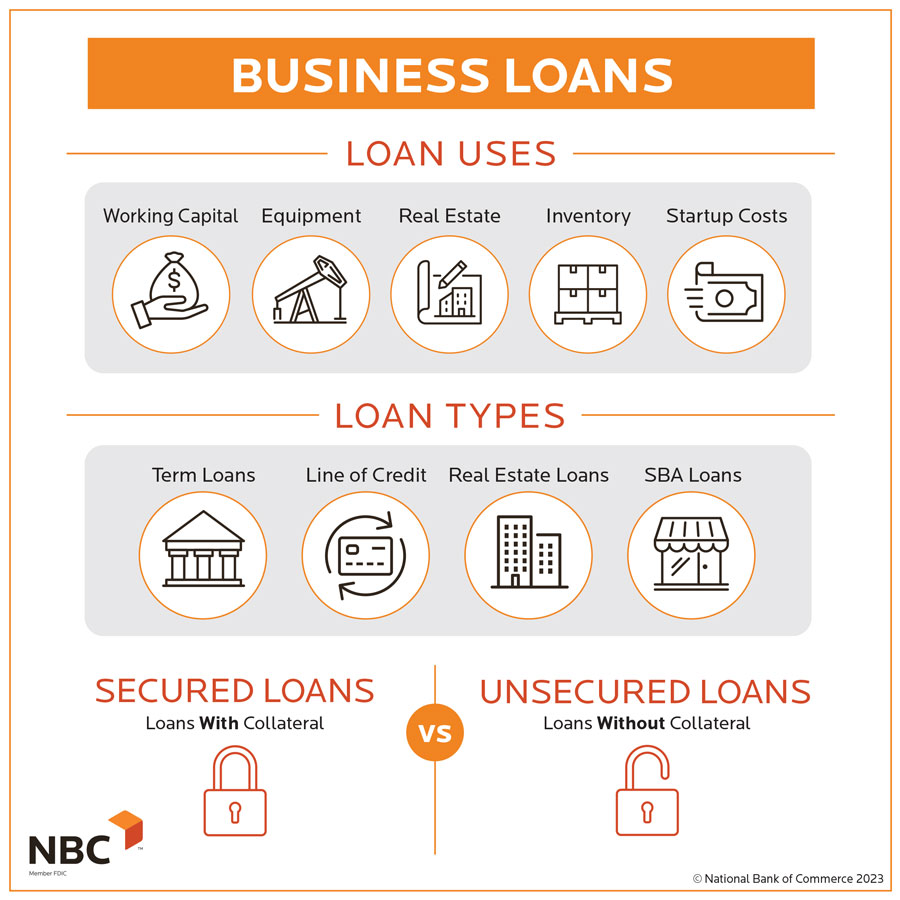
One of the primary ways lenders manage risk is through collateral. A “secured loan” requires the borrower to pledge an asset—such as real estate, equipment, or inventory—that the lender can seize if the loan defaults. Because this reduces the lender’s risk, secured loans often come with lower interest rates. “Unsecured loans,” conversely, do not require specific collateral but often demand a “personal guarantee.” This means the business owner is personally liable for the debt, putting their personal assets at risk if the business cannot pay.
Repayment Structures and Amortization
Repayment isn’t always a monthly check. Depending on the loan type, payments could be daily, weekly, or monthly. Some loans follow an “amortization schedule,” where each payment is split between interest and principal reduction. In the early stages of the loan, a larger portion of the payment goes toward interest, while later payments eat away at the principal. Understanding this schedule is vital for managing a business’s monthly cash flow projections.
Navigating the Diverse Landscape of Business Financing
Not all business loans are created equal. The “Money” niche offers a variety of financial products tailored to specific business needs, stages of growth, and industry requirements.
Traditional Term Loans
The term loan is the most common form of business financing. A lender provides a lump sum of cash up front, which the business repays over a set term (usually 1 to 10 years). These are ideal for specific, one-time investments like opening a new location or acquiring another company. Banks and credit unions are the primary providers of these, often offering the most competitive rates for businesses with strong financial histories.
SBA Loans: The Gold Standard
The Small Business Administration (SBA) does not actually lend money. Instead, it guarantees a portion of the loan provided by participating banks. This guarantee reduces the risk for the bank, allowing them to offer longer repayment terms and lower down payments to small businesses that might not otherwise qualify for traditional financing. The SBA 7(a) and 504 programs are popular choices for long-term working capital and real estate purchases, respectively.
Business Lines of Credit
Unlike a term loan, a business line of credit provides flexible access to funds up to a certain limit. You only pay interest on the amount you actually draw. This is an essential tool for managing “working capital”—the money used for day-to-day operations. It is particularly useful for seasonal businesses that need to cover expenses during slow months or companies that need to act quickly on a limited-time inventory discount.
Equipment and Invoice Financing
These are “asset-based” lending options. Equipment financing uses the machinery or vehicle being purchased as the collateral for the loan itself. Invoice financing (or factoring) allows businesses to “sell” their unpaid invoices to a lender for an immediate cash advance. This is a common strategy for B2B companies that suffer from long payment cycles (e.g., Net-60 or Net-90 terms).
The Qualification Process: What Lenders Look For
Securing a business loan is often more rigorous than getting a personal loan or a credit card. Lenders evaluate the health of the business through several key metrics to ensure the “Five Cs of Credit”: Character, Capacity, Capital, Collateral, and Conditions.
Credit Scores: Personal and Business
For many small business owners, their personal credit score remains a primary factor in loan approval. Lenders use it as a proxy for the owner’s financial responsibility. However, as a business grows, it develops its own “Business Credit Score” (via bureaus like Dun & Bradstreet or Experian Business). A strong business credit profile can eventually allow a company to secure financing without relying on the owner’s personal credit.
Cash Flow and Revenue History
Lenders want to see “proof of concept.” They typically require at least six months to two years of bank statements and tax returns to verify that the business generates enough revenue to cover the loan payments. They look for “positive cash flow”—meaning the money coming in exceeds the money going out. A business that is growing rapidly but losing money may find it harder to get traditional debt than a slower-growing, profitable one.
The Debt Service Coverage Ratio (DSCR)
The DSCR is a critical financial metric used by lenders to measure a business’s ability to pay its debt. It is calculated by dividing the company’s Net Operating Income by its total debt service (annual principal and interest payments). A DSCR of 1.0 means the company makes exactly enough to pay its debts. Most lenders look for a DSCR of 1.25 or higher, providing a 25% “cushion” to ensure the business can still pay its bills even if revenue dips slightly.
Step-by-Step: How to Secure Your Business Loan
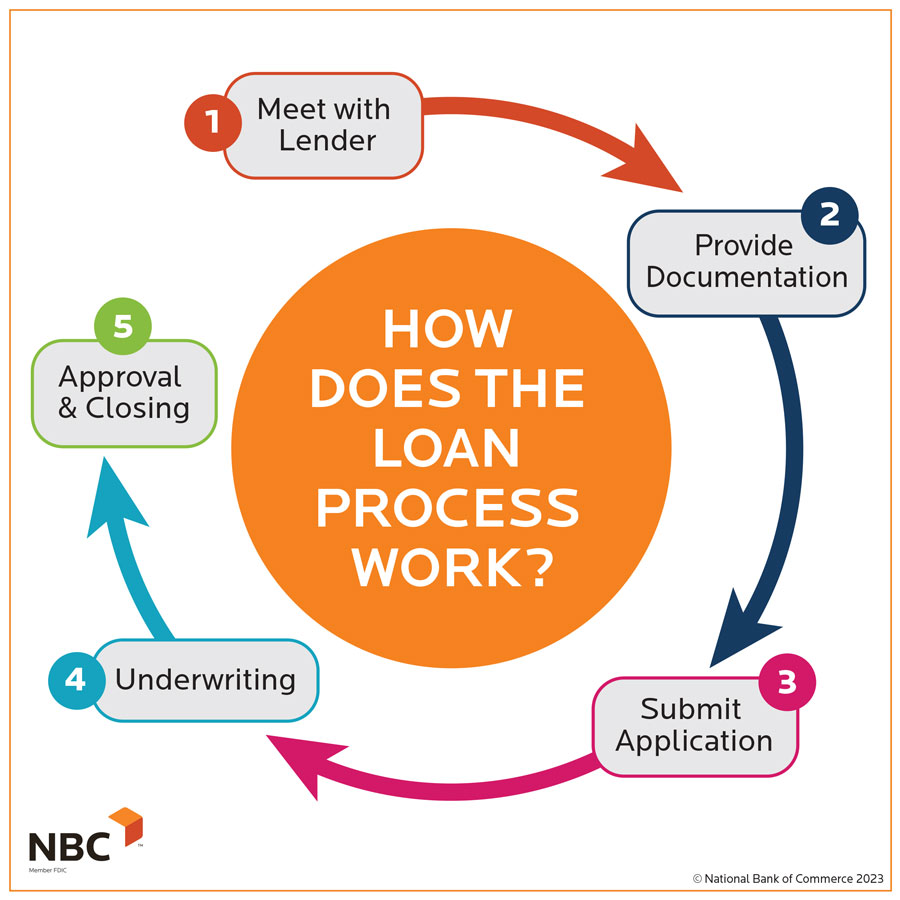
The process of obtaining a loan requires meticulous preparation. Errors in the application process can lead to immediate rejection or unfavorable terms.
Preparing the Documentation
A professional application starts with a solid paper trail. You will generally need:
- Business Plan: A clear explanation of how the loan will be used and how it will generate a return.
- Financial Statements: Balance sheets, profit and loss (P&L) statements, and cash flow statements.
- Legal Documents: Articles of incorporation, business licenses, and any existing lease agreements.
Choosing the Right Lender
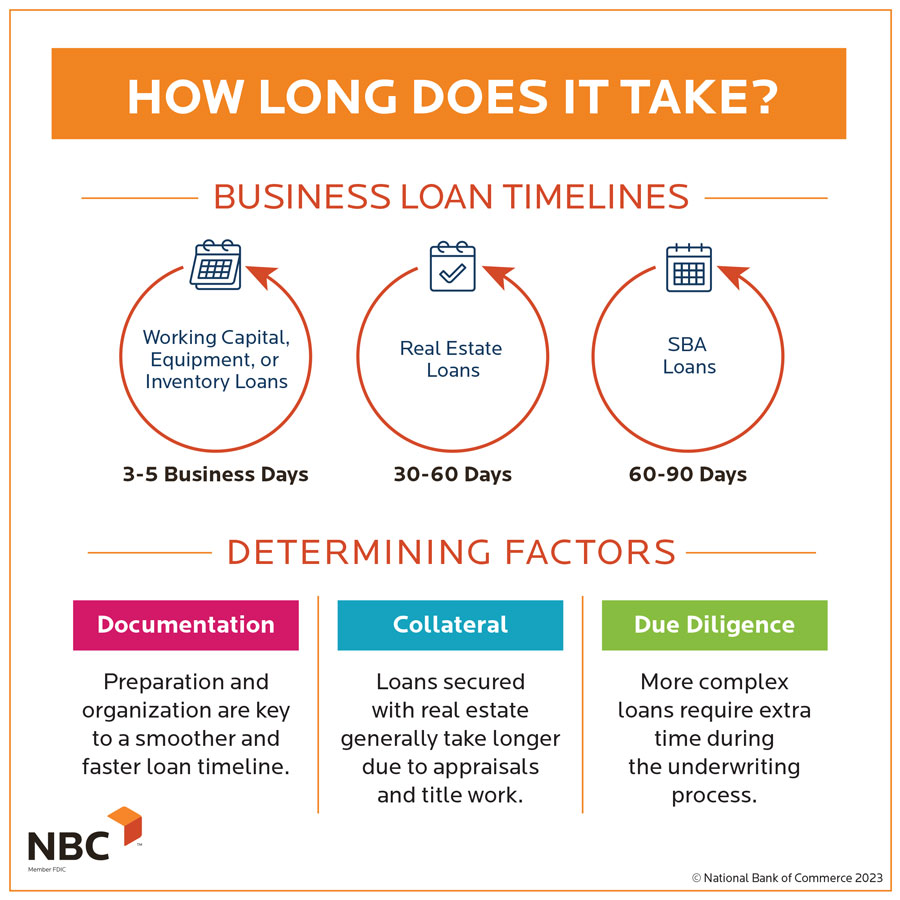
Traditional banks offer the lowest rates but have the strictest requirements and slowest approval times. Online alternative lenders (fintechs) offer much faster funding—sometimes within 24 hours—but often charge significantly higher interest rates. It is crucial to match the lender to your specific needs. If you need money tomorrow to cover an emergency, a fintech lender might be the answer. If you are planning an expansion six months from now, a traditional bank or SBA loan is the more cost-effective choice.
Evaluating the Loan Offer
When you receive a “Letter of Intent” or a loan offer, look beyond the monthly payment. Check for “prepayment penalties,” which charge you a fee for paying off the loan early. Look for “blanket liens,” which give the lender a claim to all your business assets. Most importantly, compare the APR of different offers to ensure you are getting the most competitive price for your capital.
Strategic Considerations for Long-Term Financial Health
Borrowing money is a significant responsibility. In the “Money” niche, the goal is not just to get the loan, but to use it as a tool for wealth creation.
Calculating the Return on Investment (ROI)
Before signing the loan agreement, you should perform a rigorous ROI analysis. If the loan has an interest rate of 8%, but the project you are funding is only expected to increase your profit margin by 5%, you are effectively losing money. Debt should be used for “value-additive” activities—things that increase efficiency, market share, or production capacity.
Avoiding the “Debt Trap”
A common mistake among small businesses is “stacking” debt—taking out a second loan to pay off the first, or taking multiple high-interest short-term loans. This can lead to a debt spiral where all business revenue goes toward servicing interest, leaving nothing for operations. Managing a business loan requires a disciplined budget and a “contingency fund” to ensure that even during a market downturn, the debt remains serviceable.
In conclusion, business loans are powerful instruments of financial engineering. By understanding the different types of capital available, maintaining a high standard of financial health to qualify for the best rates, and using borrowed funds strategically, you can accelerate your company’s growth and secure its financial future.
aViewFromTheCave is a participant in the Amazon Services LLC Associates Program, an affiliate advertising program designed to provide a means for sites to earn advertising fees by advertising and linking to Amazon.com. Amazon, the Amazon logo, AmazonSupply, and the AmazonSupply logo are trademarks of Amazon.com, Inc. or its affiliates. As an Amazon Associate we earn affiliate commissions from qualifying purchases.