
The landscape of modern entrepreneurship has shifted dramatically over the last decade. What once required a physical storefront, a significant commercial lease, and a team of on-site staff can now be launched from a kitchen table or a dedicated home office. However, starting a small business at home is not merely a lifestyle choice; it is a strategic financial move. By eliminating high overhead costs and leveraging digital marketplaces, entrepreneurs can achieve a level of capital efficiency that was previously impossible.
To succeed in this environment, one must view the home-based business through a rigorous financial lens. This guide explores the essential components of launching a home business within the Money niche, focusing on profitability, capital allocation, tax optimization, and long-term financial sustainability.
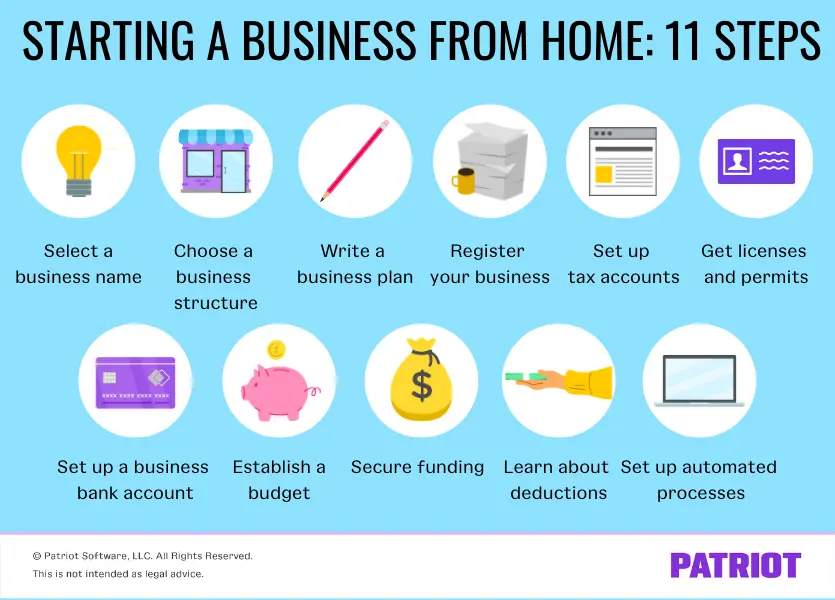
1. Selecting a High-Margin Business Model
The first step in starting a home-based business is identifying a model that maximizes your return on investment (ROI). In a home setting, your most valuable assets are your time and your intellectual capital. Choosing a model with low overhead and high scalability is the key to turning a side hustle into a primary income stream.
Service-Based Models: Trading Expertise for Revenue
For many home-based entrepreneurs, the quickest path to profitability is a service-based model. Whether it is consulting, freelance writing, digital marketing, or accounting, these businesses require almost zero upfront capital. The financial advantage here is the “margin.” Because you are not paying for inventory or warehouse space, your gross margins often exceed 90%. To maximize income, focus on “value-based pricing” rather than hourly rates, ensuring that your revenue scales with the impact you provide rather than the hours you work.
E-commerce and Dropshipping: Scalable Online Income
If you prefer selling physical products, the home-based model has been revolutionized by dropshipping and third-party logistics (3PL). By utilizing these methods, you can manage a global retail brand without ever touching a box. From a financial perspective, this requires careful management of “unit economics.” You must account for the cost of goods sold (COGS), shipping fees, and digital advertising costs to ensure that each sale contributes to your bottom line.
Digital Products: The Peak of Passive Income
Perhaps the most financially attractive home business model is the creation of digital products, such as online courses, e-books, or software-as-a-service (SaaS) tools. These products involve high initial development costs (primarily your time) but have near-zero marginal costs for every additional unit sold. This creates a highly scalable revenue stream that can generate income 24/7, providing the ultimate financial freedom.
2. Financial Infrastructure and Capital Management
A common mistake among home-based entrepreneurs is failing to treat their venture as a distinct financial entity. To build a sustainable business, you must establish a professional financial infrastructure from day one.
Separating Personal and Business Finances
The moment you earn your first dollar, you should separate your business finances from your personal accounts. Opening a dedicated business bank account and obtaining a business credit card is essential. This separation is not just for organizational clarity; it is a critical step for “veil piercing” protection in the event of legal issues and is indispensable for accurate bookkeeping. Using accounting software like QuickBooks or FreshBooks allows you to track every cent, providing the data necessary to make informed financial decisions.
Calculating Startup Costs and Burn Rate
Even a home business has costs. You need to calculate your “burn rate”—the amount of money you spend each month to keep the business running. Common home-office expenses include high-speed internet, specialized software subscriptions, marketing budgets, and equipment. By understanding your initial startup costs and your monthly overhead, you can determine your “break-even point”—the exact moment your business starts generating a profit.

Managing Cash Flow for Stability
Cash flow is the lifeblood of any small business. Unlike a steady paycheck, business income can be volatile. Successful home entrepreneurs build a “cash cushion” or a business emergency fund that covers 3–6 months of operating expenses. This financial buffer ensures that a slow month or a delayed client payment doesn’t jeopardize the business’s survival.
3. Tax Optimization and Legal Structuring
One of the most significant financial advantages of starting a business at home is the array of tax benefits available. However, navigating the tax code requires a proactive strategy to ensure you are keeping as much of your revenue as possible.
Choosing the Right Business Structure
The legal structure of your business—whether a Sole Proprietorship, LLC, or S-Corp—has massive implications for your tax liability. For many home-based creators, an LLC (Limited Liability Company) offers a balance of legal protection and “pass-through” taxation. As the business grows, electing S-Corp status can potentially save thousands of dollars in self-employment taxes by allowing the owner to take a “reasonable salary” and receive the remaining profits as distributions.
Leveraging the Home Office Deduction
The IRS and other global tax authorities often allow entrepreneurs to deduct a portion of their home expenses if a specific area is used “regularly and exclusively” for business. This includes a percentage of your rent or mortgage interest, utilities, insurance, and home maintenance. Understanding the nuances of the “Simplified Method” versus the “Actual Expense Method” can result in significant annual tax savings, effectively subsidizing your living costs through your business.
Retirement Planning for the Self-Employed
Home-based business owners do not have access to employer-sponsored 401(k) plans, but they do have access to powerful tax-advantaged retirement accounts like the SEP-IRA or the Solo 401(k). These accounts often have much higher contribution limits than traditional IRAs, allowing you to reduce your taxable income while building long-term wealth. Investing business profits into these vehicles is a cornerstone of advanced personal finance for entrepreneurs.
4. Scaling Toward Sustainable Profitability
Starting is about survival; scaling is about strategy. Once your home business is operational, the focus must shift to increasing your “Lifetime Value” (LTV) per customer while optimizing your “Customer Acquisition Cost” (CAC).
Reinvesting Profits for Growth
A disciplined entrepreneur does not treat early profits as personal spending money. Instead, they practice “capital allocation.” This means reinvesting a portion of the profits back into the business—whether that is through better equipment, outsourcing tasks to virtual assistants to buy back your time, or increasing your lead-generation budget. The goal is to move from “working in the business” to “working on the business.”
Pricing Strategies and Revenue Diversification
To increase profitability, you must periodically review your pricing. Many home-based businesses undercharge for their services. Implementing “tier-based pricing” or premium packages can instantly boost your margins. Additionally, diversifying your revenue streams—such as adding an affiliate marketing component to a blog or offering a subscription-based model—protects your business from market fluctuations and creates a more predictable financial future.
Transitioning from Side Hustle to Full-Time
The ultimate financial goal for many is to leave their 9-to-5 job. This transition should be data-driven. A common financial benchmark is to wait until your home business consistently generates 75% to 100% of your current salary for at least six consecutive months. This ensures that the business is not just a temporary success but a viable financial engine capable of supporting your lifestyle and your future growth.

Conclusion: The Path to Wealth Starts at Home
Starting a small business at home is one of the most effective ways to build wealth in the modern economy. By focusing on high-margin models, maintaining rigorous financial discipline, optimizing for taxes, and strategically reinvesting profits, you transform a simple home setup into a powerful asset.
The journey requires more than just a good idea; it requires a deep understanding of the money moving through your system. When you master the financial mechanics of your home-based business, you aren’t just creating a job for yourself—you are building a foundation for lasting financial independence. The low barriers to entry mean that anyone can start, but the high standards of financial management are what determine who stays and thrives.
aViewFromTheCave is a participant in the Amazon Services LLC Associates Program, an affiliate advertising program designed to provide a means for sites to earn advertising fees by advertising and linking to Amazon.com. Amazon, the Amazon logo, AmazonSupply, and the AmazonSupply logo are trademarks of Amazon.com, Inc. or its affiliates. As an Amazon Associate we earn affiliate commissions from qualifying purchases.