
Understanding the precise operating hours of global financial markets is fundamental for investors, traders, and anyone keen on comprehending the rhythm of the economy. Among the most closely watched barometers of U.S. economic health is the Dow Jones Industrial Average (DJIA), often simply referred to as “the Dow.” More than just a number, the Dow represents a collection of 30 significant publicly traded companies in the United States, reflecting broad market trends. For many, the question “When does the Dow close?” isn’t just about a specific time; it’s about the culmination of a day’s economic activity, the final tally of investor sentiment, and the moment when the market rests before the cycle begins anew.
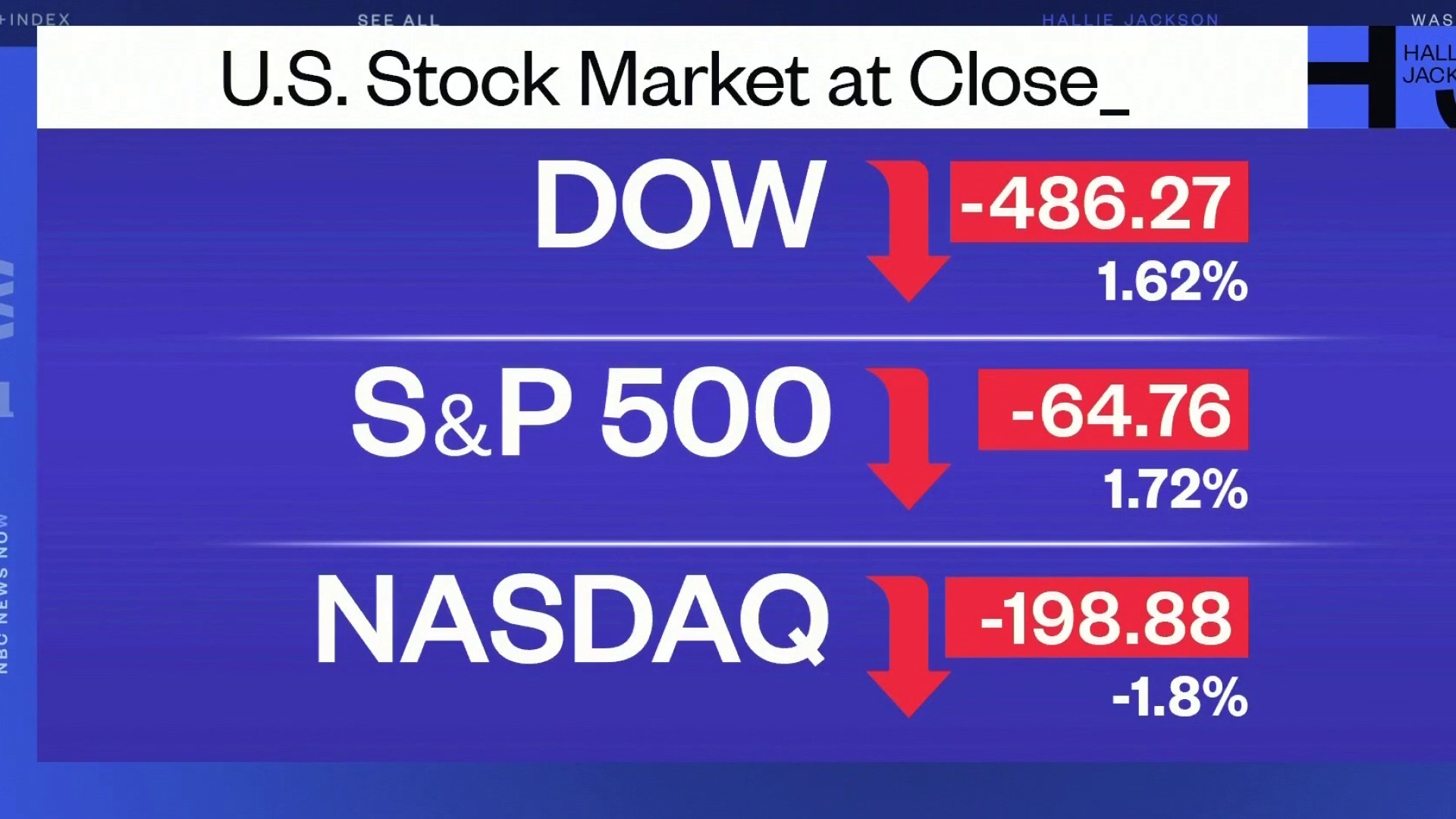
The answer to this seemingly simple question opens up a broader discussion about market mechanics, the interplay of various trading sessions, and the profound implications of market closures on strategy, risk management, and financial reporting. While the official closing time for the Dow, like the broader U.S. equity markets, is a fixed point on the clock, the financial world never truly sleeps, with activities extending beyond these traditional hours.
Understanding U.S. Stock Market Hours
The operation of the U.S. stock market, where the components of the Dow are traded, follows a structured schedule designed to facilitate orderly trading while accommodating national and global financial rhythms. These hours are standardized across major exchanges like the New York Stock Exchange (NYSE) and Nasdaq, ensuring consistency for all market participants.
Standard Trading Session
The core of daily market activity occurs during what is known as the “standard trading session.” This is the period when most individual and institutional investors execute trades, market makers provide liquidity, and official closing prices are determined.
- The Opening Bell: The U.S. stock market officially opens for trading at 9:30 AM Eastern Time (ET). This moment is marked by the iconic opening bell ceremony at the NYSE, a symbolic start to the day’s financial proceedings. The initial minutes after the opening bell are often characterized by heightened volatility as pre-market orders are matched and investors react to overnight news.
- The Closing Bell: The standard trading session concludes at 4:00 PM Eastern Time (ET), signified by the equally famous closing bell. This is the critical time for calculating the day’s official closing prices for stocks, which in turn dictate the final value of indices like the Dow Jones Industrial Average. The period leading up to the closing bell can also see increased activity as traders rush to finalize positions or react to late-breaking news.
- Eastern Time Zone Significance: It’s crucial to note that all U.S. stock market hours are quoted in Eastern Time (ET). For investors and participants in other time zones across the U.S. and globally, converting this time to their local time is essential for accurate planning and execution. For example, for someone in Pacific Time, the market opens at 6:30 AM PT and closes at 1:00 PM PT.
Pre-Market and After-Hours Trading
While the 9:30 AM to 4:00 PM ET window defines the standard trading day, market activity extends beyond these traditional hours through pre-market and after-hours trading sessions. These extended sessions are facilitated by electronic communication networks (ECNs) and offer flexibility, albeit with different characteristics than the standard session.
- Pre-Market Trading: This session typically begins around 4:00 AM ET and runs until the market’s official opening at 9:30 AM ET. Pre-market trading allows investors to react to overnight news, earnings reports released before market open, or global market movements. However, liquidity is generally lower, and price spreads (the difference between bid and ask prices) can be wider, potentially leading to increased price volatility.
- After-Hours Trading: Following the closing bell at 4:00 PM ET, after-hours trading can continue as late as 8:00 PM ET. Similar to pre-market, this session provides an opportunity to respond to news released after the market close, such as corporate earnings announcements, or to adjust positions based on late-day developments. Like pre-market, after-hours trading is characterized by reduced liquidity and potentially greater price swings, making it a riskier environment for less experienced traders.
Weekends and Holidays
The U.S. stock market adheres to a strict schedule of closures on weekends and recognized federal holidays, ensuring that critical personnel can rest and for market stability.
- Weekend Closures: The market is closed on Saturdays and Sundays, meaning no trading occurs from Friday’s close at 4:00 PM ET until Monday’s open at 9:30 AM ET (unless a holiday intervenes).
- Market Holidays: Major U.S. federal holidays typically result in a full-day market closure. These include, but are not limited to:
- New Year’s Day
- Martin Luther King, Jr. Day
- Presidents’ Day
- Good Friday
- Memorial Day
- Juneteenth National Independence Day
- Independence Day
- Labor Day
- Thanksgiving Day
- Christmas Day
Sometimes, if a holiday falls on a weekend, the market may observe it on the preceding Friday or following Monday. Partial closures, such as an early close on the day before Christmas or Thanksgiving, also occur, requiring investors to stay informed via exchange announcements.
The Significance of the Closing Bell
The moment the Dow closes, marked by the 4:00 PM ET bell, is far more than just the end of a trading day; it’s a pivotal point with broad implications for financial markets, investors, and the economy at large.
Impact on Investors and Traders
For market participants, the closing bell triggers a cascade of activities and strategic considerations.
- Finalizing Daily Positions: Traders often spend the last hour of trading, known as the “power hour,” adjusting their portfolios, closing out positions to lock in gains or limit losses, or establishing new positions for the next day. The closing price of a stock is often the most important reference point for daily performance analysis.
- Strategizing for the Next Day: As the market closes, investors and analysts immediately begin to process the day’s events, assess the impact of overnight news, and formulate strategies for the upcoming trading session. This involves analyzing market data, economic reports, and corporate announcements released after hours.
- Market Sentiment and Psychological Impact: The Dow’s closing value serves as a snapshot of market sentiment for the day. A strong close can instill confidence, while a weak close can fuel anxiety. This psychological aspect influences how investors perceive market direction and make decisions moving forward.
Market Data and Reporting
The closing bell is the definitive moment for establishing official market data, which then forms the basis for widespread reporting and analysis.
- Official Closing Prices: The prices at 4:00 PM ET are the official closing prices used for calculating daily portfolio valuations, mutual fund net asset values (NAVs), and the performance of indices like the Dow. These figures are crucial for accounting, compliance, and financial statement preparation.
- Basis for News Reports: Financial news outlets, from major networks to online publications, base their daily market summaries and analyses on the official closing figures. The “Dow’s performance today” is universally understood to refer to its movement between 9:30 AM and 4:00 PM ET.
- Portfolio Valuations: For asset managers and individual investors, the market close provides the final figures needed to calculate the end-of-day value of their holdings, assess daily gains or losses, and track overall portfolio performance against benchmarks.
Volatility and Price Discovery
The opening and closing hours of the market are often characterized by concentrated activity and unique dynamics in price discovery.
- Concentrated Activity: The moments around the opening and closing bells often see significant trading volume as orders accumulate during off-hours and are executed, or as traders make last-minute adjustments. This concentration of activity can lead to increased volatility.
- Last-Minute Trades: Major institutional investors may execute large block trades or rebalance their portfolios just before the close, aiming to minimize market impact or meet specific fund objectives based on the closing price. This “MOC” (Market On Close) order flow can sometimes cause noticeable price movements in the final minutes.

Factors Influencing Market Hours and Closures
While the 9:30 AM to 4:00 PM ET schedule is largely fixed, various external and regulatory factors underscore the logic behind these specific hours and the conditions under which they might be altered.
Global Market Interconnectedness
The U.S. market operates within a global network of financial exchanges. Its hours are strategically set to overlap with, or follow, other major markets around the world.
- Influences from Asia and Europe: The U.S. market opens after Asian markets have closed and European markets are well into their trading day. This allows U.S. investors to react to overnight developments and sentiment from these regions. Similarly, after-hours trading in the U.S. often coincides with the opening of Asian markets.
- Maintaining Orderly Transitions: These staggered hours help maintain an orderly flow of capital and information across different time zones, reducing the potential for significant gaps or shocks when one major market opens or closes relative to another.
Economic and Geopolitical Events
In extremely rare and exceptional circumstances, market hours can be altered due to significant economic or geopolitical events.
- National Emergencies: In instances of national crisis, such as major natural disasters or terrorist attacks, regulatory bodies like the SEC, in coordination with exchanges, may decide to close markets early or for an extended period to ensure safety, prevent panic selling, or allow critical infrastructure to recover. Such instances are exceedingly rare and signify events of profound national impact.
- Regulatory Discretion: The Securities and Exchange Commission (SEC) and the exchanges themselves have the authority to implement emergency closures or alter trading hours to maintain fair and orderly markets, protect investors, or ensure operational integrity.
Regulatory Framework
The consistent market hours are a testament to a robust regulatory framework designed to ensure fairness, transparency, and efficiency.
- SEC Oversight: The SEC provides broad oversight for U.S. securities markets, including the establishment of trading rules and operational guidelines for exchanges.
- Exchange Operations: Stock exchanges like the NYSE and Nasdaq manage the day-to-day operations, including the precise timing of the opening and closing bells, and the technology infrastructure that supports trading. These systems are incredibly complex and require specific windows for maintenance and updates outside of trading hours.
Beyond the Closing Bell: What Happens Next?
Even after the Dow officially closes, the financial world continues to churn, setting the stage for the next trading day.
After-Hours News and Earnings Reports
A significant amount of corporate and economic news is strategically released after market close or before market open.
- Corporate Earnings: Many companies, especially those in the Dow, choose to release their quarterly earnings reports after the 4:00 PM ET close. This allows analysts and investors time to digest the information and react during after-hours trading, preventing sudden, disruptive price movements during the standard session. These reports are often key drivers of the next day’s market open.
- Economic Data: Government agencies may also release crucial economic data, such as inflation reports or employment figures, outside of regular market hours to give participants ample time to process the information without immediate market pressure.
Futures Trading
While the Dow itself isn’t traded 24/7, derivatives related to it, particularly Dow futures contracts (e.g., E-mini Dow futures), trade for much longer hours.
- Continuous Trading: Dow futures contracts often trade nearly around the clock, providing a continuous pulse of investor sentiment even when the cash equity market is closed. Their movements after 4:00 PM ET can offer a strong indication of how the market might react the following morning.
- Risk Management and Hedging: Futures trading outside of regular hours allows institutional investors and hedgers to manage their exposure and react to global events that unfold during the U.S. market’s downtime.
Preparing for the Next Trading Day
For serious investors and financial professionals, the period after the closing bell is crucial for preparation.
- Research and Analysis: This time is used to delve into daily reports, read analyst commentary, and conduct further research based on the day’s market action and any late-breaking news.
- Strategy Adjustment: Investment strategies are reviewed and adjusted based on current market conditions, global developments, and forward-looking economic indicators. This ensures that investors are well-positioned for when the opening bell rings again.

Conclusion
The question “When does the Dow close?” may seem straightforward, but its answer unravels a sophisticated system of market operations, regulatory oversight, and strategic considerations that underpin the global financial landscape. The official closing time of 4:00 PM Eastern Time for the U.S. stock market and, by extension, the Dow Jones Industrial Average, is a critical juncture that defines daily performance, informs financial reporting, and provides a necessary pause for reflection and preparation.
However, the modern financial world, through extended trading hours and derivatives, operates in a continuous cycle, with the Dow’s closing simply marking the end of one chapter and the immediate commencement of the next. Understanding these nuances – from the standard trading sessions to the extended hours and market holidays – is indispensable for anyone seeking to navigate the complexities of investing, manage risk effectively, and make informed decisions in the dynamic world of money and finance. The rhythm of the closing bell not only signals the end of a trading day but also sets the stage for the opportunities and challenges of tomorrow.
aViewFromTheCave is a participant in the Amazon Services LLC Associates Program, an affiliate advertising program designed to provide a means for sites to earn advertising fees by advertising and linking to Amazon.com. Amazon, the Amazon logo, AmazonSupply, and the AmazonSupply logo are trademarks of Amazon.com, Inc. or its affiliates. As an Amazon Associate we earn affiliate commissions from qualifying purchases.