
For anyone looking to engage with the world’s largest and most influential financial markets, understanding the precise operating hours of US stock exchanges is not merely a detail—it’s a foundational piece of knowledge. Whether you’re a seasoned day trader whose strategy hinges on market open volatility, a long-term investor seeking to understand the rhythm of capital, or an international participant navigating time zone differences, knowing when the US markets spring to life and wind down is paramount. This insight illuminates periods of peak liquidity, informs trading decisions, and helps manage expectations in a dynamic financial landscape.
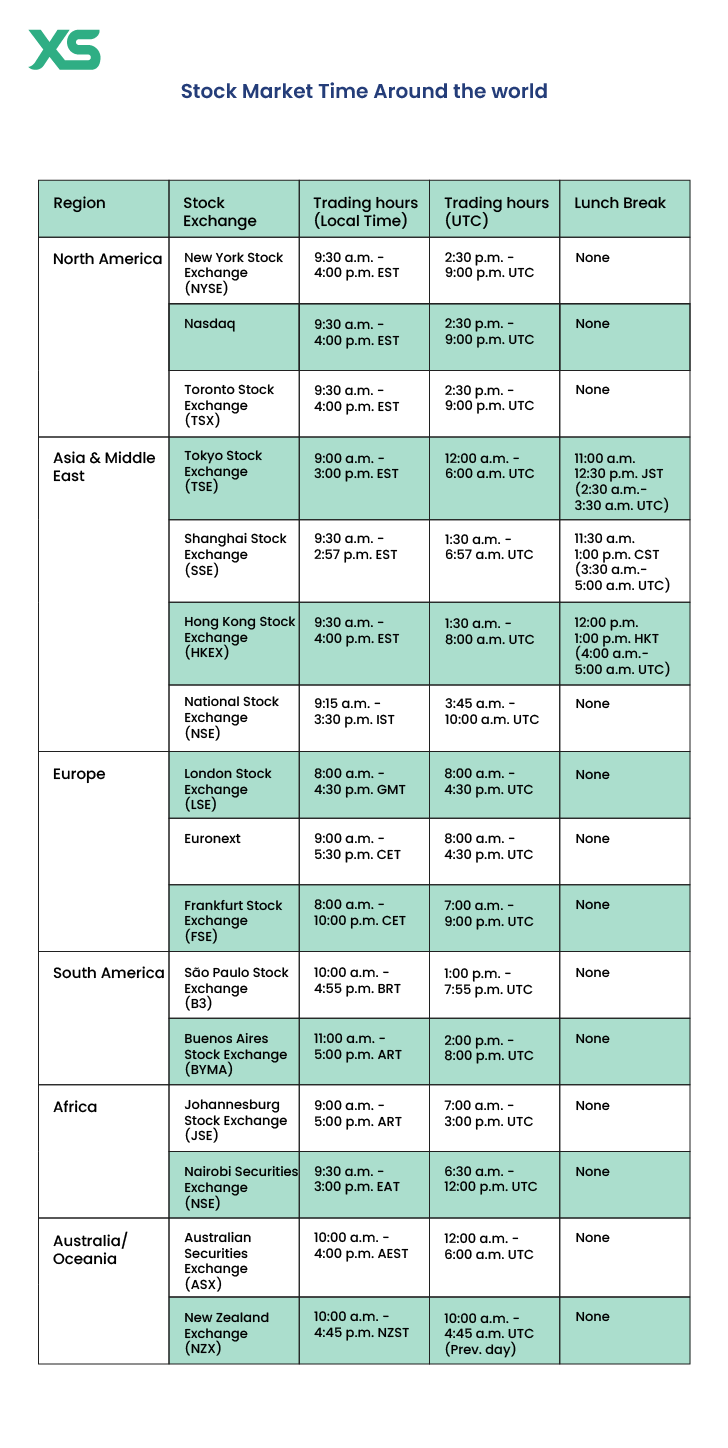
The United States boasts two of the most prominent stock exchanges globally: the New York Stock Exchange (NYSE) and the NASDAQ Stock Market. While they differ in their listing requirements and the types of companies they primarily host, their standard trading hours are synchronized, creating a unified period of intense activity for millions of investors worldwide. But the story of market hours extends beyond the conventional 9:30 AM to 4:00 PM; it includes the often-overlooked pre-market and after-hours sessions, as well as critical nuances surrounding holidays and special events.
This article delves into the intricacies of US stock market operating times, providing a comprehensive guide to navigating the complexities of regular trading hours, extended sessions, and the various factors that can influence when and how you interact with these financial behemoths.
The Standard Market Hours: A Crucial Starting Point for Investors
The backbone of US stock market operations revolves around its regular trading hours. This period represents the most liquid and actively traded segment of the day, where the vast majority of transactions occur and market prices are most efficiently discovered. Understanding these standard hours is the first step in effectively participating in the market.
Unpacking NYSE and NASDAQ Regular Session Times
Both the New York Stock Exchange (NYSE) and the NASDAQ Stock Market adhere to the same standard trading schedule:
- Opening Bell: 9:30 AM Eastern Standard Time (EST) / Eastern Daylight Time (EDT)
- Closing Bell: 4:00 PM Eastern Standard Time (EST) / Eastern Daylight Time (EDT)
This six-and-a-half-hour window is often referred to as the “core trading session.” During these hours, orders are executed, prices fluctuate based on supply and demand, and market news is digested in real-time. The initial and final hours of this session are typically characterized by heightened volatility and trading volume, often presenting unique opportunities and risks for traders. The opening half-hour, driven by overnight news and pre-market activity, can see significant price swings, while the closing hour often sees institutional rebalancing and final pushes.
Understanding Eastern Standard Time (EST) as the Benchmark
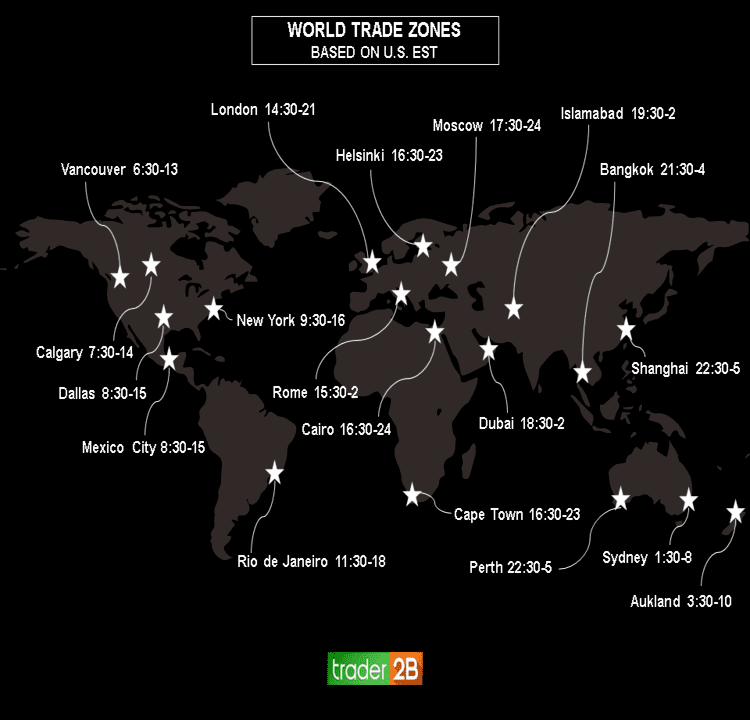
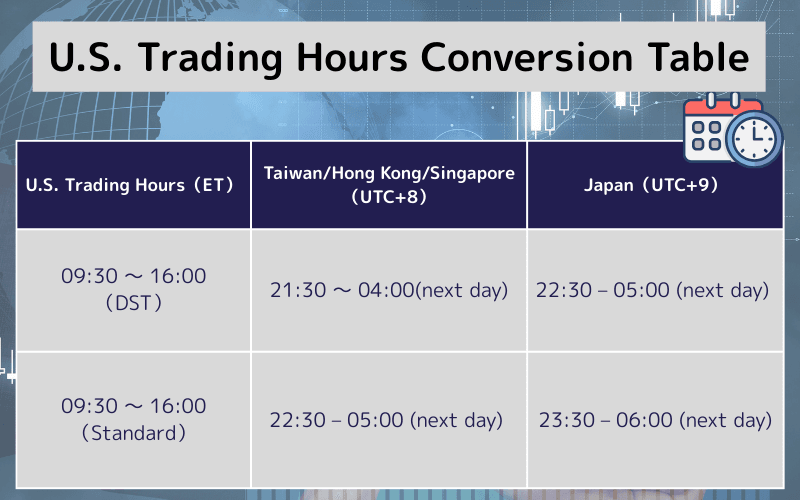
A critical aspect of market timing is the consistent use of Eastern Standard Time (EST) or Eastern Daylight Time (EDT) as the reference point. Regardless of where you are physically located in the world, all official US stock market hours are quoted in this time zone. This means investors in California, for example, will see the market open at 6:30 AM Pacific Time, while those in London will observe an opening at 2:30 PM GMT, and investors in Tokyo will wake up to the market closing in the early hours of their morning.
This standardization simplifies communication and prevents confusion, but it necessitates that international investors, or even domestic investors outside the Eastern Time Zone, make the appropriate time conversions. Most modern trading platforms and financial news websites automatically adjust times based on your local settings, but it’s always wise to confirm the underlying EST/EDT schedule to avoid any miscalculations, particularly during the biannual daylight saving time shifts.
Why These Hours Matter: Liquidity and Volatility
The standard market hours are significant for several reasons, primarily concerning liquidity and volatility:
- Peak Liquidity: During these hours, the sheer volume of buyers and sellers ensures that there is ample liquidity. This means that large orders can be executed with minimal impact on price, and investors can enter or exit positions relatively easily. High liquidity translates to tighter bid-ask spreads, making transactions more efficient and cost-effective.
- Efficient Price Discovery: With a high concentration of participants and trading activity, market prices during standard hours are generally considered the most accurate reflection of an asset’s true value. Information is rapidly disseminated and absorbed by the market, leading to efficient price discovery.
- Institutional Participation: Major financial institutions, hedge funds, mutual funds, and large investment banks conduct the bulk of their trading during regular hours. Their significant capital and sophisticated strategies contribute substantially to the market’s depth and movement.
- Volatility Spikes: The opening and closing hours are often the most volatile. The “opening auction” handles orders accumulated overnight, leading to initial price gaps and swift movements. Similarly, the “closing auction” processes end-of-day orders, often resulting in increased activity and price fluctuations. Traders adept at navigating volatility often focus on these specific periods.
Beyond Regular Hours: Exploring Pre-Market and After-Hours Trading
While the regular session defines the core of market activity, the advent of electronic communication networks (ECNs) in the late 1990s revolutionized trading, extending market access beyond the traditional 9:30 AM to 4:00 PM window. Pre-market and after-hours trading sessions allow investors to react to news and execute trades outside the standard timeframe.
The Mechanics of Extended Trading Sessions
- Pre-Market Trading: This session typically runs from 4:00 AM EST to 9:30 AM EST. It allows investors to trade based on news that breaks overnight, such as corporate earnings reports, economic data releases, or international market movements.
- After-Hours Trading: This session usually extends from 4:00 PM EST to 8:00 PM EST. It enables investors to react to news released shortly after the market close, such as late-day earnings announcements or policy changes.
These extended hours are facilitated by ECNs, which match buyers and sellers electronically without the need for a physical trading floor. Access to these sessions is generally provided by most major brokerage firms, though the specific hours offered may vary slightly by broker.
Advantages and Disadvantages for Investors
Advantages:
- Immediate Reaction to News: Extended hours allow investors to respond to breaking news before or after the regular session, potentially capitalizing on early price movements or mitigating losses.
- Flexibility: They offer greater flexibility for investors with time zone challenges or those who cannot trade during standard market hours due to work or other commitments.
- Early/Late Entry/Exit: Opportunities can arise to enter or exit positions at prices that might not be available during the regular session.
Disadvantages:
- Lower Liquidity: Extended sessions generally have significantly lower trading volumes compared to regular hours. This means fewer buyers and sellers, leading to wider bid-ask spreads and potentially greater price volatility.
- Price Volatility and Spreads: With lower liquidity, even small orders can have a disproportionate impact on stock prices. Prices can move more erratically, and the difference between the buy and sell price (the spread) can be substantially wider, making trades more expensive.
- Limited Order Types: Some brokerage platforms may offer a more restricted set of order types for extended hours trading, typically limiting orders to “limit orders” (specifying a maximum buy price or minimum sell price) rather than “market orders” (executing at the best available price immediately).
- Institutional Dominance: Retail investors often face competition from institutional traders who have sophisticated tools and faster access, potentially putting individual traders at a disadvantage.
Risks Associated with Trading Outside Standard Hours
The risks associated with pre-market and after-hours trading are primarily amplified versions of the disadvantages listed above. The lower liquidity and higher volatility mean that prices can swing dramatically on thin volume, potentially leading to unfavorable execution prices or significant losses if positions are not managed carefully. Investors must also contend with the fact that crucial news could be released after they’ve placed an after-hours trade, only to see the market react unfavorably the next day during regular hours. It’s an environment best approached with caution, experience, and a clear understanding of the heightened risks involved.
Navigating Exceptions: Holidays, Early Closures, and Special Events
The consistency of standard market hours is occasionally interrupted by a variety of scheduled and unscheduled events. Being aware of these exceptions is crucial for planning trades and managing portfolios effectively.
Federal Holidays and Market Closures
The US stock markets generally observe nine federal holidays, during which they remain completely closed. These include:
- New Year’s Day
- Martin Luther King, Jr. Day
- Washington’s Birthday (Presidents’ Day)
- Good Friday
- Memorial Day
- Juneteenth National Independence Day
- Independence Day
- Labor Day
- Thanksgiving Day
- Christmas Day
It’s important to note that if a holiday falls on a weekend, the market typically observes it on the closest weekday (e.g., if Christmas Day is a Saturday, the market may close on the preceding Friday). Investors should always consult the official NYSE and NASDAQ holiday schedules, which are usually published well in advance for the upcoming year.
Half-Day Sessions and Their Implications
In addition to full-day closures, the US stock markets sometimes operate on a modified schedule, typically closing early at 1:00 PM EST. These half-day sessions usually occur on days adjacent to major holidays, such as the day after Thanksgiving (Black Friday) or Christmas Eve.
Half-day sessions share some characteristics with extended-hours trading, albeit during a traditionally “regular” period. Liquidity can be lower than a full trading day, and volatility can sometimes be exaggerated, particularly as the early closing time approaches. Traders need to adjust their strategies to account for the truncated period and the potential for reduced market depth.
Unforeseen Market Interruptions: Circuit Breakers and Suspensions
Beyond scheduled closures, markets can experience unscheduled interruptions due to extreme volatility or extraordinary circumstances:
- Circuit Breakers: These are pre-defined mechanisms designed to curb panic selling or irrational exuberance. If the S&P 500 index falls by certain percentages (7%, 13%, and 20%) within a trading day, trading across all US equities markets will be temporarily halted. These halts are designed to give investors time to process information and prevent a cascading market collapse.
- Trading Suspensions: Individual stocks can be temporarily suspended from trading by the exchange or regulators (e.g., the SEC) due to pending news, regulatory investigations, or extreme price movements. This is often done to ensure a fair and orderly market and prevent insider trading or manipulation.
- Force Majeure Events: In rare circumstances, such as major natural disasters (e.g., Hurricane Sandy in 2012) or significant national emergencies, entire exchanges might close or operate under severely restricted conditions to ensure the safety of personnel and the integrity of operations.
While these events are infrequent, knowing they exist and understanding their purpose is vital for any informed investor.
The Strategic Importance of Market Timing for Different Investor Profiles
The timing of market open and close holds varying degrees of significance depending on an investor’s strategy, time horizon, and risk tolerance. What might be critical for one type of investor could be less impactful for another.
Day Traders and the Precision of Market Open
For day traders, who typically enter and exit positions within the same trading day, the market open is often the most critical period. The first 30 minutes to an hour after 9:30 AM EST are often characterized by:
- High Volatility: Prices can move significantly as accumulated overnight news and pre-market activity are absorbed.
- Increased Volume: A surge in trading volume provides liquidity for quick entries and exits.
- Gap Trading Opportunities: Stocks might “gap up” or “gap down” from their previous day’s close, offering opportunities for traders who can quickly analyze and react to these movements.
Many day traders base their entire strategy around these opening hours, seeking to capitalize on initial trends or reversals. They often require precise timing and real-time data to execute their plans effectively.
Long-Term Investors: Less Urgency, Still Relevant
Long-term investors, whose focus is on holding assets for months or years, generally do not need to monitor market opening times with the same vigilance as day traders. Their investment decisions are based on fundamental analysis, company growth prospects, and macroeconomic trends rather than minute-by-minute price fluctuations.
However, understanding market hours is still relevant:
- Order Execution: Knowing when the market is open helps them place orders for maximum liquidity during regular hours, ensuring fair prices.
- News Impact: Being aware of opening and closing times helps them contextualize news releases and understand when their portfolio might react to significant announcements.
- Portfolio Rebalancing: While not a daily concern, rebalancing or making large portfolio adjustments is typically done during regular market hours to ensure efficient execution.
For long-term investors, the broader market narrative and fundamental health of their holdings far outweigh the importance of specific trading hours.
International Investors: Bridging Time Zones
International investors face the unique challenge of aligning their local time with Eastern Standard Time. This often means trading in the middle of the night, early morning, or late evening, depending on their geographic location.
- Operational Challenges: Traders in Asia, for instance, might be placing orders in the late evening, while European investors might be trading during their afternoon. This requires disciplined scheduling and potentially reliance on automated trading tools or limit orders.
- Information Lag: News and economic data relevant to US markets might break during off-hours in their local time, requiring them to stay updated through financial news services that cover global markets.
- Brokerage Support: International investors also need to consider the operating hours of their brokerage’s customer support, which may or may not align with US market hours.
Many international investors leverage pre-market and after-hours trading to some extent, but most still prioritize the standard session for its liquidity and reliability.
Practical Considerations for Engaging with the US Stock Market
Beyond simply knowing the times, practical readiness is essential for effectively participating in the US stock markets. This involves understanding the tools, services, and psychological aspects that influence trading and investing.
Brokerage Services and Their Operating Hours
While the exchanges operate on a set schedule, your brokerage firm might have slightly different operational hours.
- Customer Support: Brokerage customer service lines and chat support might not be available 24/7. If you encounter an issue during extended trading hours or on a half-day, support might be limited.
- Order Routing: While electronic, your brokerage’s internal systems for processing and routing orders can influence execution speed, particularly during times of high volume or low liquidity.
- Research and Tools: Access to research reports, analytical tools, and real-time data feeds through your brokerage platform is generally aligned with market hours, but some advanced features might have their own specific availability.
It’s wise to familiarize yourself with your chosen brokerage’s specific service hours and policies, especially regarding extended-hours trading.
Leveraging Financial Tools and News Platforms
In today’s fast-paced market, staying informed is paramount.
- Real-Time Data: Subscribing to services that provide real-time market data, news feeds, and analyst reports can give investors an edge, especially during volatile periods like market open.
- Economic Calendars: Keeping track of an economic calendar that highlights upcoming earnings reports, economic data releases (e.g., inflation figures, employment numbers), and central bank announcements helps anticipate market movements.
- Algorithmic Trading: For sophisticated traders, algorithms can be programmed to react to market opens and closes, as well as specific news events, providing automated execution strategies.
- Financial News Outlets: Reputable financial news sources (e.g., Bloomberg, Wall Street Journal, Reuters, CNBC) provide continuous coverage, analysis, and breaking news that can impact market sentiment and individual stock prices.
The Psychology of Market Open and Close
Beyond the technicalities, there’s a distinct psychological dynamic surrounding market open and close.
- Opening Excitement: The market open often brings a rush of excitement and anticipation. Traders react to overnight news, position themselves, and try to catch early trends. This can lead to impulsive decisions if not managed with discipline.
- Closing Pressures: As the market approaches 4:00 PM, traders often face pressure to close out day trades, rebalance positions, or react to late-breaking news. This can lead to increased volatility and a tendency for emotional decisions, especially if positions are underwater.
- Information Overload: The volume of news and data around opening and closing times can be overwhelming. Investors must develop the ability to filter out noise and focus on actionable information relevant to their strategy.
Understanding these psychological pressures and having a clear trading or investing plan can help mitigate the risks of emotional decision-making during these high-stakes periods.
In conclusion, knowing what time US stock markets open and close is much more than a simple time conversion; it’s an understanding of the very pulse of global finance. It informs when liquidity is highest, when opportunities and risks are most pronounced, and when the financial world is most actively engaged. By mastering these timings—from the standard bell-to-bell sessions to the extended hours and holiday exceptions—investors can approach the market with greater confidence, precision, and strategic foresight, ultimately enhancing their potential for success in the intricate world of finance.
aViewFromTheCave is a participant in the Amazon Services LLC Associates Program, an affiliate advertising program designed to provide a means for sites to earn advertising fees by advertising and linking to Amazon.com. Amazon, the Amazon logo, AmazonSupply, and the AmazonSupply logo are trademarks of Amazon.com, Inc. or its affiliates. As an Amazon Associate we earn affiliate commissions from qualifying purchases.