
Investing in stocks can be one of the most powerful avenues for wealth creation, offering individuals a direct stake in the growth and profitability of companies worldwide. For many, the idea of stock market investing seems daunting, a complex world reserved for financial experts. However, with the right knowledge, disciplined approach, and a clear understanding of personal financial goals, anyone can learn to navigate the stock market effectively. This comprehensive guide aims to demystify stock investing, providing a foundational understanding, practical steps, and essential strategies to help you embark on your investment journey with confidence.
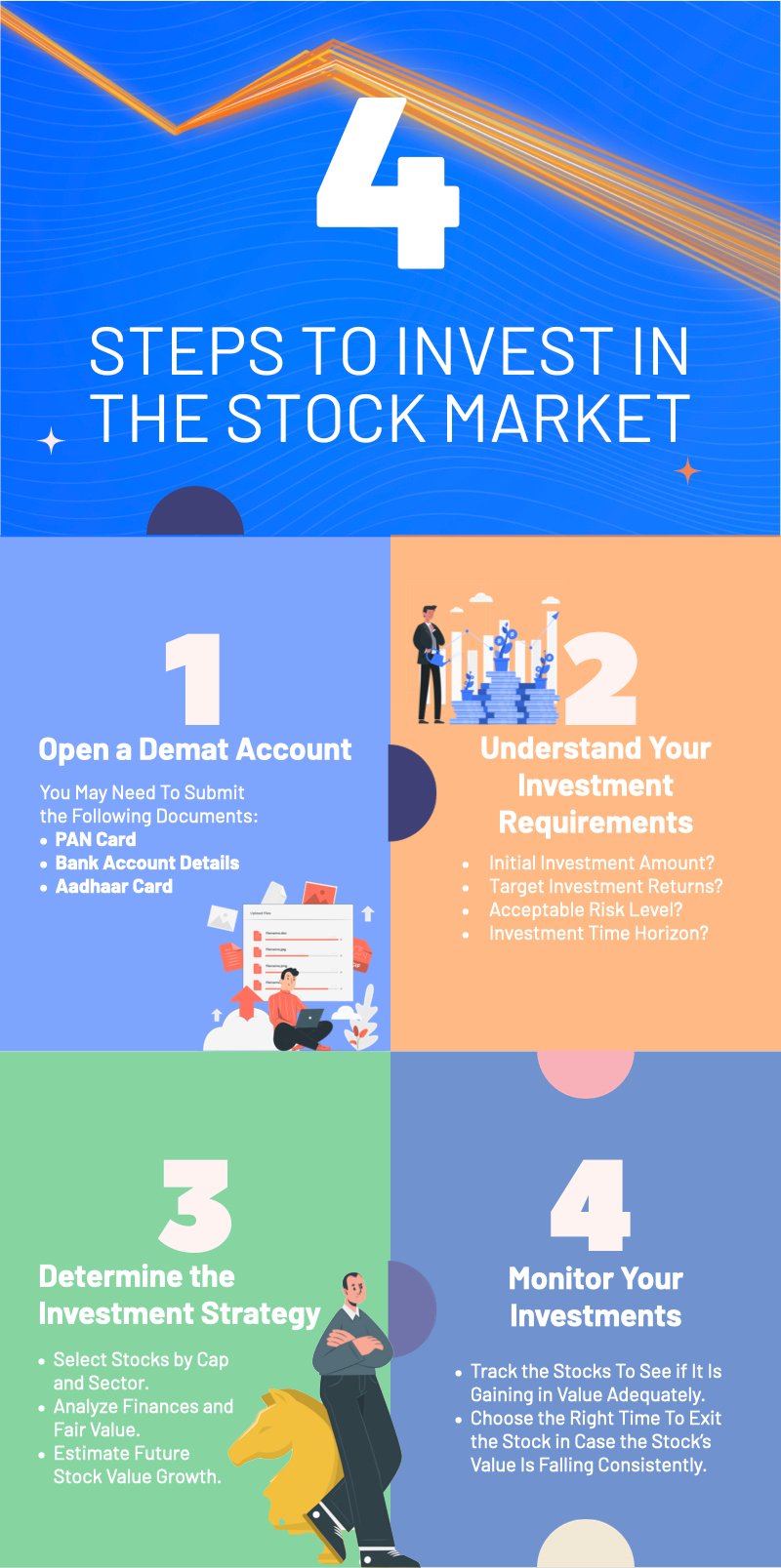
Understanding the Basics of Stock Investing
Before diving into the mechanics of buying and selling, it’s crucial to grasp what a stock truly represents and why it forms a cornerstone of modern finance. A solid conceptual foundation is the first step toward informed decision-making.
What is a Stock?
At its core, a stock (also known as equity) represents a fractional ownership interest in a company. When you buy a stock, you become a shareholder, meaning you own a small piece of that company’s assets and earnings. Publicly traded companies issue stocks to raise capital, which they then use to fund operations, expand, develop new products, or repay debts. As an owner, you have a claim on the company’s future profits and, in some cases, voting rights on corporate matters. The value of a stock is influenced by a myriad of factors, including the company’s financial performance, industry trends, economic outlook, and investor sentiment. Understanding this fundamental concept transforms abstract numbers into tangible ownership, making the investment process more meaningful.
Why Invest in Stocks?
The primary allure of stock investing lies in its potential for significant long-term growth. Historically, stocks have outperformed other asset classes like bonds and cash over extended periods, making them an excellent tool for building wealth and achieving financial independence. This growth comes from two main sources: capital appreciation and dividends. Capital appreciation occurs when the value of your stock increases, allowing you to sell it for more than you paid. Dividends are a portion of a company’s profits distributed to its shareholders, providing a regular income stream. Beyond growth, investing in stocks offers a hedge against inflation, as company earnings and stock prices tend to rise with the cost of living. Furthermore, it provides liquidity, meaning stocks can typically be bought and sold relatively easily, allowing investors access to their capital when needed. The opportunity to participate in the success of innovative companies and contribute to economic growth makes stock investing a compelling choice for many.
Key Risks of Stock Investing
While the potential rewards of stock investing are attractive, it’s equally important to acknowledge and understand the inherent risks. The value of stocks can fluctuate significantly, and there’s always a possibility of losing some or all of your invested capital. Market volatility, driven by economic downturns, geopolitical events, or shifts in investor sentiment, can cause broad market declines that affect even strong companies. Company-specific risks, such as poor management decisions, competitive pressures, or product failures, can lead to a sharp decline in an individual stock’s price. Unlike a savings account, stock investments are not guaranteed and require a willingness to accept these risks. However, these risks can be mitigated through diversification, thorough research, a long-term perspective, and investing only what you can afford to lose. Acknowledging these potential downsides upfront helps in developing a realistic and resilient investment strategy.
Preparing for Your Investment Journey
Embarking on stock investing isn’t just about picking companies; it’s about aligning your investments with your personal financial landscape. Thorough preparation sets the stage for a sustainable and successful journey.
Assess Your Financial Health
Before allocating funds to the stock market, it’s paramount to ensure your foundational financial health is robust. This means having an emergency fund that can cover three to six months of living expenses readily available in a liquid account. This fund acts as a financial safety net, preventing you from being forced to sell investments at an inopportune time should an unforeseen expense arise. Equally important is managing high-interest debt, such as credit card balances. The interest rates on such debts often far exceed typical stock market returns, making debt repayment a more financially prudent priority before investing. A clear financial picture allows you to invest from a position of strength, rather than necessity.
Define Your Investment Goals and Risk Tolerance
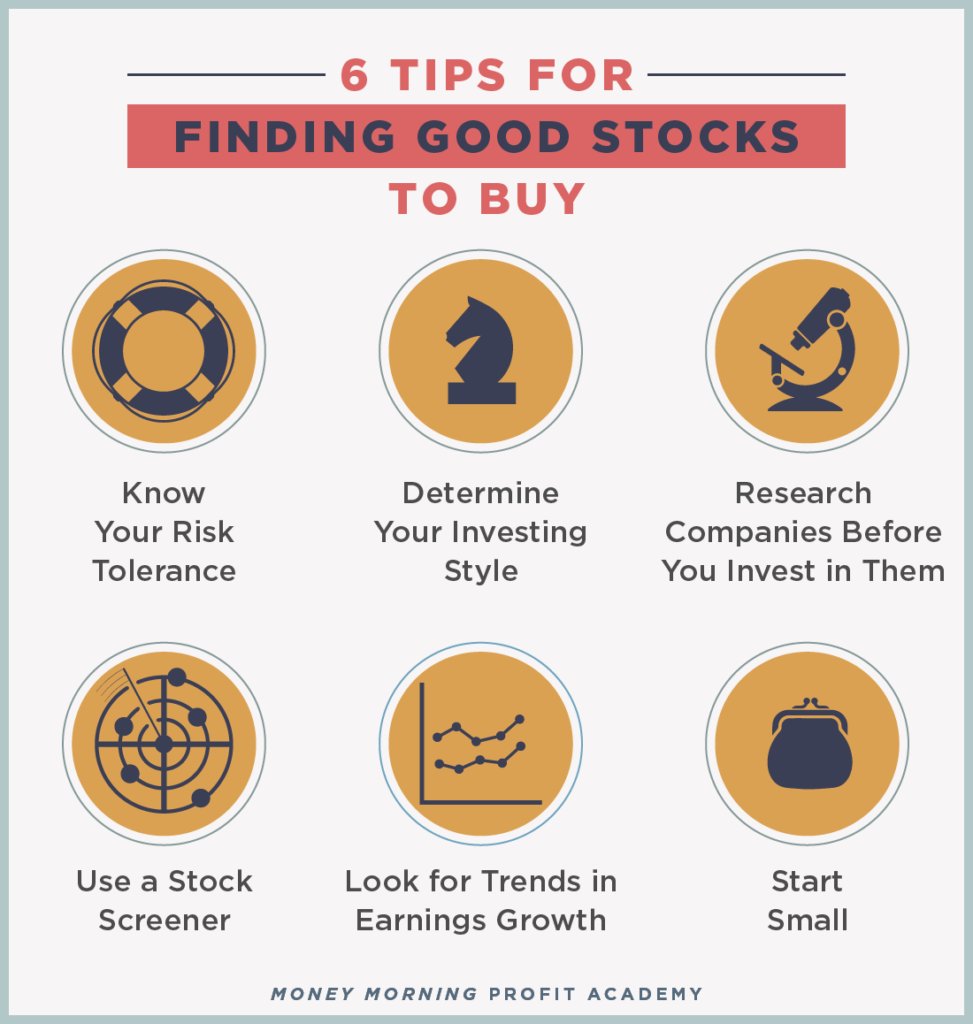
Understanding why you’re investing and how much risk you’re comfortable with is critical. Are you saving for retirement (a long-term goal), a down payment on a house (mid-term), or a specific short-term objective? Your goals will dictate your investment horizon and, consequently, the types of investments suitable for you. A longer time horizon generally allows for greater risk-taking, as there’s more time to recover from market downturns. Simultaneously, assess your risk tolerance: how would you react to a significant drop in your portfolio’s value? Are you comfortable with aggressive growth strategies, or do you prefer a more conservative approach with less volatility? Honesty in this self-assessment prevents emotional decisions and helps in constructing a portfolio that aligns with your comfort level and objectives.
Open a Brokerage Account
To buy and sell stocks, you’ll need to open an investment account with a brokerage firm. These firms provide access to stock exchanges and tools for managing your investments. There are various types of accounts to consider:
- Taxable Brokerage Account: A standard investment account where gains are taxed annually or upon sale. It offers flexibility and no contribution limits.
- Individual Retirement Account (IRA): A tax-advantaged account designed for retirement savings.
- Traditional IRA: Contributions may be tax-deductible, and taxes are paid upon withdrawal in retirement.
- Roth IRA: Contributions are made with after-tax money, but qualified withdrawals in retirement are tax-free.
Choosing the right brokerage involves considering factors like fees, available investment options, research tools, customer service, and user-friendliness of their platform. Reputable online brokers have made stock investing accessible to millions, offering competitive pricing and extensive resources.
Start with Education and Research
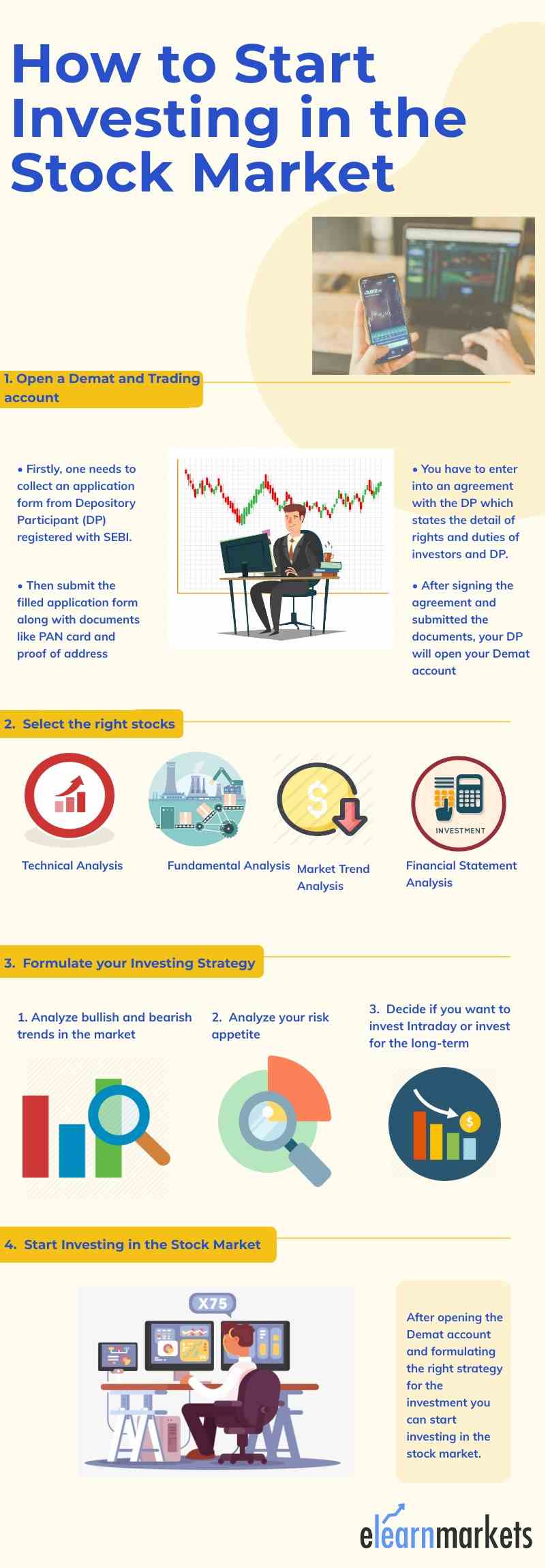
The stock market is a dynamic environment, and continuous learning is paramount. Before committing capital, dedicate time to understanding market fundamentals, company analysis, and investment principles. Explore resources like financial news websites, investment books, reputable financial blogs, and online courses. Learn about concepts such as fundamental analysis (evaluating a company’s financial health, management, and industry position) and technical analysis (studying price charts and trading volumes to identify patterns). Never invest in something you don’t understand. A well-informed investor is better equipped to make rational decisions and avoid common pitfalls driven by emotion or speculation.
Strategies for Stock Selection and Portfolio Building
Once your financial foundation is solid and your brokerage account is open, the next step involves developing strategies for selecting stocks and constructing a diversified investment portfolio. A thoughtful approach here is key to managing risk and maximizing potential returns.
Diversification: The Cornerstone of Risk Management
Diversification is perhaps the single most important principle in investing. It means spreading your investments across various assets, industries, and geographic regions to reduce the impact of poor performance by any single investment. By not putting all your eggs in one basket, you mitigate specific company risk and reduce overall portfolio volatility. For example, instead of investing solely in one tech company, you might invest in several companies across different sectors like healthcare, finance, and consumer goods. Diversification can also extend to asset classes, combining stocks with bonds or real estate. While diversification doesn’t guarantee profits or protect against all losses, it significantly reduces the risk of substantial damage to your portfolio from an isolated negative event.
Value Investing vs. Growth Investing
Two prominent investment philosophies guide stock selection:
- Value Investing: Pioneered by Benjamin Graham and championed by Warren Buffett, value investing involves seeking out companies whose stock prices appear to be trading below their intrinsic worth. Value investors look for established companies with strong fundamentals, good management, and solid balance sheets that are temporarily undervalued by the market, often due to negative sentiment or overlooked potential. They believe the market will eventually recognize the true value, leading to capital appreciation.
- Growth Investing: Growth investors focus on companies that are expected to grow at an above-average rate compared to the overall market. These are often newer companies in rapidly expanding industries or firms developing innovative products or services. Growth stocks typically reinvest their earnings back into the business to fuel further expansion, often paying little to no dividends. While growth stocks offer higher upside potential, they also come with higher risk and volatility, as their valuations often depend heavily on future expectations. Understanding your preference for either philosophy (or a blend of both) helps refine your stock selection criteria.
Passive Investing (Index Funds, ETFs) vs. Active Investing (Stock Picking)
- Passive Investing: This strategy involves investing in funds that track a specific market index, such as the S&P 500. Index funds and Exchange-Traded Funds (ETFs) are popular vehicles for passive investing. They offer instant diversification, low fees, and typically outperform a majority of actively managed funds over the long term. This “set it and forget it” approach is ideal for beginners or those who prefer a hands-off strategy.
- Active Investing: This involves selecting individual stocks or actively managed funds with the aim of outperforming the market. Stock picking requires significant research, analysis, and continuous monitoring. While it offers the potential for higher returns if successful, it also carries higher risk and demands a substantial time commitment. For most individual investors, a combination of passive investing for core holdings and a small portion dedicated to active stock picking can be a balanced approach.
Dollar-Cost Averaging
Dollar-cost averaging (DCA) is a powerful, simple strategy for reducing the impact of volatility when investing over time. Instead of trying to time the market by investing a large lump sum all at once, DCA involves investing a fixed amount of money at regular intervals (e.g., monthly or quarterly), regardless of the stock price. When prices are high, your fixed amount buys fewer shares; when prices are low, it buys more shares. Over time, this strategy helps to average out your purchase price, reducing the risk of buying all your shares at a market peak. DCA removes emotion from investing decisions and is particularly effective for long-term investors consistently contributing to their portfolios.
Navigating the Market: Execution and Management
Once you’ve done your research, set your goals, and chosen your strategies, the next phase involves executing your trades and effectively managing your portfolio over time. This requires discipline and a long-term perspective.
Placing Your First Trade
When you’re ready to buy a stock, you’ll use your brokerage account’s platform. You’ll typically encounter two main order types:
- Market Order: This instructs your broker to buy or sell a stock immediately at the best available price. While it ensures execution, the price you get might be slightly different from what you saw moments before, especially in fast-moving markets.
- Limit Order: This allows you to specify the maximum price you’re willing to pay for a buy order, or the minimum price you’re willing to accept for a sell order. Your trade will only be executed if the stock reaches your specified price or better. Limit orders provide more control over the price, but there’s no guarantee your order will be filled if the stock never reaches your limit. For beginners, understanding these basics is crucial for executing trades wisely.
Monitoring Your Investments
Investing is not a one-time event; it’s an ongoing process. Regularly monitoring your investments is important, but this doesn’t mean checking stock prices hourly. Instead, focus on periodic reviews – quarterly or annually – to ensure your portfolio still aligns with your financial goals and risk tolerance. Pay attention to significant news about the companies you own, major economic shifts, and changes in your personal financial situation. This is also when you consider rebalancing your portfolio. Rebalancing involves adjusting your asset allocation back to your target percentages (e.g., if stocks have performed exceptionally well, you might sell some stock to buy more bonds to restore your desired risk level). This disciplined approach prevents your portfolio from drifting away from your strategic intent.
The Importance of Long-Term Perspective
The stock market can be volatile in the short term, experiencing ups and downs driven by various factors. However, historical data consistently shows that over long periods (10+ years), the stock market has trended upwards, rewarding patient investors. Adopting a long-term perspective is perhaps the most crucial mindset for stock investors. It helps you weather market downturns without panicking and making impulsive, often detrimental, decisions. Focus on the long-term growth potential of your investments, allowing the power of compounding to work in your favor. Avoid the temptation to chase hot stocks or react emotionally to daily market fluctuations. Time in the market generally beats timing the market.
Investing in stocks is a journey that requires continuous learning, patience, and discipline. By understanding the fundamentals, preparing diligently, applying sound strategies, and maintaining a long-term perspective, you can build a robust investment portfolio that contributes significantly to your financial future. Remember, every expert investor started as a beginner. Take the first step, educate yourself, and embark on your path to financial growth.
aViewFromTheCave is a participant in the Amazon Services LLC Associates Program, an affiliate advertising program designed to provide a means for sites to earn advertising fees by advertising and linking to Amazon.com. Amazon, the Amazon logo, AmazonSupply, and the AmazonSupply logo are trademarks of Amazon.com, Inc. or its affiliates. As an Amazon Associate we earn affiliate commissions from qualifying purchases.