
For millions of investors, traders, and financial professionals worldwide, the question “what time did the NYSE close today?” is far more than a simple query about a clock face. It represents the culmination of a day’s economic activity, the final tally of fortunes gained and lost, and a critical demarcation point for market analysis and strategic planning. The New York Stock Exchange (NYSE), often dubbed “The Big Board,” is arguably the most iconic financial market globally, and its operating hours, particularly its closing bell, hold immense significance within the intricate machinery of global finance.
Understanding the daily rhythms of the NYSE – when it opens, when it closes, and the various nuances surrounding these times – is fundamental for anyone participating in or observing the capital markets. It impacts everything from individual investment decisions and algorithmic trading strategies to the operational logistics of global financial institutions. In an increasingly interconnected world, where information travels at light speed and markets react instantaneously, the precise moment the NYSE concludes its daily trading session remains a cornerstone of financial stability and market integrity.
The Standard NYSE Trading Day: A Pillar of Global Finance
The regular trading hours of the New York Stock Exchange are a well-established constant in the often-volatile world of finance. This consistent schedule provides a structured environment that allows for efficient price discovery, liquidity provision, and the orderly execution of trades, forming a bedrock of trust and predictability for market participants.
Regular Trading Hours Explained
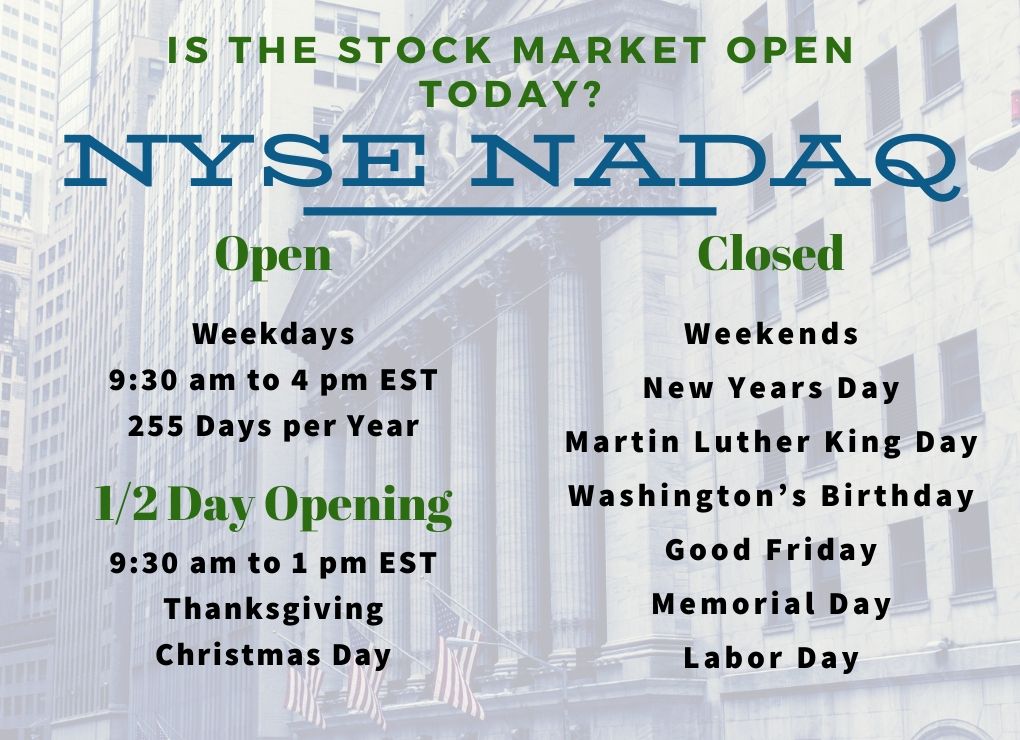
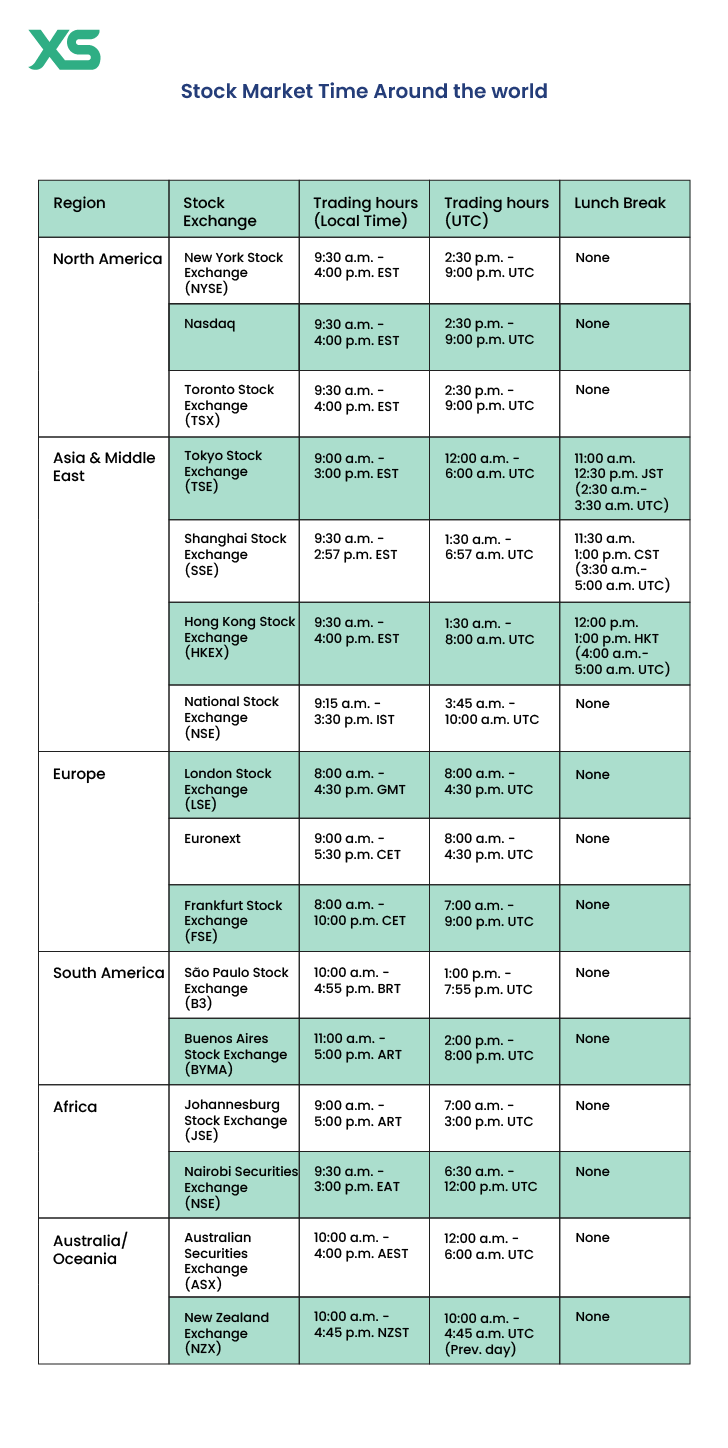
Typically, the NYSE operates on a specific schedule from Monday to Friday. The standard closing time for the NYSE is 4:00 PM Eastern Time (ET). This follows its opening bell at 9:30 AM ET, establishing a 6.5-hour regular trading session. These hours are meticulously adhered to, barring specific exceptions for holidays or unforeseen market disruptions. This set window is designed to concentrate trading activity, fostering greater liquidity and reducing price fragmentation that might occur if trading were perpetually open. For investors outside the Eastern Time Zone, converting this time to their local time is a routine but crucial step to stay abreast of market movements. For instance, 4:00 PM ET would be 1:00 PM PT on the West Coast, 9:00 PM GMT in London, or 5:00 AM JST the following day in Tokyo.
The Significance of Market Open and Close
The opening and closing bells of the NYSE are more than mere ceremonial chimes; they are pivotal moments that concentrate market activity and provide crucial reference points for financial analysis. The final hour of trading, often called “the close,” is particularly intense. Many institutional investors, mutual funds, and exchange-traded funds (ETFs) execute large block orders designed to track specific indexes or rebalance portfolios based on end-of-day prices. This concentrated activity can lead to increased volatility and significant price swings as the market approaches 4:00 PM ET. The closing price itself is incredibly important as it is widely used as the official valuation for a security for that day, impacting everything from portfolio valuations to benchmark performance calculations. It serves as the starting point for the next day’s trading, influencing pre-market sentiment and opening prices.
Beyond the Bell: Extended Hours Trading
While the regular 9:30 AM to 4:00 PM ET session defines the official trading day, the financial markets don’t entirely cease activity at the closing bell. Extended hours trading, encompassing both pre-market and after-hours sessions, allows for the continuation of trading outside standard hours. After-hours trading typically runs from 4:00 PM ET until 8:00 PM ET, though liquidity can thin out significantly after the initial rush following the close. This period allows investors to react to news released after the market closes, such as quarterly earnings reports, mergers and acquisitions announcements, or significant geopolitical developments. However, trading in extended hours often involves wider bid-ask spreads and lower liquidity, which can translate into higher volatility and potentially less favorable execution prices. While not part of the “official” closing time, understanding after-hours activity provides a more complete picture of a stock’s 24-hour price discovery process.
Why Market Close Times Matter to Investors
The precise moment the NYSE closes is not just a logistical detail; it’s a critical financial event with profound implications for investment strategy, risk management, and financial reporting. Savvy investors and financial professionals pay close attention to the close for several strategic reasons.
Price Discovery and Volatility Management
The closing price of a stock or index is the most widely recognized and referenced price point for the day. It is the culmination of all buy and sell orders executed throughout the standard session, reflecting the market’s collective valuation at that specific moment. This price is crucial for daily portfolio valuations, performance benchmarking, and technical analysis. The period leading up to the close can often be marked by heightened volatility as large orders are processed, and traders attempt to adjust their positions for the day. For investors, understanding this dynamic is key to managing risk. Attempting to execute large orders precisely at the close without careful planning can lead to adverse price movements, while strategically placing orders ahead of the final bell can help mitigate such risks.
Impact on Portfolio Management and Decision-Making
For portfolio managers, the NYSE’s closing time is a hard deadline. Decisions about rebalancing portfolios, executing hedging strategies, or making final adjustments based on intraday market movements must be finalized before 4:00 PM ET. Mutual funds and ETFs, which are legally required to price their net asset value (NAV) at the end of each trading day, are particularly sensitive to closing prices. Any significant news released just before or after the close can dramatically influence these valuations and subsequently affect investors holding these funds. Individual investors also need to consider the close when placing limit orders or stop-loss orders, as the execution of these orders is directly tied to market prices during the trading session.
The Role of Closing Prices in Financial Reporting
Beyond individual portfolios, closing prices play a fundamental role in broader financial reporting and regulatory compliance. Company financial statements, particularly those of publicly traded firms, rely on accurate stock prices for various accounting purposes, including employee stock options, share-based compensation, and the valuation of treasury stock. Financial data providers, news outlets, and regulatory bodies all disseminate and archive closing prices as official records of market activity. These records are then used for historical analysis, economic modeling, and informing public policy. The integrity and consistency of these closing prices are therefore paramount to maintaining transparency and trust within the financial system.
Navigating Exceptions: Holidays, Half-Days, and Market Disruptions
While the 9:30 AM to 4:00 PM ET schedule is standard, the NYSE, like all major financial markets, has exceptions to its regular operating hours. These deviations are important for investors to be aware of, as they can impact liquidity, trading strategies, and access to capital.
Federal Holidays and Exchange Closures
The NYSE observes a number of U.S. federal holidays, during which the market is fully closed. These include New Year’s Day, Martin Luther Luther King, Jr. Day, Presidents’ Day, Good Friday, Memorial Day, Juneteenth National Independence Day, Independence Day, Labor Day, Thanksgiving Day, and Christmas Day. When a holiday falls on a weekend, the market typically observes it on the preceding Friday or the following Monday. A full list of these holidays is published annually by the exchange, and it is imperative for investors to consult this schedule to avoid surprises that could affect their trading or portfolio management. Full closures mean no trading activity whatsoever, and no official closing prices are recorded for those dates.
Shortened Trading Days: A Closer Look
In addition to full closures, the NYSE also operates on shortened trading days, often referred to as “half-days.” On these days, the market closes earlier than the standard 4:00 PM ET, typically at 1:00 PM ET. These shortened sessions usually occur on specific days around major holidays, such as the day before Independence Day, the day after Thanksgiving, or Christmas Eve. While trading does occur, liquidity can be significantly reduced due to fewer participants and many institutions operating with skeleton crews. This reduced liquidity can lead to higher volatility and larger price swings, particularly as the earlier closing time approaches. Investors need to be especially cautious on these days, as normal trading patterns may not apply, and order execution could be impacted.
Unforeseen Circumstances: Market Halts and Early Closures
Beyond planned holidays and half-days, rare but significant events can lead to unscheduled market halts or early closures. Historically, these have occurred during national tragedies (e.g., September 11, 2001), extreme weather events that prevent personnel from reaching the trading floor or data centers, or severe technical glitches that compromise market integrity. The NYSE has circuit breakers in place, which are automatic mechanisms designed to halt trading across the entire market temporarily during periods of extreme downward volatility. These circuit breakers are intended to give investors a moment to process information and prevent panic selling from spiraling out of control. While rare, these unforeseen circumstances underscore the importance of staying informed about market news and having contingency plans for investment portfolios.
Technological Underpinnings of Market Closure
In the modern financial landscape, the process of market closure is not merely a ceremonial event but a highly sophisticated technological operation. The seamless transition from active trading to the closed state relies heavily on advanced infrastructure, algorithms, and robust cybersecurity protocols.
The Automation of Trade Execution at Close
The final moments leading up to the 4:00 PM ET close are a whirlwind of automated activity. High-frequency trading firms, institutional brokers, and index funds deploy complex algorithms to execute large volumes of orders precisely at the closing price or within the closing auction. The NYSE’s trading systems are engineered to handle this surge in activity, ensuring fair and orderly execution. The closing auction, a specific mechanism used to determine the official closing price, aggregates all remaining buy and sell orders at the end of the day. This automated process minimizes manual intervention, reduces the potential for human error, and ensures that the final price reflects the true supply and demand dynamics at the precise moment of closure.
Data Dissemination and Post-Market Analysis
Immediately after the closing bell, the NYSE’s sophisticated data infrastructure swings into action, disseminating closing prices and volume data to financial data vendors, news agencies, and market participants globally. This rapid and accurate distribution is crucial for real-time reporting, portfolio valuation, and the calculation of various financial benchmarks. Analysts and investors then utilize this vast dataset for post-market analysis, scrutinizing performance metrics, identifying trends, and preparing for the next trading day. The efficiency of this data dissemination pipeline is a testament to the continuous investment in technology that underpins modern financial markets, enabling transparency and informed decision-making even after the main trading session concludes.
Cybersecurity and Market Integrity
The integrity of the closing process, and indeed the entire trading day, is critically dependent on robust cybersecurity measures. Protecting the exchange’s systems from cyber threats, unauthorized access, and data manipulation is paramount. A successful cyberattack targeting the closing mechanism could have catastrophic consequences, eroding investor confidence and destabilizing global markets. Therefore, the NYSE invests heavily in advanced cybersecurity technologies, threat detection systems, and incident response protocols. These measures ensure that the official closing prices are accurate, reliable, and untampered with, upholding the fundamental trust that underpins all financial transactions. The security around the closing bell is as critical as the bell itself, safeguarding the integrity of the capital markets.
The Global Perspective: How NYSE Closure Interacts with Other Markets
The NYSE’s closing time, while primarily a domestic event, has significant ripple effects across the interconnected web of global financial markets. Its role as a leading indicator and a major capital hub means its daily conclusion is watched closely by market participants far beyond U.S. borders.
Market Overlap and Information Flow
As the NYSE closes, markets in other parts of the world are either in full swing or preparing for their own opening. For instance, European markets like the London Stock Exchange (LSE) are typically closing or have just closed by the time the NYSE concludes its day. Asian markets, such as the Tokyo Stock Exchange (TSE) and the Shanghai Stock Exchange (SSE), will be opening hours later. The closing data and trends from the NYSE provide crucial information and sentiment cues for these subsequent markets. A strong rally or sharp decline on the NYSE can set the tone for overnight trading in Asia and the following day’s trading in Europe, influencing futures markets and currency exchange rates in the interim. This continuous flow of information means that even after the NYSE closes, its influence continues to propagate across time zones.
Implications for International Investors
For international investors with portfolios diversified across different regions, the NYSE’s closing time is a key point for managing global exposure. U.S.-listed securities are a cornerstone of many international portfolios, and their performance through the NYSE’s close directly impacts overall portfolio value. Investors in Europe or Asia might use the NYSE’s close as a final checkpoint before their own markets open or close, adjusting strategies based on the U.S. market’s momentum. Furthermore, foreign exchange markets, which operate 24 hours a day, react continuously to U.S. equity market movements, meaning the NYSE’s close can trigger significant volatility in currency pairs involving the U.S. dollar. This global interconnectedness necessitates a comprehensive understanding of how the NYSE’s schedule interacts with other major financial centers.

The Continuous Cycle of Global Trading
The concept of a “closed” market for equities like those on the NYSE is somewhat antiquated in a 24/7 global financial system where various asset classes and derivatives trade around the clock. While the physical exchange might close, trading in NYSE-listed stocks continues in derivative forms (e.g., futures contracts) and through various dark pools and international trading venues. The NYSE’s closing bell simply marks the end of its primary regulated trading session, shifting the baton of primary price discovery to other global markets and alternative trading systems. This continuous cycle means that for a truly global investor, “what time did the NYSE close today?” is just one piece of a larger, ongoing puzzle of market dynamics that never truly rests. It highlights the dynamic nature of finance, where constant monitoring and adaptability are essential for success.
aViewFromTheCave is a participant in the Amazon Services LLC Associates Program, an affiliate advertising program designed to provide a means for sites to earn advertising fees by advertising and linking to Amazon.com. Amazon, the Amazon logo, AmazonSupply, and the AmazonSupply logo are trademarks of Amazon.com, Inc. or its affiliates. As an Amazon Associate we earn affiliate commissions from qualifying purchases.