
In an increasingly digitized world, the experience of hearing an unfamiliar, yet captivating, melody and wanting to identify it has moved from a frustrating enigma to an instant gratification. Gone are the days of humming a tune to a bewildered friend, desperately trying to recall lyrics, or painstakingly browsing obscure online forums. Today, thanks to remarkable advancements in technology, finding a song by sound is not just possible, but often effortless. This article delves into the technological marvels that enable this, exploring the tools, the underlying mechanics, and the future landscape of audio recognition.
The Evolution of Sound Recognition Technology
The ability to identify a piece of music from a mere snippet of audio is a testament to decades of innovation in signal processing, database management, and artificial intelligence. What started as rudimentary attempts has blossomed into a sophisticated ecosystem of highly accurate and readily accessible tools.
Early Attempts and Manual Methods
Before the widespread adoption of smartphones and high-speed internet, identifying an unknown song was largely a manual and often painstaking process. Enthusiasts might record snippets on cassette tapes, call radio stations, or pore over liner notes and music encyclopedias. Early online communities and forums began to offer a collaborative space where users could describe songs, share lyrics, or even upload rough audio files for others to help identify. These methods, while sometimes successful, were inefficient, time-consuming, and heavily reliant on human memory and knowledge. The sheer volume of music being produced made this approach increasingly untenable, highlighting the need for an automated solution.
The Rise of Digital Fingerprinting
The turning point arrived with the development of digital audio fingerprinting. This technology, pioneered in the late 1990s and early 2000s, moved beyond simple waveform analysis. Instead of comparing entire audio files, which is computationally intensive and impractical for short snippets, digital fingerprinting extracts unique, robust, and concise signatures from a piece of audio. These “fingerprints” are designed to be invariant to common audio distortions like background noise, compression, and changes in volume. The process involves analyzing various acoustic features – such as pitch, timbre, rhythm, and harmonic content – across short time intervals. Each song is processed, and its unique fingerprint is stored in a vast database alongside its metadata (artist, title, album, etc.). When a user submits an unknown audio sample, its fingerprint is generated and then matched against this database. The speed and accuracy of this method revolutionized music identification.
AI and Machine Learning in Audio Analysis
While digital fingerprinting laid the groundwork, the integration of Artificial Intelligence (AI) and Machine Learning (ML) has propelled sound recognition to unprecedented levels of sophistication. Modern algorithms, often utilizing neural networks, can learn to identify patterns and features in audio that even traditional fingerprinting might miss. ML models are trained on massive datasets of music, learning to distinguish between subtle variations, handle complex acoustic environments, and even recognize melodies played by different instruments or sung by different voices. This has significantly improved accuracy, reduced identification time, and enabled features like humming or singing recognition. AI’s ability to process vast amounts of data and continually refine its recognition capabilities ensures that these tools are not just reactive but also adaptive, learning from every interaction to become more precise.
Essential Apps and Tools for Song Identification
Today, a plethora of applications and built-in features leverage advanced sound recognition technology, making it easier than ever to identify a song from its sound. Each offers a slightly different experience and set of features, catering to various user needs.
Shazam: The Pioneer and Powerhouse
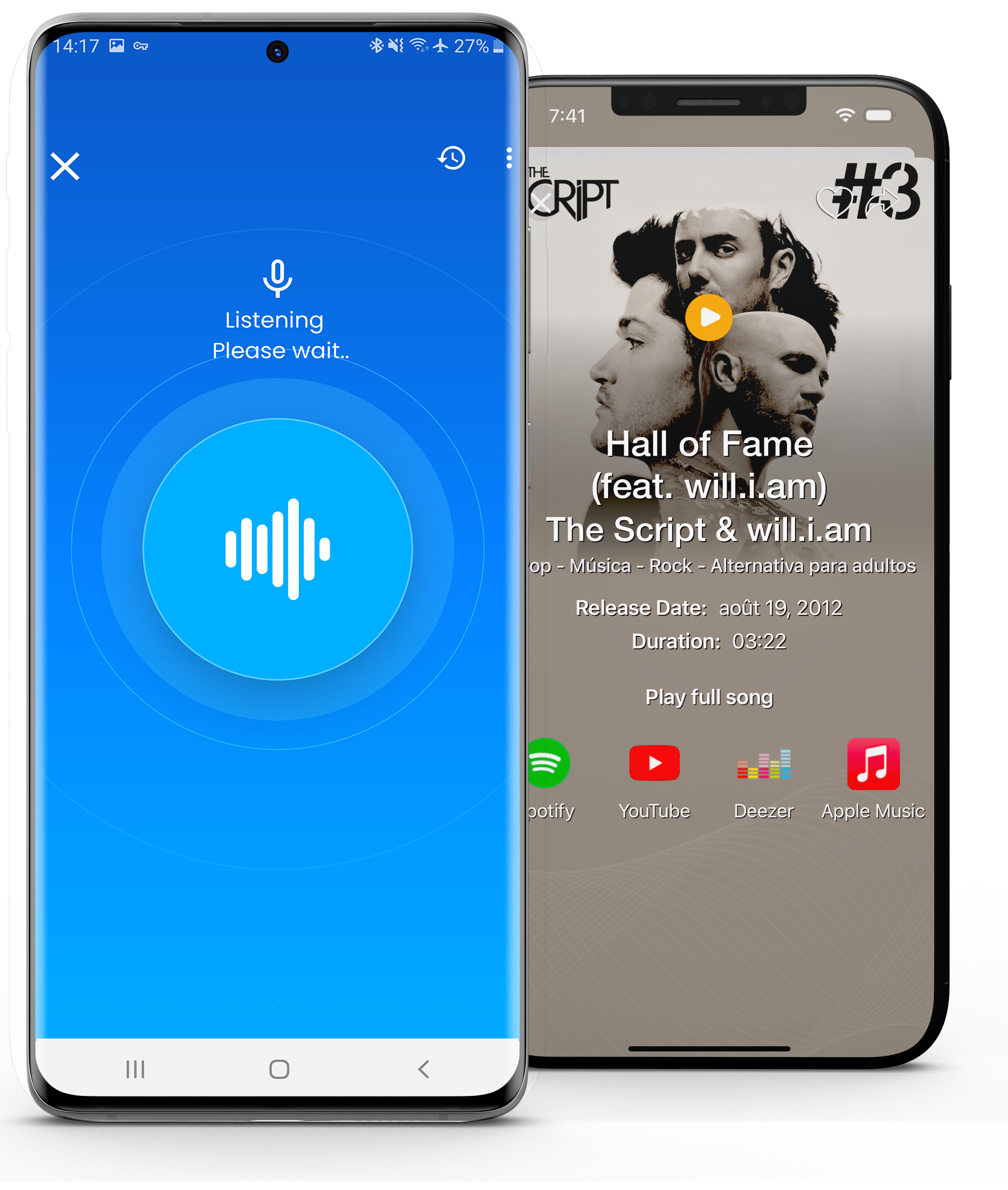
Often synonymous with music identification, Shazam revolutionized the industry when it launched in 2002 (initially as a phone service) and later as a smartphone app. It remains the most popular and widely recognized app for finding songs by sound. Its user-friendly interface requires just a single tap to initiate listening, and within seconds, it typically provides the song title, artist, album, and often links to streaming services, music videos, and lyrics. Shazam’s strength lies in its vast database and highly optimized fingerprinting algorithms, capable of identifying tracks even in noisy environments or from short audio clips. Its integration with Apple Music (following its acquisition by Apple) and other streaming platforms further enhances its utility, allowing users to instantly add identified songs to playlists.
SoundHound: Beyond Recognition to Humming
SoundHound distinguishes itself by offering a unique feature: the ability to identify songs not just by listening to the original audio, but also by humming, singing, or even typing in a few lyrics. This innovative capability is particularly useful when you have a tune stuck in your head but no original audio source is available. SoundHound’s “Hum-to-Search” technology employs sophisticated melodic matching algorithms that can interpret and match user-generated vocalizations against its extensive music database. Beyond this distinctive feature, SoundHound offers robust standard audio recognition, displaying lyrics, artist information, and links to streaming platforms, making it a versatile alternative to Shazam.
Google Assistant/Search: Built-in Convenience
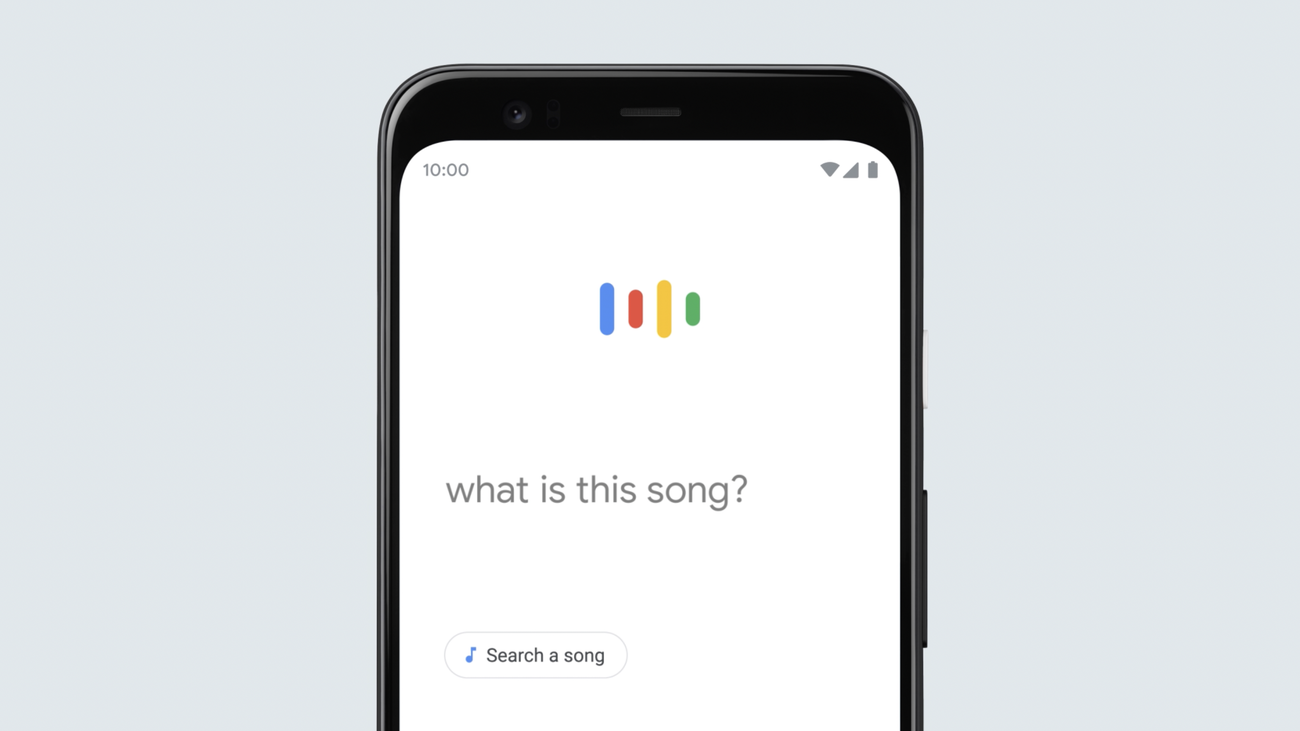
Google has seamlessly integrated song identification capabilities directly into its ecosystem, accessible via Google Assistant and Google Search. Users can simply ask “What’s this song?” or tap the dedicated “Search a song” button within the Google Search app. This feature leverages Google’s immense data processing capabilities and AI to quickly identify tracks. A key advantage here is its ubiquity – if you have an Android phone or use Google services, the functionality is likely already at your fingertips without needing a separate app download. Like SoundHound, Google also offers a “hum to search” feature, allowing users to hum, whistle, or sing a melody to find the song, further expanding its utility.
Siri/Apple Music: Seamless Integration
For Apple users, Siri provides a direct pathway to music identification, powered by Shazam’s technology. By simply asking Siri, “What song is this?” or “Name that tune,” iPhone, iPad, and Mac users can leverage integrated audio recognition. Identified songs can be easily added to an Apple Music library or playlist, creating a frictionless experience for users already invested in the Apple ecosystem. This deep integration means less app switching and a more streamlined workflow from discovery to listening.
Other Niche and Desktop Solutions
While Shazam, SoundHound, and integrated assistants dominate, other tools cater to specific needs or platforms:
- Musixmatch: Primarily known for its comprehensive lyrics database, Musixmatch also offers music identification features, often providing synchronized lyrics in real-time as a song plays.
- Aha Music (Browser Extension): This is a popular browser extension for Chrome that allows users to identify songs playing in their browser tabs or from their computer’s microphone. It’s particularly useful for web-based content like YouTube videos, radio streams, or podcasts.
- Midomi: One of the earlier platforms to offer humming/singing identification online, Midomi (now part of SoundHound) showcased the potential for web-based audio recognition.
How Sound Recognition Technology Works Behind the Scenes
The seemingly magical speed and accuracy of music identification apps are the result of complex engineering and advanced algorithms working in concert. Understanding the core mechanisms reveals the intricate science behind these tools.
Acoustic Fingerprinting: The Core Mechanism
At the heart of most modern song identification systems is acoustic fingerprinting. This process doesn’t store the entire audio file, but rather creates a unique, compact digital summary of a song.
- Feature Extraction: When an audio track is processed for fingerprinting, it’s broken down into short overlapping segments (e.g., 100 milliseconds). For each segment, specific acoustic features are extracted. These features are chosen because they are robust against common audio distortions (noise, compression, volume changes) and unique enough to differentiate between millions of songs. Common features include:
- Spectral Centroid: The “center of mass” of the sound spectrum, indicating brightness.
- Spectral Flux: How quickly the power spectrum of a signal is changing, related to onset of notes.
- Mel-Frequency Cepstral Coefficients (MFCCs): Represent the short-term power spectrum of a sound, widely used in speech recognition.
- Pitch Contours and Harmonic Structure: Analysis of fundamental frequencies and overtones.
- Fingerprint Generation: These extracted features are then combined and often reduced in dimensionality to create a unique “fingerprint” – a sequence of numerical values or a hash. This fingerprint acts like a barcode for the song. For example, some systems create “constellation maps” where prominent peaks in the spectrogram (time-frequency plot) are identified as anchor points, and relationships between these points form the fingerprint.
Database Matching and Algorithms
Once a fingerprint is generated, the system needs to compare it against a massive database of pre-indexed song fingerprints. This is where efficient search algorithms come into play.
- Indexing: The fingerprints of millions of songs are stored in a highly optimized database, often using data structures designed for rapid retrieval, such as hash tables or specialized tree structures. Each fingerprint is linked to the song’s metadata (artist, title, etc.).
- Query Fingerprint Generation: When a user records a snippet of an unknown song, the same fingerprinting process is applied to this short audio query.
- Matching: The generated query fingerprint is then rapidly compared against the entire database. Due to potential noise, variations in recording, and the brevity of the query, an exact match is rare. Instead, algorithms look for a high degree of similarity or a significant overlap of fingerprint segments. Techniques like locality-sensitive hashing (LSH) or approximate nearest neighbor (ANN) search are often employed to find similar fingerprints efficiently, even in high-dimensional spaces.
- Time Alignment and Verification: If a potential match is found, further verification steps might be taken, such as time alignment of the query fingerprint against the candidate song’s fingerprint to confirm that the sequence of acoustic features aligns consistently over time. This helps prevent false positives.
Dealing with Noise and Variations
One of the greatest challenges in sound recognition is dealing with real-world audio, which is rarely pristine. Background chatter, traffic noise, poor microphone quality, or even different versions of a song can all introduce significant variations.
- Robust Feature Extraction: As mentioned, features are chosen specifically for their robustness against noise and compression.
- Signal Pre-processing: Before fingerprinting, audio samples often undergo pre-processing steps like noise reduction, equalization, and normalization to enhance the signal-to-noise ratio and standardize audio characteristics.
- Algorithm Tolerance: Matching algorithms are designed with a degree of tolerance, allowing for slight discrepancies between the query and database fingerprints. They don’t require a perfect, bit-for-bit match but rather a statistically significant similarity.
- Machine Learning Models: AI models excel at learning to distinguish relevant musical features from irrelevant noise patterns, making them highly effective in challenging acoustic environments. They can be trained on datasets that specifically include noisy audio samples to improve their resilience.
Beyond Basic Identification: Advanced Use Cases and Tips
Modern sound recognition goes beyond merely naming a song; it offers a suite of functionalities and best practices that enhance the user experience and extend its utility.
Identifying Songs from Live Performances or Poor Audio
While designed for studio-quality tracks, sound recognition apps can often identify songs from live recordings or audio with significant background noise, albeit with varying success rates.
- Tips for Success:
- Minimize Background Noise: If possible, move closer to the sound source or to a quieter area.
- Ensure Sufficient Duration: Provide at least 5-10 seconds of clear audio if possible.
- Try Multiple Apps: If one app fails, another might succeed due to differences in their databases or algorithms. Shazam and SoundHound often perform well in these scenarios due to their robust design.
- Focus on Distinctive Parts: Try to capture portions with prominent melodies or unique instrumentation.
Using Lyrics or Humming When Sound Fails
Sometimes, audio quality is too poor, or you only remember a fragment of a melody.
- Lyrics Search: If you recall even a few words, a standard web search with those lyrics (often combined with “lyrics” or “song”) can be incredibly effective. Dedicated lyrics sites like Musixmatch or Genius can also be powerful tools.
- Humming/Singing: For tunes stuck in your head, SoundHound and Google’s “hum to search” feature are invaluable. Try to hum or sing the melody as clearly and on-key as possible, focusing on the main melodic line. Even a rough approximation can sometimes yield results.
Integrating with Streaming Services and Playlists
A major convenience of modern song identification apps is their integration with popular streaming services.
- Seamless Playback: Most apps offer direct links to play the identified song on platforms like Spotify, Apple Music, YouTube Music, or Amazon Music.
- Playlist Management: You can often automatically add identified songs to a dedicated “Shazamed” or “Discovered” playlist within your preferred streaming service, making it easy to revisit and save new finds. This creates a personal history of your musical discoveries.
- Social Sharing: Identified songs can easily be shared across social media platforms or with friends directly from the app, fostering musical discovery within your network.
Troubleshooting Common Issues
Even with advanced technology, users might encounter issues.
- “No Result Found”: This can happen if the song isn’t in the app’s database, the audio quality is too poor, or the snippet is too short. Try again with a longer, clearer segment, or switch apps.
- Incorrect Identification: Rare, but possible. Usually, it’s a close but incorrect match. This often indicates very noisy audio or a song with a highly similar melodic structure. Double-check the identified song against your memory.
- Microphone Access: Ensure the app has permission to access your device’s microphone.
- Internet Connection: While some apps might store a query to process later, an active internet connection is almost always required for database lookup.
The Future of Audio Recognition
The journey of sound recognition technology is far from over. Continuous advancements in AI, processing power, and data management promise even more sophisticated and integrated experiences.
Enhanced Accuracy and Speed
As AI models become more powerful and datasets grow larger, we can expect even higher accuracy in song identification, even in challenging environments. Real-time recognition with minimal latency will become standard, identifying songs almost instantaneously as they begin to play. Future algorithms might better handle complex musical arrangements, variations in performance (live versions, remixes), and even differentiate between different covers of the same song with greater precision.
Real-time Contextual Awareness
Beyond simple identification, future systems could offer richer contextual insights. Imagine an app not only telling you the song’s name but also providing details about the performer’s current tour dates, similar artists playing nearby, or even the historical context of the song’s creation, all in real-time. Audio recognition could integrate with augmented reality, allowing users to point their phone at a live performance and instantly get information about the band, instrumentals, or even ticket sales. Personalization will deepen, with systems learning user preferences based on identified songs and proactively suggesting new music or related content.

Ethical Considerations and Data Privacy
As audio recognition technology becomes more pervasive, ethical considerations surrounding data privacy will become increasingly important. Questions about how ambient audio is collected, stored, and used will need to be addressed. Developers will need to ensure transparency in data handling, provide clear consent mechanisms, and implement robust security measures to protect user privacy. Striking a balance between innovative features and individual privacy rights will be a critical challenge and a defining characteristic of the next generation of sound recognition tools.
In conclusion, finding a song by sound has transformed from a tedious quest into an accessible and instantaneous process, thanks to the relentless march of technological progress. From the foundational principles of acoustic fingerprinting to the cutting-edge applications of AI and machine learning, these tools have fundamentally changed how we interact with and discover music. As technology continues to evolve, we can anticipate an even more intuitive, accurate, and deeply integrated experience, forever altering our relationship with the sonic world around us.
aViewFromTheCave is a participant in the Amazon Services LLC Associates Program, an affiliate advertising program designed to provide a means for sites to earn advertising fees by advertising and linking to Amazon.com. Amazon, the Amazon logo, AmazonSupply, and the AmazonSupply logo are trademarks of Amazon.com, Inc. or its affiliates. As an Amazon Associate we earn affiliate commissions from qualifying purchases.