
For investors, analysts, and market watchers alike, the earnings report of a company like Super Micro Computer, Inc. (SMCI) isn’t just a quarterly formality; it’s a pivotal moment. These reports offer a transparent look into a company’s financial health, operational efficiency, and future prospects, often acting as significant catalysts for stock price movements. In today’s dynamic market, where technology and AI advancements are driving unprecedented growth, understanding the timing and implications of SMCI’s earnings is more crucial than ever.
SMCI has emerged as a prominent player in the high-performance server and storage solutions market, particularly benefiting from the explosive demand for AI infrastructure. Its stock has experienced remarkable volatility and growth, making each earnings announcement a high-stakes event. This article delves into how to pinpoint SMCI’s next earnings date, what key metrics to scrutinize, and how investors can strategically approach these announcements to inform their financial decisions.

Understanding Earnings Reports: Why They Matter for Investors
Earnings reports are among the most anticipated disclosures in the financial calendar, providing a comprehensive update on a company’s performance over the preceding quarter. They are more than just numbers; they tell a story about a company’s past, present, and potential future trajectory.
What Are Earnings Reports?
An earnings report, also known as a quarterly report, is a public statement released by a company, typically four times a year, detailing its financial results for a specific three-month period. These reports include key financial statements such as the income statement, balance sheet, and cash flow statement. Crucially, they also provide metrics like earnings per share (EPS), revenue, net income, and often, forward-looking guidance from management regarding future performance expectations.
For companies like SMCI, which operates in a highly cyclical and technology-driven sector, these reports also frequently contain updates on product pipelines, market share, strategic partnerships, and commentary on macroeconomic conditions impacting their business. The narrative provided by management during the accompanying conference call can be as important as the raw data, offering context, insights into challenges, and opportunities.
The Impact on Stock Prices and Market Sentiment
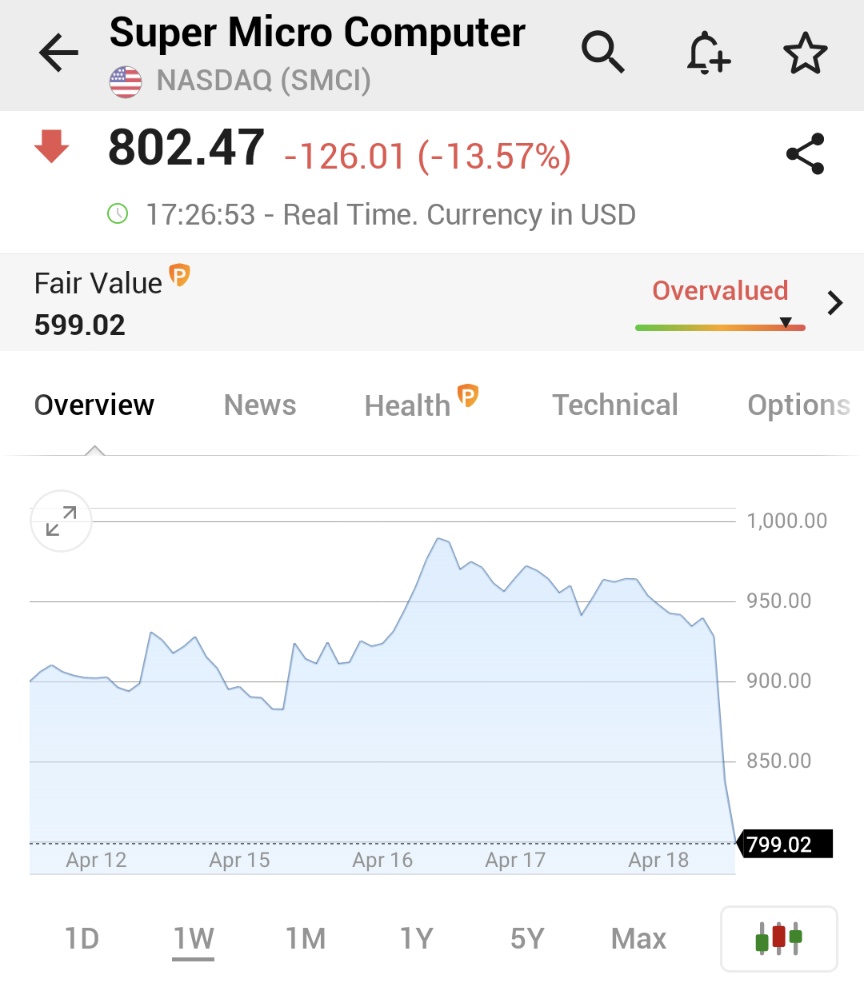
The release of an earnings report is almost always a catalyst for significant stock price movement, whether positive or negative. Before the announcement, investors and analysts develop expectations for key metrics. When the actual results “beat” or “miss” these consensus estimates, the stock can react sharply. A beat can send shares soaring, while a miss can trigger a sell-off.
Beyond the headline EPS and revenue figures, market sentiment is heavily influenced by the company’s guidance for the upcoming quarter or fiscal year. Positive outlooks on future growth, profitability, and market demand can instill confidence and drive investor interest, even if current results are mixed. Conversely, a cautious or lowered outlook, regardless of a strong past quarter, can dampen enthusiasm. For a growth stock like SMCI, which is valued on its future potential, guidance often carries even more weight than past performance. The “whisper numbers” – unofficial, often higher expectations among traders – can also play a role, setting an even higher bar for companies to clear.
Key Metrics to Watch Beyond the Headline Numbers
While EPS and revenue grab headlines, a savvy investor looks deeper into the report for a more holistic understanding of SMCI’s performance and underlying health.
- Gross Margin: This indicates the percentage of revenue left after deducting the cost of goods sold. For a hardware-centric company like SMCI, strong gross margins suggest efficient production, pricing power, and a desirable product mix. Declining margins could signal increased competition or rising input costs.
- Operating Expenses: Beyond direct production costs, how efficiently is SMCI managing its research and development (R&D), sales and marketing (SG&A), and administrative costs? Controlled operating expenses relative to revenue growth are a sign of efficient management.
- Net Income and Free Cash Flow (FCF): While net income shows profitability, FCF – the cash a company generates after accounting for cash outflows to support operations and maintain its capital assets – is often considered a truer measure of financial health. It indicates a company’s ability to fund growth, pay down debt, or return capital to shareholders.
- Backlog and Bookings: Especially relevant for companies with large, project-based sales, a growing backlog (orders received but not yet delivered) can signal future revenue strength and demand.
- Guidance (Forward-Looking Statements): As mentioned, management’s outlook on future revenue, EPS, and capital expenditures is critical. Pay attention to any changes from previous guidance and the reasoning behind them, as this directly informs future valuation models.
- Inventory Levels: For a hardware company, managing inventory is key. High inventory levels could signal slowing demand or overproduction, while excessively low levels might indicate an inability to meet demand, potentially impacting future sales.
Pinpointing SMCI’s Next Earnings Release Date
Knowing when SMCI will report its earnings is the first step in preparing for the event. While the exact date can sometimes be fluid, companies typically follow a predictable schedule, and the information is readily available through various official and unofficial channels.
Official Sources: Investor Relations and SEC Filings
The most reliable source for SMCI’s earnings date and related materials is the company itself.
- SMCI Investor Relations Website: Navigate to the “Investor Relations” section on SMCI’s official website. Here, companies typically maintain a dedicated page for financial events, including a calendar of upcoming earnings calls, webcasts, and the release of their quarterly reports. They will often pre-announce the date and time of the earnings release and conference call several weeks in advance.
- SEC Filings (EDGAR): For a publicly traded company like SMCI, all significant financial disclosures, including quarterly reports (Form 10-Q) and annual reports (Form 10-K), are filed with the U.S. Securities and Exchange Commission (SEC). While the 10-Q is filed after the earnings release, the company will typically file an 8-K form announcing the earnings release date and the accompanying press release. The SEC’s EDGAR database is a public and free resource to access these filings.
These official sources not only provide the date but also link directly to the press release, investor presentation slides, and the webcast of the earnings call, allowing for direct access to the primary information.
Financial Calendars and News Aggregators
For convenience, numerous financial news websites and brokerage platforms aggregate earnings dates for thousands of companies.
- Major Financial News Outlets: Websites like Bloomberg, Reuters, Yahoo Finance, Google Finance, CNBC, and The Wall Street Journal all have dedicated sections for earnings calendars. You can typically search for “SMCI” and find its upcoming earnings date alongside analyst estimates.
- Brokerage Platforms: Most online brokerage accounts offer research tools that include earnings calendars. These can be particularly useful as they integrate with your trading platform, providing a seamless experience for monitoring stocks you own or are considering.
- Specialized Financial Data Providers: Services like Zacks Investment Research, EarningsWhispers, and Finviz often provide detailed earnings calendars, historical earnings data, and analyst consensus estimates, which can be valuable for pre-earnings research.
While these aggregators are convenient, it’s always good practice to cross-reference with SMCI’s official investor relations page for the most definitive information, especially as dates can occasionally be subject to minor changes.
Historical Patterns and Forward Guidance
Companies often adhere to a relatively consistent schedule for their quarterly reports. By looking at SMCI’s past earnings release dates, you can often predict a general window for the upcoming announcement. For instance, if SMCI consistently reports in the third or fourth week of January, April, July, and October, it provides a strong indication of when the next report might fall.
Additionally, during previous earnings calls, management might provide a general timeframe for the next report. For example, they might say, “We expect to report our second-quarter results in late April.” This type of forward guidance, while not a precise date, helps narrow down the possibilities. Understanding these patterns can help investors anticipate the earnings season and allocate time for research and analysis.
Analyzing SMCI’s Financial Health and Growth Prospects
Beyond the numbers, understanding the context of SMCI’s business—its market position, technological advantages, and operational challenges—is crucial for interpreting its earnings reports effectively.
Revenue Growth and Profitability Trends
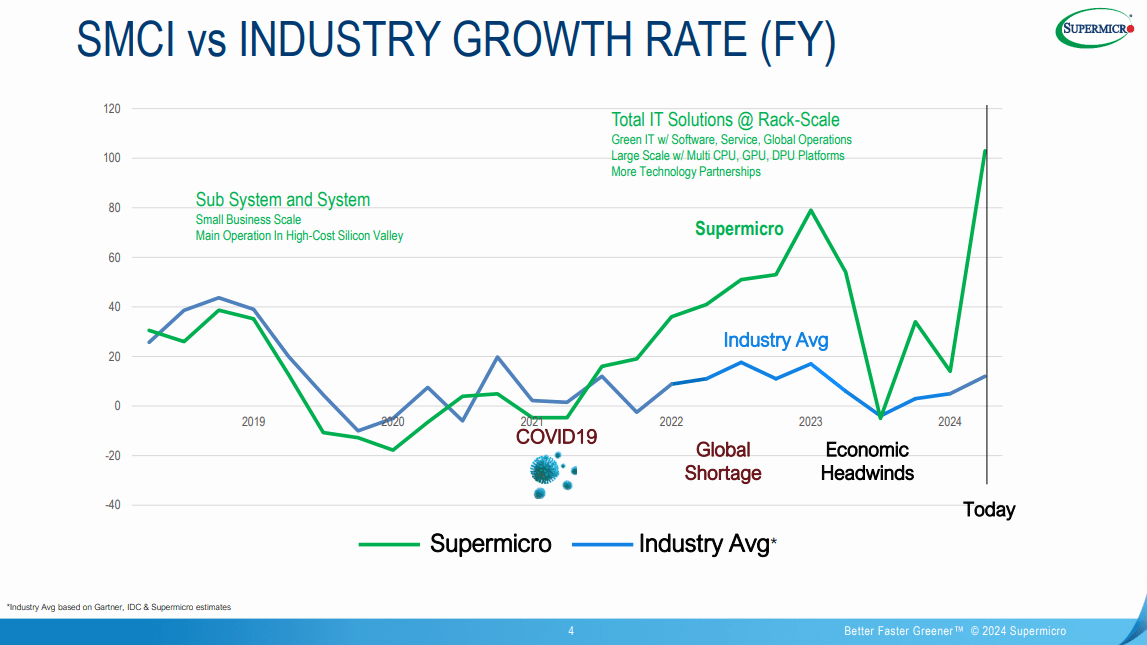
SMCI’s growth trajectory has been significantly tied to the burgeoning demand for AI infrastructure. Investors will scrutinize revenue growth rates to see if the company is effectively capitalizing on this trend. High double-digit or even triple-digit revenue growth has been a hallmark of its recent performance. Consistency in this growth, or acceleration, would signal continued market leadership.
Profitability, measured by gross margins and net income, will indicate how efficiently SMCI is converting its sales into profit. Given the competitive nature of the hardware industry, maintaining or expanding margins suggests strong product differentiation, effective cost management, and perhaps pricing power derived from its specialized solutions for AI. Any significant erosion in margins would warrant careful investigation, potentially pointing to increased competition, component cost pressures, or a shift in product mix towards lower-margin offerings. Analysts will also look for operating leverage, meaning that operating income grows faster than revenue, indicating improved efficiency as the company scales.
The Role of AI in SMCI’s Performance
SMCI’s strategic alignment with the AI boom is arguably its most significant growth driver. The company’s focus on high-performance, energy-efficient server and storage solutions tailored for AI, machine learning, and deep learning applications has positioned it uniquely. Investors will be keen to hear updates on:
- AI-specific product lines: Are new generations of servers optimized for the latest AI accelerators being launched?
- Customer adoption: Who are the key customers driving AI demand, and is SMCI gaining market share in critical segments like data centers and cloud providers?
- Supply chain resilience: Given the complexity and high demand for AI components (like GPUs), how is SMCI managing its supply chain to ensure timely delivery and avoid bottlenecks? Any commentary on component availability or pricing will be critical.
- Strategic partnerships: Collaborations with leading chip manufacturers (e.g., NVIDIA, Intel, AMD) are vital. Updates on these partnerships can signal future product innovation and market opportunities.
The degree to which SMCI can maintain its leadership and innovation in the rapidly evolving AI hardware space will heavily influence its long-term financial health and growth prospects.
Competitive Landscape and Future Outlook
The server and storage market is highly competitive, with established players and new entrants vying for market share. SMCI’s earnings reports and subsequent management commentary provide insights into its competitive positioning.
- Market Share: Is SMCI gaining or losing ground against rivals like Dell, HP Enterprise, and specialized cloud infrastructure providers?
- Innovation: What is the company’s pipeline for new products and technologies? Continuous innovation is critical in tech to maintain a competitive edge.
- Geographic Expansion: Is SMCI expanding its footprint into new regions or growing its presence in key international markets?
- Macroeconomic Headwinds/Tailwinds: How is the broader economic environment impacting demand for enterprise hardware? Factors like interest rates, global supply chain stability, and corporate IT spending trends all play a role.
SMCI’s future outlook will also depend on its ability to diversify beyond pure AI hardware, perhaps into software-defined infrastructure or other high-growth segments, to ensure sustainable long-term growth. Management’s forward guidance and their strategic commentary during the earnings call are indispensable for understanding these dynamics.
Strategic Investing Around Earnings Season
Earnings season is often characterized by heightened volatility, making it a period of both significant opportunity and increased risk for investors. Approaching SMCI’s earnings with a clear strategy is paramount.
Pre-Earnings Volatility and Risk Management
Leading up to an earnings report, SMCI’s stock price can often experience increased volatility. This is driven by anticipation, speculation, and the positioning of institutional investors and traders.
- Risk of “Guessing”: Attempting to “guess” earnings outcomes is a high-risk endeavor. The market often overreacts to small deviations from expectations. Even a seemingly good report might be met with selling if the “whisper numbers” were higher or guidance is weak.
- Options Strategies: Some investors use options strategies (e.g., buying straddles or strangles) to profit from increased volatility, regardless of the direction of the stock move. However, these strategies come with their own risks, including time decay and the need for significant price movement to overcome premium costs.
- Hedging: For existing shareholders, hedging strategies, such as buying put options, can provide downside protection against a negative earnings reaction, though they add to costs and cap upside potential.
- Reducing Position Size: For those uncomfortable with pre-earnings speculation, reducing position size before the announcement can mitigate potential losses from an adverse reaction.
- “Buy the Rumor, Sell the News”: This common market adage suggests that a stock’s price might run up in anticipation of good news (the “rumor”) and then fall after the actual announcement (the “news”), even if the news is positive, as traders take profits.
For most long-term investors, the best strategy is often to avoid making significant trades immediately before an earnings report unless they have a deeply researched conviction and are prepared for short-term fluctuations.
Post-Earnings Analysis and Decision Making
Once SMCI’s earnings report is released, the real work begins. The immediate market reaction is often emotional and driven by algorithmic trading. A more thoughtful analysis involves:
- Reviewing the Full Report and Call Transcript: Don’t just rely on headlines. Read the official press release, the 10-Q filing (when available), and listen to or read the transcript of the earnings conference call. Pay attention to management’s tone, their answers to analyst questions, and any forward-looking statements.
- Comparing to Consensus and Your Own Estimates: How did the reported numbers stack up against analyst consensus estimates? More importantly, how did they compare to your own pre-earnings financial model and expectations?
- Updating Your Investment Thesis: Re-evaluate your original reasons for investing in SMCI. Do the earnings results and guidance strengthen or weaken your thesis? Has anything fundamentally changed about the company’s competitive position, growth prospects, or management effectiveness?
- Analyzing Analyst Revisions: Post-earnings, analysts will revise their price targets and ratings. While not a sole basis for decision-making, observing the consensus shift can provide insight into institutional sentiment.
- Watching the Follow-Through: Observe how the stock trades in the days and weeks following the initial reaction. Often, the true direction of the stock is established after the initial volatility subsides.
Long-Term vs. Short-Term Trading Strategies
The approach to earnings should differ significantly based on an investor’s time horizon.
- Long-Term Investors: For investors focused on SMCI’s long-term growth potential (multiple years), earnings reports are primarily checkpoints. They should use the information to confirm or adjust their long-term outlook. Short-term volatility is often viewed as noise, or potentially as an opportunity to add to a position at a better price if the underlying fundamentals remain strong. The focus is on the multi-quarter and multi-year trends in revenue, profitability, and market share, rather than a single quarter’s beat or miss.
- Short-Term Traders: Traders, on the other hand, actively seek to capitalize on the volatility around earnings. They might employ specific strategies like scalping, swing trading, or using options to profit from anticipated price movements. This requires a deep understanding of technical analysis, market psychology, and sophisticated risk management, and is generally not recommended for novice investors.
Ultimately, SMCI’s earnings reports are critical data points that inform an investment decision. By understanding what to look for, where to find the information, and how to interpret it within the broader context of the company’s business and the market, investors can make more informed and strategic choices regarding their capital. The pursuit of growth in the AI sector makes SMCI a particularly compelling, albeit sometimes volatile, company to watch during these crucial quarterly disclosures.
aViewFromTheCave is a participant in the Amazon Services LLC Associates Program, an affiliate advertising program designed to provide a means for sites to earn advertising fees by advertising and linking to Amazon.com. Amazon, the Amazon logo, AmazonSupply, and the AmazonSupply logo are trademarks of Amazon.com, Inc. or its affiliates. As an Amazon Associate we earn affiliate commissions from qualifying purchases.