
Embarking on the entrepreneurial journey is a significant step towards financial independence and personal fulfillment. In an ever-evolving economic landscape, identifying the “best” business to start is less about uncovering a secret formula and more about strategically aligning market demand with sustainable financial models and personal capabilities. This article delves into the core principles and promising sectors for new ventures, all viewed through the lens of financial viability, scalability, and long-term income generation.
The concept of a “best” business is inherently subjective, yet it invariably converges on common financial metrics: profitability, low barrier to entry, scalability, and resilience. Whether you’re seeking to build a side hustle into a full-fledged enterprise or launch an innovative startup, understanding the financial underpinnings and market dynamics is paramount to success. We’ll explore how to identify opportunities that offer robust financial returns, leverage modern tools for efficiency, and build a business that not only survives but thrives.
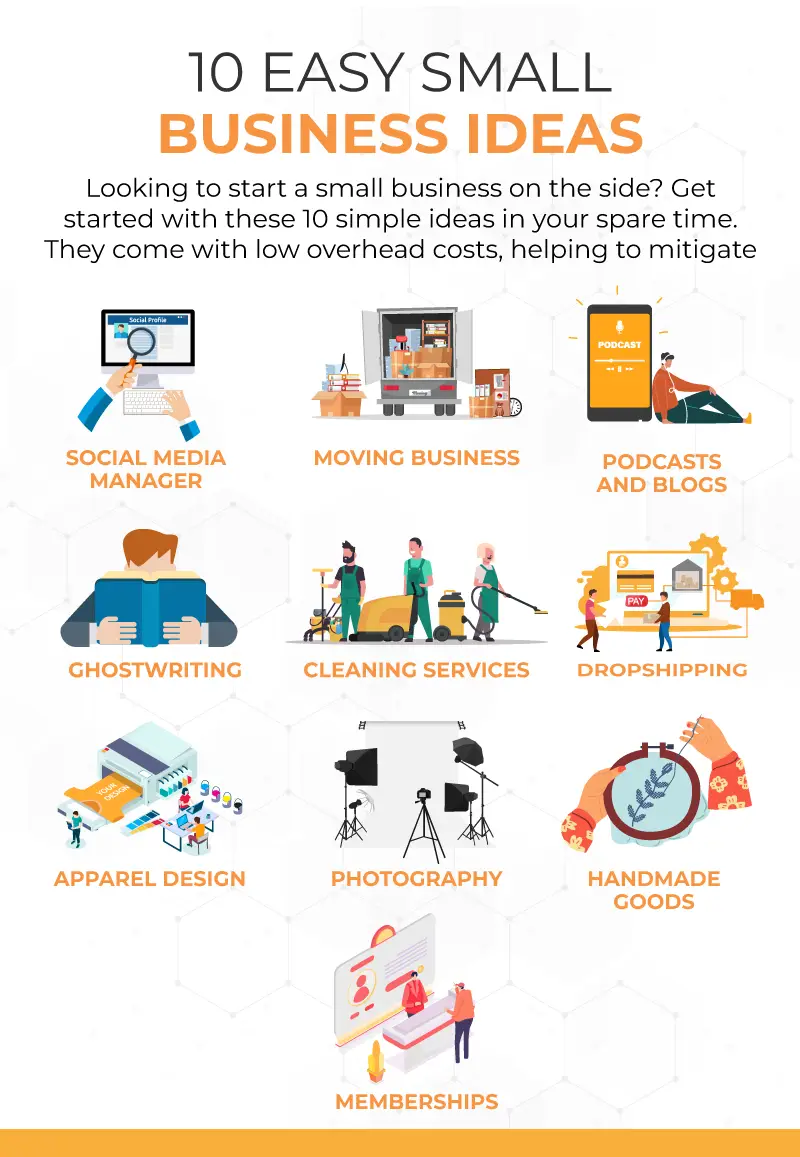
Understanding “Best”: Financial Criteria for Business Success
Before diving into specific business ideas, it’s crucial to define what makes a business “best” from a financial and operational perspective. This foundational understanding will equip aspiring entrepreneurs with a robust framework for evaluating potential ventures. The goal is to identify businesses that offer a strong return on investment (ROI), sustainable revenue streams, and potential for growth without excessive capital outlay or operational complexity.
Market Demand & Problem-Solving
At the heart of any financially successful business is its ability to solve a genuine problem or fulfill a significant need for a specific market segment. Businesses that address pain points with effective, desirable, and accessible solutions inherently attract customers and generate revenue.
- Identifying Gaps: Conduct thorough market research to pinpoint underserved niches, emerging trends, or areas where existing solutions are inadequate or overpriced. Look for patterns in consumer complaints, online forums, and industry reports.
- Value Proposition: Clearly articulate the unique value your business offers. How does your solution stand out? Does it save money, time, or enhance convenience for the customer? A compelling value proposition directly translates into customer willingness to pay, forming the basis of your financial model.
- Paying Customers: Ensure the identified market has the means and willingness to pay for your solution. A great idea without a paying customer base is a hobby, not a business.
Financial Viability & Profit Margins
A business is only “best” if it can consistently generate more revenue than it incurs in costs, leading to healthy profit margins. Understanding your cost structure and potential pricing strategies is non-negotiable.
- Low Startup Costs: Businesses that can be launched with minimal initial investment reduce financial risk and accelerate the path to profitability. This often includes service-based businesses, online ventures, or those leveraging existing assets.
- High-Profit Margins: Prioritize businesses where the cost of goods sold (COGS) or services rendered is low relative to the selling price. Digital products, consulting, software-as-a-service (SaaS), and certain niche services often boast impressive margins.
- Recurring Revenue Models: Subscription models, retainer services, and ongoing maintenance contracts provide predictable income streams, making financial planning more stable and attractive to investors. This steadiness is a hallmark of financial health.
- Cash Flow Management: The ability to manage incoming and outgoing cash efficiently is critical. Businesses with short cash conversion cycles and flexible payment terms are often more resilient.
Scalability and Growth Potential
The “best” businesses are those that can grow significantly without a proportional increase in costs or complexity. Scalability ensures that initial efforts can yield increasingly larger financial returns over time.
- Leveraging Technology: Digital platforms, automation tools, and online distribution channels enable businesses to reach a global audience without needing a physical presence in every market. This drastically reduces expansion costs.
- Replicable Processes: Documenting and standardizing operational procedures allows for efficient training and expansion, whether through hiring new staff, franchising, or licensing.
- Geographic Independence: Online businesses or those offering services remotely have fewer geographical constraints, opening up vast market opportunities for growth.
Personal Passion & Expertise Alignment
While not strictly a financial criterion, aligning your business with your passions, skills, and expertise significantly boosts your chances of success and endurance. Entrepreneurship is challenging, and genuine interest fuels perseverance, innovation, and provides a competitive edge that can translate into superior financial performance.
- Sustainable Motivation: Running a business requires immense dedication. Passion ensures you remain motivated through lean times and continue to innovate.
- Authenticity and Credibility: Your genuine interest and knowledge resonate with customers, building trust and a stronger brand. This authenticity can attract a loyal customer base, contributing to long-term financial stability.
- Leveraging Existing Skills: Building on your existing professional skills or hobbies reduces the learning curve and allows you to offer high-quality services or products from day one, accelerating revenue generation.
Thriving Sectors for New Ventures
Given the criteria for financial success, certain sectors consistently present fertile ground for new businesses. These areas are characterized by strong market demand, evolving consumer needs, and opportunities for innovation, all of which contribute to robust financial prospects.
The Digital Economy: Online Services & E-commerce
The digital realm continues to be a powerhouse for business creation, offering low barriers to entry and vast scalability.
- Online Courses & Digital Products: Leveraging expertise to create courses, e-books, templates, or software tools can generate passive income with high-profit margins. Platforms like Teachable, Thinkific, and Gumroad facilitate distribution.
- E-commerce Niche Stores (Dropshipping/Print-on-Demand): Focusing on highly specific product niches reduces competition and allows for targeted marketing. Dropshipping and print-on-demand models minimize inventory risk and upfront capital, making them financially attractive for new entrepreneurs.
- Freelance Services (Writing, Design, Development, Virtual Assistance): The gig economy continues to expand, creating significant demand for skilled professionals who can offer their services remotely. Platforms like Upwork, Fiverr, and Toptal connect freelancers with clients globally, providing a direct path to online income.
- Affiliate Marketing: Promoting products or services for other companies and earning a commission on sales requires no product creation or inventory management, focusing solely on marketing and content creation, often a low-cost, high-potential income model.
Sustainability & Green Solutions
As environmental consciousness grows, businesses addressing sustainability and eco-friendly practices are experiencing surging demand and financial backing.
- Sustainable Product Retail: Curating and selling eco-friendly alternatives for everyday products (e.g., zero-waste household items, sustainable fashion).
- Renewable Energy Services: Installation and maintenance of solar panels, wind turbines, or energy-efficient systems for homes and businesses.
- Upcycling and Repair Services: Extending the life cycle of products through repair, refurbishment, or creative upcycling taps into a growing consumer desire for sustainable consumption.
- Eco-Consulting: Advising businesses or individuals on reducing their environmental footprint, implementing green practices, or achieving sustainability certifications.

Health, Wellness, and Personalized Services
The focus on personal well-being and individualized care has created a booming market for health and wellness businesses.
- Personalized Fitness & Nutrition Coaching: Offering tailored exercise plans, dietary advice, and wellness programs, often delivered online or through mobile apps, provides high-value service.
- Mental Health & Mindfulness Services: Online therapy, meditation apps, stress management workshops, and coaching for mental well-being are in high demand.
- Home-Based Care for Seniors/Children: With aging populations and dual-income households, the need for reliable, personalized in-home care services continues to grow. This often requires careful financial planning but offers substantial long-term potential.
- Specialized Beauty & Self-Care: Niche beauty services, organic skincare lines, or personalized grooming products cater to specific demographic needs and preferences, often commanding premium pricing.
Niche Education & Skill Development
The demand for continuous learning and skill acquisition, especially in specialized areas, presents a lucrative opportunity.
- Vocational Training & Certifications: Offering courses in high-demand trades, IT skills, digital marketing, or emerging technologies where formal education may lag.
- Language Instruction (Online): Teaching popular or niche languages to a global audience via virtual platforms.
- Professional Development Workshops: Providing workshops and seminars on soft skills, leadership, project management, or specific industry tools for corporate clients or individuals.
- Children’s Enrichment Programs: Offering specialized classes in coding, robotics, arts, or academic tutoring, often with high parental willingness to invest.
Strategic Approaches to Business Launch & Growth
Once a promising sector and business idea have been identified, the next critical step is to develop a strategic plan for launch and sustained growth. This involves meticulous financial planning, efficient resource allocation, and a focus on building a resilient business model that consistently generates income.
Lean Startup Principles & Bootstrapping
Minimizing initial expenditure and proving your concept before significant investment is a financially prudent approach.
- Minimum Viable Product (MVP): Launching with the most basic version of your product or service that still delivers core value. This allows you to test market assumptions, gather customer feedback, and iterate without over-investing in features that may not be desired. This approach conserves capital and reduces financial risk.
- Bootstrapping: Funding your business primarily through personal savings, early sales, and minimal external investment. This maintains full ownership and control, forcing financial discipline and creative problem-solving. It’s often the quickest route to profitability.
- Outsourcing Non-Core Functions: Leveraging freelancers or specialized agencies for tasks like accounting, legal, or advanced web development can be more cost-effective than hiring full-time staff in the early stages, helping to manage payroll and overhead costs.
Effective Financial Planning and Funding
A robust financial plan is the backbone of any successful business. It guides decision-making and ensures long-term sustainability.
- Detailed Business Plan: Develop a comprehensive business plan that includes market analysis, operational strategies, and, crucially, a detailed financial section covering projected income statements, cash flow forecasts, and balance sheets. This plan is essential for securing funding and guiding financial decisions.
- Funding Strategies: Understand various funding options, from self-funding and small business loans to angel investors and venture capital, and choose the one that aligns best with your financial needs and growth ambitions. For many new ventures, starting with grants or micro-loans might be more accessible.
- Pricing Strategy: Develop a pricing model that covers your costs, provides a healthy profit margin, and is competitive within your market. Consider value-based pricing, cost-plus pricing, or tiered models to optimize revenue.
Building a Strong Financial Foundation
Focus on practices that ensure your business remains financially healthy and resilient to market fluctuations.
- Emergency Fund: Just like personal finance, a business emergency fund is vital. Aim to save at least 3-6 months of operating expenses to weather unexpected challenges or economic downturns.
- Debt Management: While debt can fuel growth, managing it wisely is crucial. Prioritize paying off high-interest debts and avoid excessive borrowing that could jeopardize cash flow.
- Regular Financial Review: Routinely review your financial statements, track key performance indicators (KPIs), and adjust your strategies as needed. Proactive financial management can prevent minor issues from becoming major problems.
Diversification and Revenue Streams
Relying on a single source of income can be precarious. Diversifying your revenue streams enhances financial stability.
- Product/Service Expansion: Once your core offering is established, consider complementary products or services. For example, a coaching business might add digital courses, workshops, or merchandise.
- Multiple Customer Segments: Serving different types of clients (e.g., B2C and B2B) can reduce dependence on any single market.
- Geographic Expansion: If your business model allows, expanding into new geographical markets can open up significant new revenue opportunities.
Leveraging Modern Tools for Financial Success
In the digital age, a myriad of tools and technologies can significantly enhance the financial performance of a business by improving efficiency, reducing costs, and enabling smarter decision-making. These are not ends in themselves, but powerful means to achieving financial objectives within your chosen business.
AI and Automation for Efficiency
Artificial intelligence and automation are transforming how businesses operate, offering unprecedented opportunities for cost savings and productivity gains.
- Automated Customer Service: AI-powered chatbots can handle routine inquiries, reducing the need for extensive human customer support and lowering operational costs.
- Marketing Automation: Tools for email marketing, social media scheduling, and ad campaign optimization can streamline outreach efforts, improving ROI on marketing spend by targeting the right audience more effectively.
- Financial Process Automation: Automating tasks like invoicing, expense tracking, payroll, and reconciliation can save countless hours, reduce errors, and free up resources for more strategic financial activities.
- Content Generation: AI tools can assist in generating blog posts, social media captions, or product descriptions, speeding up content creation and reducing marketing costs.
Data Analytics for Informed Decisions
The ability to collect, analyze, and interpret data is a critical asset for optimizing financial outcomes.
- Sales Performance Analysis: Tracking sales data helps identify best-selling products/services, understand purchasing patterns, and predict future revenue, enabling better inventory or resource planning.
- Customer Behavior Insights: Analyzing website traffic, conversion rates, and customer engagement metrics provides valuable insights into what drives purchases, allowing for optimized marketing spend and product development.
- Financial Reporting Tools: Utilizing robust accounting software and analytics platforms provides real-time financial dashboards, enabling quick identification of trends, cost leakages, and profit opportunities. This supports agile financial decision-making.
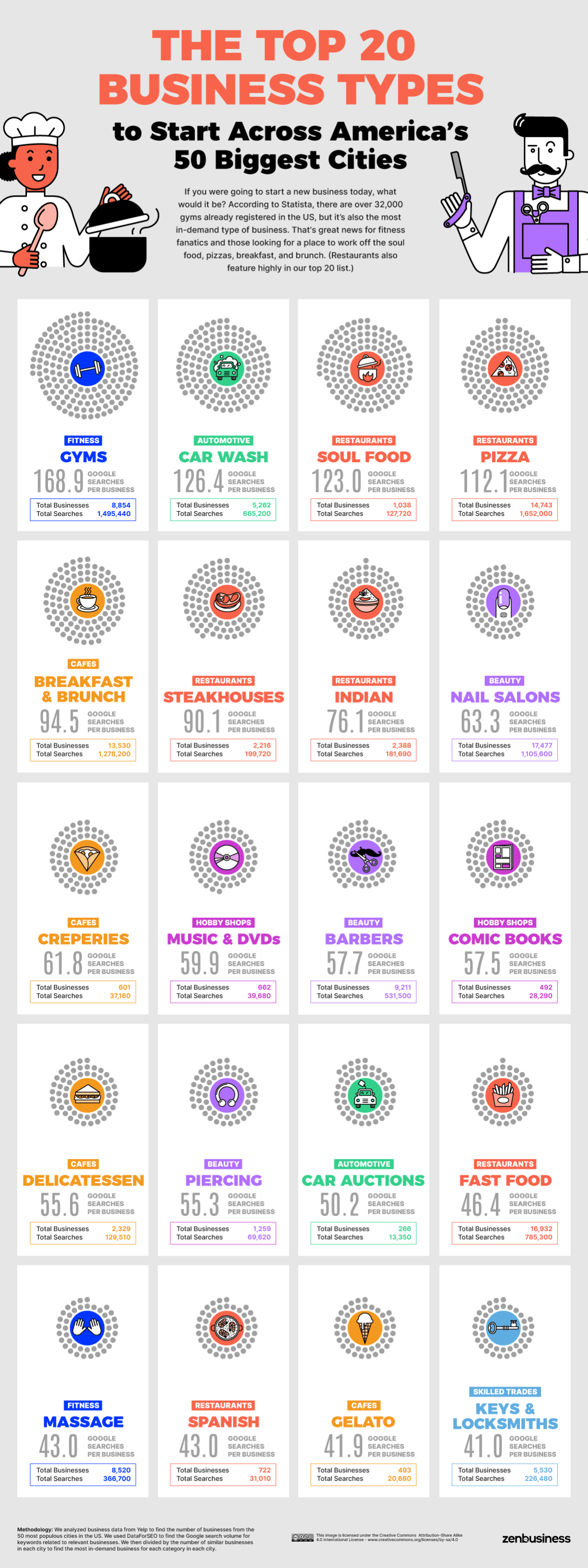
Digital Marketing for Cost-Effective Outreach
Leveraging digital channels is often far more cost-effective than traditional marketing, offering precise targeting and measurable ROI.
- Search Engine Optimization (SEO): Investing in SEO ensures your business appears prominently in organic search results, driving free, high-quality traffic to your website. This is a long-term investment that yields significant returns by reducing reliance on paid advertising.
- Social Media Marketing: Building an engaged community on relevant social platforms can foster brand loyalty and drive sales, often with lower advertising costs compared to traditional media.
- Content Marketing: Creating valuable blog posts, videos, podcasts, and guides attracts and nurtures potential customers, establishing your business as an authority and reducing customer acquisition costs over time.
- Paid Advertising (Google Ads, Social Media Ads): While requiring investment, these platforms offer highly granular targeting options, ensuring your advertising budget is spent on reaching the most relevant audience, thereby maximizing ROI.
Starting a business is an exciting yet challenging endeavor. By meticulously evaluating opportunities based on market demand, financial viability, scalability, and personal alignment, entrepreneurs can significantly increase their chances of success. Focusing on lean operations, strategic financial planning, and leveraging modern digital tools will not only help new ventures navigate the initial hurdles but also position them for sustainable growth and long-term financial prosperity. The “best” business is ultimately one that creates genuine value, generates consistent income, and aligns with your vision for financial independence.
aViewFromTheCave is a participant in the Amazon Services LLC Associates Program, an affiliate advertising program designed to provide a means for sites to earn advertising fees by advertising and linking to Amazon.com. Amazon, the Amazon logo, AmazonSupply, and the AmazonSupply logo are trademarks of Amazon.com, Inc. or its affiliates. As an Amazon Associate we earn affiliate commissions from qualifying purchases.