
For anyone engaging with the stock market, whether a seasoned trader or a budding long-term investor, understanding the operating hours of the New York Stock Exchange (NYSE) is fundamental. It’s more than just knowing a simple closing time; it’s about comprehending the rhythm of the market, anticipating periods of heightened activity or dormancy, and aligning your financial strategies accordingly. The question, “When does the NYSE close today?” is deceptively simple, opening the door to a deeper dive into market mechanics, holiday schedules, extended trading sessions, and the profound implications these have for personal finance, investment decisions, and business operations.
In the fast-paced world of finance, where every second can impact investment outcomes, clarity on market hours is paramount. This guide will meticulously break down the standard operating hours, explore the nuances of special schedules and holidays, explain why these hours matter for your financial strategy, and equip you with the knowledge to stay informed, ensuring your investment approach is always timely and well-considered.
Understanding Standard NYSE Trading Hours
The New York Stock Exchange, the world’s largest stock exchange by market capitalization, operates on a highly structured schedule designed to facilitate orderly trading while allowing for critical backend processes. This predictable rhythm is a cornerstone of market stability and investor confidence.
The Regular Session: The Heartbeat of the Market
The core of NYSE activity occurs during its regular trading session. This period is when the vast majority of price discovery, trade execution, and liquidity are concentrated. For investors and traders alike, these are the hours that typically define the “market day.”
The standard trading hours for the NYSE are:
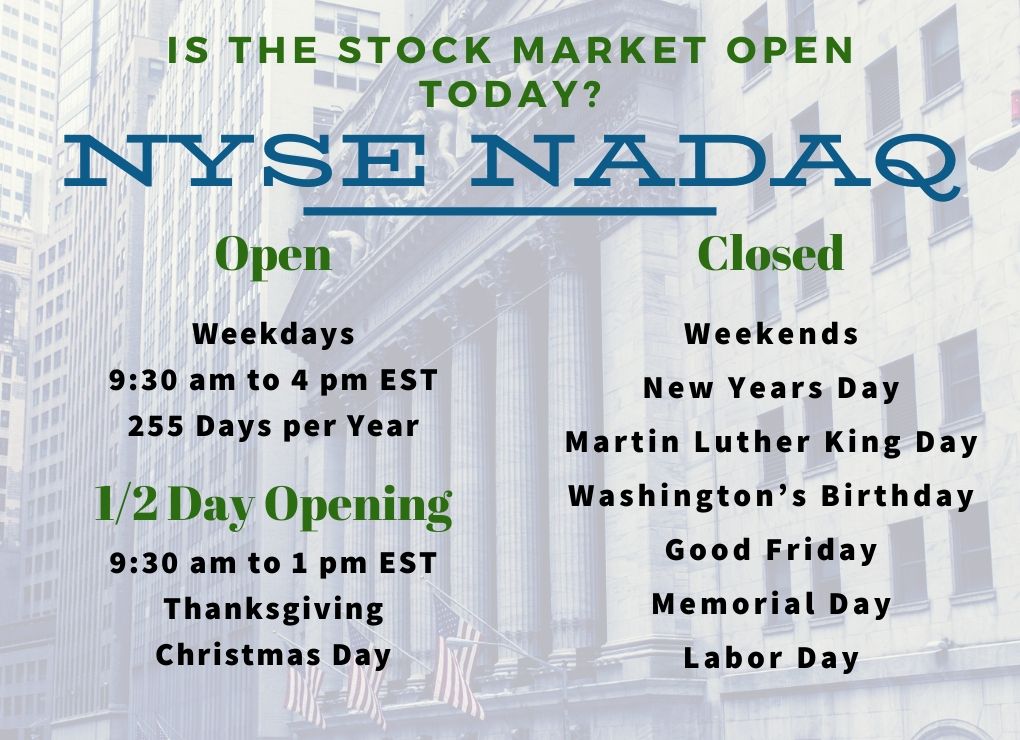
- Opening Bell: 9:30 AM Eastern Time (ET)
- Closing Bell: 4:00 PM Eastern Time (ET)
This 6.5-hour window represents the official time frame during which most market participants engage in buying and selling stocks. It’s a period characterized by intense activity, particularly around the opening and closing bells, often driven by reactions to overnight news, economic data releases, and end-of-day portfolio adjustments. Understanding these core hours is the first step in aligning your investment actions with the market’s pulse. During this time, bid-ask spreads are typically tighter, liquidity is at its highest, and major market-moving news often finds its immediate impact.
Extended Trading: Pre-Market and After-Hours
While the regular session defines the official market day, trading activity doesn’t cease immediately at 4:00 PM ET or strictly begin at 9:30 AM ET. The advent of electronic trading networks has enabled what is known as “extended hours trading,” comprising pre-market and after-hours sessions.
- Pre-Market Trading: This session typically runs from 4:00 AM ET to 9:30 AM ET.
- After-Hours Trading: This session usually extends from 4:00 PM ET to 8:00 PM ET.
These extended hours allow institutional investors, professional traders, and increasingly, retail investors, to react to news that breaks outside of the regular session, such as late-night earnings reports, early morning economic data, or geopolitical developments. However, trading during these times comes with specific considerations. Liquidity is generally lower, meaning fewer buyers and sellers are present. This can lead to wider bid-ask spreads, increased volatility, and potentially less favorable execution prices compared to the regular session. It also means that significant price movements during extended hours might not necessarily hold once the regular session begins, as more market participants enter the fray. For the average investor, participating in extended-hours trading requires a deeper understanding of these dynamics and a higher tolerance for risk.
The Rationale Behind Fixed Hours: More Than Just Tradition
In an increasingly interconnected and always-on world, one might wonder why the NYSE doesn’t operate 24/7 like some other global markets or cryptocurrencies. The fixed trading hours are not merely a relic of the past; they serve several crucial functions vital for market integrity and participant well-being.
Firstly, fixed hours provide a period of settlement and processing. The clearing and settlement of trades, risk management calculations, and other administrative tasks require a window when the market is not actively trading. Secondly, they allow market participants — from individual investors to institutional fund managers — time for reflection, research, and planning. This downtime is critical for digesting news, analyzing market trends, and formulating strategies without the immediate pressure of active trading. Thirdly, concentrated trading hours promote liquidity and efficient price discovery. By funneling all trading activity into a specific window, the NYSE ensures that a robust pool of buyers and sellers are present, leading to tighter spreads and more accurate pricing. Finally, fixed hours offer a degree of market stability and human oversight. While electronic systems manage much of the trading, human intervention, and strategic decisions from market makers and specialists remain vital, and these require predictable working hours.
Navigating Special Trading Schedules and Market Holidays
The NYSE’s schedule is not always static. Certain federal holidays and specific events can lead to full market closures or shortened trading sessions, which are crucial for all market participants to be aware of.
Federal Holidays and Market Closures
The NYSE generally observes most United States federal holidays, meaning the market is completely closed on these days. It’s imperative for investors to consult an up-to-date market holiday calendar, usually provided by brokerage firms or financial news sites, to avoid surprises. Common federal holidays observed by the NYSE include:
- New Year’s Day (January 1st)
- Martin Luther King, Jr. Day (Third Monday in January)
- Presidents’ Day/Washington’s Birthday (Third Monday in February)
- Good Friday (Friday before Easter)
- Memorial Day (Last Monday in May)
- Juneteenth National Independence Day (June 19th)
- Independence Day (July 4th)
- Labor Day (First Monday in September)
- Thanksgiving Day (Fourth Thursday in November)
- Christmas Day (December 25th)
When these holidays fall on a weekend, the NYSE typically observes them on the closest weekday (e.g., if Christmas Day is a Sunday, the market might close on Monday, December 26th). Full market closures mean no trading, no order execution, and no price movements. For anyone managing investment portfolios, it’s a day to pause, reflect, and perhaps rebalance strategies without the immediate pressure of market activity.
Early Closures and Half-Day Sessions
Beyond full closures, the NYSE occasionally operates on a shortened schedule, referred to as an “early close” or “half-day session.” These typically occur in proximity to certain holidays, allowing for some trading while providing staff and market participants an extended break.
Common days for early closures include:
- Day Before Independence Day (often closes at 1:00 PM ET if it’s a weekday)
- Day After Thanksgiving (Black Friday) (often closes at 1:00 PM ET)
- Christmas Eve (if it falls on a weekday, often closes at 1:00 PM ET)
During these shortened sessions, the market functions normally until the early closing time. Liquidity might still be robust, but volume can sometimes taper off closer to the early close. It’s vital to remember that an early close still means the regular trading session has ended, and any orders placed after this time would be queued for the next full trading day. For short-term traders, these shortened sessions require vigilance, as market dynamics can shift rapidly in concentrated periods. For long-term investors, it’s a reminder to ensure any planned transactions are executed well before the early bell.
Impact of Regional vs. Federal Holidays

It’s also important to distinguish between broadly recognized federal holidays and those that might be observed regionally or by specific entities. The NYSE adheres strictly to its own calendar, which primarily mirrors federal holidays. For example, while Columbus Day (Second Monday in October) and Veterans Day (November 11th) are federal holidays, the NYSE typically remains open for regular trading on these days. This distinction is important for investors who might mistakenly assume all federal holidays warrant a market closure. Always refer to the official NYSE holiday schedule to confirm trading status.
Why Market Hours Matter for Your Financial Strategy
Understanding NYSE operating hours isn’t just about calendar management; it’s a critical component of informed financial strategy. These hours profoundly impact everything from trade execution to portfolio performance and risk management.
Price Discovery and Volatility
Market opening and closing hours are often periods of heightened volatility and significant price movements. The opening bell can see a surge of activity as accumulated overnight news and pre-market trading sentiment translate into official market prices. Similarly, the closing bell can witness a flurry of trades as institutional investors rebalance portfolios, settle positions, or react to late-day news. For day traders, these periods are opportunities, but for long-term investors, they can introduce noise and potentially lead to emotional decisions if not understood. Being aware of these volatile windows allows investors to strategically place orders or, conversely, to avoid trading during times when prices might be less stable.
Order Execution and Liquidity
Liquidity refers to the ease with which an asset can be converted into cash without affecting its market price. During the standard NYSE trading hours, liquidity is generally at its peak. This means there’s a deep pool of buyers and sellers, leading to tighter bid-ask spreads and better chances of your order being executed at or near your desired price.
Conversely, extended trading hours (pre-market and after-hours) often suffer from lower liquidity. With fewer participants, bid-ask spreads can widen considerably, making it more expensive to buy and sell. A large order placed during illiquid times can disproportionately impact the stock’s price, leading to less favorable execution. For most retail investors, it’s often advisable to execute significant trades during regular market hours to benefit from optimal liquidity and price discovery, especially when dealing with less frequently traded stocks.
News Reaction and Strategic Timing
News — ranging from company-specific earnings reports and product announcements to broader economic data and geopolitical events — drives market sentiment. Often, critical news is released outside of regular market hours to give investors and analysts time to digest the information. The immediate reaction to such news often plays out during pre-market or after-hours trading, but the full impact is typically seen at the opening of the next regular session.
Understanding this dynamic allows investors to time their reactions strategically. For instance, if a company reports disappointing earnings after the close, its stock might drop significantly in after-hours trading. An investor holding that stock needs to decide whether to sell immediately (potentially at a wider spread and lower price) or wait until the next day’s open, when more liquidity might be present, but the initial shock could be more pronounced. This concept of “overnight risk” is a crucial consideration for anyone holding positions when the market is closed.
Personal Finance Implications for Investors
For personal finance, recognizing market hours translates into smarter investment planning. It allows individuals to:
- Plan Research Time: Utilize off-market hours for thorough research and analysis without the pressure of live market fluctuations.
- Avoid Emotional Decisions: Steer clear of knee-jerk reactions to news during illiquid extended hours, which can often lead to suboptimal trades.
- Optimize Order Placement: Place limit orders during regular hours to ensure better price execution and manage risk.
- Manage Cash Flow: Align income generation (e.g., side hustles for investing capital) with planned investment opportunities, knowing when the market is accessible.
Tools and Best Practices for Staying Informed
In today’s digital age, staying informed about NYSE closing times and holiday schedules has never been easier. Leveraging the right tools and adopting best practices can significantly enhance your investment intelligence.
Reliable Sources for Market Schedules
The first step is to identify and consistently utilize trustworthy sources for market information.
- Brokerage Platforms: Most online brokerage platforms (e.g., Fidelity, Charles Schwab, E*TRADE, Robinhood) integrate real-time market status and upcoming holiday schedules directly into their dashboards or notifications. These are often the most convenient sources for active investors.
- Official NYSE Website: The New York Stock Exchange’s official website (nyse.com) provides the definitive calendar for market holidays and early closures. This is the most authoritative source.
- Financial News Outlets: Reputable financial news websites (e.g., The Wall Street Journal, Bloomberg, Reuters, CNBC) consistently publish and update market holiday calendars and announcements regarding special trading hours.
- Investing Apps: Many popular investing apps offer push notifications or in-app alerts for market opens, closes, and holiday schedules.
By cross-referencing these sources, especially for critical dates, investors can ensure they have accurate and timely information.
Setting Up Alerts and Notifications
Beyond passively checking calendars, proactive notification systems can be invaluable. Many financial tools and platforms offer customizable alerts:
- Brokerage Account Alerts: Configure your brokerage account to send email or mobile notifications for market open/close, holiday announcements, or even specific stock price movements during market hours.
- Financial News Apps: Download apps from your preferred financial news sources and enable push notifications for “market news” or “trading alerts.”
- Calendar Integration: Add NYSE holiday schedules to your personal digital calendar (Google Calendar, Outlook Calendar). Many financial sites offer ICS files for easy import.
- Custom Watchlists: Some advanced trading platforms allow you to set up alerts for specific stocks that consider market open/close times, useful for managing positions around the bell.
These automated reminders ensure you’re always aware of changes to the market’s operating rhythm, even when not actively monitoring the news.
The Importance of a Trading Calendar
For serious investors and traders, maintaining a dedicated “trading calendar” is a highly recommended best practice. This can be a physical planner or a digital calendar specifically marked with:
- NYSE Standard Hours: A visual reminder of the 9:30 AM – 4:00 PM ET window.
- Full Market Closures: Clearly marked holidays where no trading occurs.
- Early Closures: Specific times when the market will close ahead of schedule.
- Key Economic Data Releases: Dates and times for inflation reports, employment figures, GDP announcements, etc. (often released before market open or during market hours).
- Company Earnings Dates: Scheduled announcements for companies in your portfolio or watchlist.
Integrating this calendar into your daily or weekly financial routine allows for strategic planning. It helps in deciding when to conduct research, when to place orders, and when to brace for potential market volatility based on scheduled events and market closures. It transforms the simple question “when does the NYSE close today” into a proactive component of your overarching financial success.
Knowing when the NYSE closes today, tomorrow, or any given day, is far from trivial. It is an indispensable piece of information that underpins effective personal finance and astute investment management. By understanding the standard hours, recognizing special schedules, appreciating the rationale behind them, and leveraging modern tools to stay informed, investors can navigate the complexities of the market with greater confidence and strategic foresight. The rhythm of the market dictates the flow of capital; mastering this rhythm is key to making informed decisions and building a resilient financial future.
aViewFromTheCave is a participant in the Amazon Services LLC Associates Program, an affiliate advertising program designed to provide a means for sites to earn advertising fees by advertising and linking to Amazon.com. Amazon, the Amazon logo, AmazonSupply, and the AmazonSupply logo are trademarks of Amazon.com, Inc. or its affiliates. As an Amazon Associate we earn affiliate commissions from qualifying purchases.