
The world of financial markets can often appear complex, a labyrinth of acronyms, sophisticated instruments, and strategies that seem reserved for the seasoned professional. Among these, “futures” frequently surface, often mentioned in news headlines concerning commodity prices, stock market movements, or global economic forecasts. But what exactly are futures, and what role do they play within the broader stock market ecosystem? Far from being an arcane secret, understanding futures is crucial for anyone looking to grasp the deeper mechanics of investing, risk management, and market speculation. They represent a fundamental component of modern finance, offering both powerful tools for hedging and significant opportunities for profit – alongside equally significant risks.
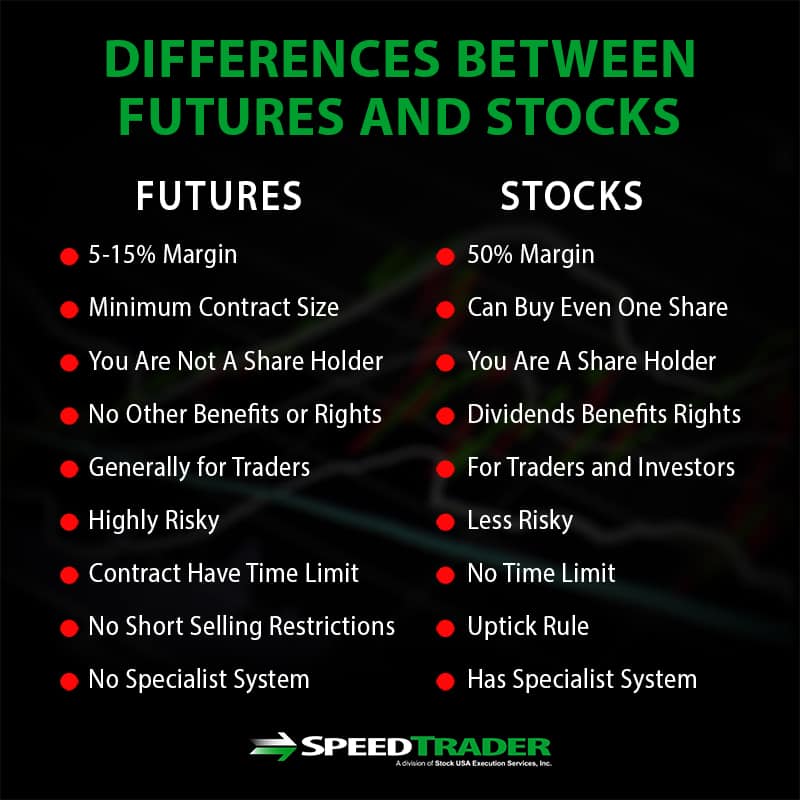
This comprehensive guide will demystify futures contracts, breaking down their structure, function, and strategic applications. We’ll explore how they differ from traditional stock trading, the various types available, and the critical considerations for investors contemplating their use. Whether you’re a novice investor seeking to expand your knowledge or an experienced trader looking to refine your understanding, navigating the intricate landscape of futures will illuminate a fascinating and dynamic facet of the financial world.
Demystifying Futures Contracts: The Basics
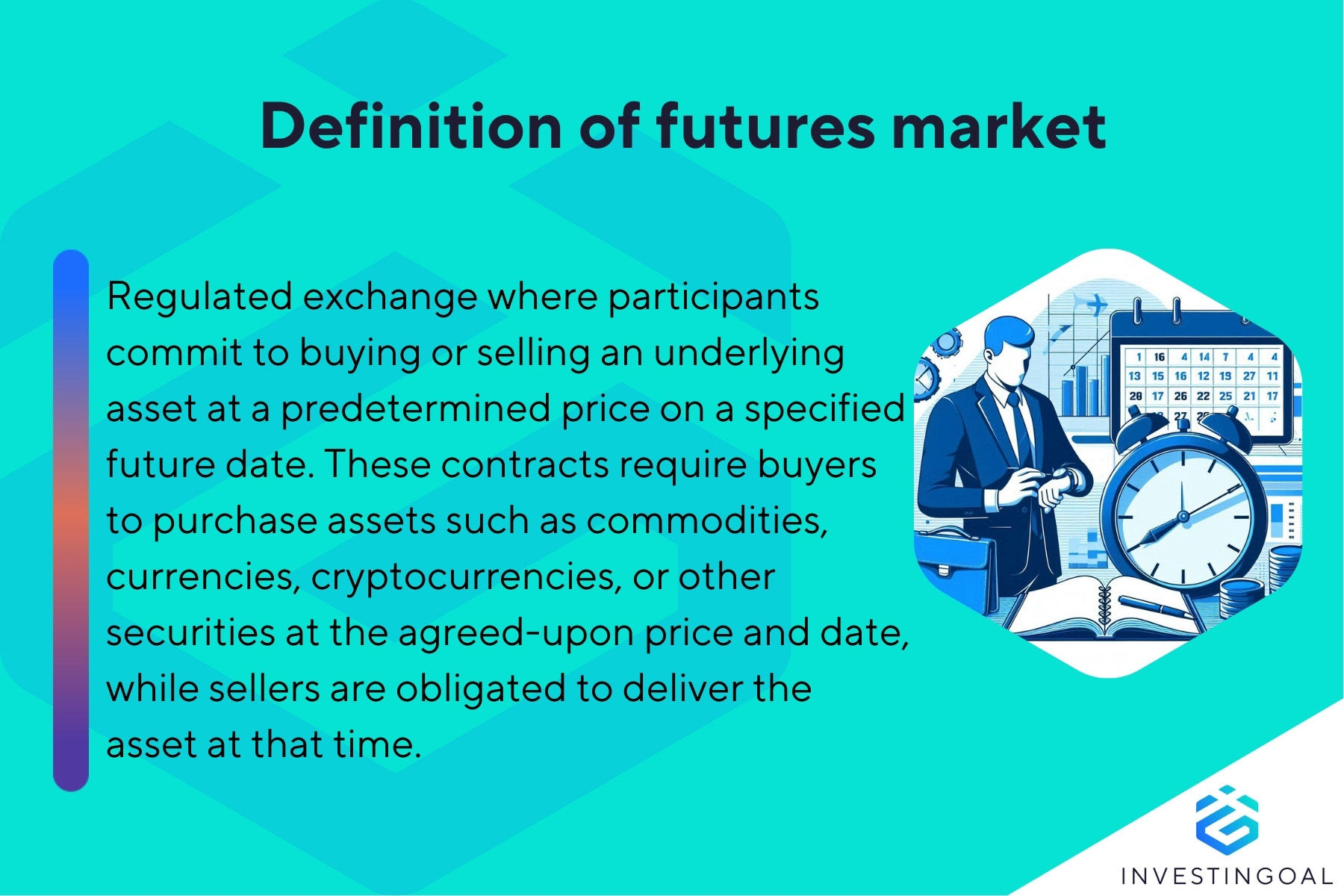
At its core, a futures contract is a standardized legal agreement to buy or sell something at a predetermined price on a specified date in the future. This “something” is referred to as the underlying asset, and it can range from tangible commodities like crude oil and gold to financial instruments such as stock indices, currencies, and even interest rates. Unlike options, which grant the holder the right to buy or sell, a futures contract imposes an obligation on both parties to complete the transaction.
Defining Futures: An Obligation, Not an Option
Imagine a farmer who wants to sell their wheat harvest in six months, and a bakery owner who needs to buy wheat in six months. Both face price uncertainty. The farmer worries prices might fall; the bakery owner worries they might rise. A futures contract allows them to lock in a price today for a transaction that will occur in the future. The farmer “sells” a futures contract, agreeing to deliver wheat at a set price, and the bakery owner “buys” a futures contract, agreeing to accept delivery at that same price. This creates an obligation for both parties, regardless of what the market price of wheat is when the delivery date arrives.
In the context of the stock market, the underlying asset is often a stock index (like the S&P 500), a single stock, or a basket of stocks. An investor buying an S&P 500 futures contract today is agreeing to buy the value of the S&P 500 index at a specific future date and price. Conversely, an investor selling such a contract is agreeing to sell that value. This obligation is legally binding and must be fulfilled.
Key Components of a Futures Contract
Every futures contract is meticulously standardized to ensure liquidity and fair trading. Key components include:
- Underlying Asset: The specific commodity, financial instrument, or index that the contract is based on.
- Contract Size: The standardized quantity of the underlying asset. For example, one crude oil futures contract might represent 1,000 barrels, while an S&P 500 futures contract might represent $250 times the index value.
- Expiration Date (or Delivery Date): The specific date in the future when the contract matures and the transaction must be settled.
- Price: The agreed-upon price at which the underlying asset will be bought or sold. This is the price discovered in the futures market.
- Tick Size: The minimum price fluctuation for the contract, defining how prices are quoted and traded.
These standardizations allow contracts to be traded openly on regulated exchanges, ensuring that any two identical contracts have the same value and characteristics, regardless of who bought or sold them.
The Role of Exchanges and Clearinghouses
Futures contracts are traded on specialized futures exchanges, such as the Chicago Mercantile Exchange (CME Group) or Intercontinental Exchange (ICE). These exchanges provide a centralized marketplace, facilitating price discovery through continuous bidding and offering.
Crucially, every futures transaction involves a clearinghouse. The clearinghouse acts as an intermediary between every buyer and every seller. When a trade occurs, the clearinghouse effectively becomes the buyer to every seller and the seller to every buyer. This mechanism guarantees the performance of the contract, meaning neither party has to worry about the creditworthiness of their counterparty. If one party defaults, the clearinghouse steps in to ensure the other party’s obligations are met. This crucial role minimizes counterparty risk and underpins the stability of the futures market.
How Futures Contracts Work in Practice
Understanding the conceptual framework is one thing; seeing how futures operate in the practical world of trading is another. The operational mechanics of futures trading involve specific positions, margin requirements, and distinct settlement procedures that differ significantly from direct stock ownership.
Long vs. Short Positions: Betting on Price Movement
In the futures market, investors can take one of two primary positions:
- Going Long: An investor who “goes long” a futures contract believes the price of the underlying asset will increase by the expiration date. By buying the contract today, they commit to purchasing the asset at a fixed price. If the market price rises above this fixed price, they can sell the contract (or take delivery and sell the asset) at a profit.
- Going Short: Conversely, an investor who “goes short” a futures contract believes the price of the underlying asset will decrease. By selling the contract today, they commit to selling the asset at a fixed price. If the market price falls below this fixed price, they can buy an offsetting contract (or acquire the asset and deliver it) at a profit.
It’s important to note that most futures positions are closed out before expiration through an offsetting transaction. A long position is closed by selling an identical contract, and a short position is closed by buying an identical contract. The net difference between the entry and exit prices determines the profit or loss.
Margin Requirements and Leverage
One of the most defining characteristics of futures trading is the use of leverage. Unlike buying stocks where you typically pay the full price (or a significant percentage on margin), futures contracts require only a relatively small amount of capital, known as the initial margin, to open a position. This margin is essentially a good-faith deposit to ensure the trader can cover potential losses.
Leverage amplifies both potential gains and losses. A small price movement in the underlying asset can result in a significant percentage gain or loss on the initial margin deposited. For instance, if an S&P 500 futures contract is worth $250 per index point and the index moves 10 points, that’s a $2,500 change in value for the contract. If your initial margin was only $10,000, a $2,500 loss represents 25% of your margin.
The clearinghouse continuously monitors the value of positions. If losses accrue, requiring additional funds to maintain the margin level, traders will receive a margin call, demanding they deposit more funds to bring their account back up to the maintenance margin level. Failure to meet a margin call can lead to the forced liquidation of the position.
Settlement: Cash vs. Physical Delivery
When a futures contract reaches its expiration date, it must be settled. There are two primary methods of settlement:
- Cash Settlement: This is the most common method for financial futures, such as stock index futures, currency futures, and interest rate futures. Instead of exchanging the actual underlying asset, the difference between the contract price and the final market price of the underlying asset at expiration is exchanged in cash. For example, if you bought an S&P 500 futures contract at 4,000 and the index closes at 4,050 on expiration, you would receive cash reflecting the 50-point gain ($250 * 50 = $12,500).
- Physical Delivery: More common for commodity futures, this involves the actual delivery of the underlying asset. For instance, an oil futures contract might require the seller to deliver a specific quantity of oil to a designated location, and the buyer to accept and pay for it. However, even in commodity markets, many participants are speculators who close out their positions before expiration to avoid the complexities of physical delivery.
The Strategic Purpose of Futures in Investing
While futures contracts might seem like highly speculative instruments, their primary economic function revolves around risk management and efficient price discovery. They offer powerful tools for diverse market participants, from corporations to individual investors.
Hedging: Managing Price Risk
One of the most fundamental uses of futures is hedging. Hedging involves taking an offsetting position in futures to mitigate potential losses from adverse price movements in the underlying asset you already own or plan to transact in.
- Example for a Farmer: The farmer who fears falling wheat prices can sell wheat futures today. If prices indeed fall, the loss on their physical crop is offset by a gain on their short futures position.
- Example for an Investor: An institutional investor holding a large portfolio of S&P 500 stocks might be concerned about a short-term market downturn. Instead of selling all their stocks (which could incur transaction costs and tax implications), they could sell S&P 500 futures contracts. If the market falls, the loss in their stock portfolio is offset by a gain on their short futures position. This allows them to protect their portfolio without liquidating their long-term holdings.
Speculation: Profiting from Price Volatility
While hedging aims to reduce risk, speculation in futures involves actively seeking to profit from anticipated price movements. Speculators take on risk in the hope of generating returns, using futures due to their leverage and lower transaction costs compared to trading the underlying asset directly.
- A trader who believes that interest rates will rise significantly might sell interest rate futures contracts. If rates indeed rise, the value of their short futures position would increase, allowing them to buy back the contract at a lower price for a profit.
- A day trader might use highly liquid equity index futures to capitalize on intraday market swings, entering and exiting positions multiple times within a single trading session.
Speculation is a high-risk, high-reward strategy that requires significant market knowledge, disciplined risk management, and often, substantial capital.
Price Discovery and Market Efficiency
Futures markets play a vital role in price discovery. The constant trading of futures contracts, driven by the collective expectations of buyers and sellers regarding future supply, demand, and economic conditions, helps establish future prices for commodities and financial instruments. This provides valuable forward-looking pricing information that influences decisions across industries.
Furthermore, the existence of a robust futures market contributes to market efficiency. By allowing participants to rapidly react to new information and price in future expectations, futures help ensure that asset prices in the spot (cash) market reflect all available information. This interconnectedness between spot and futures markets fosters greater transparency and liquidity across the entire financial system.
Types of Futures Contracts and Underlying Assets
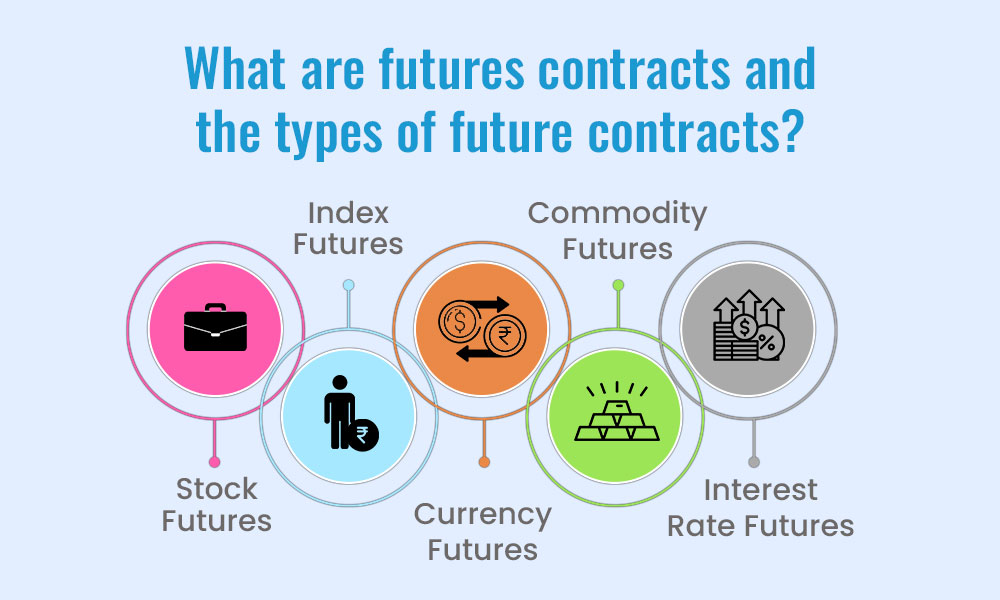
The versatility of futures contracts stems from the wide array of underlying assets they can be based on. This broad spectrum allows market participants to manage risk or speculate on virtually any major economic indicator or commodity.
Commodity Futures: From Oil to Wheat
Commodity futures are perhaps the oldest form of futures contracts, historically used by farmers and merchants to lock in prices for agricultural products. Today, this category is vast and includes:
- Energy Futures: Crude oil (WTI, Brent), natural gas, gasoline, heating oil. These are heavily traded and highly sensitive to geopolitical events and supply/demand dynamics.
- Agricultural Futures: Wheat, corn, soybeans, sugar, coffee, live cattle. These are influenced by weather patterns, crop yields, and global demand.
- Metal Futures: Gold, silver, platinum, copper. Often seen as safe-haven assets (gold, silver) or indicators of industrial demand (copper).
Commodity futures are crucial for industries that produce or consume these raw materials, enabling them to hedge against price volatility and manage their operational costs.
Financial Futures: Indices, Currencies, and Interest Rates
The growth of financial markets led to the development of financial futures, which now often represent the largest volume of futures trading.
- Stock Index Futures: Contracts based on major stock market indices like the S&P 500 (E-mini S&P 500 futures are particularly popular), Nasdaq 100, Dow Jones Industrial Average, FTSE 100, or Nikkei 225. These allow investors to take a broad view on the overall market direction without having to trade individual stocks.
- Currency Futures (Forex Futures): Contracts based on the exchange rate between two currencies (e.g., EUR/USD, USD/JPY). Used by international businesses to hedge against currency fluctuations and by speculators to profit from changes in exchange rates.
- Interest Rate Futures: Contracts based on government bonds (e.g., U.S. Treasury bonds and notes) or short-term interest rates (e.g., Eurodollar futures). These are vital for banks, financial institutions, and investors managing interest rate risk and speculating on monetary policy changes.
These financial futures provide efficient means for investors to gain exposure to, or hedge against, movements in major financial benchmarks and foreign exchange markets.
Single Stock Futures (SSF) and Equity Futures
While index futures allow for broad market exposure, Single Stock Futures (SSFs) are contracts where the underlying asset is the stock of a specific company. These allow investors to gain leveraged exposure to individual company performance without actually owning the shares. They share many characteristics with trading the actual stock on margin but often come with different margin requirements and exchange rules.
Equity Futures is a broader term that encompasses both index futures and single stock futures, relating specifically to contracts based on equity markets. The introduction of SSFs allowed for even more granular speculation and hedging opportunities, enabling traders to express very specific views on individual company prospects. However, SSFs typically have lower liquidity than broad index futures and often carry higher risks due to the volatility of individual stocks.
Risks and Rewards: Navigating the Futures Market
The allure of futures lies in their potential for magnified returns, but this power comes hand-in-hand with substantial risks. Engaging with futures requires a thorough understanding of these dynamics and a robust risk management strategy.
Magnified Gains and Losses: The Double-Edged Sword of Leverage
As discussed, futures trading employs significant leverage. A small amount of capital controls a much larger contract value. While this can lead to substantial profits from small price movements, it also means that adverse price movements can lead to equally substantial losses, often exceeding the initial capital invested.
Imagine a futures contract worth $100,000, and you only put up a $5,000 margin. If the contract value moves 5% against your position (a $5,000 loss), you’ve lost 100% of your initial margin. If it moves 10% against you, you’ve lost twice your initial margin and would face a margin call. This characteristic makes futures trading inherently risky and unsuitable for investors who are not comfortable with potentially rapid and significant capital depletion.
Liquidity and Volatility Considerations
Liquidity refers to how easily a contract can be bought or sold without significantly affecting its price. Highly liquid futures contracts (like E-mini S&P 500 or crude oil futures) allow traders to enter and exit positions quickly at competitive prices. Less liquid contracts might have wider bid-ask spreads, making it more costly to trade, especially in large sizes.
Volatility is the degree of variation of a trading price over time. Futures markets, particularly those for commodities or financial instruments sensitive to news, can be extremely volatile. While volatility presents opportunities for profit for skilled traders, it also magnifies risk and can lead to rapid price swings that trigger margin calls or significant losses before an investor can react. Understanding the typical volatility of a given futures market is crucial for setting appropriate stop-loss orders and managing position sizes.
Regulatory Oversight and Investor Protection
Futures markets are highly regulated. In the United States, the Commodity Futures Trading Commission (CFTC) oversees futures and options markets, ensuring market integrity, preventing manipulation, and protecting customers. Futures exchanges themselves also have strict rules and surveillance systems.
Despite this oversight, the onus of investor protection ultimately rests with the individual. Before engaging in futures trading, it is imperative to:
- Educate Yourself Thoroughly: Understand the mechanics, risks, and strategies involved.
- Practice with a Demo Account: Gain experience without risking real capital.
- Only Risk Capital You Can Afford to Lose: Never invest funds that are essential for living expenses or other financial obligations.
- Implement Robust Risk Management: Use stop-loss orders, manage position sizes, and diversify your strategies.
While regulation provides a framework, the inherent leverage and complexity of futures demand a high level of personal responsibility and due diligence from participants.
Conclusion
Futures contracts are powerful, versatile financial instruments that play a pivotal role in the global financial landscape. They enable market participants to manage risk (hedging), speculate on price movements (speculation), and contribute to the vital function of price discovery. From agricultural commodities to global stock indices, futures provide a standardized, exchange-traded mechanism for taking positions on future prices.
However, the very features that make futures so attractive – particularly their inherent leverage – also make them highly risky. While they offer the potential for significant returns, they also carry the risk of substantial losses, often exceeding initial investments. Therefore, engaging with futures markets demands a deep understanding of their mechanics, meticulous risk management, and a commitment to continuous learning. For those equipped with knowledge, discipline, and adequate capital, futures can be an invaluable tool in a diversified investment strategy, offering unique opportunities to navigate and profit from the dynamic tides of the financial markets.
aViewFromTheCave is a participant in the Amazon Services LLC Associates Program, an affiliate advertising program designed to provide a means for sites to earn advertising fees by advertising and linking to Amazon.com. Amazon, the Amazon logo, AmazonSupply, and the AmazonSupply logo are trademarks of Amazon.com, Inc. or its affiliates. As an Amazon Associate we earn affiliate commissions from qualifying purchases.