
The financial markets are a dynamic landscape, constantly shifting in response to a myriad of economic, political, and corporate developments. For many, tracking the performance of the Dow Jones Industrial Average (DJIA), or simply “the Dow,” is a daily ritual, offering a snapshot of the broader U.S. stock market’s health and investor sentiment. While the question “how did the Dow do today?” seems simple, its answer is multifaceted, revealing not just numbers but intricate economic narratives.
Understanding the Dow Jones Industrial Average
Before delving into daily fluctuations, it’s crucial to grasp what the Dow represents and why it holds such significance in the financial world. It’s more than just a collection of stocks; it’s a barometer for American industrial strength and economic momentum.
A Brief History and Composition
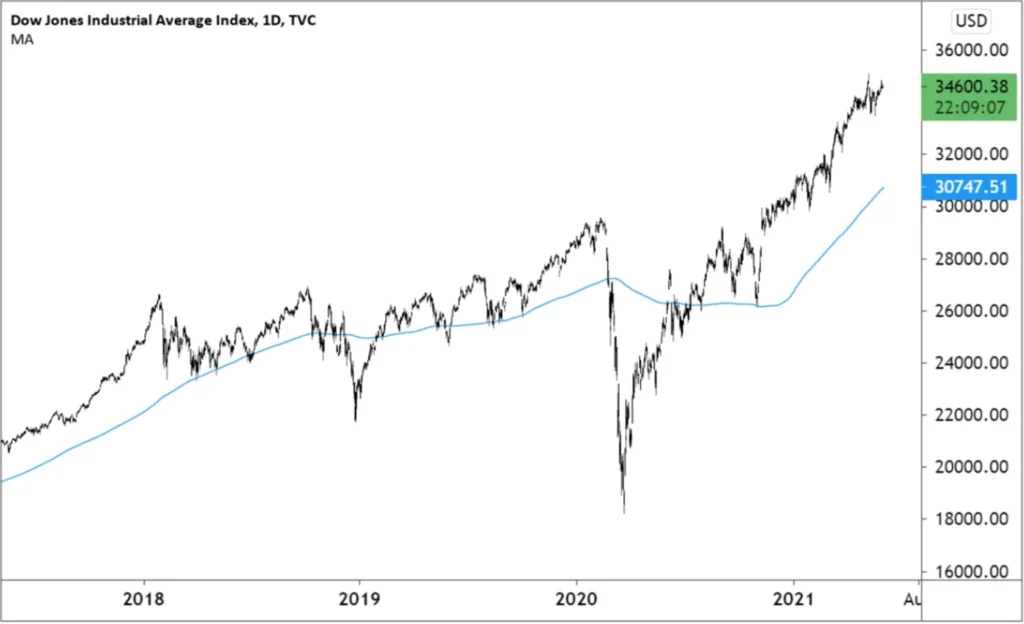
The Dow Jones Industrial Average, created by Charles Dow in 1896, is one of the oldest and most widely recognized stock market indices in the world. Initially comprising 12 industrial stocks, it has since expanded to include 30 large, publicly owned companies based in the United States. These companies, often referred to as “blue chips,” represent various sectors of the U.S. economy, from technology and finance to healthcare and consumer goods. Giants like Apple, Microsoft, Johnson & Johnson, and JPMorgan Chase are perennial components, reflecting their enduring influence on the economy.
Unlike indices like the S&P 500, which is market-capitalization weighted, the DJIA is a price-weighted index. This means that stocks with higher share prices have a greater impact on the index’s value than those with lower share prices, regardless of their total market value. This unique methodology sometimes leads to different interpretations of market performance compared to other broad-based indices.
Why the Dow Matters to Investors
The Dow’s daily performance is a key indicator for several reasons. Firstly, its long history provides a valuable benchmark for understanding historical market trends and economic cycles. Secondly, its components are typically well-established, financially stable companies, making the index a proxy for the health of large-cap American corporations. A rising Dow generally signals investor confidence in these companies and the broader economy, while a declining Dow can suggest caution or pessimism.
For individual investors, the Dow’s movement can influence portfolio decisions, market sentiment, and even psychological comfort. While professional investors rarely base decisions solely on the Dow, its widely reported figures serve as a common language for discussing market conditions and assessing the economic climate. It provides a simple, digestible metric for the average person to gauge “how the market did.”
Beyond the Headlines: Nuances of Daily Performance
It’s vital to remember that “the Dow” is an index, not an individual stock. Its daily performance is a composite of the movements of its 30 constituent companies, influenced by their individual earnings reports, corporate news, and sector-specific trends. A seemingly small percentage change in the Dow can translate into billions of dollars in market value, affecting pension funds, mutual funds, and individual investment accounts. Therefore, understanding why the Dow moved—which sectors led or lagged, and what news drove those movements—provides far more insight than just the final number.
Today’s Market Performance: A Deep Dive
When we ask “how did the Dow do today?”, we’re looking for more than just a point change. We want to understand the drivers, the context, and the implications. While I cannot provide real-time data for “today,” I can outline the types of analyses and factors that would shape such a report.
Key Figures and Trends
A typical daily market summary for the Dow would begin with its opening value, its intraday high and low, and its closing value. The crucial figure is the net change—either a gain or loss in points and the corresponding percentage change. For instance, a Dow “up 150 points” or “down 0.5%” provides the immediate answer.
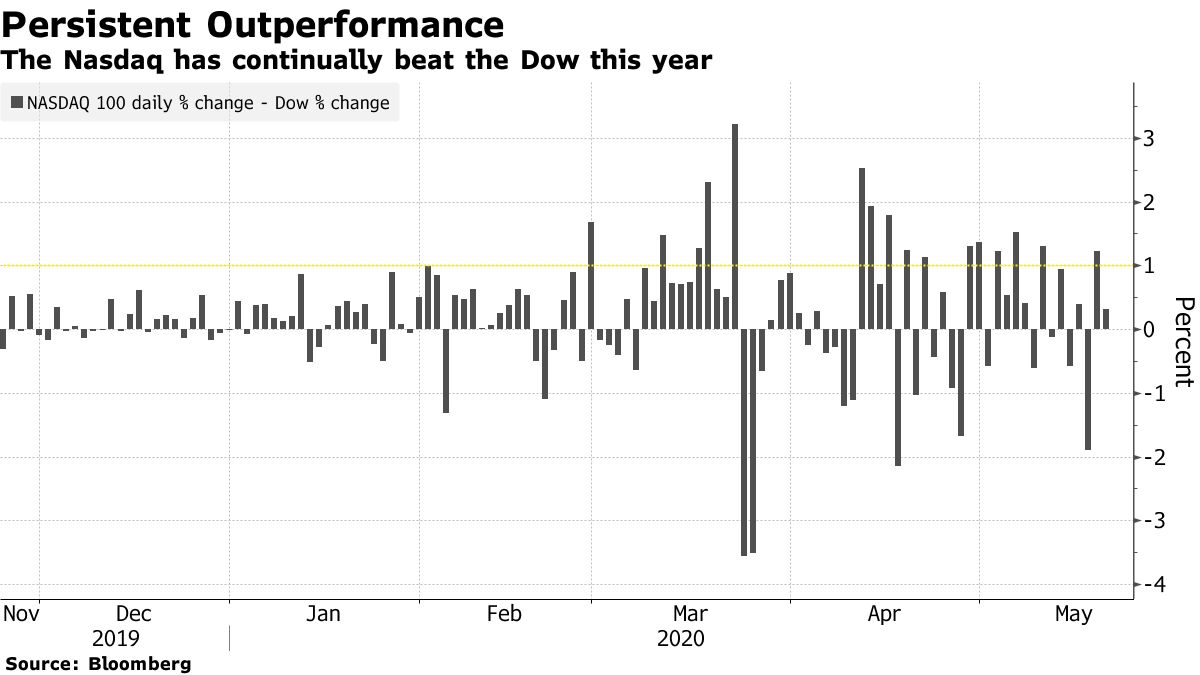
Beyond the raw numbers, analysts look for trends. Was it a volatile day with significant swings between highs and lows, or a relatively calm trading session? Did the Dow close near its intraday high, suggesting strong bullish momentum into the close, or did it fade, indicating late-day selling pressure? Comparing the Dow’s performance to other major indices like the S&P 500 and the Nasdaq Composite can also reveal broader market dynamics. For example, if the Dow outperforms the Nasdaq, it might suggest a rotation from growth stocks (often tech-heavy) into value stocks (often industrials and financials), which are more heavily represented in the Dow.
Top Gainers and Losers Among the 30
To truly understand the Dow’s daily movement, one must examine the performance of its individual components. Which of the 30 companies saw significant gains, and which experienced losses? A handful of heavily-weighted stocks can often dictate the direction of the entire index due to its price-weighted nature. For example, a strong earnings report from a high-priced component like UnitedHealth Group (UNH) or Microsoft (MSFT) can single-handedly push the Dow higher, even if other components are flat or down. Conversely, negative news from a key component can drag the entire index lower.
Analyzing the top gainers and losers helps pinpoint the specific corporate news, sector trends, or broader economic factors that are having the most immediate impact. Are financials leading the charge due to optimistic interest rate outlooks? Is a particular tech giant boosting the index on news of innovation? Or are energy stocks weighing down the Dow amid concerns about global demand?
Sectoral Contributions and Thematic Shifts
While the Dow is not explicitly sectoral, its composition does lean towards certain areas like industrials, financials, and healthcare. Examining the aggregate performance of companies within these broad categories can reveal thematic shifts. For instance, if consumer discretionary stocks within the Dow are performing well, it might signal robust consumer spending. If industrial giants are surging, it could point to strength in manufacturing or infrastructure spending.
These daily snapshots, when viewed collectively over time, can help investors identify emerging trends, understand market leadership, and potentially adjust their investment strategies. A strong day for the Dow could be a signal of broad economic confidence, while a weak day might reflect growing concerns about inflation, interest rates, or corporate profitability.
Factors Influencing the Dow’s Daily Movement
The daily dance of the Dow is rarely arbitrary. It’s the culmination of countless inputs, from macroeconomic data releases to geopolitical tremors. Understanding these drivers is key to interpreting market movements beyond superficial point changes.
Economic Indicators and Reports
Economic data is a primary catalyst for market movement. Reports such as the Consumer Price Index (CPI) for inflation, employment figures (e.g., non-farm payrolls, jobless claims), Gross Domestic Product (GDP) growth, retail sales, and manufacturing indices (e.g., ISM) provide critical insights into the health of the economy. Positive economic news often fuels optimism and sends the Dow higher, as it suggests strong corporate earnings potential. Conversely, weaker-than-expected data can spark fears of recession or slow growth, leading to declines.

Central bank communications, particularly from the Federal Reserve, also fall into this category. Statements on interest rates, quantitative easing, or economic outlook can profoundly shift market expectations and directly impact the Dow’s trajectory.
Corporate Earnings and Company-Specific News
Given that the Dow comprises 30 individual companies, their financial performance and news flow are paramount. Quarterly earnings reports, in particular, are major market movers. A beat on revenue or earnings per share can send a stock soaring, contributing significantly to the Dow’s overall gain. Misses or disappointing guidance, on the other hand, can trigger sharp declines.
Beyond earnings, company-specific announcements like mergers and acquisitions, product launches, significant partnerships, leadership changes, or regulatory actions can all create substantial price movements for individual components, which then ripple through the index. Analyst upgrades or downgrades of Dow components can also sway investor sentiment.
Geopolitical Events and Global Markets
The Dow does not operate in a vacuum. Global events, from international trade disputes and political instability to wars and natural disasters, can have far-reaching effects on supply chains, consumer confidence, and corporate profitability, subsequently impacting the stock market. Major geopolitical headlines can trigger flight-to-safety trades, pushing investors out of equities and into safer assets, thereby leading to a downturn in the Dow. Conversely, resolutions to international tensions can be seen as positive catalysts.
Furthermore, the performance of major international stock markets (e.g., in Europe or Asia) overnight or in parallel trading sessions can set the tone for U.S. markets. A strong rally or sharp sell-off in overseas markets often creates momentum that carries over to the Dow’s opening.
Federal Reserve Policy and Interest Rates
The Federal Reserve’s monetary policy, especially its stance on interest rates, is a colossal factor. Higher interest rates generally make borrowing more expensive for businesses and consumers, potentially slowing economic growth and reducing corporate profits. They also make bonds more attractive relative to stocks. Conversely, lower interest rates can stimulate borrowing and spending, boosting economic activity and often stock prices. The market constantly scrutinizes Fed statements, speeches by Fed officials, and meeting minutes for clues about future rate changes, pricing these expectations into asset values daily.
Interpreting Dow’s Performance: What It Means for Investors
For investors, understanding how the Dow performed today goes beyond mere curiosity; it offers insights that can inform strategy, manage expectations, and provide context for personal portfolio performance.
Short-Term Volatility vs. Long-Term Trends
One day’s performance for the Dow, whether up or down, is just that—one day. Markets are inherently volatile in the short term, driven by hourly news cycles, algorithmic trading, and shifting sentiment. A dramatic single-day swing doesn’t necessarily indicate a fundamental shift in the economy or the market’s long-term trajectory. Experienced investors often emphasize looking past daily noise to focus on broader trends spanning weeks, months, or even years. Is the Dow consistently making higher highs and higher lows (an uptrend), or lower lows and lower highs (a downtrend)? These larger patterns are far more indicative of market direction than any single trading session.
Impact on Individual Portfolios
While the Dow’s movement offers a general sense of market direction, its direct impact on an individual’s portfolio depends entirely on their specific holdings. If your portfolio is heavily diversified and includes many of the Dow’s components, its performance will likely closely track the index. However, if your portfolio is concentrated in small-cap stocks, growth stocks, or international equities, the Dow’s daily performance might be less relevant to your specific returns.
It’s crucial for investors to avoid making impulsive decisions based on a single day’s Dow movement. A sudden dip shouldn’t automatically trigger a sell-off, just as a surge shouldn’t necessarily prompt a buying spree. Instead, investors should review their holdings in the context of their long-term financial goals and risk tolerance.
Beyond the Headlines: A Broader Perspective
A truly insightful interpretation of the Dow’s daily performance requires stepping back from the immediate numbers. Consider the macroeconomic backdrop: Is inflation a concern? Are interest rates rising or falling? What’s the geopolitical climate? Also, analyze the underlying reasons for the day’s movement: Was it a reaction to a specific earnings report, a government policy announcement, or broader market sentiment?
Understanding these nuances helps in differentiating between temporary market jitters and more significant shifts that might warrant a re-evaluation of investment strategies. The Dow serves as a valuable tool for market observation, but it is one piece of a much larger, complex financial puzzle.
Looking Ahead: Future Outlook and Strategic Implications
The constant question after “how did the Dow do today?” is inevitably “what about tomorrow?” While no one possesses a crystal ball, anticipating potential future movements involves analyzing upcoming events and broader market sentiment.
Upcoming Economic Calendars and Earnings
Investors and analysts meticulously track economic calendars, noting upcoming releases of key data like inflation reports, manufacturing surveys, consumer confidence indices, and employment figures. These scheduled announcements are often points of significant market anticipation and potential volatility. Similarly, the earnings season, where companies release their quarterly results, is a critical period. Positive outlooks or guidance from Dow components can sustain upward momentum, while widespread pessimistic forecasts can signal headwinds for the index.
Analyst Expectations and Market Sentiment
Financial analysts constantly revise their projections for individual companies and the overall market. Their consensus estimates, alongside broader market sentiment (whether investors are generally optimistic, pessimistic, or uncertain), play a significant role in future movements. A positive shift in sentiment, perhaps driven by technological breakthroughs, strong corporate performance, or easing geopolitical tensions, can fuel rallies. Conversely, growing fears about economic slowdowns, policy uncertainty, or corporate debt can lead to cautious trading or sell-offs.
Strategies for Navigating Market Swings
For investors, the Dow’s daily performance is a reminder of the market’s inherent volatility. Successful long-term investing typically involves a disciplined approach:
- Diversification: Spreading investments across various asset classes, sectors, and geographies helps mitigate risk.
- Long-Term Perspective: Focusing on long-term growth objectives rather than reacting to short-term fluctuations.
- Regular Review and Rebalancing: Periodically checking if the portfolio still aligns with financial goals and risk tolerance, and adjusting as needed.
- Dollar-Cost Averaging: Investing a fixed amount regularly, regardless of market highs or lows, to average out the purchase price over time.
In conclusion, asking “how did the Dow do today?” is a gateway to understanding the pulse of the financial markets. It’s an invitation to look beyond the numbers and delve into the intricate web of economic forces, corporate actions, and investor psychology that shape the daily trajectory of this iconic index. For the astute investor, it’s not just about the change in points, but about the story those points tell about the health and future direction of the American economy.
aViewFromTheCave is a participant in the Amazon Services LLC Associates Program, an affiliate advertising program designed to provide a means for sites to earn advertising fees by advertising and linking to Amazon.com. Amazon, the Amazon logo, AmazonSupply, and the AmazonSupply logo are trademarks of Amazon.com, Inc. or its affiliates. As an Amazon Associate we earn affiliate commissions from qualifying purchases.