
The digital revolution has fundamentally transformed nearly every facet of our lives, and personal finance is certainly no exception. Gone are the days when investing in the stock market was an exclusive domain for the wealthy, requiring face-to-face meetings with brokers and a significant capital outlay. Today, buying shares online has democratized access to financial markets, empowering individuals from all walks of life to take control of their investment futures. This shift offers unparalleled convenience, lower costs, and a wealth of information at your fingertips.
However, with this newfound accessibility comes the critical need for understanding and discernment. The sheer number of online platforms, each with its own features, fee structures, and investment options, can be overwhelming for beginners and seasoned investors alike. This comprehensive guide will navigate the landscape of digital investing, helping you identify the best places to buy shares online, understand the crucial factors in platform selection, and equip you with the knowledge to make informed decisions on your journey to financial growth. Whether you’re looking to build a long-term portfolio, generate passive income through dividends, or simply diversify your savings, understanding where and how to buy shares online is your essential first step.
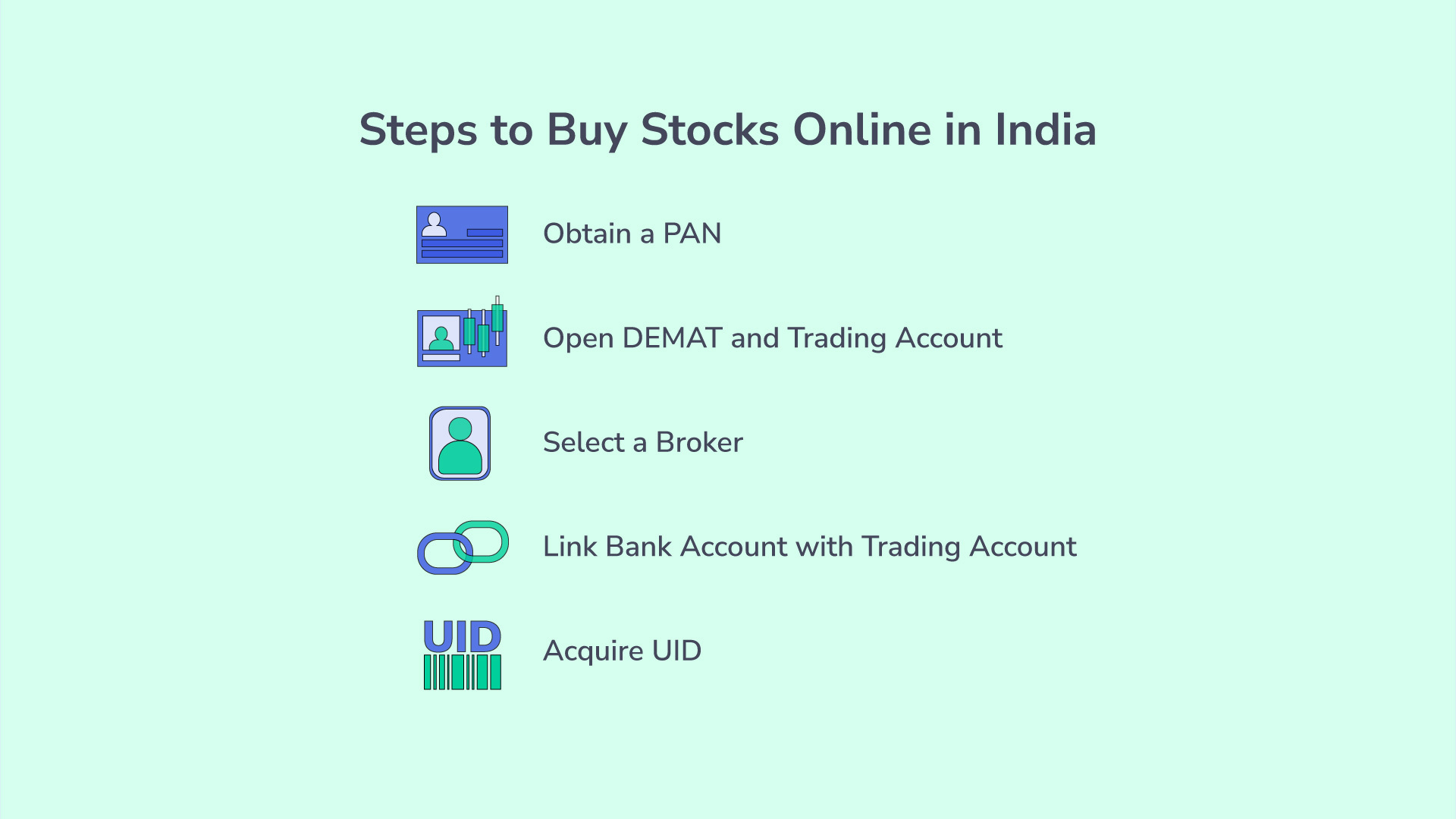
Understanding the Digital Investment Landscape
The journey to buying shares online begins with a clear understanding of the platforms that facilitate these transactions. The evolution of financial technology (fintech) has led to a diverse ecosystem of brokerage services, each catering to different investor profiles and needs.
Evolution of Online Brokerage
Historically, stock trading was a complex, paper-intensive process mediated by full-service brokers who offered personalized advice, research, and execution services, often at a substantial cost. The advent of the internet in the late 20th century catalyzed a paradigm shift, giving rise to “discount brokers.” These early online platforms stripped away the advisory services, offering investors the ability to execute trades themselves at significantly lower commissions. This model empowered self-directed investors, prioritizing cost-efficiency and direct control.
Today, the landscape is even more nuanced. Advancements in technology have led to sophisticated trading platforms, mobile-first applications, and even AI-driven advisory services. While the core function remains the same – connecting buyers and sellers of shares – the user experience, available tools, and underlying technology have evolved dramatically, making online share buying more accessible, faster, and often more insightful than ever before.
Types of Online Brokerage Platforms
When looking to buy shares online, you’ll primarily encounter a few distinct types of platforms, each with its own advantages and disadvantages:
- Discount Brokers: These are the most common and popular choice for self-directed investors. They offer low or zero-commission trades, extensive research tools, and a wide array of investment products, including individual stocks, ETFs, options, and more. Examples might include established players like Charles Schwab or Fidelity, and newer digital-first platforms. They typically provide robust desktop platforms and mobile apps, giving investors the autonomy to manage their portfolios without direct financial advice. This category is ideal for investors who prefer to conduct their own research and make their own investment decisions.
- Mobile-First Trading Apps: These platforms have gained immense popularity, particularly among younger investors, due to their user-friendly interfaces, gamified experiences, and often commission-free trading. Apps like Robinhood or Webull are designed for simplicity and ease of access from a smartphone. While they excel in user experience and accessibility, some critics argue that their simplified interfaces can encourage speculative or emotional trading, potentially leading to poor investment decisions for inexperienced users. For direct share buying, they are highly efficient, but investors should be mindful of their investment strategy.
- Robo-Advisors: While not primarily focused on direct individual share purchases, robo-advisors are worth mentioning in the broader digital investment context. Platforms like Betterment or Wealthfront use algorithms to build and manage diversified portfolios, typically consisting of exchange-traded funds (ETFs). Since ETFs are baskets of individual shares, a robo-advisor effectively invests in shares on your behalf, but without you selecting individual stocks. They offer automated portfolio rebalancing, tax-loss harvesting, and low management fees, making them an excellent choice for hands-off investors seeking diversified exposure rather than picking individual stocks. If your goal is primarily to gain exposure to the stock market through diversified bundles of shares rather than specific company stocks, a robo-advisor could be an effective, low-effort solution.
Each of these platforms offers a gateway to buying shares online, but the best choice for you will depend on your investment style, budget, and desired level of involvement.
Key Factors When Choosing an Online Broker
Selecting the right online broker is a critical decision that can significantly impact your investment success and overall experience. It’s not just about finding a platform where you can buy shares; it’s about finding one that aligns with your financial goals, risk tolerance, and trading habits.
Fees and Commissions
One of the most immediate and impactful considerations is the cost of investing. While many brokers now offer “commission-free” trading for stocks and ETFs, it’s crucial to look beyond the headline.
- Trading Commissions: For stocks and ETFs, many platforms have indeed eliminated per-trade commissions. However, be aware that commissions might still apply to other asset classes like options, mutual funds, or foreign shares. Some brokers might also charge “payment for order flow” which, while not a direct charge to you, can subtly impact the price you receive for your shares.
- Account Maintenance Fees: Some brokers charge a fee for simply holding an account, especially if it falls below a certain balance or if there’s no trading activity for an extended period.
- Transfer Fees: If you ever decide to move your investments to another broker, you might incur fees for transferring assets out of your current account.
- Miscellaneous Fees: Look out for charges related to paper statements, wire transfers, margin interest, or even human assistance if you require phone support. Understanding the full fee schedule is paramount to avoid unexpected costs eating into your returns.
Investment Options
Ensure the broker offers access to the specific types of shares and markets you’re interested in.
- Stocks (Equities): Confirm whether the platform offers access to domestic (your home country) and international stocks. Some brokers specialize in certain markets or may have limited access to global exchanges.
- ETFs (Exchange Traded Funds): ETFs are popular for diversification, allowing you to invest in a basket of shares rather than individual companies. Most online brokers offer a wide selection of ETFs.
- Other Assets: While the focus is on shares, consider if you might want to invest in other assets in the future, such as options, mutual funds, bonds, or even cryptocurrencies, if the platform supports them. Consolidating your investments in one place can be convenient, but don’t compromise on share-buying capabilities.
Platform Features and Tools
The quality and breadth of a broker’s platform features can significantly enhance your investment experience, especially for self-directed share buying.
- User Interface (UI) and User Experience (UX): The platform should be intuitive, easy to navigate, and visually appealing, whether you’re using a desktop browser or a mobile app. A clunky interface can lead to frustration and potential errors.
- Research Tools: Access to robust research is invaluable. Look for features like stock screeners (to filter shares based on criteria), analyst reports, news feeds, company financials, earnings calendars, and market insights. These tools help you identify potential investment opportunities and perform due diligence.
- Charting Tools and Technical Analysis: For active traders, advanced charting capabilities, technical indicators, and drawing tools are essential for analyzing price movements and identifying trends.
- Order Types: Beyond basic market and limit orders, advanced order types (e.g., stop-loss, stop-limit, trailing stop) can help manage risk and automate certain trading strategies.
- Educational Resources: Especially for new investors, a broker that provides tutorials, webinars, articles, and glossaries on investing concepts can be incredibly helpful.

Customer Support and Security
Reliable customer support and robust security measures are non-negotiable for protecting your investments and ensuring peace of mind.
- Customer Support: Evaluate the availability and responsiveness of customer service. Do they offer 24/7 support? What channels are available (phone, live chat, email)? Are their representatives knowledgeable and helpful?
- Regulatory Compliance and Insurance: In many countries, brokerage firms are regulated by financial authorities (e.g., FINRA and SEC in the U.S., FCA in the UK, ASIC in Australia). Ensure the broker is properly licensed and adheres to industry standards. Look for protection like SIPC (Securities Investor Protection Corporation) in the U.S., which protects securities customers of its members up to $500,000, including $250,000 for cash. Similar schemes exist in other jurisdictions. This protects you if the brokerage firm fails, not against investment losses.
- Account Security: Strong security measures are crucial. Look for features like two-factor authentication (2FA), encryption of personal and financial data, and firewalls to protect your account from unauthorized access.
Getting Started: Your First Steps to Online Share Trading
Once you’ve chosen an online broker that aligns with your needs, the next step is to set up your account and begin your investment journey. This process involves a few key stages, from defining your investment strategy to placing your first trade.
Define Your Investment Goals and Risk Tolerance
Before you buy a single share, it’s vital to understand why you’re investing and how much risk you’re willing to take.
- Investment Goals: Are you saving for retirement, a down payment on a house, your children’s education, or simply long-term wealth accumulation? Your goals will dictate your investment horizon (short-term vs. long-term) and the type of investments suitable for you.
- Risk Tolerance: How comfortable are you with the possibility of losing money? Shares can be volatile, and their value can fluctuate significantly. A high-growth stock might offer greater returns but also carries higher risk compared to, say, an index fund or a blue-chip company. Understand your emotional capacity to handle market downturns and ensure your investments align with this. Answering these questions honestly will help you make more disciplined and less emotional investment decisions.
Open and Fund Your Account
Opening an online brokerage account is typically a straightforward digital process.
- Application Process: You’ll usually need to provide personal information, including your name, address, date of birth, social security number (or equivalent national ID), employment details, and sometimes your investment experience and financial net worth. This is part of the “Know Your Customer” (KYC) regulations designed to prevent fraud and money laundering.
- Account Minimums: Some brokers require a minimum initial deposit to open an account, while others have no minimums, making them accessible to investors with smaller capital.
- Funding Methods: Once your account is approved, you’ll need to transfer money into it. Common funding methods include:
- Electronic Funds Transfer (EFT) / ACH Transfer: This is usually the cheapest and most common method, linking your bank account directly to your brokerage account. It can take a few business days for funds to clear.
- Wire Transfer: Faster than an EFT but typically involves a fee.
- Check Deposit: Slower and less common for online accounts.
- Rollover from another retirement account: If applicable, e.g., an old 401(k) to an IRA.
Researching and Selecting Shares
This is where your chosen broker’s research tools truly come into play. Effective research is the cornerstone of successful share investing.
- Fundamental Analysis: This involves evaluating a company’s financial health, management quality, industry position, and economic moat to determine its intrinsic value. Key metrics include revenue growth, profit margins, debt levels, earnings per share (EPS), and price-to-earnings (P/E) ratio. Look at financial statements (income statement, balance sheet, cash flow statement) and read annual reports.
- Technical Analysis: More focused on price and volume action, technical analysis uses charts and indicators to identify patterns and predict future price movements. This is often used by short-term traders but can also provide insights for long-term investors.
- Diversification: A fundamental principle of investing is not to put all your eggs in one basket. Diversify across different industries, company sizes, and geographies to mitigate risk. Instead of buying just one or two shares, consider building a portfolio of 10-20 different company shares, or utilizing ETFs to achieve instant diversification.
Placing Your First Trade
With your account funded and your research done, you’re ready to buy shares.
- Navigate to the Trading Platform: Find the search bar or trading section for stocks.
- Enter the Stock Symbol (Ticker): Each publicly traded company has a unique ticker symbol (e.g., AAPL for Apple, MSFT for Microsoft).
- Specify Order Type:
- Market Order: Instructs your broker to buy (or sell) shares immediately at the best available current market price. While quick, the execution price can sometimes differ slightly from what you saw on screen, especially in volatile markets.
- Limit Order: Allows you to specify the maximum price you’re willing to pay per share. Your order will only be executed if the share price drops to or below your specified limit. This gives you more control over the entry price but might mean your order isn’t filled immediately or at all if the price doesn’t reach your limit. For beginners, limit orders are often recommended for greater price control.
- Enter Quantity: Decide how many shares you want to buy. Some brokers also offer “fractional shares,” allowing you to invest a specific dollar amount (e.g., $100) into a stock, even if it buys you less than one whole share.
- Review and Confirm: Before submitting, carefully review all details of your order – the stock, quantity, price, and total cost. Once confirmed, the order will be sent to the market. Congratulations, you’ve just bought shares online!
Advanced Considerations and Best Practices
Buying shares online is just the beginning of an ongoing journey. To truly succeed and maximize your financial growth, it’s crucial to adopt a mindset of continuous learning, strategic adaptation, and disciplined emotional control.
Continuous Learning and Adaptation
The financial markets are dynamic, constantly influenced by economic news, geopolitical events, technological advancements, and shifting consumer trends.
- Stay Informed: Make it a habit to follow reputable financial news sources. Understand macroeconomic indicators (inflation, interest rates, GDP growth) and how they might impact different sectors and companies. Read quarterly earnings reports of the companies you own.
- Market Evolution: Investment strategies that worked a decade ago might not be as effective today. Be open to learning about new investment vehicles, analytical techniques, and market dynamics. Many online brokers offer free educational resources; take advantage of them.
- Portfolio Rebalancing: Over time, your portfolio’s asset allocation can drift from your target due to varying asset performance. Periodically (e.g., annually) review your portfolio and rebalance it by selling some overperforming assets and buying more underperforming ones to bring it back to your desired risk profile.
Tax Implications of Share Trading
Ignoring the tax implications of your online share trading can significantly erode your returns. Tax laws vary significantly by country, so it’s essential to understand the regulations in your jurisdiction.
- Capital Gains Tax: When you sell shares for a profit, you incur a capital gain. This gain is typically subject to tax. The tax rate often depends on how long you held the shares:
- Short-Term Capital Gains: For shares held for a relatively short period (e.g., less than a year in many countries), these gains are often taxed at your ordinary income tax rate, which can be higher.
- Long-Term Capital Gains: For shares held for a longer period, these gains are often taxed at a preferential, lower rate. This tax incentive encourages long-term investing.
- Dividend Income Tax: If the companies you invest in pay dividends, this income is also typically taxable. The tax treatment can vary based on whether it’s a “qualified” or “non-qualified” dividend, and your overall income level.
- Record Keeping: Maintain meticulous records of all your trades, including purchase dates, prices, sale dates, prices, and any associated fees. This information is crucial for accurately calculating your gains and losses at tax time. Many brokers provide year-end tax statements, but understanding the underlying data is your responsibility. Consider consulting a tax professional, especially if you have significant trading activity.
The Importance of Discipline and Emotional Control
Perhaps the most challenging, yet crucial, aspect of successful online share investing is managing your own psychology. Markets are driven by human emotions, and often, irrational behavior can lead to poor financial decisions.
- Avoid FOMO (Fear Of Missing Out): Don’t jump into a stock just because everyone else is talking about it or because its price has skyrocketed recently. Such actions often lead to buying at the peak, only to see prices correct. Stick to your research and investment criteria.
- Resist Panic Selling: Market downturns are inevitable. When prices fall, the natural instinct can be to sell everything to cut losses. However, often, the worst time to sell is during a panic. If your investment thesis for a company remains sound, holding through volatility can be more beneficial in the long run.
- Stick to Your Strategy: Develop an investment plan based on your goals and risk tolerance, and then stick to it. Don’t let daily market fluctuations or sensational news reports derail your long-term strategy. Discipline and patience are virtues in investing.
- Separate Emotions from Decisions: Treat investing as a logical, analytical process. Make decisions based on data and research, not fear, greed, or excitement. Emotional trading is a common pitfall that can wipe out gains quickly.

Conclusion
The ability to buy shares online has truly revolutionized personal finance, granting individuals unprecedented access to the world of investing. By leveraging the digital platforms available today, you can embark on a journey towards building wealth, achieving financial independence, and securing your future. However, this power comes with the responsibility of informed decision-making.
The key to navigating this exciting landscape lies in thorough due diligence – not just in selecting the right shares, but also in choosing the online brokerage platform that best suits your needs. Consider the fee structures, the breadth of investment options, the quality of research tools, the ease of the user interface, and the robustness of customer support and security measures. Once your platform is chosen, cultivate a disciplined approach to investing: define your goals, understand your risk tolerance, commit to continuous learning, and master emotional control.
Investing in shares online is not merely about finding “where” to click the buy button; it’s about understanding the “how” and “why” behind each investment. By arming yourself with knowledge, maintaining a strategic mindset, and exercising patience, you can confidently navigate the digital markets and harness their immense potential to achieve your financial aspirations. Take control of your financial destiny, one informed share purchase at a time.
aViewFromTheCave is a participant in the Amazon Services LLC Associates Program, an affiliate advertising program designed to provide a means for sites to earn advertising fees by advertising and linking to Amazon.com. Amazon, the Amazon logo, AmazonSupply, and the AmazonSupply logo are trademarks of Amazon.com, Inc. or its affiliates. As an Amazon Associate we earn affiliate commissions from qualifying purchases.