
Booking.com is far more than just a website; it is a global phenomenon, a titan in the online travel industry, and a brand synonymous with accommodation bookings worldwide. At its core, Booking.com is a digital platform that connects travelers with an immense diversity of places to stay, ranging from hotels, apartments, and villas to unique stays like treehouses and igloos. However, to truly understand “what is Booking.com,” one must delve into its brand identity, its strategic market positioning, its user-centric design philosophy, and the pervasive influence it wields over both the travel industry and consumer behaviour. It is a brand built on the promise of choice, convenience, and seamless travel experiences, meticulously cultivated over decades to achieve its dominant global presence.

The Genesis and Global Ascent of a Travel Giant
The story of Booking.com is one of visionary ambition, relentless expansion, and strategic brand building that transformed a small Dutch startup into an undisputed leader in the global travel market. Its journey reflects a deep understanding of the evolving needs of modern travelers and the power of a clear, consistent brand message.
From Startup to Global Travel Powerhouse
Founded in Amsterdam in 1996 by Geert-Jan Bruinsma, Booking.com started with a simple premise: to make booking accommodations easier and more accessible for everyone. In its nascent years, the company focused on building relationships directly with accommodation providers, offering them a commission-based model that incentivized partnerships without upfront costs. This approach was revolutionary for its time, fostering rapid growth by expanding inventory quickly. The acquisition by Priceline Group (now Booking Holdings Inc.) in 2005 marked a pivotal moment, injecting crucial capital and strategic direction that propelled Booking.com onto the international stage.
Under the Booking Holdings umbrella, Booking.com rapidly scaled its operations, leveraging technology to expand its reach into new markets across Europe, Asia, and the Americas. This period was characterized by aggressive marketing, localized content strategies, and a relentless focus on user acquisition. The brand’s ability to adapt to diverse cultural contexts while maintaining a consistent core offering allowed it to resonate with a global audience, solidifying its reputation as a reliable and comprehensive travel companion.
Core Mission and Value Proposition
Booking.com’s brand identity is fundamentally rooted in its mission to make it easier for everyone to experience the world. This mission is translated into a compelling value proposition centered on three key pillars:
- Unrivalled Choice: The brand prides itself on offering the widest selection of accommodations globally. This extensive inventory is a cornerstone of its appeal, ensuring that travelers, regardless of their budget, destination, or preference, can find a suitable place to stay. This commitment to choice reinforces the brand’s position as a one-stop-shop for accommodation needs.
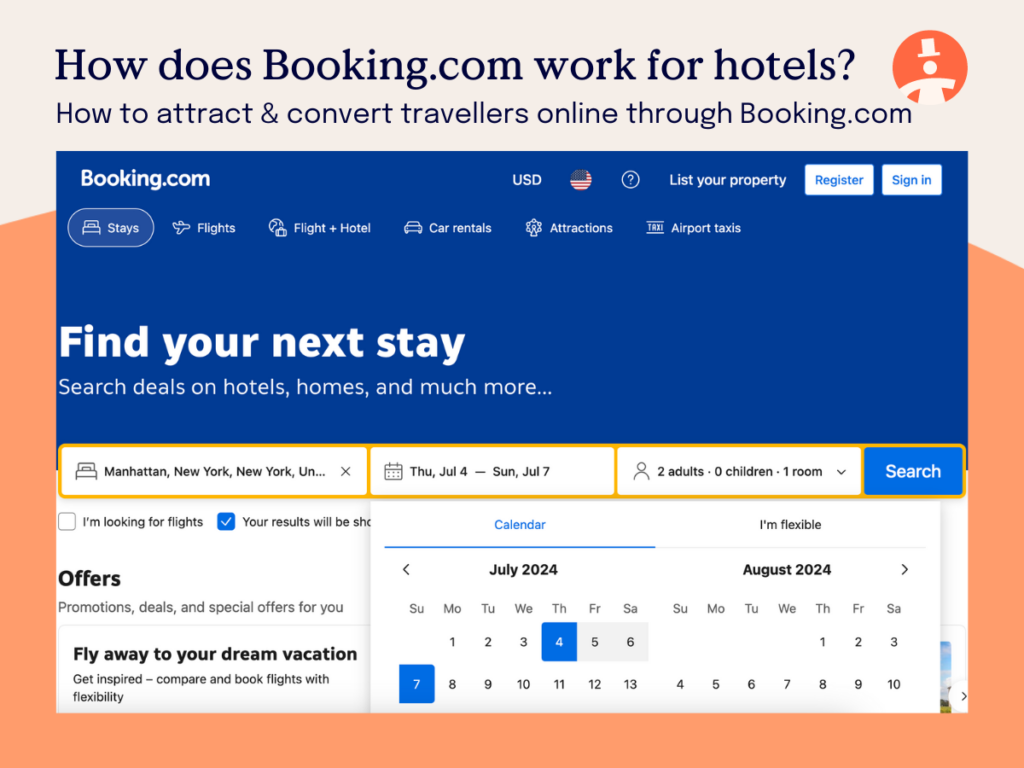
- Seamless Experience: From intuitive search filters and comprehensive property descriptions to real-time availability and instant confirmation, Booking.com streamlines the entire booking process. The brand invests heavily in user interface (UI) and user experience (UX) design, ensuring that navigating its platform is straightforward and stress-free. This focus on ease-of-use reduces friction and builds brand loyalty.
- Competitive Pricing and Transparency: Booking.com often highlights its “Best Price Guarantee,” a strategic move to instill confidence in consumers that they are getting value for money. Transparency in pricing, including all taxes and fees upfront, further enhances trust and reduces unpleasant surprises, a critical factor in building a reputable brand in the travel sector.
These pillars collectively form the bedrock of the Booking.com brand, differentiating it from competitors and fostering a loyal customer base worldwide.
Building a Dominant Brand Identity Through Experience
The enduring success of Booking.com is inextricably linked to its meticulously crafted brand identity, one that evokes trust, reliability, and an unparalleled sense of convenience. This identity is not merely about a logo or a slogan, but rather a holistic experience designed to resonate deeply with its target audience.
The Power of Choice and Convenience
Booking.com’s brand promise hinges on empowering travelers with choice and delivering ultimate convenience. The sheer volume of listings—millions across thousands of destinations—is a testament to its commitment to diversity. This vast inventory isn’t just about quantity; it’s curated and presented in a way that makes exploration effortless. Advanced filters allow users to narrow down options by price, type of property, amenities, review score, and even specific neighborhood characteristics. This granular control over the search process reinforces the brand’s image as a tailored solution provider, putting the traveler firmly in the driver’s seat. The convenience extends to the booking process itself, which is designed to be quick and secure, often requiring just a few clicks from selection to confirmation, solidifying the brand’s reputation for efficiency.
Crafting a User-Centric Experience
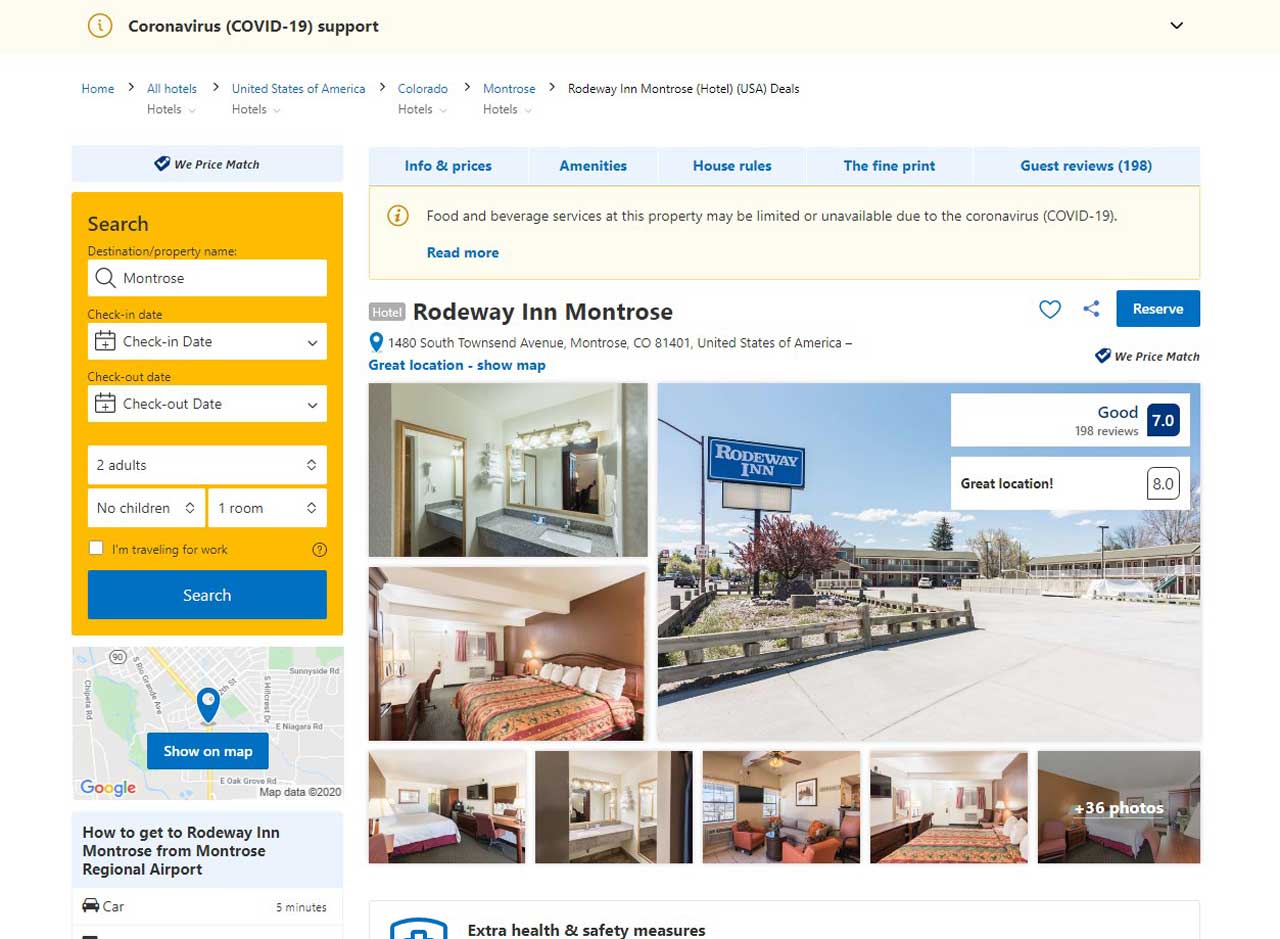
A critical element of Booking.com’s brand identity is its unwavering focus on the user experience. The platform’s design is clean, intuitive, and highly functional, ensuring that even first-time users can navigate it with ease. Key features such as detailed property descriptions, high-resolution photos, virtual tours, and comprehensive guest reviews are strategically integrated to provide all necessary information at a glance. The brand understands that a well-informed traveler is a confident traveler. Furthermore, the multi-language support and localized content across numerous countries are not merely technical features but vital components of its brand strategy, demonstrating an understanding and respect for its diverse global audience. This personalized, accessible experience reinforces the brand’s commitment to making travel planning a pleasure, not a chore.
Cultivating Trust and Reliability
In the online travel space, trust is paramount. Booking.com has systematically built its brand on a foundation of reliability and transparency. A cornerstone of this strategy is its robust system of verified guest reviews. By allowing only guests who have completed a stay to leave reviews, the platform ensures authenticity, providing invaluable social proof that guides future bookings. These reviews, coupled with a consistent star-rating system, empower travelers to make informed decisions and hold properties accountable. Furthermore, the brand’s responsive customer service, multi-lingual support, and clear cancellation policies contribute significantly to a sense of security. Booking.com actively manages expectations and provides support, reinforcing its image as a dependable partner in travel, a brand that stands by its bookings and its customers.
Marketing and Brand Reinforcement Strategies
Booking.com’s dominant brand recognition hasn’t happened by accident; it’s the result of sophisticated, multi-faceted marketing and brand reinforcement strategies executed on a global scale. These strategies are designed not only to attract new customers but also to foster loyalty and maintain top-of-mind awareness.
Omnichannel Presence and Digital Footprint
At the heart of Booking.com’s marketing strategy is its ubiquitous omnichannel presence. The brand invests heavily in digital marketing channels, including search engine optimization (SEO) to ensure high visibility in search results, and extensive search engine marketing (SEM) campaigns that place its offerings directly in front of potential customers. Display advertising, social media marketing, and app-based promotions further extend its reach across the digital landscape. This integrated approach ensures that Booking.com is discoverable at every stage of the travel planning journey, from initial inspiration to final booking. The brand’s robust mobile app, with its intuitive interface and exclusive deals, serves as a powerful tool for direct engagement, fostering repeat usage and reinforcing brand loyalty through convenience and personalized experiences.
Strategic Partnerships and Ecosystem Growth
Beyond direct consumer marketing, Booking.com strategically builds its brand through a vast network of partnerships. Collaborations with airlines, loyalty programs, and payment providers extend its reach and offer integrated travel solutions. For accommodation providers, Booking.com positions itself not just as a booking platform, but as a marketing and distribution partner, offering tools and insights to help properties manage their listings, optimize pricing, and attract more guests. This B2B relationship is crucial for maintaining its expansive inventory, a core brand differentiator. The brand also leverages affiliate marketing programs, allowing other websites and travel blogs to promote its services, thereby expanding its digital footprint and brand mentions organically across the internet.
Adapting to Evolving Travel Trends
A key aspect of Booking.com’s brand resilience is its ability to adapt and innovate in response to changing travel trends and consumer behaviour. During periods of disruption, such as global pandemics, the brand quickly adjusted its messaging to prioritize flexibility, safety, and local travel. It introduced features like “free cancellation” filters and “health & safety measures” indicators, reassuring travelers and aligning its brand with prevailing concerns. This agility in modifying its offerings and communications demonstrates a brand that is attuned to its audience and committed to remaining relevant, further strengthening its position as a trusted authority in travel. Furthermore, its continuous exploration of new accommodation types, from glamping to unique stays, ensures that its brand remains exciting and caters to the evolving preferences of modern explorers.
The Booking.com Ecosystem: Impact and Future of the Brand
Booking.com is not merely a service; it’s an expansive ecosystem that has profoundly impacted the global travel industry. Its brand continues to shape how people plan, book, and experience travel, while constantly navigating a dynamic competitive landscape.
Redefining Accommodation Bookings
The brand’s innovative approach revolutionized the accommodation booking process. Before Booking.com, travelers often relied on travel agents, direct hotel websites, or limited online directories. By aggregating a vast array of properties onto a single, user-friendly platform, Booking.com empowered consumers with unprecedented choice and transparency. Its commission-based model, where properties pay a percentage only when a booking is confirmed, was a game-changer, democratizing access to online distribution for independent hotels and smaller guesthouses. This fundamentally shifted market dynamics, creating a highly competitive environment that ultimately benefited the consumer through greater selection and often better pricing. The brand effectively made travel planning more accessible and less intimidating for millions globally.
Navigating a Competitive Landscape
While Booking.com holds a dominant position, it operates within a fiercely competitive global market. Competitors range from other online travel agencies (OTAs) like Expedia and Agoda to direct booking platforms and meta-search engines like Google Travel. The brand’s strategy to maintain its leadership involves continuous innovation, heavy investment in technology, and aggressive marketing campaigns. It consistently seeks to differentiate itself through its unparalleled inventory, robust review system, and a persistent focus on providing a seamless, localized experience. The brand’s ability to consistently deliver on its core value proposition – choice and convenience – despite intense competition, is a testament to its strong brand equity and operational excellence.
The Future of the Brand in Travel
Looking ahead, Booking.com is poised to evolve further, cementing its brand as a comprehensive travel companion. While its roots are in accommodation, the brand has been expanding into flights, car rentals, and even attractions, aiming to offer a fully integrated travel experience. This diversification strategy is crucial for future growth and for solidifying its brand as a holistic travel planner rather than just an accommodation provider. The ongoing focus on personalization, leveraging AI and data analytics, will allow the brand to offer increasingly tailored recommendations and experiences, deepening its connection with individual travelers. As the world becomes more interconnected and people seek unique, authentic experiences, Booking.com’s brand remains committed to its mission of making it easier for everyone to explore, adapt, and truly experience the world, ensuring its continued relevance and leadership in the travel sector.
aViewFromTheCave is a participant in the Amazon Services LLC Associates Program, an affiliate advertising program designed to provide a means for sites to earn advertising fees by advertising and linking to Amazon.com. Amazon, the Amazon logo, AmazonSupply, and the AmazonSupply logo are trademarks of Amazon.com, Inc. or its affiliates. As an Amazon Associate we earn affiliate commissions from qualifying purchases.