
In an increasingly dynamic economic landscape, the pursuit of extra income has evolved from a luxury to a pragmatic necessity for many. Whether driven by a desire for financial security, the ambition to accelerate debt repayment, the goal of building a robust savings fund, or simply to enhance one’s lifestyle, generating additional income streams offers unparalleled flexibility and empowerment. This guide delves into the diverse avenues available for securing extra income, providing practical insights and actionable strategies to help you navigate this rewarding journey. From leveraging your existing skills to exploring nascent digital opportunities, the possibilities are vast for those willing to invest their time and ingenuity.
Understanding Your Motivation and Resources
Before embarking on the quest for extra income, it’s crucial to establish a clear understanding of your underlying motivations and to objectively assess the resources at your disposal. This foundational step will significantly influence the strategies you adopt and the success you achieve.
Why Seek Extra Income?
The impetus behind seeking additional income varies widely among individuals, yet a clear purpose can serve as a powerful motivator. Are you aiming to eliminate high-interest debt, such as credit card balances or student loans, thereby freeing up future cash flow? Perhaps your goal is to bolster an emergency fund, providing a crucial safety net against unforeseen expenses. Many aspire to accelerate their savings for significant life milestones like a down payment on a home, retirement, or a child’s education. Beyond financial stability, extra income can also provide the means to invest in personal development, pursue hobbies, or simply enhance one’s current lifestyle, offering a greater sense of freedom and choice. Articulating your “why” will provide direction and resilience when challenges arise.
Assessing Your Skills and Time Availability
A thorough self-assessment of your existing skills and the time you can realistically dedicate is paramount. Begin by listing your professional capabilities, including any specialized knowledge, certifications, or experience you possess. Don’t overlook soft skills like communication, organization, or problem-solving, which are highly valuable across various fields. Beyond your professional aptitude, consider your hobbies, passions, and unique talents – anything from gardening and cooking to graphic design or writing could be monetized. Equally important is an honest evaluation of your schedule. How many hours per week can you consistently commit to an extra income pursuit without compromising your primary responsibilities, well-being, or social life? Flexibility is key, but so is consistency. Understanding these factors will help you identify opportunities that align with your capacity and strengths.
Identifying Your Capital (If Any)
While many extra income streams require minimal upfront investment, some opportunities can be amplified or even created with a small amount of capital. Capital here refers not just to financial assets but also to existing resources. Do you own a spare room or an unused vehicle that could be rented out? Do you possess tools, equipment, or specialized software that could be utilized for service provision? Perhaps you have a small sum of money you’re willing to invest in an online course to upskill, a marketing campaign for a new venture, or even low-risk financial instruments. Even seemingly small assets or existing resources can be leveraged to generate returns. Conversely, if capital is scarce, focus on income streams that demand more time and skill than financial investment, ensuring accessibility regardless of your current financial standing.
Popular Avenues for Generating Extra Income
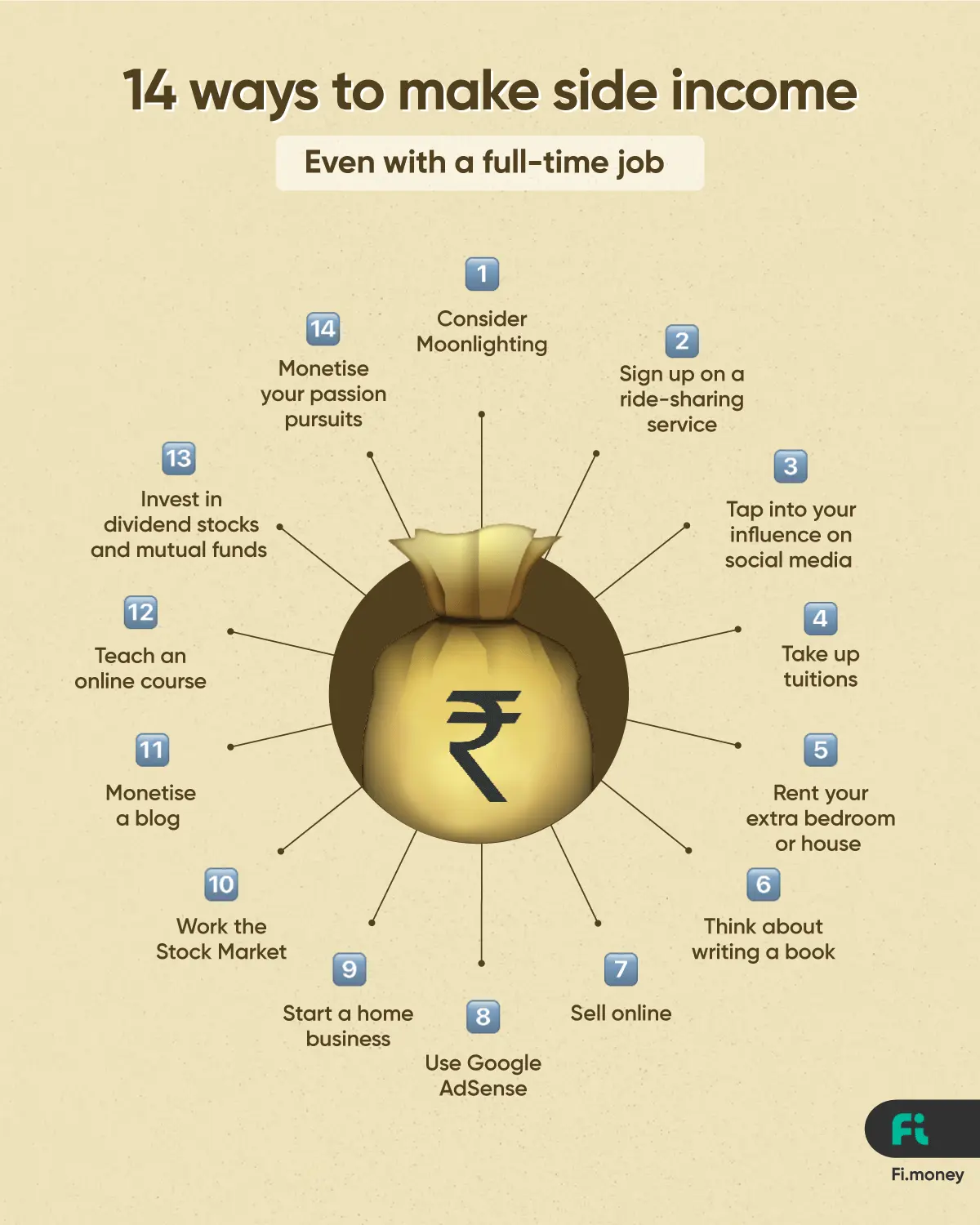
The landscape of extra income opportunities is vast and continually evolving, driven by technological advancements and shifting economic paradigms. From the flexibility of the gig economy to the potential of digital entrepreneurship, there are multiple pathways to explore.
Leveraging the Gig Economy
The gig economy has revolutionized how individuals can earn money, offering unparalleled flexibility and a diverse range of opportunities. Freelancing platforms like Upwork, Fiverr, and Toptal connect skilled professionals with clients seeking services in writing, graphic design, web development, virtual assistance, and more. For those with a vehicle, ridesharing services such as Uber and Lyft, or food delivery platforms like DoorDash and Uber Eats, provide a straightforward way to earn income on your own schedule. Task-based apps like TaskRabbit allow users to offer services ranging from handyman work and furniture assembly to pet sitting and running errands. The beauty of the gig economy lies in its low barrier to entry and the ability to choose when and how much you work, making it ideal for supplementing a primary income or for those seeking flexible work arrangements.
Monetizing Your Skills and Hobbies
Many individuals possess valuable skills or passionate hobbies that can be transformed into profitable income streams. If you have expertise in a particular academic subject, tutoring online or in person can be a highly rewarding option. Professionals with specialized knowledge can offer consulting services, helping businesses or individuals navigate complex challenges. Creative hobbies like crafting, painting, or jewelry making can be monetized by selling products on platforms like Etsy, at local markets, or through your own online store. Similarly, if you’re proficient in a musical instrument, a foreign language, or a sport, teaching classes or providing private lessons can generate significant extra income. The key is to identify what you’re good at and genuinely enjoy, then find a market for it.
Digital Income Streams
The internet has opened up an expansive realm of digital income opportunities, many of which can be operated from anywhere with an internet connection. Starting a blog or a YouTube channel can, over time, generate revenue through advertising, sponsorships, and affiliate marketing, where you earn a commission for promoting other companies’ products. Creating and selling online courses on platforms like Teachable or Udemy allows you to package your expertise into a valuable product that can earn passive income once created. E-commerce ventures, whether through dropshipping, selling print-on-demand merchandise, or curating unique products on Shopify, offer the potential for substantial earnings without the need for a physical storefront. These digital avenues often require an upfront investment of time and effort to build an audience or product, but the long-term passive income potential can be significant.
Passive Income Opportunities
While “passive” often implies earning money with minimal ongoing effort, most truly passive income streams require significant upfront capital, time, or expertise to establish. Real estate investments, such as renting out a spare room on Airbnb, can provide consistent income. For those with capital, dividend-paying stocks or peer-to-peer lending platforms can offer returns on investment. Creating digital products like e-books, stock photos, or software applications can generate income over an extended period after the initial creation. While these options often involve more complexity or risk than active income streams, they offer the potential for income generation that is less directly tied to your time, allowing for greater financial freedom in the long run.

Practical Strategies for Success
Securing extra income is not just about finding opportunities; it’s also about implementing effective strategies to ensure these ventures are sustainable, profitable, and aligned with your broader financial goals.
Starting Small and Scaling Up
The temptation to launch a grand, ambitious project can be strong, but a more prudent approach is often to start small. Begin with a single, manageable side hustle that requires minimal initial investment of time or money. This allows you to test the waters, validate your idea, and gain valuable experience without significant risk. For instance, instead of launching a full-scale e-commerce store, start by selling a few handmade items on Etsy or through social media. As you gain confidence, understand your market, and generate some initial income, you can gradually scale up. This might involve expanding your service offerings, investing in marketing, hiring assistance, or exploring new income streams. This iterative approach minimizes risk and builds a solid foundation for growth.
Building a Strong Online Presence (if applicable)
For many modern extra income ventures, particularly those in the digital and gig economies, a strong online presence is indispensable. This often means having a professional website or portfolio showcasing your skills, services, or products. Platforms like LinkedIn are crucial for networking and establishing professional credibility. Actively engaging on relevant social media channels can help you reach potential clients or customers, build a brand, and demonstrate your expertise. Consistently producing high-quality content – whether blog posts, videos, or social media updates – can position you as an authority in your niche, attracting opportunities and fostering trust. Even for non-digital services, a simple online presence can enhance visibility and legitimacy.
Time Management and Discipline
Integrating an extra income pursuit into an already busy schedule demands exceptional time management and discipline. It’s essential to treat your side hustle with the same seriousness as your primary job. Block out dedicated time slots in your calendar for your extra income activities and stick to them. Prioritize tasks effectively, focusing on those that yield the greatest return on your invested time. Avoid distractions and cultivate habits that support productivity. Remember that consistency, even in small increments, is often more effective than sporadic bursts of intense effort. Developing a strong work ethic and managing your time wisely will be critical to sustaining your extra income ventures without leading to burnout.
Financial Management of Extra Income
Successfully generating extra income is only half the battle; managing it wisely is the other. It’s crucial to separate your extra income from your primary earnings, perhaps by opening a dedicated bank account. This allows for clearer tracking and prevents the funds from being inadvertently absorbed into daily expenses. Create a budget specifically for your extra income, allocating funds towards your defined goals – whether that’s debt reduction, savings, or reinvestment back into your side hustle. Be mindful of tax implications; extra income is generally taxable, so set aside a percentage of your earnings to avoid a large tax bill at the end of the year. Consider reinvesting a portion of your profits back into your venture to foster growth, acquire new skills, or purchase necessary tools. Prudent financial management ensures your extra income genuinely contributes to your long-term financial well-being.
Navigating Challenges and Maximizing Returns
The journey to generating extra income is rarely without its hurdles. Understanding potential challenges and proactively implementing strategies to overcome them is key to maximizing your returns and ensuring the longevity of your efforts.
Overcoming Initial Hurdles
The initial stages of any new venture are often the most challenging. Many individuals face imposter syndrome, doubting their abilities or feeling unqualified to offer a service or product. Others might grapple with the fear of failure, paralyzing them from taking the first step. Market saturation can also appear daunting, leading one to believe there’s no room for another entrant. To overcome these hurdles, start by acknowledging these feelings as normal. Begin with small, achievable goals to build confidence. Focus on continuous learning and improvement, understanding that expertise develops over time. Instead of viewing market saturation as a barrier, identify a unique niche or angle that differentiates your offering. Persistence, coupled with a willingness to learn from setbacks, is crucial for pushing past these initial barriers.
Avoiding Scams and Unrealistic Promises
The allure of “get rich quick” schemes can be powerful, especially when seeking extra income. However, the internet is rife with scams and opportunities that promise significant returns for minimal effort. Always approach such offers with a healthy dose of skepticism. Be wary of opportunities that demand large upfront payments, guarantee exorbitant returns, or pressure you into quick decisions. Legitimate extra income streams typically require time, effort, skill, or a reasonable investment. Conduct thorough research, read reviews, and seek advice from trusted sources before committing to any new venture. Prioritize platforms and opportunities with transparent business models and a proven track record to protect yourself from financial loss and disappointment.
Scaling and Diversifying Your Income Streams
Once you’ve established a successful extra income stream, the next step is often to consider scaling and diversification. Scaling involves growing your existing venture, perhaps by expanding your client base, increasing your product offerings, or streamlining your processes to handle more volume. Diversification, on the other hand, means exploring additional, distinct income streams. This strategy helps mitigate risk; if one source of income experiences a downturn, others can compensate. For example, a freelance writer might also start an online course on writing or invest in dividend stocks. Diversification also leverages your existing skills in new ways and opens up new opportunities for growth and financial stability. However, avoid over-diversifying to the point where your efforts become too diluted; focus on a few strong, complementary streams.

Continuous Learning and Adaptation
The economic and digital landscapes are constantly evolving, meaning what works today might be obsolete tomorrow. To maintain and grow your extra income, continuous learning and adaptation are essential. Stay informed about industry trends, new technologies, and emerging opportunities within your niche. Invest in upskilling through online courses, workshops, or industry publications. Be open to feedback and willing to pivot your approach if market conditions or client needs change. Adaptability ensures that your skills remain relevant and your income streams remain viable and competitive. This proactive mindset not only sustains your current extra income efforts but also positions you to seize new opportunities as they arise, fostering long-term financial resilience and growth.
In conclusion, generating extra income is a multifaceted journey that offers immense potential for financial empowerment and personal growth. By thoughtfully assessing your motivations and resources, exploring diverse avenues from the gig economy to digital entrepreneurship, implementing practical strategies for success, and proactively navigating challenges, you can build a robust portfolio of income streams. The path requires discipline, continuous learning, and a strategic approach, but the rewards – greater financial freedom, reduced stress, and the ability to achieve your goals – are invaluable. Embrace the possibilities, take the first step, and unlock your potential for a more secure and prosperous future.
aViewFromTheCave is a participant in the Amazon Services LLC Associates Program, an affiliate advertising program designed to provide a means for sites to earn advertising fees by advertising and linking to Amazon.com. Amazon, the Amazon logo, AmazonSupply, and the AmazonSupply logo are trademarks of Amazon.com, Inc. or its affiliates. As an Amazon Associate we earn affiliate commissions from qualifying purchases.