
In an increasingly dynamic global economy, the desire to generate money goes far beyond simply earning a paycheck. It speaks to a fundamental human aspiration for security, freedom, and the ability to shape one’s own destiny. Whether you’re aiming to supplement your primary income, build a nest egg for retirement, escape the traditional 9-to-5, or fund a passion project, understanding the multifaceted approaches to wealth creation is paramount. This article delves into various strategies, from leveraging digital platforms to strategic investing and entrepreneurial ventures, providing a comprehensive guide to generating money in today’s world. It’s not just about earning more; it’s about building sustainable income streams and achieving genuine financial independence.
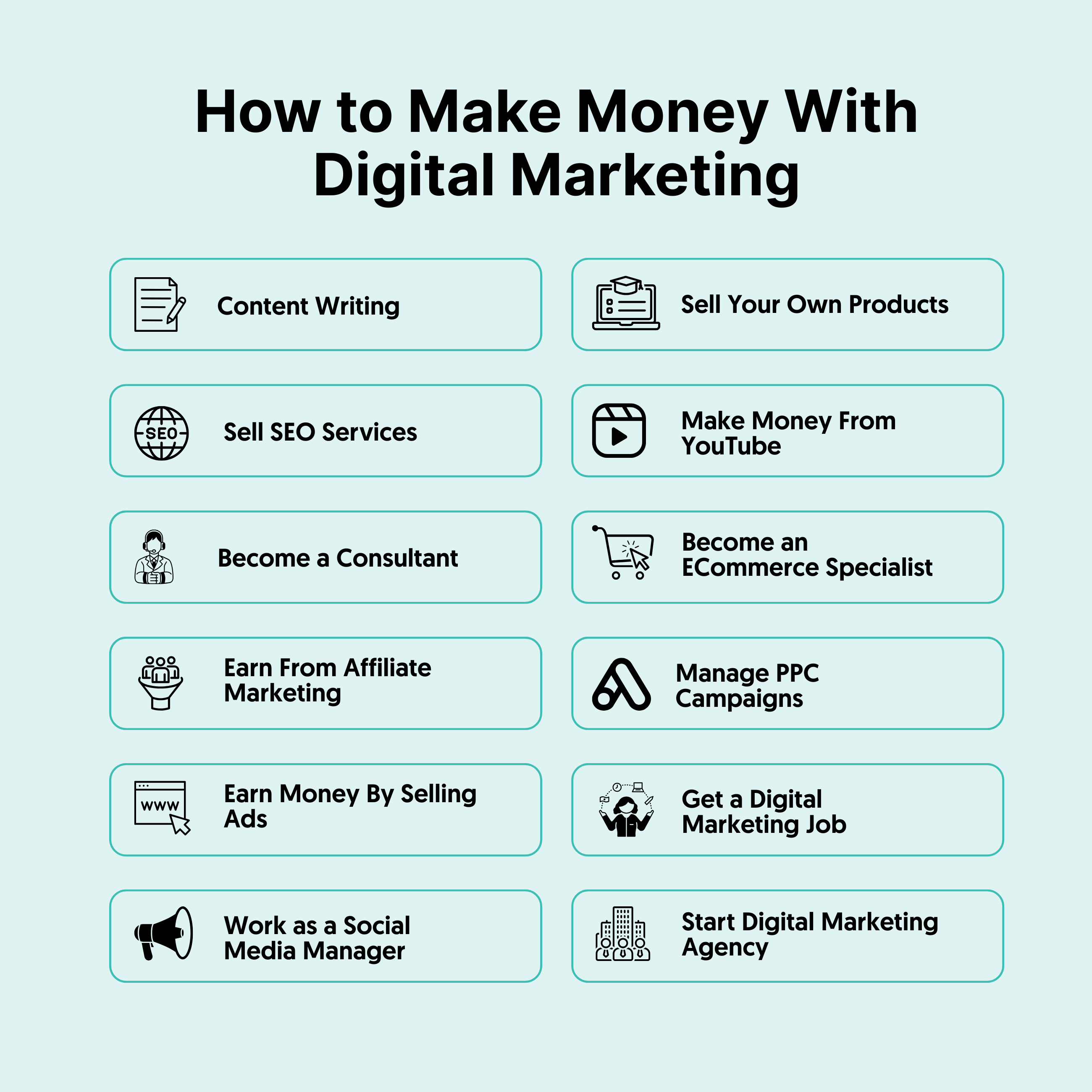
Understanding Diverse Income Streams
The first step in any robust money-generation strategy is to recognize that income doesn’t have to come from a single source. Diversification is key to financial resilience and growth. By cultivating multiple income streams, individuals can mitigate risks associated with relying on a single employer or industry, while simultaneously accelerating their financial goals.
Active vs. Passive Income
A fundamental distinction in wealth generation lies between active and passive income. Active income is what most people are familiar with: money earned in exchange for time and direct effort. This includes salaries, hourly wages, freelance earnings, or profits from a service-based business where you are directly performing the work. While active income is crucial for immediate needs and initial capital accumulation, it often has a direct cap based on the hours you can work or the services you can provide.
Passive income, on the other hand, is money earned with minimal ongoing effort once the initial setup is complete. Examples include rental income from properties, dividends from investments, royalties from creative works (books, music), profits from automated online businesses, or interest from savings accounts and bonds. The beauty of passive income is its potential to scale without a proportional increase in your time commitment, offering true financial leverage and freedom. While the “passive” aspect might be overstated for some streams (most require significant upfront work or capital), the ongoing maintenance is significantly lower than active income.
The Importance of Diversification
Relying solely on one income source, especially active income, leaves an individual vulnerable to economic downturns, job loss, or industry shifts. Imagine the sudden impact if your single source of income disappeared overnight. Diversification, therefore, is not merely a good idea; it’s a strategic imperative. By building multiple income streams – a blend of active and passive – you create a financial safety net. If one stream falters, others can help maintain your financial stability. Moreover, diversified income streams often feed into each other, allowing for faster capital accumulation which can then be reinvested to generate even more income. This cyclical growth is the engine of genuine wealth creation, moving beyond just “making ends meet” to building lasting prosperity.
Leveraging Digital Platforms for Online Income
The internet has democratized wealth generation, offering unprecedented opportunities for individuals to earn money from virtually anywhere in the world. Digital platforms have lowered barriers to entry, enabling millions to start businesses, offer services, and monetize their skills and creativity without significant upfront capital.
Freelancing and Gig Economy
The rise of the gig economy has transformed how people work, allowing individuals to offer their skills on a project-by-project basis. Platforms like Upwork, Fiverr, Freelancer.com, and Toptal connect skilled professionals with clients seeking services in a vast array of fields. Popular freelance services include:
- Writing and Editing: Content creation, copywriting, proofreading, technical writing.
- Graphic Design: Logo design, web design, branding, illustration.
- Web Development and Programming: Frontend, backend, mobile app development, data science.
- Virtual Assistance: Administrative tasks, customer service, social media management.
- Digital Marketing: SEO, social media marketing, email marketing, paid advertising.
The flexibility and control offered by freelancing are immense, but success requires building a strong portfolio, mastering self-promotion, and consistently delivering high-quality work. It represents a powerful form of active income that can be scaled by optimizing rates and efficiency.
Content Creation and Monetization
For those with a passion for sharing knowledge, entertainment, or unique perspectives, content creation offers a lucrative path. Platforms like YouTube, TikTok, Instagram, blogs, and podcasts allow creators to build an audience and monetize their content in several ways:
- Advertising Revenue: Sharing revenue from ads placed on videos (YouTube) or websites (Google AdSense).
- Sponsorships and Brand Deals: Collaborating with brands to promote products or services to your audience.
- Affiliate Marketing: Earning commissions by promoting products or services and driving sales through unique affiliate links.
- Direct Sales: Selling your own digital products (eBooks, courses, templates), merchandise, or consulting services directly to your audience.
- Audience Support: Receiving donations or subscriptions through platforms like Patreon, allowing fans to directly support their favorite creators.
Success in content creation demands consistency, authenticity, and a deep understanding of your niche audience. It can evolve from an active pursuit into a significant passive income stream as your library of evergreen content grows and continues to attract viewers or readers.
E-commerce and Online Sales
Selling physical or digital products online is another powerful way to generate money. The barriers to entry for starting an online store have significantly diminished thanks to platforms and services that simplify the process.
- Dropshipping: A retail fulfillment method where you don’t keep products in stock. Instead, when you sell a product, you purchase it from a third party and have it shipped directly to the customer. You profit from the difference in price. This model requires minimal upfront capital but demands strong marketing and customer service skills.
- Print-on-Demand (POD): Similar to dropshipping, but focused on custom-designed products like T-shirts, mugs, and phone cases. You create designs, upload them to a POD platform (e.g., Printful, Printify), and when a customer orders, the item is printed and shipped directly by the platform.
- Selling Handmade Goods: Platforms like Etsy provide a marketplace for artisans and crafters to sell unique handmade items, vintage goods, and craft supplies to a global audience.
- Direct-to-Consumer (DTC) Brands: Establishing your own e-commerce store using platforms like Shopify allows for greater brand control and higher profit margins. This approach is ideal for those with unique product ideas or a strong brand vision.
- Selling Digital Products: Creating and selling e-books, online courses, software, templates, or stock photos can generate highly scalable passive income with zero inventory costs.
E-commerce requires identifying a market need, creating a compelling product offering, and mastering online marketing to reach your target audience effectively.
Strategic Investing for Wealth Growth
While online income streams can provide substantial active and passive income, strategic investing is the cornerstone of long-term wealth accumulation. It involves putting your money to work for you, allowing it to grow over time through compound interest and market appreciation.
Foundational Investment Principles
Before diving into specific investments, understanding fundamental principles is crucial. Long-term thinking is paramount; investing is not a get-rich-quick scheme. Patience, discipline, and the ability to ride out market fluctuations are essential. Risk assessment involves understanding that all investments carry some degree of risk, and higher potential returns often come with higher risk. Diversification within your investment portfolio, similar to income diversification, helps mitigate risk. Finally, understanding different asset classes (stocks, bonds, real estate, commodities) and how they behave under various economic conditions is key to building a resilient portfolio.
Traditional Investment Vehicles
The most common and accessible investment vehicles form the backbone of many wealth-building strategies:

- Stocks: Represent ownership shares in public companies. Investing in stocks offers the potential for significant capital appreciation as company values grow, along with potential dividend payments.
- Bonds: Essentially loans made to governments or corporations. Bonds are generally considered less risky than stocks and provide regular interest payments, making them suitable for portfolio stability and income.
- Mutual Funds and Exchange-Traded Funds (ETFs): These are professionally managed collections of stocks, bonds, or other securities. They offer diversification within a single investment, making them ideal for investors who prefer not to select individual securities. ETFs, in particular, often have lower fees and are traded like stocks.
- Real Estate: Investing in physical properties (residential, commercial) can generate income through rent and appreciation in property value. It can be direct (buying a property) or indirect (investing in Real Estate Investment Trusts – REITs, which are like mutual funds for real estate).
These traditional vehicles, when held consistently over long periods, can leverage the power of compound interest to significantly grow your capital.
Exploring Alternative Investments
Beyond traditional assets, a range of alternative investments can further diversify a portfolio, though they often come with higher risk or illiquidity:
- Peer-to-Peer (P2P) Lending: Platforms connect individual borrowers with individual lenders, allowing you to earn interest on personal loans.
- Crowdfunding: Investing in startups or real estate projects through crowdfunding platforms, often for a share of equity or future profits. This is high risk but potentially high reward.
- Commodities: Investing in raw materials like gold, silver, oil, or agricultural products. These can act as a hedge against inflation.
- Cryptocurrencies: Digital assets like Bitcoin and Ethereum have gained prominence. While highly volatile, they offer potential for significant returns, but also significant losses. They should be approached with caution and a clear understanding of the underlying technology and market dynamics.
These alternatives can play a role in a well-diversified portfolio, but careful due diligence and a high-risk tolerance are necessary.
Building and Scaling a Business
Entrepreneurship is perhaps the most direct and potentially lucrative path to generating money, offering unparalleled control over income potential. It involves creating value, solving problems, and building systems that operate independently of your direct hourly input.
Identifying Market Gaps and Niche Opportunities
Every successful business begins with identifying a need or an underserved market. This requires keen observation, market research, and a willingness to understand customer pain points. Instead of trying to serve everyone, focusing on a niche market allows for more targeted marketing, specialized products or services, and stronger brand loyalty. A niche could be defined by demographics, psychographics, specific problems, or even geographic location. The key is to find a segment where you can offer unique value that competitors are not adequately providing.
Business Model Development and Validation
Once a market gap is identified, the next step is to develop a viable business model. This involves defining your product or service, your target customer, your value proposition, revenue streams, cost structure, and key resources. A crucial part of this process is validation: testing your assumptions and getting feedback from potential customers before investing heavily. This might involve creating a Minimum Viable Product (MVP), conducting surveys, or running small-scale pilot programs. Validation minimizes risk and ensures that you are building something people actually want and are willing to pay for.
Funding and Financial Management
Launching and scaling a business requires capital. Initial funding often comes from bootstrapping (self-funding), using personal savings, or taking out small loans. As the business grows, external funding options become available:
- Angel Investors: High-net-worth individuals who provide capital for startups, usually in exchange for equity.
- Venture Capital (VC): Firms that invest in high-growth potential startups, typically in exchange for significant equity and a role in strategic direction.
- Small Business Loans: Traditional bank loans or government-backed loans.
Regardless of the funding source, sound financial management is critical. This includes meticulous budgeting, cash flow forecasting, managing expenses, understanding profit margins, and planning for future growth. A solid grasp of your business’s financials ensures sustainability and allows for strategic decision-making to scale operations effectively.
Cultivating a Mindset for Financial Success
Generating money, especially significant wealth, is not solely about tactics and strategies; it’s deeply intertwined with one’s mindset, habits, and continuous personal development.
Financial Literacy and Continuous Learning
The financial world is complex and constantly evolving. Cultivating financial literacy is non-negotiable for anyone serious about generating money. This means understanding concepts like compound interest, inflation, taxation, different investment vehicles, and basic accounting principles. It also entails staying informed about economic trends, market shifts, and new opportunities. Financial education is an ongoing journey, requiring continuous learning through books, courses, reputable financial news sources, and engaging with financial professionals. The more you understand how money works, the better equipped you are to make informed decisions that serve your financial goals.
Discipline, Patience, and Resilience
Generating money is rarely a straight line to success. It often involves setbacks, failures, and periods of slow growth. This is where discipline and patience become paramount. Discipline is required to stick to budgets, maintain consistent saving and investing habits, and commit to entrepreneurial efforts even when immediate results aren’t visible. Patience is essential because wealth accumulation is a marathon, not a sprint; significant gains often accrue over years, not weeks.
Furthermore, resilience – the ability to bounce back from adversity – is crucial. Whether it’s a failed business venture, a market downturn, or an unexpected expense, challenges are inevitable. A resilient mindset views these obstacles not as endpoints, but as learning opportunities that refine strategies and strengthen resolve.
Budgeting, Saving, and Debt Management
Even the most sophisticated money-generation strategies are built on the bedrock of strong personal finance habits.
- Budgeting: Understanding exactly where your money comes from and where it goes is fundamental. A budget provides clarity, identifies areas for cost reduction, and allocates funds towards savings and investments.
- Saving: Consistently setting aside a portion of your income, even small amounts, is crucial for building an emergency fund, making investments, or funding business ventures. Automating savings can make this process effortless.
- Debt Management: High-interest debt (like credit card debt) can severely hamper your ability to generate and keep money. Prioritizing debt repayment, especially high-interest debt, frees up capital that can then be directed towards wealth-generating activities. Avoiding unnecessary debt is equally important.
These foundational habits ensure that the money you generate isn’t immediately eroded by expenses or debt, allowing it to contribute meaningfully to your financial growth.

Conclusion
Generating money in today’s world is an expansive and empowering endeavor. It’s about moving beyond the limitations of a single income stream and strategically building a financial ecosystem that supports your life goals. Whether through the active efforts of freelancing and entrepreneurship, the passive potential of content creation and e-commerce, or the long-term compounding power of strategic investing, the opportunities are vast.
The journey requires a blend of practical strategies, diligent execution, and a resilient mindset rooted in continuous learning and financial discipline. By understanding diverse income streams, leveraging digital platforms, investing wisely, and cultivating healthy financial habits, anyone can embark on a path to greater financial security, independence, and ultimately, the freedom to live life on their own terms. The tools and knowledge are available; the crucial first step is to take action and commit to the ongoing process of building your financial future.
aViewFromTheCave is a participant in the Amazon Services LLC Associates Program, an affiliate advertising program designed to provide a means for sites to earn advertising fees by advertising and linking to Amazon.com. Amazon, the Amazon logo, AmazonSupply, and the AmazonSupply logo are trademarks of Amazon.com, Inc. or its affiliates. As an Amazon Associate we earn affiliate commissions from qualifying purchases.