
In an increasingly digital world, the convenience of streaming services like Paramount Plus offers endless entertainment at our fingertips. Yet, this convenience comes with a recurring cost, a monthly commitment that, while seemingly small on its own, can quietly chip away at your financial stability. When a Paramount Plus subscription, or any streaming service for that matter, pushes you over budget, it’s not just an isolated expense; it’s a symptom of deeper financial disarray that can have far-reaching implications for your personal finance health. Understanding these consequences is the first step toward regaining control and building a more resilient financial future.

The Insidious Nature of Subscription Overspending
The modern consumer landscape is a minefield of recurring charges. From fitness apps and productivity tools to music streaming and, crucially, video content platforms like Paramount Plus, subscriptions have become a ubiquitous part of our daily lives. While each individual charge might be modest – perhaps $5.99, $9.99, or $11.99 for Paramount Plus – their cumulative effect can be surprisingly potent, leading many down a treacherous path of overspending.
Understanding the “Death by a Thousand Cuts”
This phenomenon, often referred to as “death by a thousand cuts,” illustrates how numerous small expenses, when combined, can inflict significant damage on your budget. A single Paramount Plus subscription might seem innocuous. Add Netflix, Hulu, Spotify, a gym membership, a meal kit service, and various app subscriptions, and suddenly your discretionary spending budget is swallowed whole. Each charge feels justifiable in isolation, promising value, entertainment, or convenience, but the aggregate often goes unmonitored until financial strain becomes undeniable. This gradual erosion of funds makes it difficult to pinpoint the exact source of budget woes, leading to frustration and a sense of powerlessness.
The Psychology Behind Subscription Accumulation
Our brains are wired to seek instant gratification and avoid perceived loss. Marketing strategies for subscriptions leverage this by offering free trials, discounted introductory periods, and bundles that make signing up incredibly easy. The “set it and forget it” nature of recurring billing also plays a significant role; once signed up, the monthly deduction becomes part of the background noise of our bank statements, often overlooked amidst larger transactions. Furthermore, social influence and the fear of missing out (FOMO) can drive subscription choices. If friends are discussing a new show on Paramount Plus, there’s an inherent desire to join in, even if it means stretching an already tight budget. This psychological susceptibility makes us prone to accumulating subscriptions without a conscious assessment of their long-term financial impact.
Paramount Plus as a Case Study
Paramount Plus, with its extensive library of movies, original series, and live sports, offers compelling value. However, like any optional entertainment service, its value is subjective and needs to be weighed against one’s financial capacity. If the subscription fee for Paramount Plus, even at its basic tier, causes you to dip into savings, rely on credit cards, or forgo essential expenses, it transitions from being an entertainment luxury to a financial liability. It serves as an excellent microcosm to examine how easily a single, seemingly affordable service can be the tipping point when a budget is already stretched thin by other similar commitments.
Immediate Financial Repercussions of Budget Overrun
When a Paramount Plus subscription, or the sum of all subscriptions, pushes you past your financial limits, the consequences are immediate and tangible. These aren’t abstract concepts; they manifest directly in your bank account and daily spending habits.
Impact on Your Monthly Budget
The most direct and immediate consequence is the disruption of your carefully planned monthly budget. If you’ve allocated a specific amount for “entertainment” or “discretionary spending,” and your subscriptions exceed that, you’re forced to reallocate funds from other critical categories. This might mean cutting back on groceries, delaying a necessary car repair, or skimping on utilities. When this happens consistently, the budget becomes a theoretical exercise rather than a practical guide, leading to constant financial stress and a feeling of always being behind. The ripple effect means less money for gas, dining out, or even essentials, turning what should be a comfortable financial month into a tightrope walk.
Draining Savings and Emergency Funds
A far more dangerous repercussion of consistent overspending on subscriptions is the erosion of your savings and emergency funds. If your income isn’t enough to cover all expenses, including subscriptions, the deficit often gets covered by dipping into money set aside for future goals or unexpected crises. This might start with small withdrawals, but it quickly becomes a habit. Using your emergency fund to cover recurring non-essential expenses defeats its entire purpose, leaving you vulnerable to genuine emergencies like job loss, medical bills, or major home repairs without a financial safety net. This can trigger a downward spiral, making it incredibly difficult to recover and rebuild your financial security.
Potential for Debt Accumulation
Perhaps the most severe immediate consequence is the reliance on credit cards to bridge the gap created by over-budget spending. When bank accounts run low due to excessive subscription charges and other expenses, it’s tempting to put the deficit on a credit card. While this offers temporary relief, it introduces high-interest debt that compounds rapidly. A $9.99 Paramount Plus subscription paid with a credit card that carries a 20% APR can quickly turn into a much larger sum if the balance isn’t paid off in full each month. This accumulation of high-interest debt can trap individuals in a cycle where they are paying more in interest than they are on the actual services, significantly hindering their ability to achieve financial freedom.
Broader Implications for Long-Term Financial Health
The immediate effects of subscription overspending are alarming enough, but the true danger lies in how these habits can derail your long-term financial stability and overall well-being. Financial health isn’t just about managing today’s bills; it’s about building a secure future.
Hindering Long-Term Financial Goals
Every dollar spent unnecessarily on a subscription when you’re over budget is a dollar not invested in your future. Whether it’s saving for a down payment on a house, contributing to a retirement fund, funding your children’s education, or building a robust investment portfolio, every long-term financial goal requires consistent contributions. When a significant portion of your income is allocated to entertainment services you can’t truly afford, these vital goals are put on hold or progress at a snail’s pace. The compound effect of missed savings and investments over years can amount to hundreds of thousands of dollars in lost potential wealth, making it significantly harder to achieve financial independence and stability in later life.
Opportunity Cost of Unchecked Spending

The concept of opportunity cost is critical in personal finance: every choice has an alternative that is foregone. When you prioritize a Paramount Plus subscription that pushes you over budget, the opportunity cost is whatever else that money could have done. It could have been used to pay down high-interest debt faster, reducing your financial burden and freeing up future cash flow. It could have gone into an emergency fund, providing peace of mind. Or it could have been invested, growing your wealth passively over time. Unchecked spending on non-essentials means consistently choosing short-term gratification over long-term financial well-being, a choice that accumulates profound regret over time.
Stress and Mental Health Burden
Financial stress is a pervasive issue that can severely impact mental and physical health. Constantly worrying about bills, seeing your bank account dwindle, and feeling trapped in a cycle of spending can lead to anxiety, depression, sleep disturbances, and strained relationships. The shame or guilt associated with being unable to manage finances, especially over something seemingly trivial like a streaming service, can be immense. This mental health burden can, in turn, affect productivity at work, decision-making abilities, and overall quality of life, creating a vicious cycle where financial stress exacerbates other life challenges.
Strategies for Regaining Control and Budgeting Smartly
Recognizing the problem is the first step; taking decisive action is the second. Regaining control over subscription overspending requires a proactive and systematic approach to your finances.
Conducting a Subscription Audit
The most effective way to start is by performing a comprehensive subscription audit. This involves reviewing all your bank statements and credit card bills for the past 12 months to identify every single recurring charge. Many banking apps and budgeting tools can help automate this process, categorizing expenses and highlighting subscriptions. You might be surprised by how many services you’re still paying for but no longer use or even remember signing up for. List them all out, noting the service, the monthly cost, and when the payment typically occurs. This creates a clear picture of your total recurring subscription expenditure.
Prioritizing and Eliminating Redundancies
Once you have your audit complete, it’s time to get ruthless. For each subscription, ask yourself:
- Do I actively use this service?
- Does it provide significant value or joy?
- Can I get similar content/services elsewhere for free or less?
- Do I have multiple services that offer similar content (e.g., two streaming platforms for movies)?
Prioritize the essential services and those that genuinely enrich your life without breaking the bank. Be prepared to cut redundancies. Do you really need Paramount Plus and another premium movie service if your primary goal is just general entertainment? Consider rotating subscriptions: subscribe to one service for a few months to catch up on shows, then cancel and switch to another. This maximizes value without continuous simultaneous drain.
Implementing Budgeting Tools and Apps
Modern technology offers powerful allies in the fight against budget overruns. Utilize budgeting apps like Mint, YNAB (You Need A Budget), Personal Capital, or even simple spreadsheet templates. These tools allow you to track your income and expenses in real-time, set spending limits for categories like “entertainment,” and alert you when you’re nearing your budget cap. Many can also help you identify and manage your subscriptions more effectively, preventing future auto-renewals from catching you off guard. By actively monitoring your cash flow, you gain the awareness needed to make informed spending decisions.
Negotiating or Exploring Alternatives
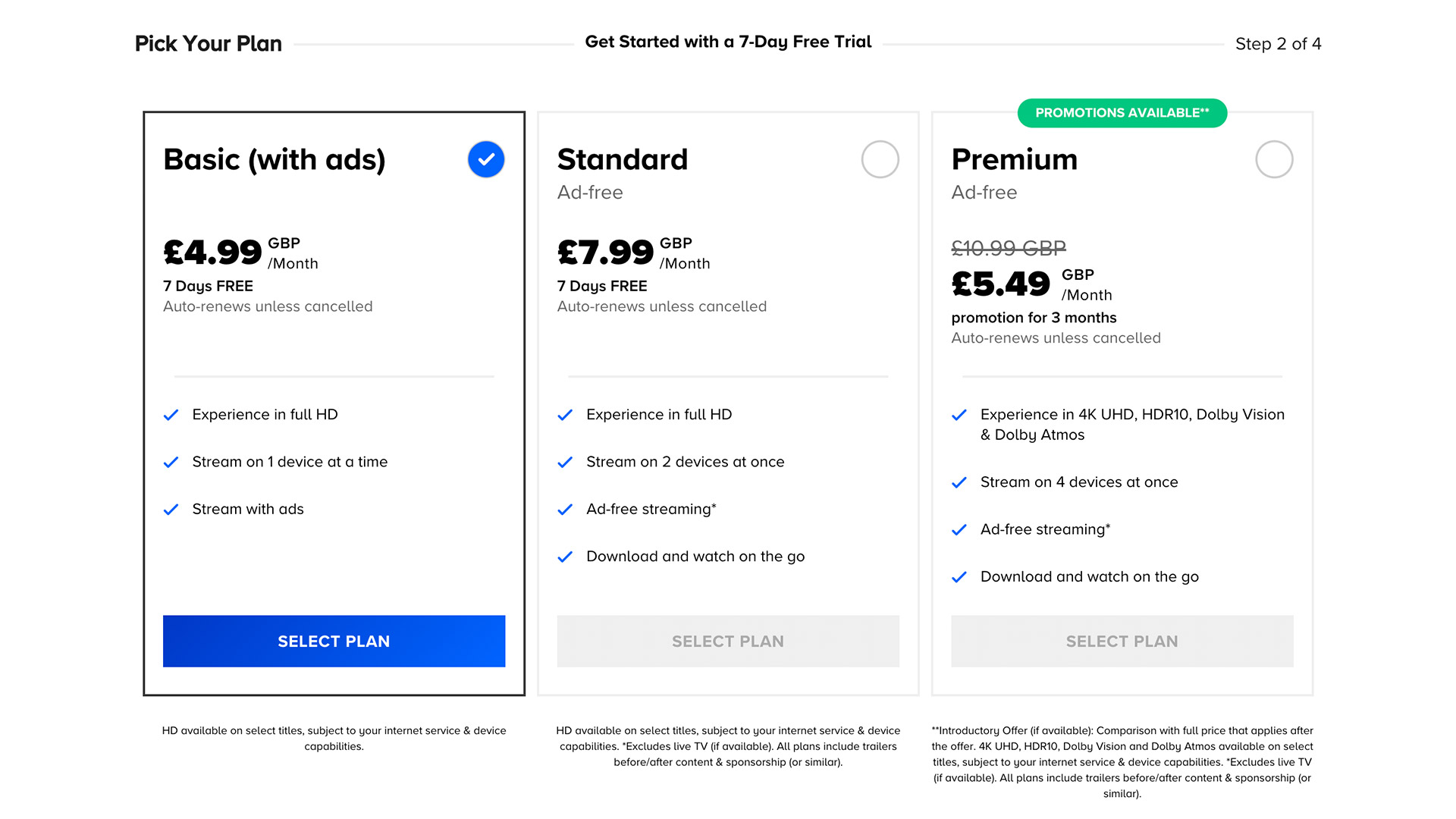
Before cutting a service you genuinely love, explore alternatives. For Paramount Plus, consider if the ad-supported tier ($5.99/month) meets your needs compared to the ad-free version ($11.99/month), effectively halving your cost. Some services offer annual subscriptions at a discount compared to monthly payments, which might be a viable option if you’re confident in your long-term usage and can afford the upfront cost. Additionally, check for student discounts, military discounts, or bundles with other services you already use (e.g., mobile phone plans often offer free or discounted streaming subscriptions). Sometimes, a simple phone call to customer service to inquire about current promotions can yield positive results.
Preventing Future Subscription Overruns
Regaining control is crucial, but building a system to prevent future overspending is equally important. This involves cultivating mindful spending habits and establishing robust financial boundaries.
Setting Spending Limits for Entertainment
Integrate specific, realistic spending limits for entertainment within your overall budget. This isn’t about deprivation but about conscious allocation. Decide how much you can comfortably afford for all entertainment – including streaming, dining out, movies, and hobbies – without compromising your financial goals. If that limit is $50, then your combined streaming services (Paramount Plus included) must fit within that. This forces you to make deliberate choices about where your entertainment dollars go, ensuring they align with your broader financial capacity.
Regular Financial Reviews
Make a habit of conducting regular financial reviews, ideally monthly or quarterly. This isn’t just about paying bills; it’s about sitting down with your budget and bank statements to assess your progress. During these reviews, specifically check for new or forgotten subscriptions. Are there any dormant charges? Are your current subscriptions still providing value? This proactive approach allows you to catch budget creep before it spirals out of control, making adjustments as your needs and financial situation evolve. It turns budgeting from a reactive chore into a powerful tool for financial empowerment.
The “Value Proposition” Test Before Subscribing
Before signing up for any new subscription, including a future trial of a service similar to Paramount Plus, subject it to a rigorous “value proposition” test. Ask yourself:
- Is this a want or a need?
- How often will I realistically use this?
- Does it align with my current financial goals and budget?
- What is the true cost over a year?
- What am I giving up by adding this to my expenses?
If the answers don’t clearly justify the recurring expense, walk away. Develop a healthy skepticism towards free trials that automatically convert to paid subscriptions. Set calendar reminders to cancel before the trial ends if you’re not absolutely certain it’s a valuable addition to your financial life. This mindful approach transforms you from a passive consumer into an active manager of your resources.
Ultimately, having a Paramount Plus subscription push you over budget is a clear signal to reassess your spending habits and financial priorities. It highlights the collective power of small, recurring expenses to undermine your financial health. By understanding the causes, recognizing the profound repercussions, and implementing smart budgeting strategies, you can transform a potential financial pitfall into an opportunity to build a stronger, more resilient financial future, where entertainment truly enhances your life without compromising your peace of mind.
aViewFromTheCave is a participant in the Amazon Services LLC Associates Program, an affiliate advertising program designed to provide a means for sites to earn advertising fees by advertising and linking to Amazon.com. Amazon, the Amazon logo, AmazonSupply, and the AmazonSupply logo are trademarks of Amazon.com, Inc. or its affiliates. As an Amazon Associate we earn affiliate commissions from qualifying purchases.