
Tesla, a name synonymous with electric vehicles (EVs) and renewable energy, has revolutionized the automotive industry. At the heart of this revolution lies its advanced battery technology, which powers everything from its iconic cars to its home energy storage solutions. The question of “who makes Tesla batteries?” isn’t as straightforward as it might seem, revealing a complex ecosystem of global partnerships, sophisticated supply chains, and Tesla’s own ambitious internal development efforts. Understanding this landscape is crucial to grasping the technological prowess that underpins Tesla’s market leadership.
The Core Suppliers: A Web of Global Partnerships
Tesla’s strategy for battery procurement has historically been characterized by strategic alliances with leading battery manufacturers. This approach allows Tesla to leverage the expertise and production scale of established players while focusing its own resources on innovation in battery design, software, and vehicle integration.

Panasonic: The Long-Standing Alliance
For many years, Panasonic was virtually synonymous with Tesla’s battery supply. This partnership dates back to the early days of Tesla, when Panasonic supplied the 18650 cells for the original Roadster and Model S/X. Their collaboration deepened significantly with the establishment of Gigafactory 1 in Nevada, a colossal facility where Panasonic manufactures battery cells, and Tesla then assembles them into battery packs for the Model 3 and Model Y vehicles produced in North America.
Panasonic’s key contribution has been the development and production of the 2170 cell, a larger, more energy-dense cylindrical cell format that became the backbone of the Model 3 and Model Y. This cell format offered a significant improvement in energy density and cost efficiency compared to its predecessor. The continuous refinement of this technology, driven by joint engineering efforts, has been critical to Tesla’s ability to offer compelling range and performance. While Panasonic’s initial exclusivity has evolved, their role remains pivotal, especially for high-performance variants and continuous innovation in cylindrical cell technology.
LG Energy Solution: Expanding the Portfolio
As Tesla expanded its global production footprint, particularly with Gigafactory Shanghai and later Gigafactory Berlin-Brandenburg, it became strategically necessary to diversify its battery suppliers. This led to a significant partnership with LG Energy Solution (LGES), one of the world’s largest battery manufacturers.
LGES primarily supplies cylindrical cells for Tesla’s Model 3 and Model Y production outside of North America, particularly for vehicles destined for the Chinese and European markets. Their extensive manufacturing capabilities and diverse portfolio of battery chemistries and formats have provided Tesla with greater supply chain flexibility and resilience. LGES is known for its high-nickel NCM (Nickel-Cobalt-Manganese) chemistry cells, which offer excellent energy density, crucial for maximizing vehicle range. This diversification strategy helps Tesla mitigate risks associated with relying on a single supplier and allows for optimization of battery sourcing based on regional demands and specific vehicle requirements.
CATL: LFP Technology and Cost Efficiency
The most recent significant addition to Tesla’s battery supplier ecosystem is Contemporary Amperex Technology Co. Limited (CATL), a Chinese battery giant and the world’s largest EV battery manufacturer. CATL’s entry marked a strategic shift for Tesla, particularly with the adoption of Lithium Iron Phosphate (LFP) battery chemistry for standard range vehicles.
LFP batteries offer several compelling advantages: they are generally more affordable to produce due to the absence of expensive cobalt, boast a longer cycle life (meaning they can be charged and discharged more times), and are considered safer and more stable. While LFP cells typically have a lower energy density than high-nickel NMC/NCA cells, making them less ideal for maximum range applications, their cost-effectiveness and durability make them perfect for entry-level and standard range models. Tesla’s decision to utilize CATL’s LFP batteries for its standard range Model 3 and Model Y in various markets has been instrumental in lowering vehicle prices, making EVs more accessible, and reducing reliance on nickel and cobalt, materials with complex ethical and supply chain considerations. This move underscores Tesla’s pragmatic approach to battery technology, tailoring solutions to specific vehicle segments and market needs.
The Evolving Supplier Landscape
Tesla’s strategy of diversifying its battery suppliers is a complex technical and logistical undertaking. It enhances supply chain resilience, mitigates geopolitical risks, and fosters competitive innovation among its partners. By working with multiple manufacturers, Tesla gains access to a broader spectrum of battery chemistries, cell formats, and manufacturing processes, allowing it to fine-tune its vehicles for different markets and price points while continuously pushing the boundaries of performance and cost.
Tesla’s Internal Battery Ambitions: Towards Vertical Integration
While strategic partnerships remain crucial, Tesla has long harbored ambitions to become a significant player in battery manufacturing itself. This drive towards vertical integration is motivated by a desire for greater control over its most critical component, accelerate innovation, reduce costs, and secure future supply.
Project “Roadrunner” and the 4680 Cell
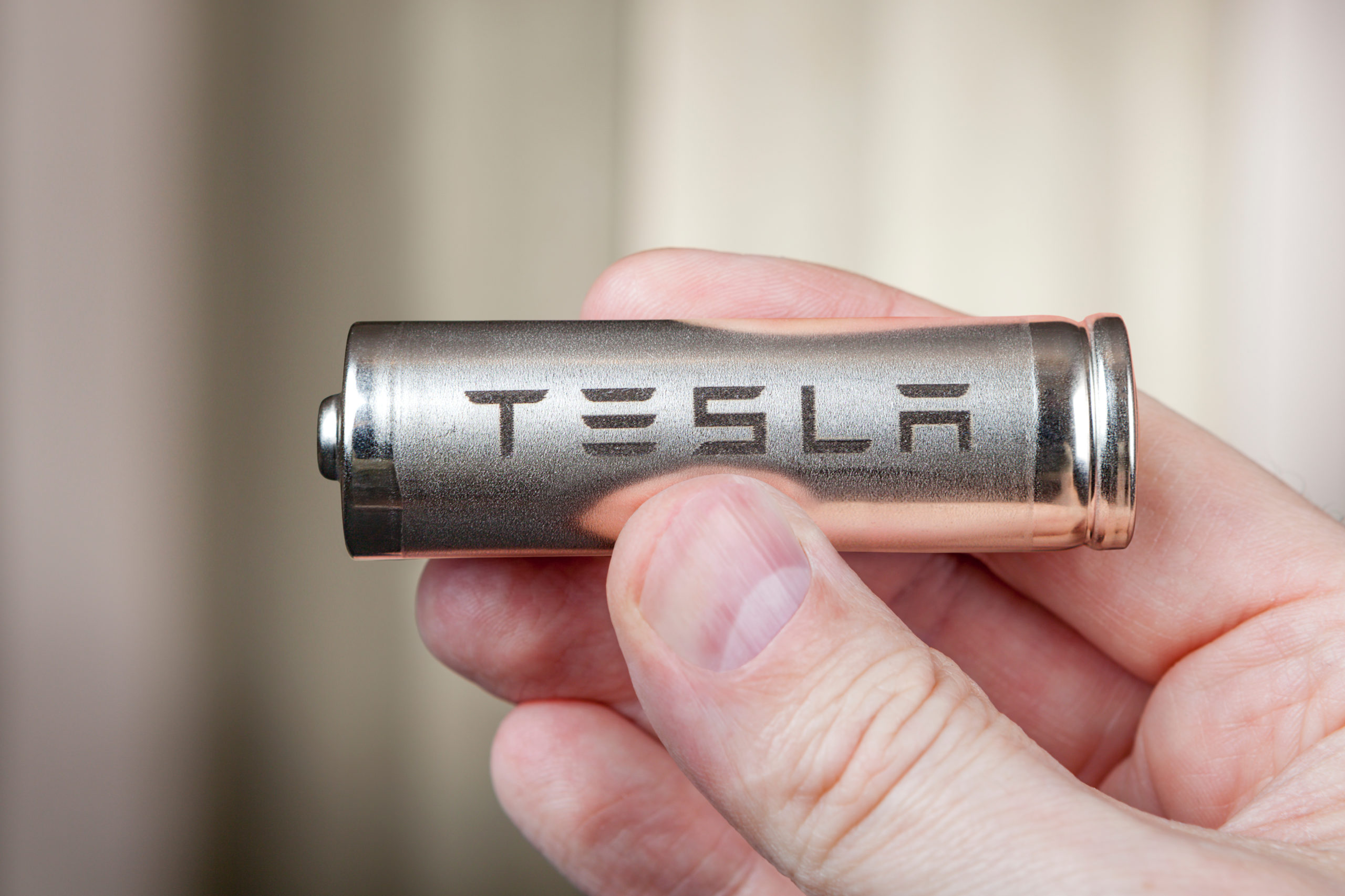
The culmination of Tesla’s internal battery development efforts was unveiled at its “Battery Day” in September 2020. Central to this presentation was the introduction of the 4680 cell – a new, larger cylindrical cell format (46mm diameter, 80mm height) developed in-house. This cell design represents a radical departure, aiming for significant improvements across several key metrics.
The 4680 cell promises a 5x increase in energy, a 6x increase in power, and a 16% increase in range for the vehicle, all while targeting a substantial reduction in cost per kWh. These ambitious targets are achieved through a combination of innovations: a tabless design for improved current flow and thermal performance, new silicon anode materials, and a more efficient dry electrode coating process. The larger format also simplifies battery pack assembly.
Battery Day Revelations and Manufacturing Innovation
At Battery Day, Tesla detailed its vision for a vertically integrated battery production process. This includes mining and refining raw materials, manufacturing cells, and integrating them into the vehicle. Key manufacturing innovations highlighted include:
- Dry Electrode Process: Acquired through Maxwell Technologies, this process dramatically reduces the energy and capital expenditure required for electrode production by eliminating the solvent-drying step. It promises a significant reduction in manufacturing footprint and cost.
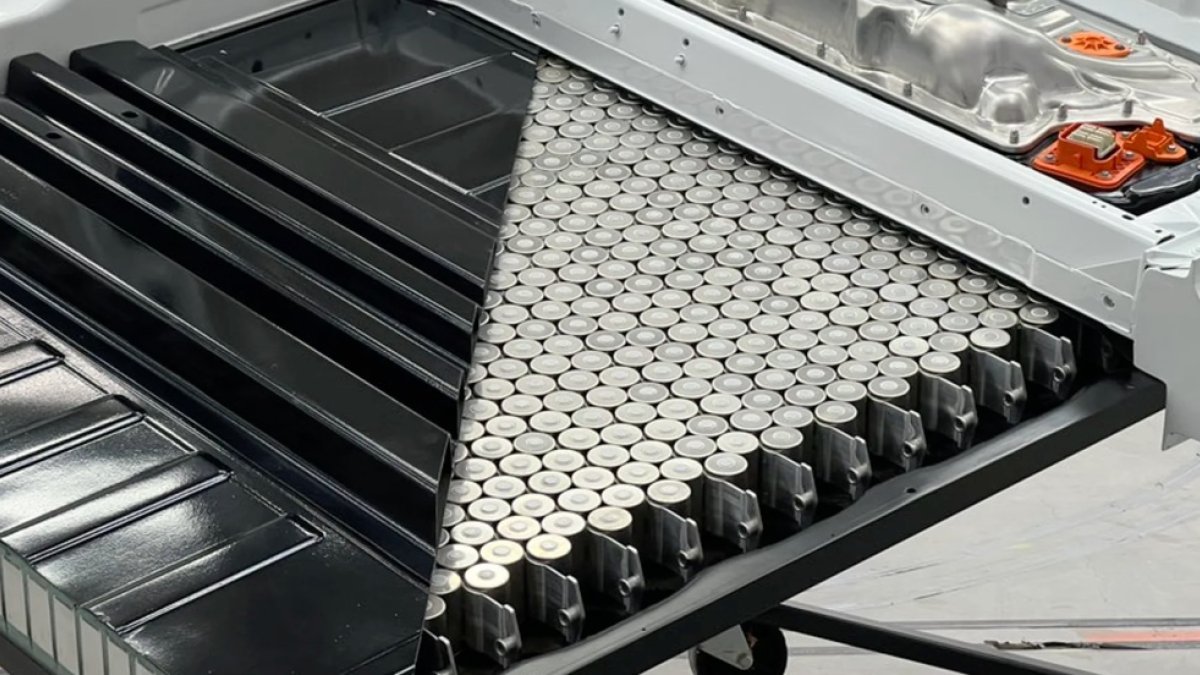
- Cell-to-Pack and Cell-to-Vehicle Integration: Instead of grouping cells into modules and then into a pack, Tesla aims to integrate the 4680 cells directly into the vehicle’s structure. This “structural battery pack” not only saves weight and cost by eliminating redundant housing but also significantly enhances the vehicle’s structural rigidity and crashworthiness.
Maxwell Technologies Acquisition and Dry Electrode Process
The acquisition of Maxwell Technologies in 2019 was a strategic move specifically aimed at bringing advanced dry electrode manufacturing technology in-house. This proprietary process, still challenging to scale to mass production, is seen as a game-changer. By significantly simplifying and de-risking the electrode manufacturing step, it has the potential to unlock unprecedented cost reductions and accelerate the path to higher energy density batteries. It’s a testament to Tesla’s belief that manufacturing innovation is as crucial as material science in the pursuit of battery superiority.
The Challenge of Scaling Production
While the vision for the 4680 cell and structural battery pack is compelling, scaling production to meet Tesla’s rapidly growing demand has proven to be an immense challenge. Battery manufacturing is an incredibly complex, capital-intensive, and precise process. Tesla has invested heavily in its own pilot and production lines at Gigafactory Texas and Fremont, but initially, progress has been slower than anticipated. This difficulty underscores why external suppliers remain vital, as they fill the gap while Tesla refines and expands its internal manufacturing capabilities. The goal is not necessarily to produce all batteries internally but to gain full control over the technology, reduce dependence, and drive down costs across the entire supply chain.
The Technological Edge: Beyond the Cell Chemistry
Tesla’s battery prowess extends far beyond merely choosing the right cell suppliers or developing new cell formats. A significant part of its technological advantage lies in how it manages, integrates, and optimizes these cells within its vehicles.
Battery Management Systems (BMS)
Tesla’s Battery Management System (BMS) is widely regarded as one of the most sophisticated in the industry. It’s a complex interplay of hardware and software designed to monitor and control every single cell within the battery pack. The BMS performs critical functions:
- Optimizing Performance: It ensures each cell operates within its optimal voltage and temperature range, maximizing power output and charging speed.
- Extending Longevity: By balancing cell charge and discharge, the BMS prevents overcharging or over-discharging individual cells, which can degrade battery health over time. This is key to Tesla batteries often outliving the perceived lifespan of initial EVs.
- Ensuring Safety: The BMS actively monitors for anomalies, such as overheating or short circuits, and can take corrective actions to prevent thermal runaway, a critical safety feature in high-energy battery packs.
- Predictive Analytics: Tesla’s fleet learning, where data from millions of vehicles is anonymously collected and analyzed, allows its BMS to continuously improve its algorithms, making it even smarter at predicting battery behavior and optimizing performance in various conditions.
Thermal Management Systems
Effective thermal management is paramount for lithium-ion batteries. Batteries perform optimally and degrade slowest within a specific temperature window. Tesla’s liquid-cooled thermal management system is highly advanced, using a sophisticated network of cooling lines and heat exchangers to regulate battery temperature precisely.
This system is crucial for:
- Performance: It allows for sustained high power output without overheating, preventing “power derating” during aggressive driving.
- Fast Charging: During DC fast charging, a significant amount of heat is generated. The thermal management system efficiently dissipates this heat, allowing for faster charging speeds without damaging the battery.
- Cold Weather Performance: In cold climates, the system can pre-condition the battery, warming it to an optimal operating temperature for efficient power delivery and regenerative braking.
- Longevity: By maintaining optimal temperatures, the system significantly contributes to the long-term health and degradation resistance of the battery pack.
Structural Battery Packs and Vehicle Integration
The concept of the structural battery pack, introduced with the 4680 cell, represents a paradigm shift in vehicle architecture. Instead of the battery pack being a separate, heavy component simply bolted onto the vehicle, it becomes an integral, load-bearing part of the chassis.
This integration offers several technological benefits:
- Weight Reduction: Eliminating the separate battery module enclosures and floor pan cross-members reduces overall vehicle weight.
- Increased Structural Rigidity: The battery pack contributes directly to the vehicle’s torsional stiffness, improving handling and ride quality.
- Manufacturing Simplification: Fewer parts mean a simpler, more efficient assembly process, reducing production costs and complexity.
- Improved Crashworthiness: By distributing crash forces more effectively, the structural pack can enhance occupant safety.
Recycling and Sustainability Initiatives
As EV adoption accelerates, the question of battery end-of-life becomes increasingly important. Tesla is actively investing in battery recycling and developing closed-loop material supply chains. Their approach involves directly processing battery cells at their facilities to recover valuable materials like nickel, cobalt, and lithium, which can then be reused in new battery production. This commitment to a circular economy minimizes environmental impact and reduces reliance on finite virgin resources.
The Future of Tesla Battery Technology
Tesla’s pursuit of battery innovation is relentless, driven by the fundamental goals of increasing energy density, reducing costs, and enhancing sustainability.
Materials Science and Next-Generation Chemistries
The future will likely see continued evolution in battery chemistry. Tesla is exploring and developing technologies such as:
- Silicon Anodes: Incorporating silicon into anodes can significantly increase energy density compared to traditional graphite, though challenges with volume expansion during charging need to be overcome.
- Cobalt Reduction/Elimination: Reducing or eliminating cobalt from high-nickel cathodes is a continuous focus due to its cost, supply chain complexity, and ethical concerns.
- Solid-State Batteries: While still largely in the research phase for automotive applications, solid-state batteries (which replace liquid electrolytes with solid ones) promise even greater energy density, faster charging, and enhanced safety. Tesla, like many others, is likely monitoring and contributing to developments in this long-term horizon.
Energy Density vs. Cost: The Ongoing Balancing Act
The future of Tesla’s battery strategy will continue to involve a sophisticated balancing act between maximizing energy density (for range and performance) and minimizing cost (for affordability). This will lead to a tailored approach: high-nickel chemistries for premium, long-range vehicles, and LFP for standard range, cost-sensitive models, with new chemistries potentially filling gaps in between.
Supply Chain Security and Ethical Sourcing
As global demand for battery raw materials surges, securing a stable and ethically sourced supply chain will be paramount. Tesla is actively engaging in direct partnerships with mining companies, exploring new extraction technologies, and ensuring responsible sourcing practices to minimize environmental and social impacts. This involves a comprehensive approach to auditing and transparency throughout the supply chain.
The Drive for Energy Independence
Ultimately, Tesla’s long-term vision is to achieve a significant degree of energy independence. This means not just manufacturing its own batteries but potentially controlling more of the raw material extraction and refinement processes. This ambition underscores the strategic importance of batteries to Tesla’s entire business model, from electric vehicles to grid-scale energy storage solutions like the Megapack.
In conclusion, “who makes Tesla batteries?” is a question with a dynamic and multifaceted answer. It’s a story of strategic global partnerships with battery giants like Panasonic, LG Energy Solution, and CATL, leveraging their scale and expertise. Simultaneously, it’s a testament to Tesla’s audacious internal innovation, exemplified by the 4680 cell and structural battery pack, and its relentless pursuit of manufacturing breakthroughs. Beyond the cells themselves, Tesla’s technological edge lies in its sophisticated battery management, thermal systems, and vehicle integration. This blend of external collaboration and internal vertical integration ensures that Tesla remains at the forefront of battery technology, continuously driving the evolution of electric vehicles and sustainable energy solutions.
aViewFromTheCave is a participant in the Amazon Services LLC Associates Program, an affiliate advertising program designed to provide a means for sites to earn advertising fees by advertising and linking to Amazon.com. Amazon, the Amazon logo, AmazonSupply, and the AmazonSupply logo are trademarks of Amazon.com, Inc. or its affiliates. As an Amazon Associate we earn affiliate commissions from qualifying purchases.