
The question “who is the owner of Tesla company?” might seem straightforward, elicating a simple name or entity. However, in the realm of modern corporate structures, especially for a publicly traded titan like Tesla, Inc., the answer is far more nuanced and, critically, deeply intertwined with its brand identity. While legally, a publicly traded company is owned by its shareholders, the common understanding of “owner” often points to the dominant figure, the visionary leader whose personal brand and corporate identity become inseparable. For Tesla, this figure is undeniably Elon Musk, whose influence extends far beyond mere shareholding to define the very essence of the brand.
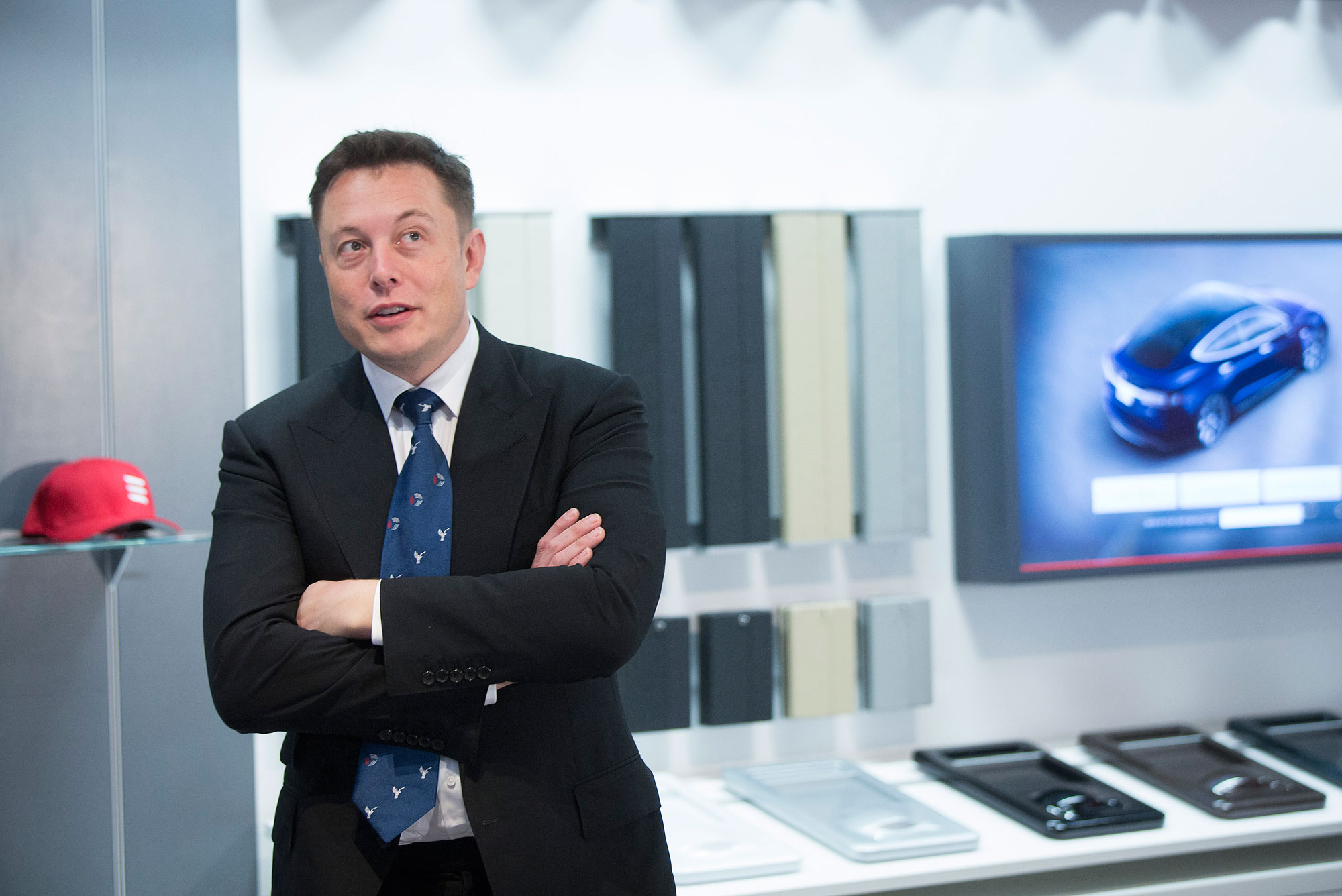
This article will delve into the complexities of Tesla’s ownership structure, explore the unparalleled role of Elon Musk in shaping its corporate identity and brand strategy, and analyze how a single individual can become the de facto face and driving force behind one of the world’s most recognizable and disruptive brands.
The Nuance of Corporate Ownership: Beyond a Single Name
To truly understand “who owns Tesla,” it’s essential to dissect the legal and operational definitions of ownership in the context of a public corporation. Unlike a sole proprietorship or a privately held family business, a publicly traded company’s ownership is distributed among a vast number of shareholders, none of whom typically hold 100% control.
Publicly Traded vs. Sole Proprietorship
Tesla, Inc. (TSLA) is a publicly traded company listed on the NASDAQ stock exchange. This means its shares are bought and sold on the open market, and anyone can become an owner by purchasing its stock. Each share represents a small fraction of ownership in the company. Consequently, the company is owned collectively by millions of individuals and institutional investors worldwide. There isn’t a single person or entity that “owns” Tesla in the way one might own a small business.
This decentralized ownership model is fundamental to understanding modern corporate governance. While shareholders hold ultimate power through voting rights on matters like board appointments and major corporate actions, day-to-day management and strategic direction are delegated to a board of directors and executive leadership.
The Role of Founders and Major Shareholders
Despite the dispersed ownership, certain individuals or entities can exert significant influence due to their substantial shareholdings. Founders, particularly, often retain a large stake and considerable sway. In Tesla’s case, while Elon Musk was not one of the original founders (Martin Eberhard and Marc Tarpenning founded Tesla Motors in 2003), he became a major investor and Chairman in 2004, taking an active role and eventually becoming CEO. His substantial personal investment and unwavering commitment established him as the pivotal figure.
Elon Musk remains Tesla’s largest individual shareholder, holding a significant percentage of the company’s stock. While this stake doesn’t amount to 100% ownership, it grants him substantial voting power and, more importantly, a platform from which to lead and define the company’s trajectory. Beyond his equity, his position as CEO and Chairman of the Board of Directors solidifies his control over the company’s operations, strategic decisions, and, critically for our discussion, its brand identity.
Elon Musk: The Architect of Tesla’s Brand Identity
For many, Elon Musk is Tesla. His name, face, and often controversial pronouncements are inextricably linked to the brand. This phenomenon isn’t accidental; it’s a powerful demonstration of how a visionary leader can become the primary architect of a company’s brand identity, shaping everything from its public perception to its corporate culture.
A Visionary Leader as the Face of the Brand
Tesla’s brand is built on innovation, disruption, sustainability, and a futuristic vision. These are precisely the qualities most commonly associated with Elon Musk himself. He is a quintessential visionary, known for setting audacious goals and challenging conventional wisdom. By embodying these traits so profoundly, Musk provides a compelling human face to an otherwise abstract corporate entity.
His public appearances, product unveilings, and even his prolific presence on social media serve as direct-to-consumer marketing channels. When Musk speaks about Tesla, he doesn’t just present a product; he articulates a mission, a grand vision for a sustainable future. This narrative-driven approach is a potent brand-building tool, fostering a deep emotional connection with consumers and investors alike, who buy into not just a car, but a movement led by Musk.
The Intertwined Personal and Corporate Brands
The synergy between Elon Musk’s personal brand and Tesla’s corporate brand is unparalleled in modern business. His personal achievements (SpaceX, Neuralink, Boring Company), his eccentric personality, and his willingness to engage directly with the public on platforms like X (formerly Twitter) all spill over into the perception of Tesla. This creates a powerful, albeit sometimes risky, integrated brand identity.
Prospective customers often consider the values and personality of Musk when evaluating Tesla products. His “reality distortion field,” as some call it, creates immense hype and loyalty. This personal branding strategy, whether entirely intentional or a natural outgrowth of his personality, allows Tesla to bypass traditional advertising in many respects. Musk himself is the most effective marketer, communicator, and evangelist for the brand, embodying its disruptive spirit and aspirational qualities. This makes Tesla more than just an automotive or energy company; it becomes a symbol of progress and ambition, largely due to Musk’s persona.
How Musk’s Influence Shapes Tesla’s Corporate Identity
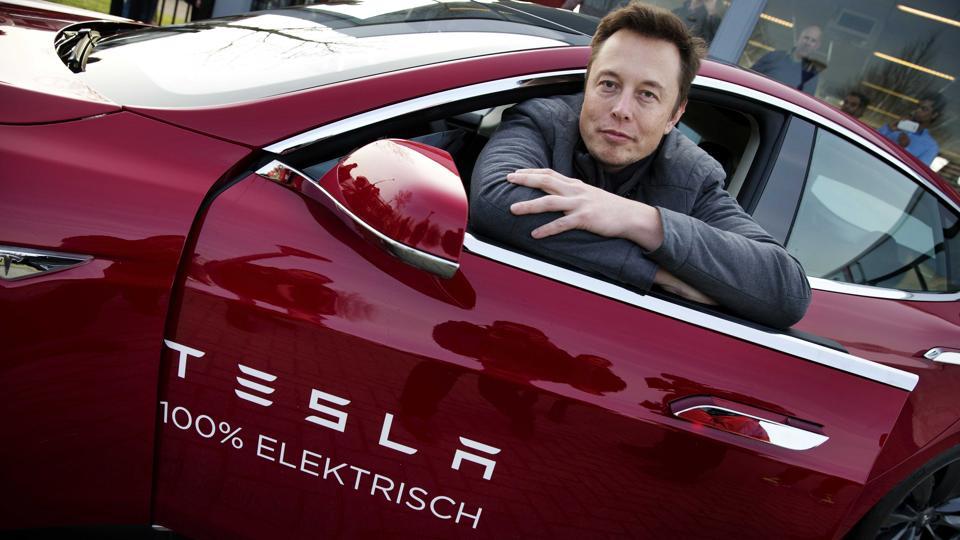
Elon Musk’s leadership and personal brand are not just superficial layers; they profoundly shape Tesla’s corporate identity from its core values to its operational strategies. His influence dictates much of how Tesla presents itself to the world and how it operates internally.
Driving Innovation and Risk-Taking
Tesla’s corporate identity is synonymous with relentless innovation and a willingness to take monumental risks. This is a direct reflection of Musk’s leadership style. He consistently pushes the boundaries of what’s considered possible, whether it’s in battery technology, autonomous driving, or manufacturing processes. This audacious pursuit of innovation defines the Tesla brand, setting it apart from more traditional automotive manufacturers.
The brand’s identity as a disruptor stems from Musk’s conviction that the status quo is not enough. This risk-taking ethos is embedded in the company’s DNA, encouraging engineers and designers to challenge established norms and strive for breakthroughs. While sometimes leading to setbacks or delays, this commitment to pushing the envelope is a cornerstone of Tesla’s strong brand appeal.
Direct Marketing and Public Engagement
One of the most striking aspects of Tesla’s corporate identity is its unconventional approach to marketing and public relations. Eschewing traditional advertising campaigns, Tesla relies heavily on earned media, word-of-mouth, and, crucially, Elon Musk’s direct communication channels. His tweets, interviews, and public appearances serve as primary vehicles for product announcements, strategic updates, and brand messaging.
This direct-to-consumer engagement model fosters a sense of authenticity and transparency (or at least perceived transparency) that many traditional brands struggle to achieve. It strengthens the personal connection between the brand and its audience, making customers feel like they are part of an exclusive community led by a charismatic figure. This strategy reinforces the image of Tesla as a nimble, forward-thinking company that speaks directly to its enthusiasts rather than through corporate intermediaries.
Values, Culture, and Mission
Musk’s vision permeates Tesla’s internal culture and values, which in turn shape its corporate identity. The mission “to accelerate the world’s transition to sustainable energy” is not just a slogan; it’s a guiding principle that attracts employees and customers who share this profound environmental and technological ambition. This mission-driven culture, heavily influenced by Musk’s personal beliefs, contributes significantly to Tesla’s unique brand positioning.
The company’s identity is one of solving “impossible” problems, working with urgency, and prioritizing engineering excellence. This demanding, high-performance culture, often attributed to Musk’s exacting standards, reinforces the brand’s image as a leader that is always striving for greatness and refusing to settle for mediocrity.
The Brand Impact of Leadership Transitions and Governance
While Elon Musk’s influence is undeniable, Tesla, as a publicly traded company, operates within a governance structure designed to protect shareholder interests and ensure long-term stability. The brand’s resilience and continuity are not solely dependent on one individual, no matter how iconic.
The Importance of Board Oversight
The Board of Directors plays a crucial role in overseeing the company’s strategic direction, ensuring ethical governance, and providing a check on executive power. While Musk holds significant sway, the board, comprising independent directors, is responsible for representing the broader shareholder base. Their decisions regarding executive compensation, major investments, and risk management all impact Tesla’s brand reputation and its standing in the corporate world. A strong, independent board helps to mitigate risks associated with over-reliance on a single personality, safeguarding the brand’s integrity and long-term viability.
Succession Planning and Brand Continuity
The question of “who owns Tesla” inevitably leads to considerations about the future beyond its current dominant figure. Succession planning is a critical aspect of corporate governance that directly impacts brand continuity. While Musk’s leadership has been central to Tesla’s meteoric rise, ensuring the brand can thrive beyond his direct, day-to-day involvement is paramount.
Effective succession planning involves identifying and nurturing future leaders who can uphold Tesla’s core values, mission, and innovative spirit. The challenge for Tesla’s brand will be to transition from a leader-centric model to a more institutionalized brand identity, where its values and vision are so deeply embedded that they transcend any single individual. This evolution is vital for any enduring brand, ensuring that its equity and appeal are sustained across generations of leadership.
The Enduring Legacy: Tesla as a Brand Phenomenon
In conclusion, while the legal ownership of Tesla Company resides with its millions of shareholders, the de facto “owner” in terms of brand identity, strategic direction, and public perception is overwhelmingly Elon Musk. His personal brand has become intrinsically woven into Tesla’s corporate identity, making him the ultimate architect of its image as a disruptive, innovative, and mission-driven leader in the sustainable energy revolution.
Tesla stands as a compelling case study in brand strategy, demonstrating the profound power of a visionary leader to define, embody, and propel a corporate brand. Its identity is a testament to how an individual’s charisma, ambition, and willingness to challenge the status quo can create a global phenomenon that transcends mere products, evolving into a symbol of a bolder, more sustainable future. The enduring challenge for Tesla will be to ensure its brand strength is sufficiently robust to maintain its identity and influence even as its leadership evolves, solidifying its place not just as a technology leader, but as an iconic, timeless brand.
aViewFromTheCave is a participant in the Amazon Services LLC Associates Program, an affiliate advertising program designed to provide a means for sites to earn advertising fees by advertising and linking to Amazon.com. Amazon, the Amazon logo, AmazonSupply, and the AmazonSupply logo are trademarks of Amazon.com, Inc. or its affiliates. As an Amazon Associate we earn affiliate commissions from qualifying purchases.