
Investing in the stock market can feel like navigating a complex maze, especially for newcomers. Yet, the allure of owning a piece of a groundbreaking company like Tesla (TSLA) is powerful. Tesla, a titan in electric vehicles, battery storage, and artificial intelligence, has captivated investors worldwide with its innovative products and charismatic leadership. For many, the question isn’t just if they should invest in Tesla, but how and where to begin.
This comprehensive guide will demystify the process of purchasing Tesla stock, providing a clear roadmap for both novice and experienced investors. We will explore the various avenues available, the practical steps involved, and crucial considerations to ensure your investment journey is well-informed and aligned with your financial goals.

Navigating the Landscape of Stock Ownership for Tesla (TSLA)
Before diving into the mechanics of buying shares, it’s essential to grasp the fundamental concepts of stock ownership and understand why Tesla, in particular, attracts so much investor interest. This foundational knowledge will empower you to make more confident decisions.
Why Invest in Tesla? A Look at Its Appeal
Tesla, Inc. (TSLA) is more than just an automotive company; it’s a technology and energy innovator. Its appeal stems from several key factors:
- Disruptive Innovation: Tesla revolutionized the automotive industry with its electric vehicles (EVs), pushing traditional manufacturers to accelerate their own EV strategies. Beyond cars, its ventures into solar energy (SolarCity), battery storage, and advanced AI (Full Self-Driving) position it at the forefront of multiple high-growth sectors.
- Strong Brand and Visionary Leadership: Under Elon Musk, Tesla has cultivated a powerful brand image synonymous with innovation, sustainability, and futurism. Musk’s ambitious vision, while sometimes controversial, frequently fuels investor enthusiasm and shapes market perception.
- Growth Potential: Despite its significant valuation, many investors believe Tesla still has substantial growth runway, particularly as global EV adoption accelerates and its energy storage solutions gain traction. Its manufacturing capabilities and technological lead are often cited as competitive advantages.
- Market Momentum and Volatility: Tesla stock is known for its significant price movements, offering opportunities for substantial gains (and losses). This volatility attracts both long-term growth investors and short-term traders.
Understanding these drivers provides context for why TSLA is a popular choice, but it’s crucial to balance enthusiasm with a clear understanding of financial principles.
The Fundamental Concept of Buying Stocks
When you buy a share of Tesla stock, you are purchasing a tiny fraction of ownership in the company. As a shareholder, you have certain rights, typically including the right to vote on company matters (proportionate to your shares) and a claim on a portion of the company’s earnings (dividends, if declared, though Tesla does not currently pay them).
Stocks trade on exchanges, like the NASDAQ in the United States, where buyers and sellers meet. The price of a stock fluctuates based on supply and demand, influenced by company performance, industry trends, economic news, and investor sentiment. To buy Tesla stock, you need an intermediary – a brokerage firm – that has access to these exchanges.
Selecting the Right Brokerage Platform for Your TSLA Investment
The first practical step to buying Tesla stock is choosing a brokerage firm. These firms act as your gateway to the stock market, executing trades on your behalf. The choice of brokerage can significantly impact your investing experience, from fees and available tools to customer support.
Full-Service vs. Discount Brokerages
- Full-Service Brokerages: These firms offer a comprehensive suite of services, including personalized financial advice, wealth management, tax planning, and research. They cater to investors who prefer a hands-on approach from a professional or have complex financial needs. Examples include Merrill Lynch or Edward Jones. The trade-off is often higher fees and commissions, which might not be ideal for a simple stock purchase like TSLA if you’re managing it yourself.
- Discount Brokerages (Online Brokers): These platforms are designed for self-directed investors. They offer lower fees, often commission-free trading for stocks and ETFs, and a range of online tools and research resources. They are typically the most popular choice for individual investors looking to buy specific stocks like Tesla. Examples include Fidelity, Charles Schwab, E*TRADE, Vanguard, and Robinhood.
For most individual investors looking to simply buy and hold Tesla stock, a discount online brokerage offers the best balance of cost-effectiveness, accessibility, and control.
Top Online Brokers for Retail Investors
When selecting an online broker, consider factors such as:
- Commissions and Fees: Look for commission-free stock trades. Be aware of other potential fees like account maintenance, inactivity fees, or fees for transferring funds.
- Minimum Deposit: Some brokers require a minimum initial deposit to open an account, though many now have no minimums.
- Research and Tools: Access to fundamental research, charting tools, and news feeds can be invaluable for making informed decisions.
- User Experience: An intuitive platform and mobile app can make managing your investments much easier.
- Customer Service: Responsive and knowledgeable customer support is crucial, especially if you encounter issues.
- Fractional Shares: If you want to invest a specific dollar amount rather than buying whole shares, look for brokers that offer fractional share investing. This is particularly useful for high-priced stocks like Tesla.
Popular choices that generally meet these criteria and offer TSLA stock include:
- Fidelity: Known for robust research, low fees, and excellent customer service. Offers fractional shares.
- Charles Schwab: A comprehensive platform with strong research and customer support, also offering fractional shares.
- Vanguard: Focuses on low-cost ETFs and mutual funds but also offers commission-free stock trading.
- E*TRADE: A user-friendly platform with extensive trading tools.
- Robinhood: Popular for its simple interface and commission-free trading, often favored by newer investors.
Considering Robo-Advisors for Diversified Portfolios
While not designed for buying individual stocks like TSLA directly, robo-advisors are worth mentioning for those who prefer a more automated, diversified approach to investing. Robo-advisors like Betterment or Wealthfront use algorithms to build and manage diversified portfolios of ETFs based on your risk tolerance and financial goals. While you generally can’t pick individual stocks, these portfolios might include ETFs that have significant holdings in companies like Tesla, thus providing indirect exposure. This option is better for passive investors seeking broad market exposure rather than targeted stock picking.
A Step-by-Step Guide to Purchasing Tesla Stock
Once you’ve chosen your brokerage firm, the process of buying Tesla stock becomes quite straightforward. Here’s a typical walkthrough:
Setting Up and Funding Your Investment Account
- Open an Account: Visit the website of your chosen brokerage firm. You’ll typically need to provide personal information such as your name, address, Social Security number, and employment details. You’ll also specify the type of account you want (e.g., individual taxable brokerage account, IRA, Roth IRA). The application process usually takes 10-15 minutes and often involves identity verification.
- Link Your Bank Account: Once your brokerage account is open, you’ll need to link it to your bank account. This is usually done via ACH transfer, which requires you to provide your bank’s routing number and your account number. Some brokers also support wire transfers or even depositing checks.
- Fund Your Account: Transfer money from your linked bank account to your brokerage account. ACH transfers typically take 1-3 business days for the funds to become available for trading. It’s important to ensure you only invest money you can afford to lose and that you don’t need in the short term.
Understanding Order Types: Market, Limit, and Stop Orders
When you’re ready to buy, you’ll need to place an order. There are several types of orders, but the most common for individual stock purchases are market and limit orders:
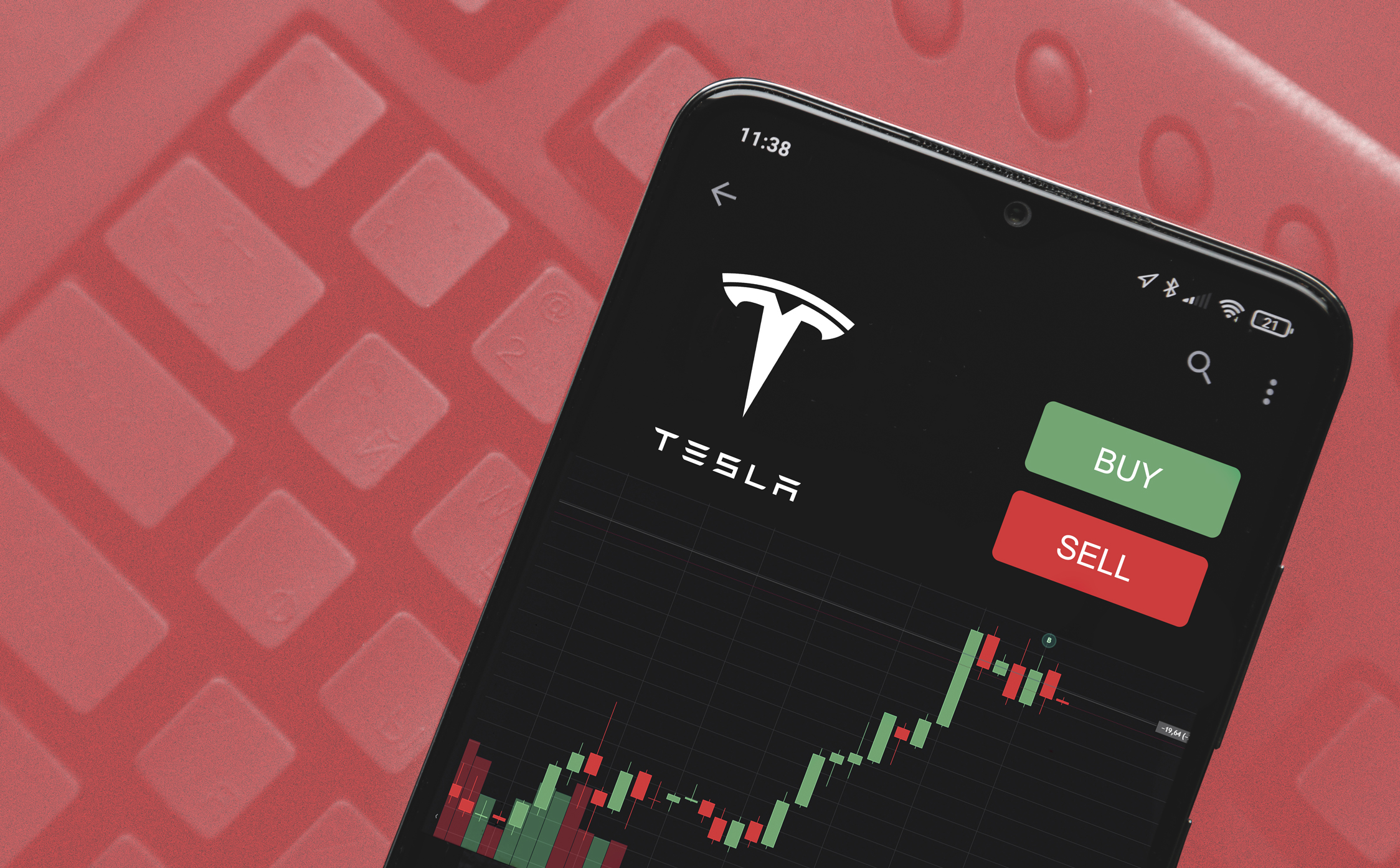
- Market Order: This is an order to buy or sell a stock immediately at the best available current price. Market orders prioritize execution speed over price. While simple, the exact price you pay might differ slightly from the last quoted price due to market fluctuations, especially for volatile stocks like TSLA. This is known as “slippage.”
- Limit Order: A limit order allows you to specify the maximum price you’re willing to pay to buy a stock (or the minimum price to sell). Your order will only execute if the stock price reaches your specified limit or better. Limit orders provide price control but may not execute if the stock never hits your desired price. For a stock like Tesla that can be volatile, a limit order can be a prudent choice if you have a specific price target.
- Stop Order (Stop-Loss Order): Primarily used for selling, a stop-loss order becomes a market order once the stock reaches a certain price, designed to limit potential losses. While less common for initial purchases, understanding it is important for managing your portfolio.
For most new investors, a limit order for buying TSLA shares at or slightly above the current market price (if you’re comfortable with the current valuation) provides a good balance of execution certainty and price control.
The Power of Fractional Shares for TSLA
Tesla stock can trade at a high price per share, making it challenging for investors with smaller budgets to buy whole shares. This is where fractional shares come in. Many leading online brokers now offer fractional share investing, allowing you to:
- Invest a Dollar Amount: Instead of buying 1 share of TSLA, you can choose to invest $100, $500, or any other dollar amount. The brokerage then buys a fraction of a share proportionate to your investment.
- Accessibility: This democratizes investing, making high-priced stocks accessible to a broader range of investors and allowing for better diversification of smaller portfolios.
- Dollar-Cost Averaging: Fractional shares facilitate dollar-cost averaging, where you invest a fixed amount of money at regular intervals regardless of the stock price. This strategy helps reduce the impact of market volatility over time.
If your budget is modest or you prefer to invest specific dollar amounts, ensure your chosen broker offers fractional shares.
Managing Your Tesla Investment and Understanding the Broader Market
Buying Tesla stock is just the beginning. Effective portfolio management involves continuous monitoring, understanding market dynamics, and acknowledging the inherent risks.
Post-Purchase Monitoring and Portfolio Management
Once you own TSLA shares, it’s crucial to monitor your investment. This doesn’t mean checking the price every five minutes, but rather keeping an eye on:
- Company News: Follow Tesla’s earnings reports, product announcements, technological advancements, and leadership communications.
- Industry Trends: Monitor the broader EV market, battery technology developments, and regulatory changes that could impact Tesla.
- Economic Indicators: General economic health, interest rates, and inflation can all affect the stock market and investor sentiment towards growth stocks.
- Portfolio Rebalancing: Over time, your TSLA investment might grow (or shrink) to become a larger (or smaller) portion of your overall portfolio than you initially intended. Periodically review your asset allocation and rebalance if necessary to maintain your desired risk profile.
Most brokerage platforms provide dashboards, research tools, and news feeds to help you stay informed.
Acknowledging and Mitigating Investment Risks
Investing in individual stocks, especially a growth stock like Tesla, comes with inherent risks:
- Market Risk: The overall stock market can decline, pulling down even strong individual stocks.
- Company-Specific Risk: Tesla faces intense competition, supply chain challenges, regulatory hurdles, and potential for product recalls or manufacturing issues. Dependence on Elon Musk’s leadership also presents a unique risk factor.
- Valuation Risk: Growth stocks often trade at high valuations based on future expectations. If those expectations aren’t met, the stock price can fall sharply.
- Volatility: Tesla stock is known for its price swings. Be prepared for ups and downs, and avoid making impulsive decisions based on short-term movements.
To mitigate these risks:
- Diversify: Don’t put all your eggs in one basket. While you might be enthusiastic about Tesla, ensure it’s part of a broader, diversified portfolio that includes other stocks, bonds, and possibly other asset classes.
- Invest for the Long Term: Short-term trading is highly speculative. A long-term perspective (5+ years) allows your investment to ride out market fluctuations and benefit from compounding growth.
- Only Invest What You Can Afford to Lose: Never invest money that you might need for essential expenses or that would cause significant financial hardship if lost.
- Do Your Own Research: While this guide provides a starting point, continuously educate yourself about Tesla, its competitors, and the broader market.
Long-Term Vision vs. Short-Term Volatility
Tesla’s stock can experience significant short-term volatility driven by news, analyst ratings, and investor sentiment. It’s crucial for investors to distinguish between this short-term noise and the company’s long-term fundamentals. A long-term investment strategy focuses on the company’s underlying business strength, innovation pipeline, and market position, rather than reacting to daily price swings. If your conviction in Tesla’s long-term potential is strong, short-term dips might be viewed as buying opportunities rather than reasons to panic sell.
Exploring Indirect Avenues: Gaining Exposure to Tesla Without Direct Share Purchase
For those who want exposure to Tesla’s growth but prefer a more diversified approach or are cautious about direct stock ownership, there are alternative routes.
Tesla Through Exchange-Traded Funds (ETFs)
ETFs are popular investment vehicles that hold a basket of securities, often tracking a specific index, sector, or theme. Many ETFs include Tesla among their top holdings, especially those focused on:
- Technology ETFs: Funds tracking the broader tech sector, innovative companies, or disruptive technologies.
- Automotive/EV ETFs: Funds specifically focused on electric vehicles, autonomous driving, or the future of transportation.
- Growth ETFs: Funds that invest in companies with high growth potential.
By investing in such an ETF, you gain exposure to Tesla’s performance alongside other companies in relevant sectors, which inherently provides diversification and reduces single-stock risk. Research the ETF’s holdings and expense ratio before investing.
Mutual Funds with Significant TSLA Allocations
Similar to ETFs, actively managed mutual funds may also hold Tesla stock, particularly growth-oriented funds or those managed by fund managers who have a strong conviction in Tesla’s prospects. Mutual funds are managed by professional fund managers who make investment decisions on behalf of shareholders. While they offer diversification and professional management, they typically come with higher expense ratios and may have sales charges. Review the fund’s prospectus to understand its investment strategy, top holdings, and fee structure.

Derivatives: A Word of Caution
For sophisticated investors, options contracts (calls and puts) on Tesla stock offer another way to speculate on its price movements. However, options trading is highly complex, involves significant risk, and is not recommended for beginners. It requires a deep understanding of options strategies, market dynamics, and risk management. For the vast majority of retail investors seeking to buy Tesla stock, direct share ownership or investing through diversified funds is the more appropriate and safer path.
In conclusion, buying Tesla stock is a straightforward process once you understand the necessary steps and choose the right brokerage platform. Whether you opt for direct share ownership or prefer indirect exposure through ETFs or mutual funds, a well-informed decision, coupled with a commitment to long-term investing and diversification, is key to navigating the exciting yet volatile world of the stock market. Always conduct thorough research and consider consulting a financial advisor to align your investment strategy with your personal financial situation and goals.
aViewFromTheCave is a participant in the Amazon Services LLC Associates Program, an affiliate advertising program designed to provide a means for sites to earn advertising fees by advertising and linking to Amazon.com. Amazon, the Amazon logo, AmazonSupply, and the AmazonSupply logo are trademarks of Amazon.com, Inc. or its affiliates. As an Amazon Associate we earn affiliate commissions from qualifying purchases.