
For millions of self-employed individuals, freelancers, gig workers, and those with significant unwithheld income, estimated tax payments are a crucial yet often misunderstood aspect of financial responsibility. Unlike traditional employees who have taxes automatically withheld from their paychecks, these individuals are responsible for calculating and remitting their tax liability directly to the IRS and state tax authorities throughout the year. Failure to do so can result in unwelcome penalties, turning what should be a manageable financial obligation into a burdensome surprise.
In today’s digital age, the good news is that paying estimated taxes has never been easier or more secure, thanks to a variety of online platforms and tools. Gone are the days of mailing checks or scrambling to find a physical payment center. This comprehensive guide will demystify estimated taxes, walk you through the various online payment options, and equip you with the knowledge to manage your tax obligations efficiently and confidently, ensuring you stay compliant and avoid unnecessary financial setbacks. By leveraging the convenience of online payment, you can integrate tax planning seamlessly into your financial routine, giving you peace of mind and greater control over your money.

Understanding Your Estimated Tax Obligation
Before diving into how to pay, it’s essential to understand why and what you need to pay. Estimated taxes are designed to ensure that taxpayers with income not subject to withholding pay their share of income tax, self-employment tax, and other taxes throughout the year as they earn income, rather than in one lump sum at year-end.
Who Needs to Pay Estimated Tax?
The primary candidates for estimated tax payments are individuals who expect to owe at least $1,000 in tax for the current year (for federal taxes; state thresholds vary). This typically includes:
- Self-Employed Individuals: Sole proprietors, partners in a partnership, and shareholders in an S corporation usually earn income without tax withholding. This includes consultants, contractors, small business owners, and those running online ventures.
- Gig Workers: Individuals participating in the gig economy (e.g., rideshare drivers, food delivery services, freelance designers) often receive income that isn’t subject to standard payroll withholding.
- Individuals with Significant Investment Income: Income from dividends, interest, capital gains, or rental properties can also trigger estimated tax requirements if the amounts are substantial and not covered by other withholdings.
- Those with Other Unwithheld Income: This could include alimony, prizes, awards, or other income sources where no tax has been taken out.
It’s important to note that even if you have a traditional job, if you also have a significant side hustle or other unwithheld income, you might need to make estimated payments. Alternatively, you could adjust your W-4 form with your employer to have more tax withheld from your regular paycheck, effectively covering your additional tax liability without needing to make separate estimated payments.
Calculating Your Estimated Tax
Calculating your estimated tax accurately is paramount to avoid underpayment penalties. The IRS provides Form 1040-ES, Estimated Tax for Individuals, which includes a worksheet to help you figure out your expected Adjusted Gross Income (AGI), deductions, credits, and ultimately, your estimated tax liability for the year.
Here’s a breakdown of the calculation process:
- Estimate Your Total Income: Project all sources of income for the year, including self-employment earnings, investment income, rental income, and any other income not subject to withholding. Be as realistic as possible; it’s often better to slightly overestimate than underestimate.
- Determine Your Deductions and Credits: Factor in any itemized or standard deductions you anticipate, as well as tax credits (e.g., child tax credit, education credits) that you may qualify for. These will reduce your taxable income and, consequently, your tax liability.
- Calculate Your Self-Employment Tax: If you are self-employed, you’ll owe self-employment tax, which covers Social Security and Medicare taxes. This is calculated on your net earnings from self-employment. You can deduct one-half of your self-employment tax when calculating your adjusted gross income.
- Apply Tax Rates: Use the appropriate tax brackets for your filing status to calculate your estimated income tax.
- Sum It Up: Add your estimated income tax and self-employment tax (and any other applicable taxes) to arrive at your total estimated tax for the year.
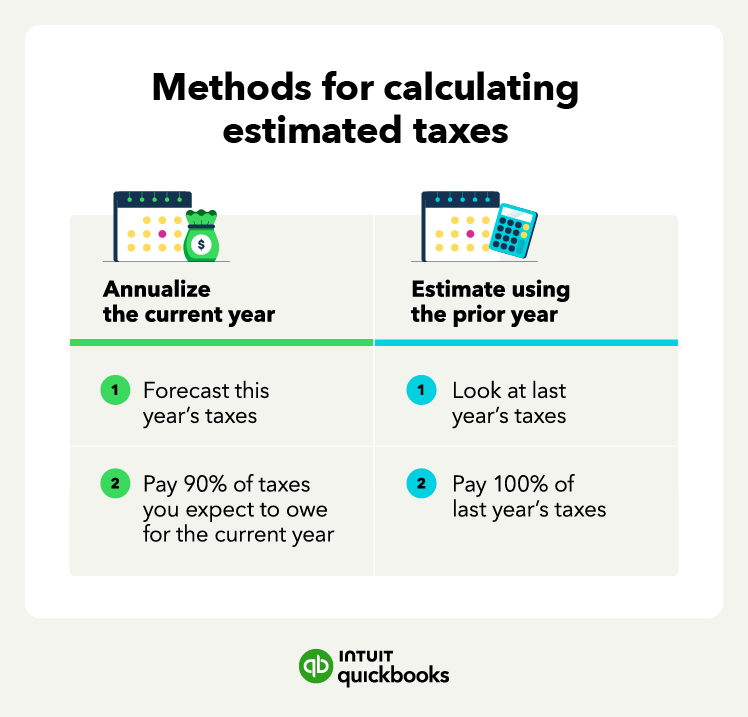
The IRS also offers “safe harbor” rules to help avoid penalties. Generally, you won’t face an underpayment penalty if you pay at least 90% of your current year’s tax liability, or 100% of your prior year’s tax liability (110% if your prior year’s AGI was over $150,000), whichever is smaller. It’s advisable to revisit your estimates quarterly and adjust subsequent payments if your income or deductions change significantly.
Estimated Tax Payment Due Dates
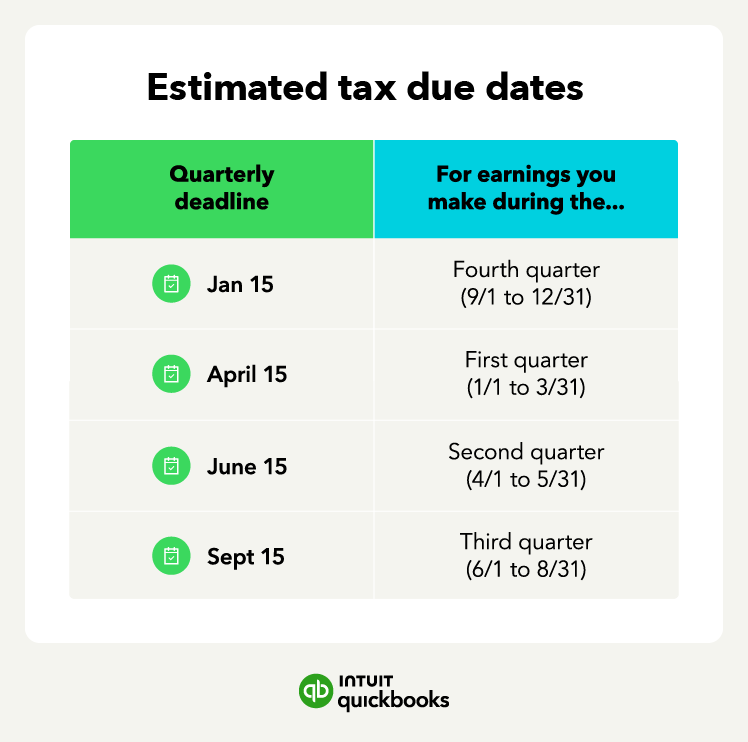
Estimated taxes are typically paid in four equal installments throughout the year. The federal due dates are as follows:
- 1st Quarter (Jan 1 to March 31): Due April 15
- 2nd Quarter (April 1 to May 31): Due June 15
- 3rd Quarter (June 1 to August 31): Due September 15
- 4th Quarter (Sept 1 to Dec 31): Due January 15 of the following year
If any of these dates fall on a weekend or holiday, the deadline shifts to the next business day. It’s crucial to mark these dates on your calendar and set reminders to ensure timely payments. Missing a deadline, even by a day, can incur penalties.
Choosing Your Online Payment Method
The IRS and most state tax agencies have embraced digital solutions, offering several secure and convenient online methods to pay your estimated taxes. Selecting the right method depends on your preferences for speed, cost, and record-keeping.
Direct Pay (IRS & State Tax Agencies)
IRS Direct Pay is arguably the simplest and most straightforward method for federal tax payments. It allows you to make payments directly from your checking or savings account (direct debit) without any processing fees.
- Pros: No fees, immediate processing acknowledgment, highly secure.
- Cons: Limited to direct bank transfers, cannot schedule payments far in advance.
- How it Works: You visit the IRS.gov website, navigate to the “Payments” section, select “Direct Pay,” choose the reason for payment (estimated tax), apply the payment to Form 1040-ES, and specify the tax period. You’ll need to verify your identity using information from a prior year’s tax return and your bank account details. After submission, you’ll receive an email confirmation.
Many state tax agencies offer similar “Direct Pay” or “e-Check” options directly on their respective websites, providing the same fee-free convenience.
Electronic Federal Tax Payment System (EFTPS)
EFTPS is a robust system provided by the U.S. Department of the Treasury that allows both individuals and businesses to make all types of federal tax payments, including estimated taxes, electronically. While it requires an initial enrollment process, it offers significant advantages for regular payers.
- Pros: Can schedule payments up to 365 days in advance, excellent for proactive planning, comprehensive payment history available.
- Cons: Requires enrollment (which can take 5-7 business days to receive a PIN via mail), user interface can feel a bit dated.
- How it Works: First, you must enroll online at EFTPS.gov. Once enrolled and you receive your PIN, you can log in, select “Make a Payment,” specify the type of tax (e.g., 1040-ES), the tax period, and the amount. You can then choose an immediate payment or schedule a future payment date. You’ll receive a confirmation number after each transaction.
Credit/Debit Card or Digital Wallet Options
For those who prefer the convenience or benefits of using a credit card, debit card, or digital wallet (like PayPal or Click to Pay), this is a viable option. However, it comes with a crucial caveat: these payments are processed through third-party payment processors, who charge a convenience fee.
- Pros: Earn credit card rewards (if applicable), immediate payment without bank account details, can be helpful for cash flow management.
- Cons: Convenience fees (typically 1.87% to 2.25% for credit cards, a flat fee for debit cards), which can add up on large payments.
- How it Works: The IRS lists authorized payment processors (e.g., PayUSAtax, ACI Payments, Link2Gov) on its website. You choose a processor, visit their site, select the type of payment, enter your tax information, payment amount, and credit/debit card or digital wallet details. The processor will then remit the payment to the IRS.
Consider if the value of credit card rewards outweighs the convenience fee before choosing this method.
Tax Software Integration
Many popular tax preparation software programs (e.g., TurboTax, H&R Block, TaxAct) offer integrated estimated tax payment options. When you use these platforms to calculate your estimated tax liability for the year, they often provide a direct link or button to make your payments online.
- Pros: Seamless integration with your tax calculations, simplifies the process.
- Cons: Requires using specific tax software, may use one of the third-party processors (with fees) or direct debit.
- How it Works: After completing your estimated tax worksheet within the software, you’ll typically see an option to “Pay Now” or “Schedule Payments.” The software will guide you through the process, often linking directly to IRS Direct Pay, EFTPS, or a third-party processor.
A Step-by-Step Guide to Online Payment (Federal Example)
Let’s walk through the practical steps for paying your federal estimated taxes using two common and recommended methods: IRS Direct Pay and EFTPS.
Using IRS Direct Pay
This method is ideal for those who prefer a quick, fee-free payment without prior enrollment.
- Navigate to the IRS Website: Go to IRS.gov.
- Find the Payments Section: Click on the “Payments” tab or search for “Direct Pay.”
- Initiate a New Payment: Select “Make a Payment” and then “Direct Pay.”
- Specify Payment Details:
- Reason for Payment: Choose “Estimated Tax.”
- Apply Payment To: Select “1040ES (Estimated Tax for Individuals).”
- Tax Period: Select the calendar year for which you are making the estimated payment.
- Verify Your Identity: This is a crucial security step. You’ll need:
- Your Social Security Number (SSN).
- Your date of birth.
- Your filing status (from your last filed tax return).
- Your prior year’s Adjusted Gross Income (AGI).
- Your bank account type (checking or savings).
- Enter Payment Information: Provide your bank routing number, bank account number, and the exact amount you wish to pay.
- Review and Confirm: Carefully review all the entered information, especially the amount and bank details. Agree to the terms and conditions.
- Receive Confirmation: After submitting, you will receive a confirmation number. It’s highly recommended to print this page or save a screenshot. The IRS will also send an email confirmation to the address you provided.
Navigating EFTPS (Once Enrolled)
For those who have already enrolled in EFTPS and received their PIN, this method offers robust scheduling and record-keeping features.
- Access EFTPS: Go to EFTPS.gov.
- Log In: Enter your Personal Identification Number (PIN), password, and identification number (SSN or EIN).
- Select “Make a Payment”: On the main menu, choose the option to make a federal tax payment.
- Enter Payment Details:
- Tax Form: Select “1040-ES Estimated Tax.”
- Tax Period: Specify the tax year for the payment.
- Payment Amount: Enter the exact dollar amount.
- Payment Date: Choose the date you want the payment to be debited from your bank account. You can schedule it for a future date.
- Review and Submit: Double-check all the information. Click “Make Payment” or “Schedule Payment.”
- Obtain Confirmation: You will receive an EFTPS confirmation number. Record this number immediately. EFTPS also allows you to view your payment history, making it easy to track all your estimated tax payments.
Paying State Estimated Taxes Online
The process for paying state estimated taxes online mirrors the federal methods. Every state has its own revenue department website, and most offer secure online payment portals.
- Locate Your State’s Tax Website: Search for “[Your State Name] Department of Revenue” or “State Tax Payments.”
- Look for Online Payment Options: Most states will have sections for “Make a Payment,” “Electronic Payments,” or “Estimated Tax Payments.”
- Choose Your Method: Similar to the IRS, states often offer direct debit from your bank account (e-Check), credit/debit card payments (often with a third-party fee), or their own dedicated online portal.
- Follow State-Specific Instructions: The steps will be similar to the federal process, requiring your identity verification, tax period selection, amount, and bank or card details. Always save your confirmation number.
Best Practices for Online Estimated Tax Payments
Paying online simplifies the process, but adherence to best practices can further enhance security, accuracy, and peace of mind.
Maintain Accurate Records
Always keep meticulous records of all your estimated tax payments. This includes:
- Confirmation Numbers: Whether from IRS Direct Pay, EFTPS, or a third-party processor, save these unique identifiers.
- Email Confirmations: Keep all emails confirming your payments.
- Screenshots: If a payment portal doesn’t offer a print option, take a screenshot of the confirmation page.
- Personal Log: Maintain a simple spreadsheet or ledger where you track the payment date, amount, method used, and confirmation number for each quarterly payment. This will be invaluable when you prepare your annual tax return.
Plan Ahead and Pay Early
While online payments are fast, it’s never a good idea to wait until the last minute.
- Avoid Deadline Rush: Websites can experience high traffic near deadlines, potentially causing delays or technical glitches.
- Account for Processing Time: Although online payments are generally quick, some bank transfers might take a day or two to fully process.
- EFTPS Enrollment: If you plan to use EFTPS, remember the enrollment period takes several days to a week. Don’t wait until the day before a deadline to enroll.
Review and Verify Information Carefully
Small errors can lead to big problems. Before submitting any online payment:
- Double-Check Amounts: Ensure the payment amount is correct.
- Verify Bank Details: Confirm your bank account number and routing number are accurate. A single transposed digit can cause a payment to fail or go to the wrong account.
- Confirm Tax Period: Make sure you’re applying the payment to the correct tax year and quarter.
- Identity Verification: Reconfirm your SSN, date of birth, and prior year’s AGI, as these are critical for identity verification.
Stay Informed on Tax Law Changes
Tax laws are not static. Changes can impact your income, deductions, and credits, thereby altering your estimated tax liability.
- IRS Publications: Regularly review IRS publications and news releases.
- Professional Advice: Consider consulting a tax professional for complex situations or significant income changes to ensure your estimates remain accurate and compliant.
- Quarterly Review: Make it a habit to review your income and expenses at least quarterly, alongside your estimated tax calculations, to make necessary adjustments to future payments.
Avoiding Penalties and Maximizing Your Financial Health
Understanding and diligently managing your estimated tax payments is not just about compliance; it’s a vital component of sound personal and business financial planning.
Understanding Underpayment Penalties
The IRS assesses an underpayment penalty if you don’t pay enough tax throughout the year through withholding or estimated payments. The penalty is essentially interest charged on the underpaid amount for the period it was unpaid. While penalties can be waived in certain circumstances (e.g., casualty, disaster, or specific retirement/disability situations), it’s far better to avoid them proactively. Paying on time and accurately helps you sidestep these additional costs.
The Benefit of Regular Review
By regularly reviewing your income, expenses, and tax liability (ideally quarterly), you can adjust your estimated payments as needed. This prevents the unpleasant surprise of owing a substantial amount at tax time and ensures your financial planning remains on track. It allows for a smoother cash flow, distributing your tax burden evenly across the year rather than facing a large lump sum.
Proactive Financial Planning
Integrate estimated tax payments into your broader financial strategy. If you’re self-employed, set aside a percentage of every payment you receive specifically for taxes. Many financial advisors recommend having a separate savings account for tax funds, which helps ring-fence the money and ensures it’s available when due. This proactive approach not only keeps you compliant but also fosters financial discipline and reduces stress. Consider setting up automatic transfers to this tax savings account after each invoice is paid.
Conclusion
The digital transformation of tax payments has made managing estimated tax obligations more convenient and secure than ever before. By understanding who needs to pay, how to calculate your liability, and by leveraging the myriad of online tools available – from IRS Direct Pay and EFTPS to integrated tax software – you can meet your federal and state responsibilities with ease.
Embracing online payment methods, coupled with diligent record-keeping, careful verification, and proactive financial planning, will not only help you avoid costly penalties but also empower you to maintain greater control over your financial health. In an economy increasingly reliant on independent work and diverse income streams, mastering estimated tax payments online is an indispensable skill for every savvy individual and business owner. Make the commitment today to leverage these digital solutions and transform your estimated tax payments from a source of anxiety into a seamless, manageable part of your financial journey.
aViewFromTheCave is a participant in the Amazon Services LLC Associates Program, an affiliate advertising program designed to provide a means for sites to earn advertising fees by advertising and linking to Amazon.com. Amazon, the Amazon logo, AmazonSupply, and the AmazonSupply logo are trademarks of Amazon.com, Inc. or its affiliates. As an Amazon Associate we earn affiliate commissions from qualifying purchases.