
In the intricate tapestry of personal finance, career development, and economic systems, few concepts are as fundamental yet often misunderstood as “pay.” It’s a term we use daily, a primary motivator for work, and the bedrock upon which our financial lives are built. Yet, when we delve deeper, “pay” is far more complex than the simple number that appears on a paycheck. It encompasses a vast array of components, influences, and implications that extend far beyond a mere wage or salary. Understanding what pay truly is—in its multifaceted forms and functions—is crucial for individuals seeking financial well-being, for businesses aiming to attract and retain talent, and for economists analyzing market dynamics.

This article will meticulously dissect the concept of pay, moving beyond its surface definition to explore its various manifestations, the factors that shape it, and its profound impact on both personal prosperity and the broader economy. We’ll examine the direct and indirect financial components, the non-monetary benefits often bundled with compensation, and the strategic considerations involved in earning, negotiating, and growing one’s pay. By the end, you’ll have a comprehensive understanding of what “pay” truly means in the modern financial landscape.
Defining “Pay”: More Than Just a Number
At its most basic, pay refers to the monetary compensation received by an individual in exchange for work or services rendered. However, this definition barely scratches the surface. In reality, pay is a dynamic and often complex package designed to compensate individuals for their time, skills, effort, and contributions to an organization or client. It reflects a contractual agreement, an economic exchange, and a societal valuation of labor.
Base Salary vs. Total Compensation
A common misconception is that “pay” is synonymous with “base salary.” While base salary—the fixed amount paid to an employee for performing their job, typically on an annual or hourly basis—is a critical component, it rarely tells the whole story. The more accurate and comprehensive term is total compensation. Total compensation includes base salary, but it also folds in all other forms of monetary and non-monetary benefits an employee receives. This broader perspective acknowledges the significant value derived from elements beyond the regular paycheck. Neglecting these other components when evaluating a job offer or one’s overall financial standing can lead to an incomplete and potentially misleading assessment of real earnings and benefits.
Understanding Different Payment Structures
The way individuals are paid varies significantly across industries, roles, and employment types. Recognizing these structures is essential for understanding your financial inflows and planning.
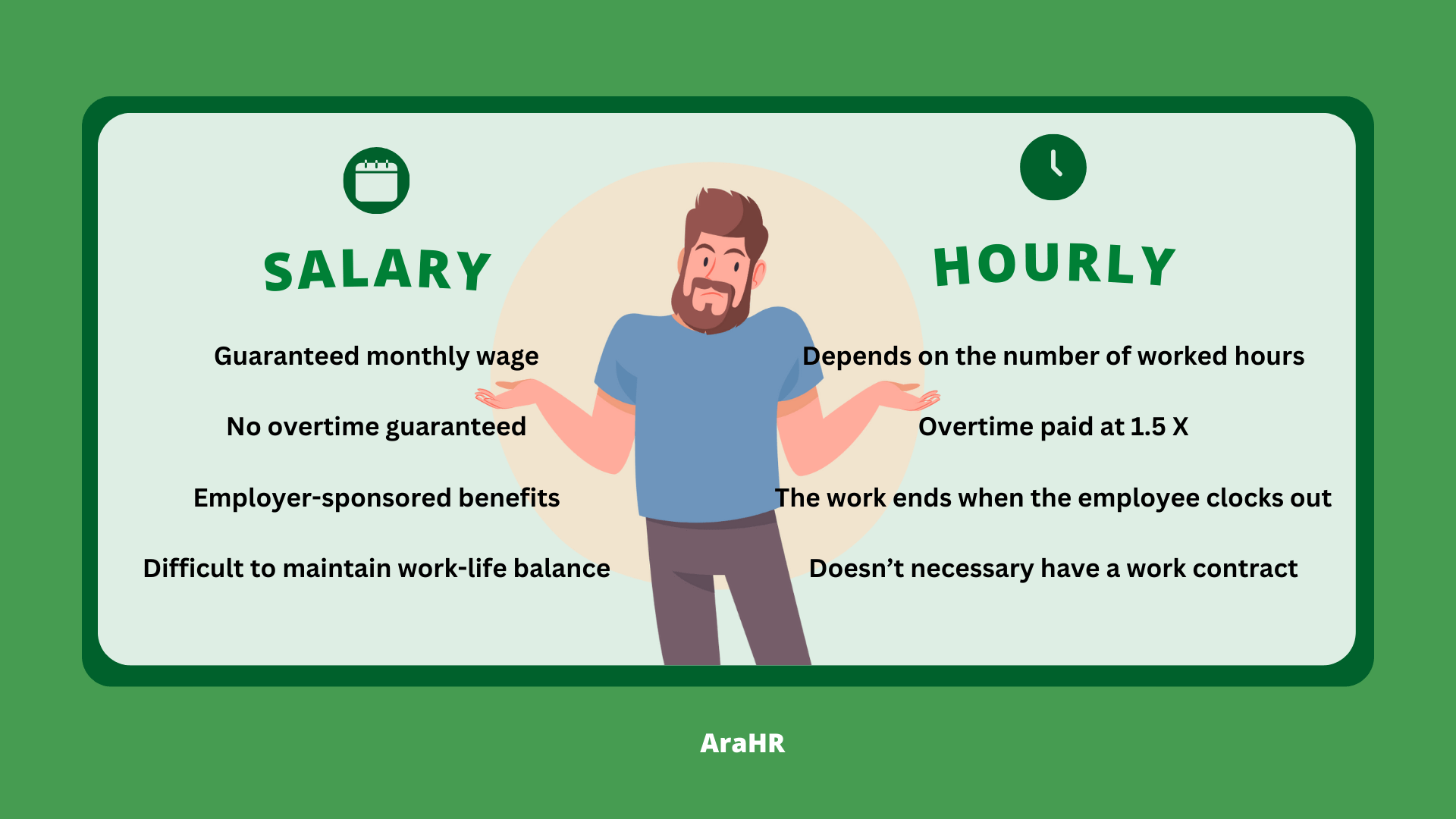
- Hourly Wage: Common in retail, hospitality, manufacturing, and many service industries, hourly wages pay employees a set rate for each hour worked. Overtime provisions, where a higher rate is paid for hours exceeding a standard workweek, are often a significant aspect of hourly compensation.
- Salary: Typically associated with professional, administrative, and managerial roles, a salary is a fixed amount paid regularly (e.g., weekly, bi-weekly, monthly) regardless of the exact number of hours worked, as long as job responsibilities are fulfilled. Salaried employees are often exempt from overtime pay regulations.
- Commission: Predominant in sales roles, commission-based pay is a percentage of the revenue generated by the employee. It directly links an individual’s pay to their performance and often includes a base salary component to provide some financial stability.
- Piece-Rate: In some manufacturing or production environments, workers are paid per unit of output produced. This structure incentivizes speed and volume.
- Contract/Project-Based: Freelancers, independent contractors, and consultants are often paid a fixed fee per project or contract, or an agreed-upon hourly rate for a specific duration. This structure emphasizes deliverables and results.
The Role of Benefits and Perks
Beyond direct cash payments, a substantial portion of an individual’s “pay” comes in the form of benefits and perks. These indirect forms of compensation often represent significant financial value and can drastically impact one’s overall financial health and quality of life. Benefits are typically standardized offerings, while perks are often more flexible or discretionary. Examples include health insurance, retirement plans (like 401(k)s with employer matching), paid time off (vacation, sick leave, holidays), life insurance, disability insurance, tuition reimbursement, commuter benefits, gym memberships, wellness programs, and even company discounts. The financial equivalent of these benefits can add thousands, or even tens of thousands, of dollars to an employee’s total compensation package annually.
The Components of Your Compensation Package
A truly insightful understanding of pay requires dissecting the complete compensation package into its direct, indirect, and sometimes non-financial elements. Each component serves a purpose, contributing to the overall value an employee receives.
Direct Financial Compensation
These are the most overt forms of payment that directly add to your bank account. They are quantifiable and immediately liquid.
- Wages and Salary: As discussed, this is the foundational element, providing regular, predictable income.
- Bonuses: Often performance-based, bonuses are additional payments beyond base salary. They can be annual, project-based, sign-on, retention, or spot bonuses, serving to reward exceptional performance, incentivize specific behaviors, or acknowledge commitment.
- Commissions: Directly tied to sales or revenue generation, commissions are a powerful motivator for revenue-driving roles.
- Profit Sharing: Some companies share a portion of their profits with employees, aligning employee interests with the company’s financial success.
- Stock Options and Equity: Especially common in startups and high-growth companies, equity compensation grants employees the right to purchase company stock at a predetermined price or vests them with shares over time. This can offer significant long-term wealth potential, tying an employee’s financial future directly to the company’s valuation and growth.
Indirect Financial Compensation
These are benefits that have a direct monetary value but are not paid out directly as cash. They provide financial security, reduce personal expenses, and contribute to long-term wealth building.
- Health and Dental Insurance: Employer-sponsored plans significantly reduce out-of-pocket costs for medical care, a major financial concern for many. The employer’s contribution to premiums is a direct financial benefit.
- Retirement Plans (e.g., 401(k) with Matching): Employer contributions to an employee’s retirement account, often through matching programs, represent tax-advantaged savings and a powerful tool for building retirement wealth.
- Life and Disability Insurance: These provide financial protection for employees and their families in unforeseen circumstances, offering peace of mind and critical financial safeguards.
- Paid Time Off (PTO): Vacation, sick leave, and paid holidays are essentially paid non-working hours, providing both monetary value and essential work-life balance.
- Tuition Reimbursement/Professional Development: Companies investing in an employee’s education or skill development are providing a financial benefit that enhances future earning potential.
Non-Financial Benefits
While not directly quantifiable in monetary terms, non-financial benefits significantly contribute to an individual’s job satisfaction, well-being, and overall career trajectory. They indirectly affect personal finances by reducing stress, improving health, and enhancing career prospects.
- Work-Life Balance: Flexible work arrangements (e.g., remote work, compressed workweeks), reasonable workloads, and supportive company culture contribute to mental and physical well-being.
- Professional Development and Growth Opportunities: Access to training, mentorship, and clear career paths can lead to higher future earnings and job satisfaction.
- Company Culture and Environment: A positive, inclusive, and supportive workplace can be invaluable, reducing stress and increasing engagement.
- Recognition and Appreciation: Feeling valued and acknowledged for one’s contributions can be a powerful motivator and enhance job satisfaction, even if not directly tied to a cash bonus.
Factors Influencing Your Pay

Why do some individuals earn significantly more than others for what might seem like similar work? The answer lies in a complex interplay of personal attributes, market forces, and strategic decisions. Understanding these factors empowers individuals to better position themselves for higher compensation.
Skills, Experience, and Education
These are foundational determinants of pay. Highly specialized skills, especially those in high demand (e.g., advanced coding, data analytics, niche legal expertise), command premium rates. Experience brings proven competence, a track record of success, and often, leadership abilities, all of which employers value. Higher levels of education, particularly advanced degrees or certifications in specialized fields, often correlate with higher earning potential due to the depth of knowledge and problem-solving capabilities they signify. The principle here is simple: the rarer and more valuable your capabilities, the higher your market worth.
Industry, Location, and Company Size
The economic landscape in which a job exists significantly influences pay scales.
- Industry: Some industries are inherently more lucrative than others due to higher profit margins, technological intensity, or specialized knowledge requirements (e.g., finance, technology, pharmaceuticals often pay more than non-profit, education, or hospitality).
- Location: Cost of living and local market demand play a huge role. A software engineer in Silicon Valley will likely earn substantially more than one in a lower cost-of-living area, reflecting the regional economic environment and competition for talent.
- Company Size: Larger companies often have more structured pay scales, greater resources for benefits, and the ability to offer higher salaries due to greater revenue and profit generation. Startups, while potentially offering equity, might have lower base salaries.
Market Demand and Negotiation Skills
Ultimately, pay is a function of supply and demand for a particular role or skill set. If there’s a high demand for a specific skill and a limited supply of qualified professionals, compensation will naturally be higher. Conversely, if there’s an abundant supply of candidates for a common role, pay might be lower.
Crucially, negotiation skills play a pivotal role. Two individuals with identical qualifications might end up with different pay simply because one negotiated more effectively. Understanding your market value, articulating your worth, and confidently asking for appropriate compensation can significantly impact your earning potential throughout your career. This includes not just initial salary negotiation but also advocating for raises, promotions, and better benefits over time.
Navigating Your Pay: From Negotiation to Growth
For individuals, understanding pay isn’t just an academic exercise; it’s a practical guide to optimizing financial well-being. Proactive management of your pay journey, from initial job offers to long-term career growth, is essential.
Researching Market Rates and Valuing Your Worth
Before any job application or salary discussion, thorough research is paramount. Utilize resources like Glassdoor, LinkedIn Salary, Salary.com, and industry-specific surveys to understand the typical pay range for your role, experience level, industry, and geographic location. This data equips you with a realistic expectation and a strong foundation for negotiation. Furthermore, objectively assess your unique skills, achievements, and contributions. What value do you bring? Quantifying your impact (e.g., “saved the company X dollars,” “increased revenue by Y percent”) strengthens your position and helps you articulate your worth beyond generic job descriptions.
Mastering the Art of Salary Negotiation
Negotiation is not about demanding; it’s about advocating for fair value based on market rates and your unique contributions.
- Timing: Ideally, salary discussions should happen after you’ve established your value to the employer and they are genuinely interested in hiring you.
- Be Prepared: Know your desired salary range (with a specific target in mind) and be ready to justify it with your research and achievements.
- Focus on Total Compensation: Remember to consider benefits, bonuses, and other perks. Sometimes, a slightly lower base salary might be acceptable if other components of the package are exceptionally strong (e.g., generous 401(k) match, excellent health insurance, flexible work options).
- Practice Active Listening: Understand the employer’s perspective and any constraints they might have.
- Be Confident, Yet Flexible: Advocate for yourself firmly but remain open to reasonable compromise. A successful negotiation leaves both parties feeling positive about the outcome.
Strategizing for Future Pay Raises and Career Advancement
Pay is not static; it evolves with your career. Proactive strategies are key to sustained growth:
- Continuous Skill Development: Stay current with industry trends, acquire new, in-demand skills, and pursue certifications. Investing in yourself directly impacts your market value.
- Performance Excellence: Consistently exceeding expectations, taking on new responsibilities, and demonstrating leadership qualities are clear pathways to higher compensation and promotions. Document your achievements to present during performance reviews.
- Networking and Mentorship: Building relationships within your industry can open doors to new opportunities and provide insights into compensation trends. Mentors can offer invaluable guidance on career progression and salary negotiations.
- Regular Market Checks: Periodically review market rates for your role and experience. If your compensation lags significantly, it might be time to negotiate for a raise or consider new opportunities.
- Strategic Job Changes: Sometimes, the most significant pay bumps come from moving to a new company or role, especially if your current employer has limited growth potential or a rigid pay structure.
The Broader Economic Impact of Pay
Beyond individual financial well-being, pay plays a critical role in shaping economies, influencing societal structures, and reflecting broader economic health. Its dynamics have far-reaching implications.
Pay and Economic Inequality
The distribution of pay across different segments of the workforce is a primary driver of economic inequality. Disparities in wages, especially between top earners and low-wage workers, can lead to significant wealth gaps. Factors such as automation, globalization, the decline of labor unions, and differing access to education and opportunities contribute to these gaps. Policies related to minimum wage, progressive taxation, and investment in education and skill development are often debated as ways to address pay-related inequality and foster more equitable economic outcomes.
The Role of Pay in Consumer Spending and Economic Growth
Pay is the lifeblood of consumer spending, which typically forms the largest component of a nation’s Gross Domestic Product (GDP). When individuals earn more, they have greater disposable income, leading to increased demand for goods and services. This increased spending stimulates economic activity, encourages investment, and can lead to job creation, fueling a virtuous cycle of growth. Conversely, stagnant wages can dampen consumer confidence and spending, hindering economic expansion. Central banks and governments often monitor wage growth as an indicator of inflationary pressures and overall economic health.
Future Trends in Compensation
The concept of pay is continuously evolving, shaped by technological advancements, shifting work paradigms, and changing societal expectations.
- The Gig Economy: The rise of freelancing and contract work is altering traditional pay structures, emphasizing project-based fees and performance-based compensation over stable salaries and benefits.
- Personalized Compensation: As data analytics improve, companies may move towards more personalized compensation packages, tailored to individual preferences for benefits, equity, or work-life balance.
- Skills-Based Pay: There’s a growing shift from role-based pay to skills-based pay, where compensation is determined more by an individual’s specific, in-demand skills rather than their job title or tenure.
- Transparency in Pay: Regulations and societal pressure are pushing for greater pay transparency, which could empower employees, reduce pay gaps, and reshape negotiation dynamics.
- Focus on Wellness and Flexibility: Beyond traditional benefits, companies are increasingly recognizing the value of mental health support, comprehensive wellness programs, and extreme flexibility as critical components of a competitive “pay” package.
In conclusion, “pay” is far more than the figure on your salary slip. It’s a complex, dynamic system encompassing direct financial compensation, invaluable indirect benefits, and a host of non-financial advantages. Understanding its components, the forces that shape it, and how to strategically navigate its nuances is fundamental to personal financial success, effective talent management, and a robust economy. As the world of work continues to transform, a holistic grasp of what constitutes pay will remain an indispensable tool for everyone.
aViewFromTheCave is a participant in the Amazon Services LLC Associates Program, an affiliate advertising program designed to provide a means for sites to earn advertising fees by advertising and linking to Amazon.com. Amazon, the Amazon logo, AmazonSupply, and the AmazonSupply logo are trademarks of Amazon.com, Inc. or its affiliates. As an Amazon Associate we earn affiliate commissions from qualifying purchases.