
In the contemporary marketplace, the term “progressive” has transcended its political origins to become a cornerstone of corporate identity and brand strategy. For a modern business, being progressive is no longer an optional ethical stance; it is a strategic imperative. Consumers, particularly Gen Z and Millennials, are increasingly aligning their purchasing power with their values. They are looking for brands that do not just inhabit the world, but actively seek to improve it.
However, many organizations struggle to define what progressiveness looks like in a commercial context. Is it a logo change? A viral social media post? A donation to a non-profit? While those elements may play a role, a truly progressive brand is defined by a holistic commitment to innovation, social responsibility, and forward-thinking design. To understand what it means to be progressive in branding is to understand the shift from “transactional marketing” to “relational identity.”
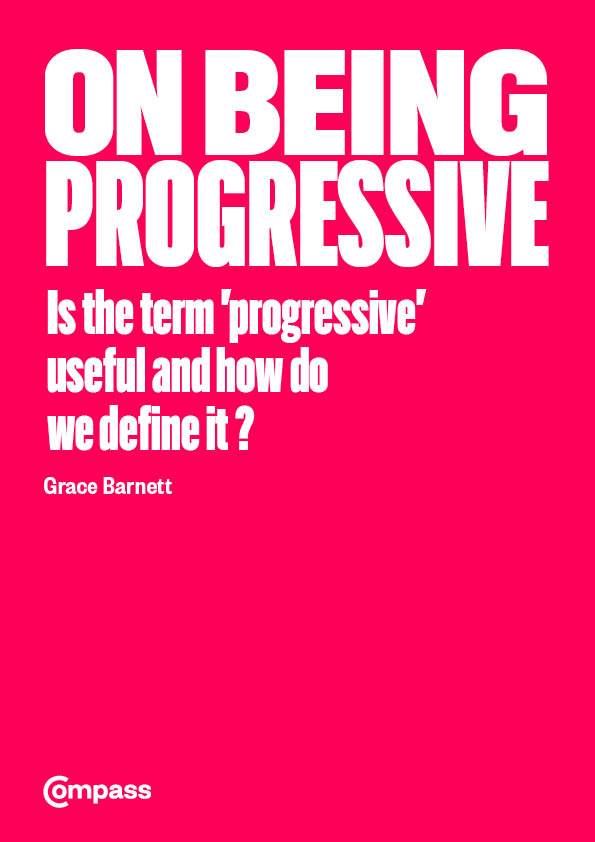
The Core Pillars of a Progressive Brand Identity
At its heart, a progressive brand is one that prioritizes long-term social and environmental health over short-term gains. This is not merely about “looking good” to the public; it is about building a foundation of trust that can weather economic and cultural shifts.
Purpose Beyond Profit
The first pillar of a progressive brand is the definition of a core purpose that extends beyond making money. While profitability is necessary for survival, a progressive brand views profit as the fuel for its mission, not the mission itself. This involves identifying a specific societal problem—whether it be environmental degradation, social inequality, or mental health—and centering the brand’s operations around solving it. When a brand has a clear “Why,” its marketing becomes more authentic and its customer loyalty deepens.
Diversity, Equity, and Inclusion (DEI) as a Foundation
In a globalized world, a progressive brand must reflect the diversity of its audience. This goes beyond diversity in advertising—which can often feel performative—and extends into the internal culture of the company. A progressive brand strategy ensures that leadership teams are diverse and that inclusive practices are baked into the product development process. When a brand values equity internally, that authenticity radiates outward, making the brand more relatable and trustworthy to a broad demographic.
Radical Transparency and Honesty
The digital age has ended the era of the “opaque corporation.” Today, consumers have the tools to investigate a company’s supply chain, labor practices, and carbon footprint in seconds. A progressive brand embraces this reality through radical transparency. This means being honest about where products are made, how employees are treated, and even admitting when the company has made a mistake. Transparency builds a “trust reservoir” that protects the brand during times of crisis.
The Strategy of Progressive Innovation
Progressive brands do not just follow trends; they anticipate them. They operate with a “future-first” mindset, constantly asking how the world will change in the next decade and how the brand can lead that change.
Anticipating Consumer Shifts
Being progressive means having a finger on the pulse of cultural evolution. This requires sophisticated market research that looks beyond what consumers are buying today to understand why their values are shifting. For example, the shift toward “quiet luxury” or “minimalist consumption” wasn’t just a fashion trend; it was a response to environmental concerns and a rejection of hyper-consumerism. Progressive brands recognized this early and adjusted their messaging to focus on quality and longevity rather than fast-paced novelty.
Agile Adaptation in a Digital-First World
Innovation is a hallmark of progress. A progressive brand leverages technology—not just for the sake of being high-tech, but to improve the human experience. Whether it is using AI to provide personalized, ethical recommendations or adopting blockchain to verify supply chain ethics, technology is used as a tool for progress. Furthermore, progressive brands are agile; they are willing to dismantle their own successful models if a more sustainable or efficient method emerges.
From Storytelling to “Storydoing”
Traditional branding was about storytelling—crafting a narrative and pushing it out to the masses. Progressive branding is about “storydoing.” It is the practice of taking action that aligns with the brand narrative. If a brand claims to be progressive about environmentalism, “storydoing” means redesigning packaging to be plastic-free. If it claims to support social justice, it means actively lobbying for policy change. Actions are the new advertisements, and for the progressive brand, they are the most effective way to communicate value.

Visual and Identity Evolution in Progressive Design
The visual identity of a progressive brand must reflect its values. Design is the first point of contact between a brand and its audience, and it communicates “progress” or “stagnation” almost instantly.
Modern Minimalism and Fluid Design
Progressive brands are increasingly moving away from cluttered, loud designs in favor of minimalism and fluidity. This aesthetic shift signals sophistication, clarity, and a lack of hidden agendas. Fluid design also refers to the ability of a visual identity to adapt across different platforms—from a smartphone screen to a physical billboard—without losing its essence. This adaptability is a visual metaphor for the brand’s ability to evolve with the times.
The Role of Voice and Tone in Social Progress
A brand’s voice is just as important as its logo. Progressive brands have moved away from the “corporate speak” of the 20th century, adopting a voice that is more human, empathetic, and direct. They aren’t afraid to take a stand on social issues, even if it risks alienating a portion of their audience. By choosing a clear, principled voice, a brand signals that it has a “soul.” This humanization of the brand is a key component of being progressive, as it builds a deeper emotional connection with the consumer.
Inclusive Design Systems
Progressive design also means making products and digital experiences accessible to everyone. This includes following Web Content Accessibility Guidelines (WCAG) and ensuring that physical products are usable by people with varying abilities. When a brand prioritizes inclusive design, it sends a powerful message that it values every individual in its community. This is a practical application of progressive values that has a direct impact on the bottom line by expanding the brand’s reach.
Case Studies: Brands Leading the Progressive Charge
Examining brands that have successfully integrated progressive strategies provides a blueprint for others to follow. These companies demonstrate that progressiveness and profitability are not mutually exclusive.
Patagonia: The Gold Standard of Environmental Progressivism
Patagonia is perhaps the most cited example of a progressive brand. Its mission statement—”We’re in business to save our home planet”—is reflected in every facet of its operation. From its “Don’t Buy This Jacket” campaign, which encouraged conscious consumption, to its decision to transfer ownership of the company to a non-profit dedicated to fighting climate change, Patagonia has redefined what it means to be a progressive corporation. They have proven that by being radically committed to a cause, you can build one of the most loyal and profitable brands in the world.
Nike: Taking a Stand on Social Issues
Nike has mastered the art of “progressive positioning” by aligning itself with cultural movements. Their partnership with Colin Kaepernick was a landmark moment in progressive branding. While the move was controversial, it signaled Nike’s willingness to stand by its athletes and its values, even in the face of backlash. This decision resonated deeply with their core demographic and reinforced Nike’s image as a brand that is on the “right side of history.”
Dove: Redefining Beauty Standards
Through its “Real Beauty” campaign, Dove challenged the beauty industry’s narrow standards of attractiveness. This was a progressive move that shifted the brand from being a simple soap manufacturer to a champion of self-esteem and body positivity. By identifying a systemic issue (unrealistic beauty standards) and aligning its brand strategy with the solution, Dove created a powerful, long-lasting emotional bond with millions of women globally.

The Future of Progressive Branding
As we look toward the future, the definition of being “progressive” will continue to evolve. We are moving into an era of “Accountability 2.0,” where consumers will demand even more proof of impact. Brands will be expected to report on their progress with the same rigor they apply to their financial statements.
To be progressive in the coming years will mean embracing the “circular economy,” where brands take responsibility for the entire lifecycle of their products. It will mean navigating the complexities of AI ethics and ensuring that the digital world remains a space for human connection rather than manipulation.
Ultimately, being a progressive brand means being a leader. It means having the courage to change before you are forced to, and the vision to see that the success of a business is inextricably linked to the success of society. For the brand strategist, progressiveness is the ultimate tool for relevance, resonance, and resilience in an ever-changing world.
aViewFromTheCave is a participant in the Amazon Services LLC Associates Program, an affiliate advertising program designed to provide a means for sites to earn advertising fees by advertising and linking to Amazon.com. Amazon, the Amazon logo, AmazonSupply, and the AmazonSupply logo are trademarks of Amazon.com, Inc. or its affiliates. As an Amazon Associate we earn affiliate commissions from qualifying purchases.