
Embarking on the journey to homeownership is an exciting prospect, but it often begins with a crucial question: “How much will I get approved for a mortgage?” This isn’t merely a curiosity; it’s the bedrock upon which you’ll build your home search, financial planning, and future stability. Understanding the factors that lenders consider when determining your mortgage approval amount is paramount to setting realistic expectations, making informed decisions, and ultimately securing the best possible financing for your dream home.
Lenders evaluate a complex tapestry of your financial life to assess your ability to repay a loan. They’re looking for stability, responsibility, and a track record that minimizes their risk. While online calculators can offer preliminary estimates, a precise figure depends on a thorough analysis of your unique financial profile. This article will demystify the key components that drive mortgage approval amounts, providing you with a roadmap to understand and potentially optimize your financial standing before you even apply.
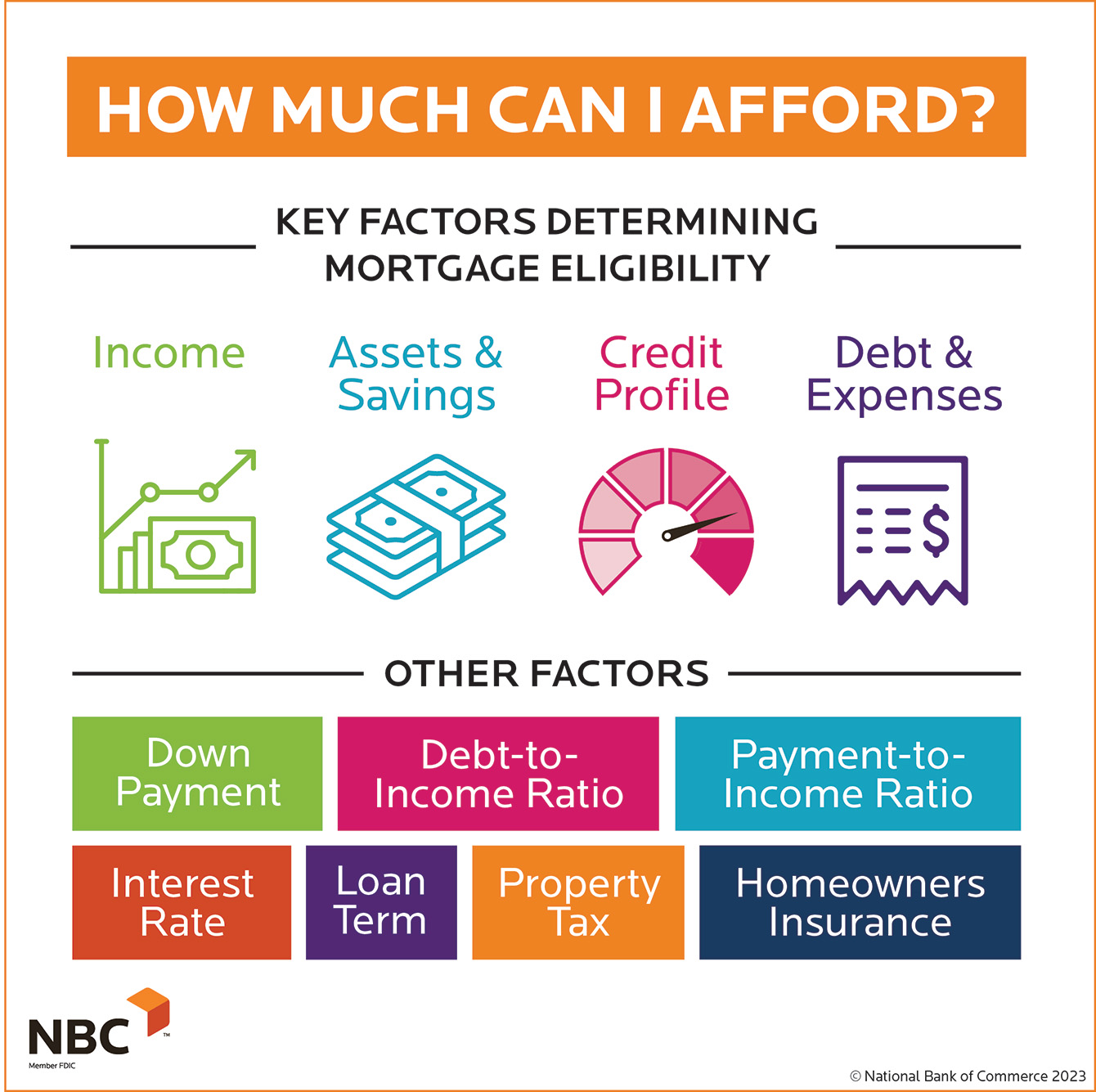
The Foundational Pillars of Mortgage Qualification
At its core, a lender’s decision boils down to assessing risk. They want to ensure that you have the capacity and willingness to make consistent mortgage payments. This evaluation rests on several fundamental pillars that collectively paint a picture of your financial health.
Income Stability and Sufficiency
Your income is perhaps the most direct indicator of your ability to afford mortgage payments. Lenders scrutinize not just the amount you earn, but also the stability and source of that income.
- Employment History: Lenders typically prefer to see a stable employment history, often looking for at least two years of consistent work with the same employer or in the same field. Frequent job changes, especially those involving significant career shifts or gaps, can raise red flags. For self-employed individuals, a longer history (often two to three years) of consistent income, backed by tax returns, is usually required.
- Income Types: Most lenders accept regular salaries, hourly wages, commissions, bonuses, and self-employment income. However, variable income streams like commissions or bonuses may be averaged over a period to determine a stable monthly figure. Other income sources like alimony, child support, social security, or disability can also be considered, provided they are consistent and verifiable.
- Debt-to-Income (DTI) Ratio: This critical metric measures how much of your gross monthly income is consumed by existing debt payments. Lenders use it to ensure you won’t be overburdened by a new mortgage payment. We’ll delve deeper into DTI shortly, but suffice it to say, your income must be sufficient to comfortably cover your proposed housing expenses plus all other recurring debts.
Credit Score and History
Your credit score and the underlying credit history are powerful determinants of not only whether you’ll be approved, but also the interest rate you’ll receive. A higher credit score signals a lower risk to lenders.
- Credit Score Impact: FICO scores, ranging from 300 to 850, are the most widely used. While specific requirements vary by loan type and lender, generally, a score of 620 or higher is needed for conventional loans, with FHA loans allowing for slightly lower scores. A score above 740 typically qualifies you for the most favorable interest rates.
- Payment History: Lenders will review your credit report for a comprehensive history of how you’ve managed past debts. Timely payments are crucial. Late payments, bankruptcies, foreclosures, or collections accounts within recent years can significantly hinder your approval chances or necessitate a longer waiting period.
- Credit Utilization: This refers to the amount of credit you’re using compared to your total available credit. High utilization (e.g., using 80% of your credit card limit) suggests financial strain and can negatively impact your score. Lenders prefer to see utilization below 30%.
- Types of Credit: A mix of credit (e.g., credit cards, auto loans, student loans) demonstrates your ability to manage different forms of debt responsibly.
Down Payment and Savings
The amount of money you can put down upfront significantly influences your loan-to-value (LTV) ratio and, consequently, your approval terms and monthly payments.
- Down Payment Size: A larger down payment reduces the amount you need to borrow, thus decreasing the lender’s risk. While 20% down is traditionally considered ideal for conventional loans to avoid Private Mortgage Insurance (PMI), many programs allow for much lower down payments (e.g., 3-5% for conventional, 3.5% for FHA, 0% for VA and USDA loans).
- Closing Costs: Beyond the down payment, you’ll need funds to cover closing costs, which typically range from 2-5% of the loan amount. These include appraisal fees, origination fees, title insurance, and more. Lenders will verify that you have sufficient funds to cover these expenses, sometimes requiring additional “reserves” (extra months of mortgage payments held in savings) after the down payment and closing costs.
- Source of Funds: Lenders will also want to verify the source of your down payment and closing cost funds. They’ll typically ask for bank statements to ensure the funds are legitimate and not borrowed (unless it’s a documented gift from an approved source).
Decoding Your Debt-to-Income (DTI) Ratio
The Debt-to-Income (DTI) ratio is a critical metric that lenders use to assess your capacity to take on new debt. It directly impacts how much mortgage you can qualify for, regardless of your income level. There are two primary DTI ratios lenders consider: the front-end ratio and the back-end ratio.
Front-End DTI (Housing Ratio)
This ratio specifically looks at your proposed housing expenses in relation to your gross monthly income.
It’s calculated as:
(Proposed Monthly Mortgage Payment (Principal, Interest, Taxes, Insurance, HOA fees) / Gross Monthly Income) x 100%
Lenders typically look for a front-end DTI of no more than 28% for conventional loans, though this can vary. A lower ratio indicates that a smaller portion of your income will be dedicated to housing, suggesting a lower risk.
Back-End DTI (Total Debt Ratio)
The back-end DTI is a more comprehensive measure, encompassing all your recurring monthly debt payments, including the proposed mortgage payment, relative to your gross monthly income.
It’s calculated as:
((Proposed Monthly Mortgage Payment + All Other Monthly Debt Payments) / Gross Monthly Income) x 100%
“Other monthly debt payments” typically include student loan payments, car loan payments, minimum credit card payments, personal loan payments, and any other recurring installment or revolving debt. Lenders often cap the back-end DTI at around 36% for conventional loans, though some programs like FHA loans may allow for higher ratios (e.g., up to 43% or even 50% with compensating factors).
Lender Limits and Guidelines
The acceptable DTI thresholds vary significantly by lender and loan program. Fannie Mae and Freddie Mac (which back most conventional loans) have their guidelines, while government-backed loans (FHA, VA, USDA) have their own, often more flexible, rules. For instance, VA loans are particularly generous, focusing more on residual income than strict DTI. Understanding these limits is crucial, as even a slightly elevated DTI can reduce your approved loan amount or lead to rejection. It’s not just about meeting the minimum; a lower DTI gives you more financial flexibility and can strengthen your application.
The Role of Loan-to-Value (LTV) and Equity
Beyond your ability to pay, lenders are also concerned with the value of the asset securing the loan – the home itself. The Loan-to-Value (LTV) ratio is a key metric in this assessment.
Calculating LTV

The LTV ratio compares the amount of your mortgage loan to the appraised value of the property you’re buying.
It’s calculated as:
(Loan Amount / Appraised Value or Purchase Price, whichever is lower) x 100%
For example, if you’re buying a home for $300,000 and putting down $60,000 (20%), your loan amount would be $240,000. Your LTV would be ($240,000 / $300,000) x 100% = 80%.
Impact of Down Payment on LTV
A larger down payment directly results in a lower LTV ratio. A lower LTV is generally favorable to lenders because it means they have less risk. If you default, they have a larger equity cushion protecting their investment. This often translates to better interest rates and more favorable loan terms for you. Conversely, a high LTV (e.g., over 80%) often comes with additional requirements or costs.
Private Mortgage Insurance (PMI)
If your LTV is above 80% on a conventional loan (meaning you put down less than 20%), lenders typically require you to pay Private Mortgage Insurance (PMI). PMI protects the lender in case you default on your loan. It’s an additional monthly cost that increases your overall housing expense and can, therefore, impact how much mortgage you can afford. While PMI can be removed once you build sufficient equity (usually reaching 20-22% LTV), it’s an immediate added cost that needs to be factored into your budget and DTI calculations. FHA loans have their own version of mortgage insurance, called Mortgage Insurance Premium (MIP), which is typically required for the life of the loan or for a significant period, regardless of LTV.
Navigating Different Loan Programs and Their Criteria
The type of mortgage loan you apply for significantly impacts the approval requirements and how much you can borrow. Various loan programs cater to different borrower profiles and financial situations.
Conventional Loans
Backed by Fannie Mae and Freddie Mac, conventional loans are the most common type. They generally require good to excellent credit (typically 620+), stable income, and a manageable DTI (front-end usually below 28%, back-end below 36%). While 20% down is ideal to avoid PMI, many conventional loan options allow for as little as 3-5% down. These loans offer flexibility in terms and are suitable for borrowers with strong financial profiles.
FHA Loans
Insured by the Federal Housing Administration (FHA), these loans are designed to make homeownership more accessible, especially for first-time homebuyers or those with less-than-perfect credit. FHA loans allow for lower credit scores (as low as 500 with a 10% down payment, or 580 with 3.5% down) and more flexible DTI ratios (often up to 43% or even 50% with compensating factors). However, they require both an upfront and annual Mortgage Insurance Premium (MIP), which adds to the total cost.
VA Loans
Guaranteed by the U.S. Department of Veterans Affairs (VA), these loans are a phenomenal benefit for eligible service members, veterans, and surviving spouses. VA loans offer significant advantages, including no down payment requirement, no private mortgage insurance, and competitive interest rates. They also have more lenient credit requirements and focus on residual income (money left after taxes and major debts) rather than strict DTI. Eligibility is tied to service requirements.
USDA Loans
Backed by the U.S. Department of Agriculture, these loans are designed to help low- and moderate-income individuals purchase homes in eligible rural and suburban areas. USDA loans offer 100% financing (no down payment required) and lower mortgage insurance costs than FHA loans. However, they have specific income limits that vary by location and property eligibility requirements.
Strategic Steps to Boost Your Approval Amount
Understanding the factors is one thing; proactively improving them is another. If you’re looking to maximize your mortgage approval amount or simply strengthen your application, there are several strategic steps you can take.
Improving Your Credit Score
- Pay Bills on Time, Every Time: Payment history is the biggest factor in your credit score. Set up automatic payments to avoid missing due dates.
- Reduce Credit Card Balances: Aim to keep your credit utilization below 30% of your available credit. Paying down existing debts frees up your DTI and improves your score.
- Avoid Opening New Credit Accounts: Opening new credit can temporarily lower your score and signal potential financial instability to lenders.
- Check Your Credit Report for Errors: Annually review your credit reports from all three bureaus (Experian, Equifax, TransUnion) and dispute any inaccuracies.
Reducing Existing Debt
Before applying for a mortgage, focus on paying down high-interest debts like credit card balances or personal loans. This directly lowers your monthly debt obligations, improving your back-end DTI ratio and demonstrating greater financial capacity. Even small reductions can make a difference.
Increasing Savings
Boost your down payment fund as much as possible. A larger down payment reduces your LTV, potentially lowers your interest rate, and helps you avoid or reduce PMI. Additionally, building up your savings for closing costs and reserves shows lenders that you have a financial cushion, making you a less risky borrower. Consider automating savings contributions to build your nest egg consistently.
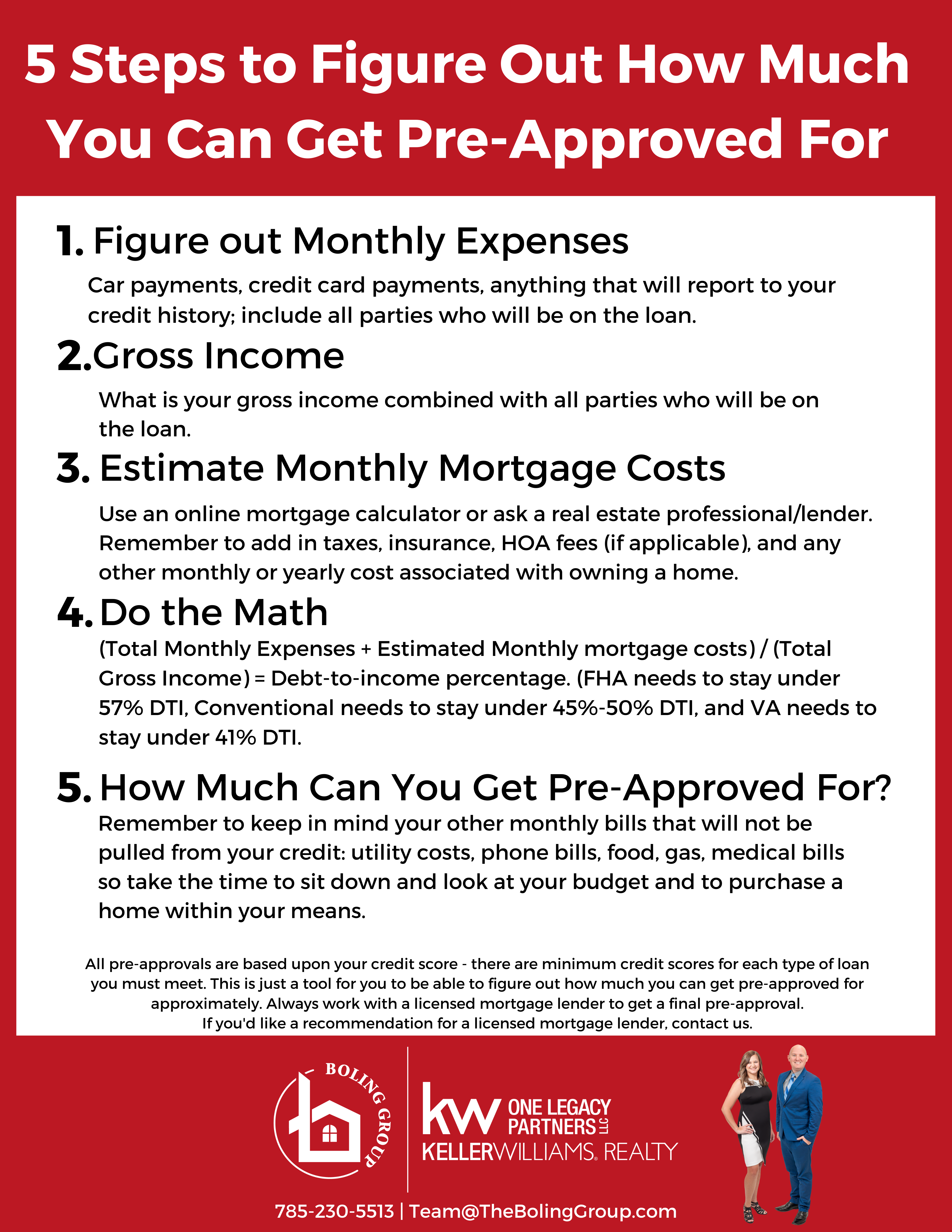
Consulting with a Mortgage Professional
Perhaps the most crucial step is to connect with an experienced mortgage lender or broker early in the process. They can provide a personalized assessment of your financial situation, explain various loan options, and help you understand how much you can realistically afford. A pre-approval letter, which outlines the maximum loan amount you’re approved for, gives you a clear budget for your home search and demonstrates to sellers that you’re a serious and qualified buyer. This consultation can also reveal areas where you can improve your financial profile to secure a better loan.
In conclusion, determining how much you’ll get approved for a mortgage is not a simple calculation but a comprehensive evaluation of your financial health. By understanding and strategically addressing your income, credit, debt, and savings, you can position yourself for a successful and advantageous home loan approval. Starting early, educating yourself, and seeking professional guidance are your best allies in navigating this significant financial milestone.
aViewFromTheCave is a participant in the Amazon Services LLC Associates Program, an affiliate advertising program designed to provide a means for sites to earn advertising fees by advertising and linking to Amazon.com. Amazon, the Amazon logo, AmazonSupply, and the AmazonSupply logo are trademarks of Amazon.com, Inc. or its affiliates. As an Amazon Associate we earn affiliate commissions from qualifying purchases.