
Securing a mortgage loan is often the most significant financial step an individual takes, pivotal for achieving the dream of homeownership. Yet, the journey from initial inquiry to final closing can feel like a labyrinth, with an often-asked question echoing in the minds of prospective buyers: “How long does it really take to get a mortgage loan?” The answer, while varying greatly depending on a multitude of factors, generally spans several weeks, sometimes months. Understanding the typical timeline, the variables that influence it, and strategies to streamline the process is crucial for any aspiring homeowner navigating the complex world of personal finance.
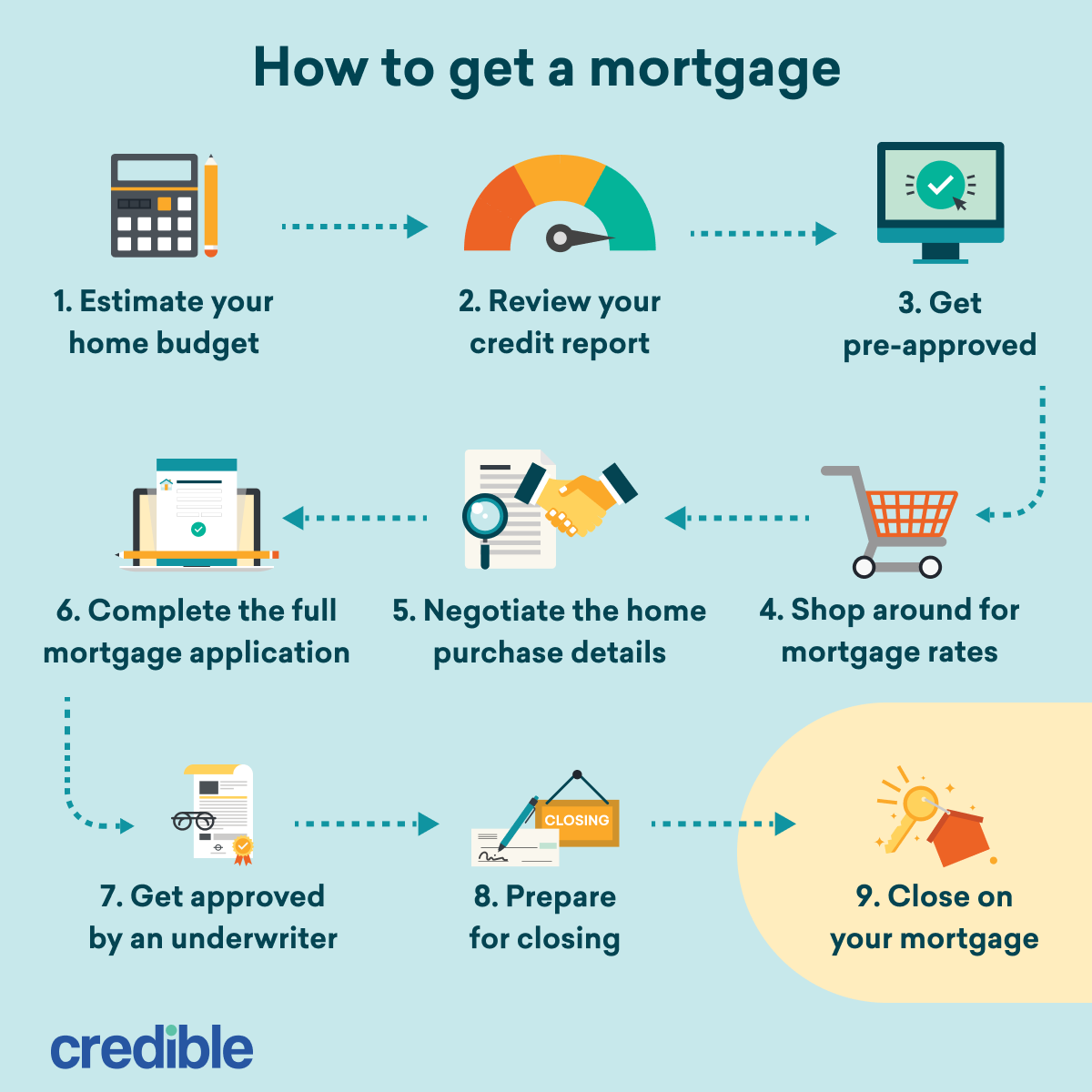
While there’s no single universal answer, most conventional mortgage loans in the United States typically close within 30 to 60 days from the initial application. However, this is an average, and outliers can see processes as short as two weeks or extend beyond 90 days. This article will demystify the mortgage timeline, breaking down each stage and equipping you with the knowledge to navigate this critical financial transaction with confidence and efficiency.
The Standard Mortgage Timeline: An Overview
The mortgage application process is a multi-stage journey, each with its own set of requirements and potential durations. Breaking it down helps set realistic expectations and highlights areas where delays might occur.
Pre-Approval: The Initial Step
The very first step for most serious homebuyers is obtaining a mortgage pre-approval. This crucial phase typically involves providing a lender with basic financial information, including your income, assets, and a consent for a credit check. The lender then reviews this information to give you an estimate of how much you can borrow.
Duration: This stage is usually the quickest, often taking 24-72 hours once all necessary information is submitted. Some online lenders can provide instant pre-approvals.
What happens:
- You submit financial documentation (pay stubs, bank statements, tax returns).
- The lender pulls your credit report.
- They assess your debt-to-income ratio and overall financial health.
- You receive a pre-approval letter stating the maximum loan amount you qualify for, often with an estimated interest rate.
While pre-approval isn’t a guaranteed loan, it’s a vital tool. It helps you understand your budget, makes your offers more attractive to sellers (who see you as a serious and qualified buyer), and allows you to focus your home search effectively.
Application and Processing: The Core Phase
Once you have a pre-approval and an accepted offer on a home, the real work of the mortgage process begins: the formal application and subsequent processing. This is typically the longest and most involved part of the journey.
Duration: This phase can range from 20 to 45 days, sometimes longer, depending on the complexity of your financial situation, the property, and the lender’s efficiency.
What happens:
- Formal Application: You complete a detailed loan application, providing extensive documentation about your income, employment history, assets, liabilities, and the specific property you intend to purchase.
- Underwriting: This is where the lender’s underwriters meticulously review all your submitted documents, your creditworthiness, and the property’s value to assess the risk of lending to you. They verify income, employment, assets, and liabilities. They might ask for additional documents or clarifications, often referred to as “conditions.”
- Appraisal: The lender orders a professional appraisal of the property to ensure its market value supports the loan amount. This protects both you and the lender from overpaying.
- Inspection: While not strictly part of the mortgage process, a home inspection is highly recommended and often a contingency in purchase agreements. It assesses the physical condition of the property and can sometimes impact the loan if major issues are found.
- Title Search: A title company performs a thorough search to ensure the property has a clear title, free of any liens, encumbrances, or ownership disputes.
- Loan Commitment: Once underwriting is complete and all conditions are met, the lender issues a final loan commitment, signifying their intent to fund the loan.
This stage requires constant communication and quick responses from the borrower to keep the process moving smoothly.
Closing: The Finish Line
The closing phase is the culmination of the entire mortgage process, where all parties meet to finalize the transaction.
Duration: The actual closing appointment itself typically takes 1-2 hours, but the preparation leading up to it, including receiving and reviewing the Closing Disclosure, requires at least 3 business days.
What happens:
- Closing Disclosure (CD): By law, you must receive your Closing Disclosure at least three business days before closing. This document details all the final costs, loan terms, and financial aspects of your mortgage. This three-day window is non-negotiable and is designed to give you time to review and understand everything.
- Final Walk-Through: You’ll typically conduct a final walk-through of the property to ensure it’s in the agreed-upon condition.
- Signing Documents: At the closing appointment, you will sign numerous legal documents, including the promissory note (your promise to repay the loan), the mortgage or deed of trust (giving the lender a lien on the property), and various disclosures.
- Funding: Once all documents are signed and verified, the lender wires the loan funds to the title company, which then disburses them to the seller, real estate agents, and other service providers.
- Recording: The deed and mortgage are recorded with the local government, officially transferring ownership to you.
Congratulations! You are now a homeowner.
Key Factors Influencing Your Mortgage Timeline
While the stages are standard, the time spent in each can vary significantly. Understanding the factors that cause these fluctuations can help you anticipate and potentially mitigate delays.
Borrower-Specific Variables
Your personal financial situation and preparedness play a colossal role in dictating the speed of your mortgage application.
- Completeness of Documentation: The most common cause of delays is incomplete or incorrect documentation. If you fail to provide all requested documents promptly, or if they contain discrepancies, the underwriter will request more information, extending the timeline.
- Credit History and Score: Borrowers with excellent credit and a straightforward financial history often sail through underwriting faster. Those with lower scores, recent credit issues, or unusual credit patterns might require more scrutiny and additional explanations.
- Debt-to-Income (DTI) Ratio: A high DTI can signal higher risk to lenders, potentially leading to additional requirements or a slower review process.
- Employment Stability and Income Structure: Steady, W-2 employment with a consistent income is generally easier to verify. Self-employed individuals, those with multiple income streams, or commission-based earners might face longer verification processes requiring more extensive documentation.
- Communication Responsiveness: Being readily available to answer questions and provide additional information requested by your loan officer or underwriter is critical. Delays in communication translate directly into delays in processing.
Lender Efficiency and Capacity
Not all lenders operate at the same speed. The institution you choose can significantly impact your timeline.
- Lender’s Internal Processes: Some lenders have highly efficient, digitized systems, while others rely on more manual processes. Lenders utilizing advanced technology (e.g., automated underwriting systems) can often process loans faster.
- Loan Officer’s Experience and Workload: An experienced loan officer can guide you more effectively, anticipate issues, and proactively gather necessary information. A loan officer with an extremely high volume of clients might take longer to respond or manage your application.
- Underwriter Workload: Underwriters are the gatekeepers. If a lender has a limited number of underwriters or is experiencing a surge in applications, underwriting times can extend considerably.
- Loan Type: Certain loan types (e.g., FHA, VA, USDA loans) often have specific additional requirements and can sometimes take slightly longer than conventional loans due to government-mandated steps.
Property-Related Issues
The property itself can introduce its own set of complications and delays.
- Appraisal Delays or Issues: Scheduling an appraiser can sometimes take time, especially in rural areas. A low appraisal (where the property is valued less than the agreed-upon purchase price) can lead to renegotiations or require the buyer to bring more cash to closing, potentially delaying the process.
- Inspection Findings: Significant issues uncovered during a home inspection (e.g., structural problems, major electrical/plumbing faults) can lead to requests for repairs, credit, or even renegotiation or termination of the contract, all of which extend the timeline.
- Title Issues: Unresolved liens, boundary disputes, or previous ownership complexities can be unearthed during the title search, requiring legal work to clear the title before the loan can close.
- Property Type Complexity: Unique properties, multi-unit dwellings, or homes in areas with specific environmental concerns might require additional scrutiny and documentation.
Market Conditions and Regulations
External factors beyond the control of the borrower or lender can also play a role.
- Economic Climate: During periods of high demand (e.g., low interest rates leading to a refinance boom or strong seller’s market), lenders may be overwhelmed, causing processing times to increase across the board.
- New Regulations: Changes in financial regulations or compliance requirements can sometimes temporarily slow down the industry as lenders adapt their processes.
Strategies to Expedite Your Mortgage Process
While some delays are unavoidable, many can be mitigated with proactive planning and smart execution.
Prepare Your Documentation Meticulously
This is perhaps the single most impactful action you can take. Before even speaking to a loan officer, gather and organize essential financial documents.
- Income Verification: Pay stubs (last 30-60 days), W-2 forms (last two years), tax returns (last two years, including all schedules), and letters of explanation for any gaps in employment or unusual income.
- Asset Verification: Bank statements (last 60 days for checking and savings), investment account statements, and documentation for any large deposits.
- Credit History: Be aware of your credit score and pull your own credit report beforehand to address any inaccuracies.
- Employment History: Contact information for employers for the last two years.
- Other Debts: Statements for credit cards, auto loans, student loans, etc.
Having these documents ready in a digital format (PDFs are often preferred) will allow you to respond instantly to lender requests.
Maintain Strong Communication with All Parties
Your loan officer, realtor, and any legal counsel are your team.
- Be Proactive: Don’t wait for your loan officer to call you. Check in regularly for updates.
- Be Responsive: When your loan officer or underwriter requests additional information, provide it as quickly and clearly as possible. Delays here directly stall your loan.
- Ask Questions: If you don’t understand something, ask. It’s better to clarify upfront than to make a mistake that causes delays later.
- Keep Everyone Informed: If there are changes to your financial situation or the property, immediately inform your loan officer and realtor.
Respond Promptly to Requests
Underwriters often have specific “conditions” they need cleared before approving the loan. These might be requests for clarification on a bank deposit, an additional pay stub, or a letter explaining a gap in employment. The faster you provide accurate responses, the quicker your loan moves to the next stage. Treat every request as urgent.
Shop for the Right Lender
Not all lenders are created equal.
- Reputation for Efficiency: Ask your realtor for recommendations of lenders known for smooth and timely closings. Read online reviews focusing on the application and closing experience.
- Communication Style: Choose a lender and loan officer whose communication style aligns with yours. Do they prefer email, phone calls, or texts? Are they accessible?
- Technology: Some lenders offer online portals for document submission and tracking, which can streamline the process.
- Interest Rates vs. Service: While interest rates are important, a slightly higher rate with a lender known for excellent service and on-time closings might be worth it to avoid stress and potential deal collapse.
Avoid Major Financial Changes
During the mortgage process, your financial situation is under constant scrutiny.
- Do Not Open New Credit Lines: This includes applying for new credit cards, taking out personal loans, or financing new cars. New credit inquiries and increased debt can negatively impact your credit score and debt-to-income ratio, jeopardizing your approval.
- Do Not Make Large Purchases: Avoid buying new furniture, appliances, or other big-ticket items on credit.
- Do Not Change Jobs: A change in employment, especially to a different field or a commission-based role, can trigger a need for re-verification and potentially delay your loan. If a job change is unavoidable, discuss it immediately with your loan officer.
- Do Not Make Large Undocumented Deposits: Large sums of money appearing in your bank account without a clear source can be a red flag for underwriters, who will require documentation.
Common Delays and How to Mitigate Them
Even with meticulous preparation, unforeseen challenges can arise. Being aware of common stumbling blocks can help you respond effectively.
Appraisal and Inspection Issues
- Low Appraisal: If the appraisal comes in below the purchase price, you’ll need to negotiate with the seller to lower the price, or you’ll have to bring additional cash to closing. Alternatively, you might be able to challenge the appraisal with comparable sales data.
- Significant Inspection Findings: Major repairs identified during the inspection can lead to renegotiations for repairs or credits. Ensure your purchase agreement includes contingencies for inspection results.
Underwriting Hurdles
- Complex Financial History: If you’re self-employed, have multiple businesses, or unusual income sources, underwriters will require more detailed documentation and explanation. Be prepared to provide extensive records, including profit and loss statements.
- Credit Issues: Past bankruptcies, foreclosures, or recent late payments will be scrutinized. Provide letters of explanation for any derogatory marks.
- Undisclosed Debts: Any debts that appear on your credit report but weren’t initially disclosed will cause delays as the underwriter reassesses your DTI.
Title Defects
Issues like outstanding liens, previous ownership disputes, or errors in public records can halt the process. An early title search ordered by the title company can help identify and resolve these issues well in advance. Having a good real estate attorney on your side can be invaluable in navigating complex title issues.
Communication Gaps
As highlighted earlier, poor communication between the borrower, lender, realtor, or title company is a frequent cause of delays. Proactive and clear communication is your best defense. Confirm receipt of documents, set expectations for response times, and don’t hesitate to follow up.

Conclusion
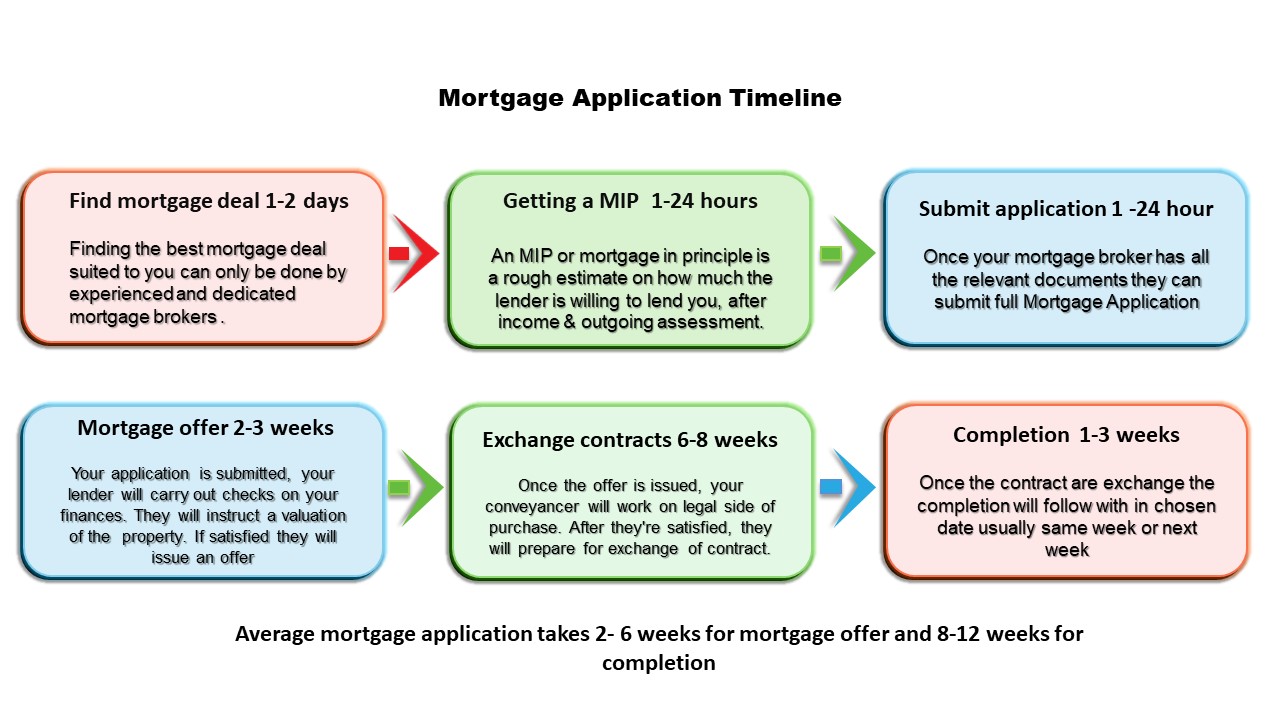
The journey to obtaining a mortgage loan is a significant financial undertaking that typically spans between 30 and 60 days from application to closing. While this timeline serves as a general guideline, it is heavily influenced by your personal financial preparedness, the efficiency of your chosen lender, the specifics of the property, and broader market conditions.
By understanding each stage of the mortgage process – from pre-approval through application, underwriting, and finally closing – and by proactively managing the factors within your control, you can significantly streamline your path to homeownership. Meticulous document preparation, prompt and clear communication, choosing the right financial partners, and avoiding major financial changes during the process are your most powerful tools. While the process demands diligence and patience, a well-informed and prepared applicant can navigate the complexities of securing a mortgage loan successfully and efficiently, turning the dream of owning a home into a tangible reality.
aViewFromTheCave is a participant in the Amazon Services LLC Associates Program, an affiliate advertising program designed to provide a means for sites to earn advertising fees by advertising and linking to Amazon.com. Amazon, the Amazon logo, AmazonSupply, and the AmazonSupply logo are trademarks of Amazon.com, Inc. or its affiliates. As an Amazon Associate we earn affiliate commissions from qualifying purchases.