
Understanding the current average mortgage rate is a critical first step for anyone considering buying a home, refinancing an existing loan, or simply monitoring the health of the housing market. Mortgage rates are not static; they are dynamic financial instruments influenced by a complex interplay of economic indicators, central bank policies, and global events. For prospective homeowners, even a slight shift in rates can translate into thousands of dollars over the lifetime of a loan, significantly impacting affordability and monthly budgets.
In today’s ever-evolving economic landscape, staying informed about prevailing mortgage rates is more important than ever. While providing an exact, real-time “average” rate that applies universally is challenging due to daily fluctuations and individual borrower circumstances, this article aims to demystify the factors that drive these rates, outline the different types of mortgages available, and equip you with the knowledge to navigate the current market effectively. We’ll explore how to interpret the headlines, understand what influences your personal rate, and strategize to secure the most favorable terms for your financial future.
Understanding the Dynamics of Mortgage Rates
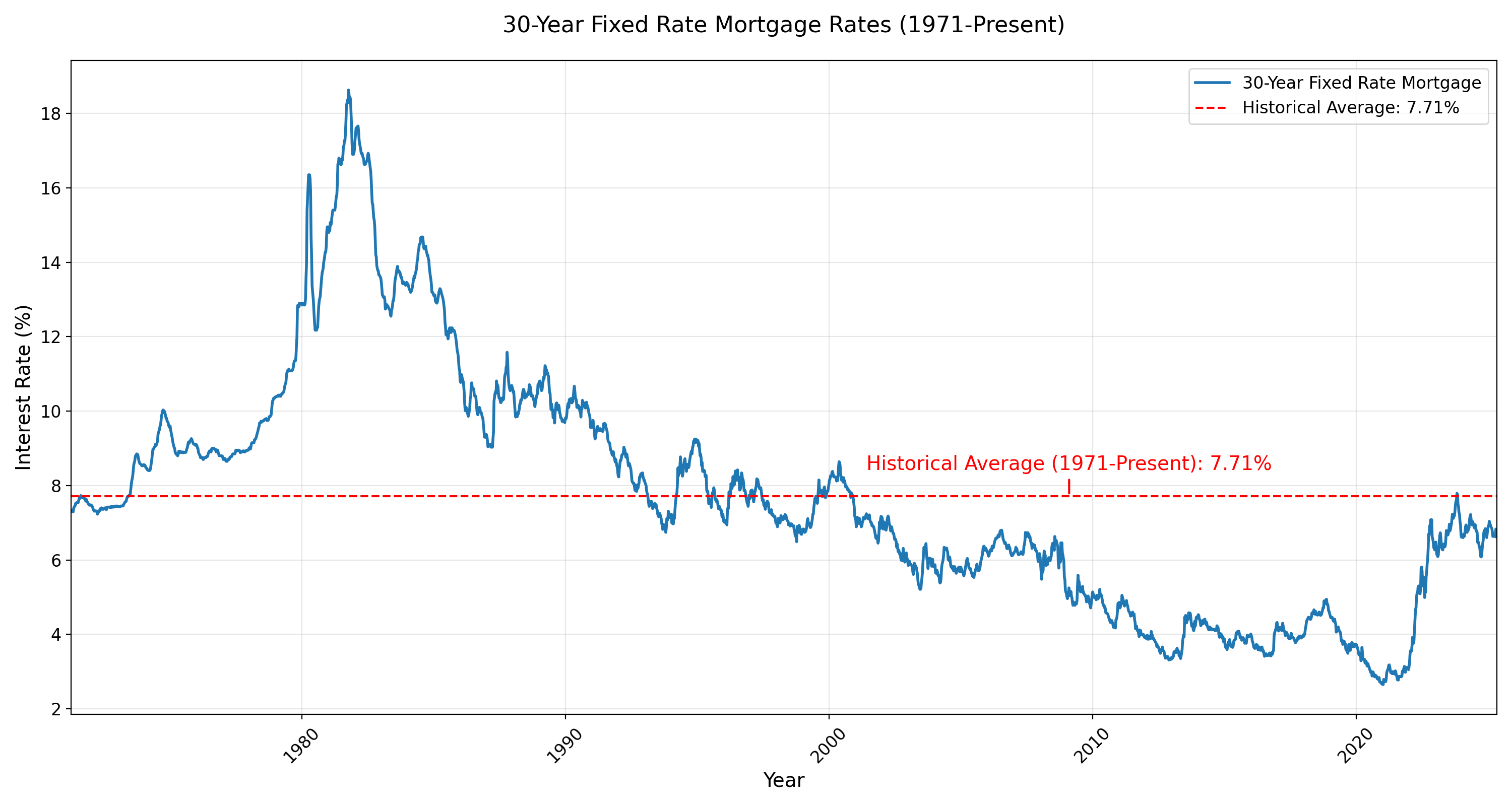
Mortgage rates are a reflection of the broader economic environment and the supply and demand for credit. They are not arbitrarily set but rather are meticulously calculated by lenders based on a multitude of variables. To truly grasp “what is the average mortgage rate now per year,” one must appreciate the forces that push and pull these figures.
The Federal Reserve’s Influence
At the macroeconomic level, the Federal Reserve (the Fed) plays a pivotal, albeit indirect, role in shaping mortgage rates. While the Fed does not directly set mortgage rates, its monetary policy decisions significantly impact the cost of borrowing for banks, which then trickles down to consumers. The Fed’s primary tool is the federal funds rate, an overnight lending rate between banks. When the Fed raises this rate, it signals a tightening of monetary policy, generally leading to higher interest rates across the board, including those for mortgages. Conversely, a cut in the federal funds rate aims to stimulate economic activity by making borrowing cheaper.
However, it’s crucial to understand that long-term fixed mortgage rates are more closely tied to the yield on 10-year Treasury bonds than directly to the federal funds rate. Treasury yields reflect investor expectations about inflation and economic growth over the next decade. If investors anticipate higher inflation, they demand a higher yield on their bonds to compensate for the erosion of purchasing power, which typically pushes mortgage rates higher. The Fed’s actions, and their communication about future policy, heavily influence these market expectations and thus indirectly impact Treasury yields and, consequently, mortgage rates.
Economic Indicators and Market Sentiment
Beyond the Fed, a wide array of economic indicators constantly shape market sentiment and influence bond yields, and by extension, mortgage rates. Key indicators include:
- Inflation Reports: Higher-than-expected inflation tends to push mortgage rates up, as lenders seek to protect the real value of their returns.
- Employment Data: Strong job growth and low unemployment figures can signal a robust economy, which might prompt the Fed to consider tightening monetary policy to prevent overheating, potentially leading to higher rates. Conversely, a weak job market might lead to lower rates as the Fed aims to stimulate the economy.
- Gross Domestic Product (GDP): A strong GDP growth report suggests a healthy economy, which could contribute to higher interest rates.
- Consumer Confidence: High consumer confidence can lead to increased spending and borrowing, potentially influencing lenders to adjust rates.
- Global Events: Geopolitical instability, international trade disputes, or global health crises can introduce uncertainty into financial markets, often leading to a “flight to safety” into government bonds, which can temporarily lower yields and mortgage rates. However, prolonged instability can also lead to increased risk premiums, potentially driving rates up.
Lender-Specific Factors
While macroeconomics sets the general direction, individual lenders also factor in their own costs, risk assessments, and competitive landscape when quoting specific rates. These factors include:
- Lender’s Overhead: Operational costs, employee salaries, and technology investments all play a role.
- Profit Margins: Lenders need to make a profit, and their desired margin will be baked into the rates offered.
- Market Competition: In a competitive market, lenders might slightly reduce their rates to attract more borrowers.
- Mortgage-Backed Securities (MBS) Market: Lenders often package and sell mortgages as MBS to investors. The demand for these securities influences the rates lenders can offer. If investors are willing to buy MBS at lower yields, lenders can offer lower rates to borrowers.
Key Types of Mortgage Rates
When asking “what is the average mortgage rate now per year,” it’s crucial to recognize that there isn’t just one type of mortgage rate. The average often refers to the most common product, typically a 30-year fixed-rate mortgage, but understanding the alternatives is vital for making an informed decision tailored to your financial situation and risk tolerance.
Fixed-Rate Mortgages: Stability in Payments
The fixed-rate mortgage is the most popular choice for homebuyers due to its predictability. With a fixed-rate mortgage, the interest rate remains the same for the entire duration of the loan, typically 15 or 30 years. This means your principal and interest payment will never change, regardless of economic fluctuations.
Advantages:
- Predictable Payments: Budgeting is easier as your monthly housing cost (excluding taxes and insurance, which can change) is stable.
- Protection Against Rising Rates: If market rates increase, your payment remains unaffected.
- Simplicity: Easier to understand and manage over the long term.
Disadvantages:
- Higher Initial Rates: Fixed rates are often slightly higher than initial adjustable rates, as lenders price in the risk of future interest rate increases.
- Missed Opportunity for Lower Rates: If market rates drop significantly, you won’t benefit unless you refinance, which incurs additional costs.
The 30-year fixed-rate mortgage is the benchmark against which most other mortgage products are compared and is often what people refer to when discussing “the average mortgage rate.” A 15-year fixed-rate mortgage, while having higher monthly payments, typically offers a lower interest rate than a 30-year option and allows you to pay off your home much faster, saving substantially on total interest paid.
Adjustable-Rate Mortgages (ARMs): Flexibility with Risk
Adjustable-rate mortgages (ARMs) offer an initial fixed interest rate for a set period (e.g., 3, 5, 7, or 10 years), after which the rate adjusts periodically, usually annually, based on a specific market index (like the Secured Overnight Financing Rate – SOFR) plus a margin set by the lender.
Advantages:
- Lower Initial Rates: ARMs typically offer lower interest rates than fixed-rate mortgages during their initial fixed period, leading to lower initial monthly payments.
- Beneficial in Falling Rate Environments: If interest rates decrease after the initial fixed period, your payments could also go down.
- Suitable for Short-Term Ownership: Ideal for borrowers who plan to sell or refinance before the fixed-rate period ends.
Disadvantages:
- Payment Volatility: Your monthly payments can increase significantly after the fixed period if interest rates rise.
- Interest Rate Risk: You bear the risk of future interest rate increases.
- Complexity: ARMs can be more complex to understand due to adjustment periods, caps (limits on how much the rate can change per adjustment and over the life of the loan), and various indexes.
Hybrid ARMs and Other Variations
Most ARMs today are “hybrid ARMs,” such as a 5/1 ARM. The “5” indicates the number of years the initial interest rate is fixed, and the “1” indicates that the rate will adjust once a year thereafter. Other common hybrids include 7/1 and 10/1 ARMs.
Beyond fixed and ARMs, there are specialized options like FHA loans (insured by the Federal Housing Administration, offering lower down payment requirements), VA loans (for eligible veterans, often with no down payment), and USDA loans (for rural properties, also with no down payment). While these government-backed loans have different eligibility criteria, the underlying interest rate mechanism still broadly falls into fixed or adjustable categories and is influenced by the same market dynamics. When examining the “average mortgage rate,” these specialized loans might show slightly different averages due to their unique risk profiles and government backing, which can sometimes lead to more favorable rates for eligible borrowers.
How Current Rates Impact Your Homeownership Journey
The prevailing average mortgage rate has far-reaching implications, not just for your monthly budget but for your overall strategy in the housing market. Whether you’re a first-time buyer, an existing homeowner, or an investor, understanding the impact of current rates is crucial for making financially sound decisions.
Affordability and Monthly Payments
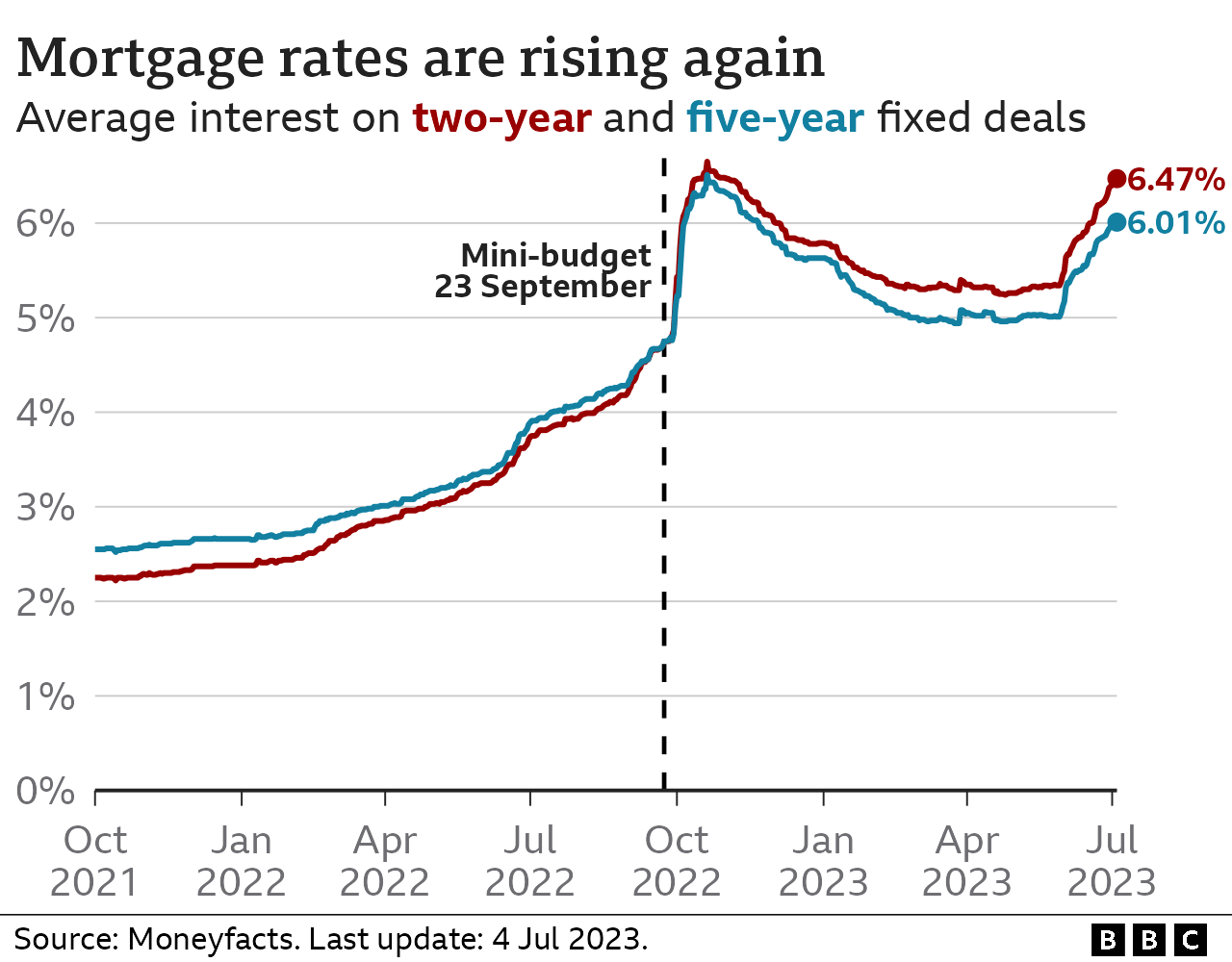
The most direct and immediate impact of mortgage rates is on affordability. Even a fraction of a percentage point change in interest rates can significantly alter your monthly mortgage payment, which in turn affects how much home you can afford.
For example, on a $400,000 30-year fixed-rate mortgage:
- At a 6.0% interest rate, the principal and interest payment would be approximately $2,398.
- At a 7.0% interest rate, the principal and interest payment would jump to approximately $2,661.
- At an 8.0% interest rate, the principal and interest payment would be about $2,935.
This difference of several hundred dollars per month can be substantial for many households, potentially pushing certain homes out of reach or forcing buyers to settle for less expensive properties. Higher rates reduce purchasing power, making it harder for buyers to qualify for loans and increasing the overall cost of homeownership. This impact is particularly felt in high-cost-of-living areas where even small rate increases can price out a significant portion of the market.
Refinancing Opportunities
For existing homeowners, current mortgage rates dictate the viability of refinancing. Refinancing involves taking out a new mortgage to pay off your old one, often to secure a lower interest rate, change the loan term, or convert equity into cash.
- When Rates Fall: A significant drop in average mortgage rates can present a golden opportunity to refinance into a lower rate, thereby reducing your monthly payments or shortening your loan term. This can lead to substantial savings over the life of the loan. Many homeowners aim to refinance when rates are at least 0.75% to 1.0% lower than their current rate to ensure the savings outweigh the refinancing costs (closing costs, appraisal fees, etc.).
- When Rates Rise: If rates have risen since you took out your original mortgage, refinancing for a lower rate is likely not feasible. However, homeowners might still consider a “cash-out” refinance to tap into home equity, even if the new rate is higher, if they need funds for large expenses and other borrowing options are less favorable.
Monitoring the average mortgage rate is thus a continuous exercise for homeowners looking to optimize their financial position.
Market Timing for Buyers and Sellers
Mortgage rates play a pivotal role in the overall housing market’s dynamics, influencing both buyer and seller behavior.
- For Buyers: Lower average rates typically stimulate buyer demand because homes become more affordable. This can lead to increased competition, potentially driving up home prices. Conversely, higher rates can cool down a hot housing market, as reduced affordability translates to fewer buyers and potentially more inventory, which could stabilize or even decrease home prices. Buyers in a high-rate environment might also be more conservative with their offers and look for more concessions from sellers.
- For Sellers: In a low-rate environment, sellers often benefit from strong buyer demand and quicker sales, sometimes at higher prices. When rates are high, sellers might face a smaller pool of qualified buyers, longer time on the market, and potentially more pressure to reduce their asking price or offer incentives to attract buyers. The decision to sell can often hinge on whether a homeowner is willing to give up a historically low mortgage rate on their existing home for a new, higher rate on a different property.
Understanding these dynamics allows both buyers and sellers to strategize more effectively, whether that means waiting for more favorable conditions, adjusting price expectations, or leveraging negotiation tactics.
Strategies for Securing the Best Mortgage Rate
While macroeconomic forces largely determine the general direction of “what is the average mortgage rate now per year,” several personal strategies can significantly influence the specific rate you, as an individual borrower, receive. Taking proactive steps can mean the difference between an average rate and a truly competitive one, saving you thousands over the life of your loan.
Strengthening Your Financial Profile
Lenders assess your risk profile before offering a mortgage rate. A strong financial profile signals to lenders that you are a reliable borrower, warranting a lower interest rate. Key areas to focus on include:
- Credit Score: This is arguably the most crucial factor. A higher credit score (generally 740 and above for conventional loans) indicates a history of responsible borrowing and repayment, qualifying you for the best rates. Before applying for a mortgage, review your credit report for errors and take steps to improve your score, such as paying down debt and making all payments on time.
- Debt-to-Income (DTI) Ratio: Your DTI ratio is the percentage of your gross monthly income that goes towards paying debts. Lenders prefer a lower DTI, typically below 43%, as it indicates you can comfortably manage additional mortgage payments. Reducing existing debt, such as credit card balances or car loans, can significantly improve this ratio.
- Down Payment: A larger down payment reduces the amount you need to borrow, which decreases the lender’s risk. While not always directly tied to the interest rate itself (unless it affects your loan-to-value ratio, which in turn affects private mortgage insurance), a substantial down payment can sometimes give you access to better loan products or more favorable terms.
- Employment Stability: Lenders look for a consistent employment history, typically two years in the same job or industry, as an indicator of stable income.
Shopping Around and Comparing Lenders
Never settle for the first quote you receive. Mortgage rates and fees can vary significantly from one lender to another, even on the same day for the same borrower profile.
- Get Quotes from Multiple Lenders: Contact at least three to five different lenders, including traditional banks, credit unions, and online mortgage brokers. Each lender has different overheads, risk appetites, and product offerings.
- Compare Loan Estimates: Lenders are required to provide a standardized “Loan Estimate” form within three business days of application. This document details the interest rate, monthly payment, closing costs, and other loan terms. Carefully compare the annual percentage rate (APR), which reflects the true cost of borrowing over the loan’s term, including most fees.
- Don’t Just Look at the Rate: While the interest rate is critical, also scrutinize the closing costs, points (fees paid to lower the interest rate), and other charges. A slightly higher interest rate with significantly lower closing costs might be more cost-effective for you, especially if you plan to move or refinance within a few years.
Shopping for a mortgage within a short timeframe (usually 14 to 45 days, depending on the credit scoring model) will typically be treated as a single inquiry on your credit report, minimizing the impact on your credit score.
Understanding Rate Locks and Closing Costs
Once you find a desirable rate, you’ll need to understand the mechanics of securing it.
- Rate Locks: A rate lock guarantees the interest rate for a specific period (e.g., 30, 45, or 60 days) while your loan application is processed. This protects you from rate increases before closing. Be sure to understand the duration of the lock and any fees associated with extending it if your closing is delayed. Some lenders offer “float-down” options, which allow you to secure a lower rate if market rates drop significantly after your lock, usually for an additional fee.
- Closing Costs: These are fees paid at the close of a real estate transaction, typically ranging from 2% to 5% of the loan amount. They include origination fees, appraisal fees, title insurance, attorney fees, and more. Being aware of these costs and negotiating them where possible can impact the overall expense of your mortgage. Some lenders offer “no-closing-cost” mortgages, but these usually come with a higher interest rate to cover the fees.
By proactively managing your finances, diligently shopping for the best terms, and understanding the intricate details of the mortgage process, you can position yourself to secure a mortgage rate that is not just “average” but truly advantageous for your financial well-being.
The Future Outlook: What to Expect from Mortgage Rates
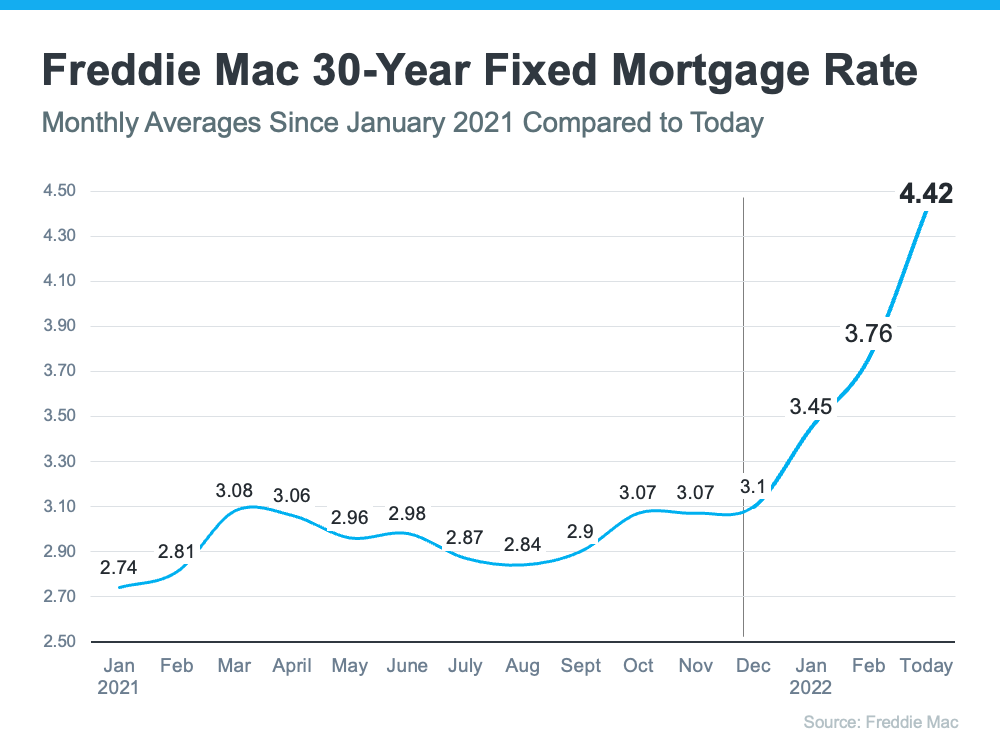
Attempting to predict the exact trajectory of “what is the average mortgage rate now per year” is challenging, as it depends on an array of constantly shifting economic variables and policy decisions. However, by staying informed about expert predictions and understanding the underlying forces, prospective and current homeowners can better anticipate potential shifts and plan accordingly.
Expert Predictions and Economic Forecasts
Financial institutions, economists, and housing market analysts regularly publish forecasts for mortgage rates. These predictions are typically based on their outlook for:
- Inflation: If inflation remains stubbornly high, central banks may be compelled to keep interest rates elevated or even raise them further, which would exert upward pressure on mortgage rates. Conversely, a sustained moderation in inflation could allow for rate cuts.
- Federal Reserve Policy: The Fed’s stance on monetary policy is paramount. Their decisions regarding the federal funds rate and quantitative easing (or tightening) directly influence short-term borrowing costs and indirectly impact long-term rates via bond yields. Market participants closely watch the Fed’s statements for clues about future actions.
- Economic Growth: A strong and resilient economy, characterized by robust job growth and consumer spending, might support higher rates as it could lead to inflationary pressures. A slowdown or recession, however, could prompt the Fed to lower rates to stimulate activity, leading to downward pressure on mortgages.
- Global Geopolitics: International events, such as conflicts, trade disputes, or energy crises, can introduce significant uncertainty into global financial markets, often causing investors to seek safety in U.S. Treasury bonds, which can temporarily lower yields and mortgage rates. However, prolonged instability can also lead to increased risk premiums, potentially driving rates up.
It’s important to remember that these are forecasts, not guarantees. Economic conditions can change rapidly, and events can unfold differently than anticipated. However, by observing the consensus among reputable experts and understanding the key drivers, you can gain a more informed perspective. Generally, if the economy is expected to slow down and inflation to ease, the expectation is for mortgage rates to potentially stabilize or even decline from peak levels. Conversely, a re-acceleration of inflation or stronger-than-expected economic growth could lead to rates remaining elevated or even rising.
Preparing for Rate Fluctuations
Given the inherent uncertainty in rate movements, it’s wise for anyone involved in the housing market to prepare for potential fluctuations.
- For Buyers: If rates are high, consider if an Adjustable-Rate Mortgage (ARM) might be a suitable short-term strategy if you plan to move or refinance before the fixed-rate period ends. However, understand the risks associated with potential rate increases. If you’re committed to a fixed rate, factor in the higher monthly payments into your budget to ensure long-term affordability. Don’t let the pursuit of a lower rate delay your homeownership too long if you’re otherwise financially ready, as property values can also rise.
- For Existing Homeowners: Continuously monitor average rates, especially if your current mortgage rate is significantly higher than prevailing averages. Be ready to act if refinancing opportunities arise. Keep your credit score strong and manage your debt to ensure you’re in the best position to qualify for a lower rate when the time comes.
- Financial Health: Regardless of the market’s direction, maintaining a strong financial profile (good credit, low debt-to-income ratio, stable income) is your best defense against unfavorable rate environments and your greatest asset for securing the most competitive terms available. Building an emergency fund also provides a crucial buffer against unexpected financial strains, whether from rate changes or other life events.
In conclusion, the “average mortgage rate now per year” is a moving target, shaped by a confluence of powerful economic forces. While you cannot control these macro trends, understanding them and proactively managing your personal financial situation empowers you to navigate the complexities of the housing market with confidence and secure the best possible mortgage terms for your individual needs. Staying informed, exercising financial prudence, and diligently shopping for lenders are your strongest tools in a dynamic rate environment.
aViewFromTheCave is a participant in the Amazon Services LLC Associates Program, an affiliate advertising program designed to provide a means for sites to earn advertising fees by advertising and linking to Amazon.com. Amazon, the Amazon logo, AmazonSupply, and the AmazonSupply logo are trademarks of Amazon.com, Inc. or its affiliates. As an Amazon Associate we earn affiliate commissions from qualifying purchases.