
For most individuals, purchasing a home represents the single largest financial transaction and investment of their lives. Central to this monumental decision is understanding the interest rate associated with a home loan, or mortgage. This rate isn’t just a number; it’s a critical determinant of your monthly payments, the total cost of your home over its lifetime, and ultimately, your financial well-being. Far from being a static figure, home loan rates are dynamic, influenced by a complex interplay of economic forces, market conditions, and individual borrower profiles.
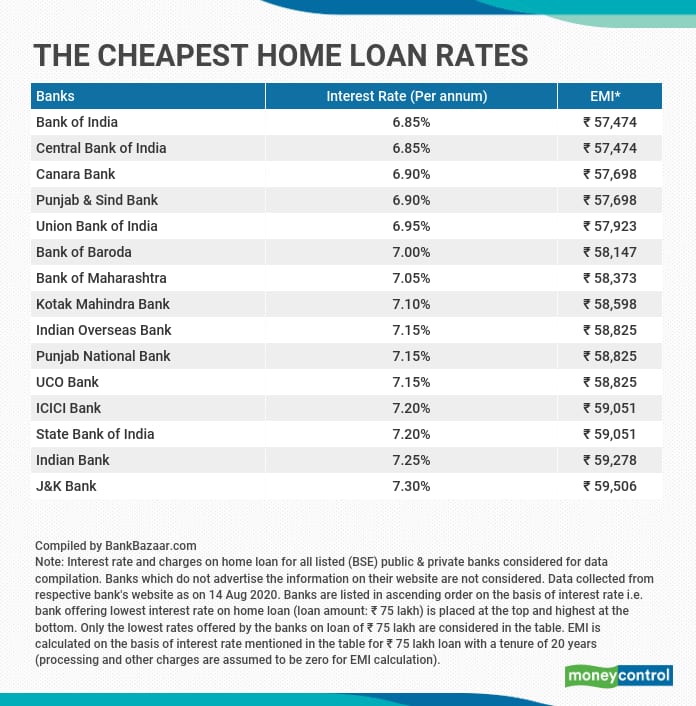
Navigating the landscape of mortgage interest rates can seem daunting, but armed with the right knowledge, prospective homeowners can make informed decisions that align with their financial goals. This comprehensive guide will demystify home loan rates, explore the factors that drive them, and provide actionable strategies to help you secure the most favorable terms for your next home purchase.
Understanding the Fundamentals of Home Loan Interest Rates
Before diving into the intricacies of rate fluctuations, it’s essential to grasp the core concepts of mortgage interest rates themselves. This foundational understanding is the first step toward becoming a savvy homebuyer.
What is an Interest Rate?
At its simplest, an interest rate is the cost of borrowing money, expressed as a percentage of the principal loan amount. For a home loan, it’s the percentage charged by the lender for the privilege of using their capital to finance your home. This rate is typically quoted as an Annual Percentage Rate (APR), which includes not only the interest rate but also certain fees and other costs associated with obtaining the loan, giving a more complete picture of the total cost of borrowing. A nominal interest rate, on the other hand, just reflects the interest charged on the principal.
Fixed-Rate Mortgages (FRM)
A fixed-rate mortgage is perhaps the most straightforward type of home loan. With an FRM, the interest rate remains constant for the entire duration of the loan, typically 15 or 30 years. This predictability offers significant peace of mind, as your principal and interest payment will never change, regardless of market volatility. Borrowers often favor fixed rates during periods of low-interest rates or when they prioritize stable, predictable monthly expenses. While initial fixed rates might sometimes be slightly higher than initial adjustable rates, the security against future rate hikes can be invaluable.
Adjustable-Rate Mortgages (ARM)
In contrast to fixed rates, an adjustable-rate mortgage features an interest rate that can change periodically. ARMs typically begin with a fixed-rate period (e.g., 3, 5, 7, or 10 years), during which the rate remains constant. After this initial period, the rate adjusts at regular intervals (e.g., annually) based on a specified index plus a margin set by the lender. ARMs can offer lower initial interest rates, making them attractive to buyers who plan to sell or refinance before the fixed-rate period ends, or those who anticipate their income will increase significantly in the future. However, they carry the risk of higher payments if interest rates rise in the market. Most ARMs include caps on how much the rate can adjust per period and over the life of the loan, providing some level of protection.
Key Factors Influencing Your Individual Rate
While market rates provide a general benchmark, the specific interest rate you qualify for is highly personalized. Lenders assess your risk profile based on several crucial factors:
- Credit Score: A higher credit score (generally above 740) signals to lenders that you are a responsible borrower, often leading to lower interest rates.
- Debt-to-Income (DTI) Ratio: This ratio compares your total monthly debt payments to your gross monthly income. A lower DTI (ideally below 36-43%) indicates you have sufficient income to manage new debt, making you a less risky borrower.
- Down Payment Amount: A larger down payment (e.g., 20% or more) reduces the loan-to-value (LTV) ratio, signifying less risk for the lender and potentially resulting in a lower interest rate.
- Loan-to-Value (LTV) Ratio: The LTV ratio compares the amount of your mortgage to the appraised value of the home. A lower LTV (higher down payment) is generally preferred by lenders.
- Loan Term: Shorter loan terms (e.g., 15-year mortgages) typically come with lower interest rates than longer terms (e.g., 30-year mortgages) because the lender’s risk is spread over a shorter period.
- Property Type and Location: Certain property types (e.g., multi-unit dwellings, investment properties) or specific geographical locations might carry slightly different risk profiles and thus affect rates.
The Economic Forces Behind Mortgage Rates
Mortgage rates don’t exist in a vacuum; they are profoundly influenced by broader economic indicators and central bank policies. Understanding these macro forces helps anticipate rate movements and plan your home financing strategy.
Federal Reserve Policy and the Federal Funds Rate
The Federal Reserve’s monetary policy decisions, particularly changes to the federal funds rate, have a ripple effect throughout the economy. While the federal funds rate is an overnight lending rate between banks, not directly a mortgage rate, changes to it influence the cost of funds for banks, which then affects consumer lending rates, including mortgages. When the Fed raises rates to combat inflation, mortgage rates typically follow suit, and vice-versa.
Inflation and Its Impact
Inflation erodes the purchasing power of money over time. Lenders, aware of this, will demand higher interest rates during inflationary periods to ensure that the money they are repaid in the future has similar purchasing power to the money they lent today. Conversely, low inflation or deflationary pressures can lead to lower rates.
Bond Market Dynamics (Treasury Yields)
The U.S. Treasury bond market plays a significant role in mortgage rate movements. Mortgage-backed securities (MBS), which are bundles of home loans sold to investors, often track the yield of 10-year Treasury notes. When investors demand higher yields on Treasury bonds (meaning bond prices fall), it makes MBS less attractive unless they also offer higher yields, which translates to higher mortgage rates. Global demand for U.S. debt and economic stability also influence bond yields.
Economic Growth and Stability
A strong economy, characterized by robust job growth and consumer confidence, often leads to increased demand for housing and, subsequently, for mortgages. This strong demand, coupled with potential inflationary pressures, can put upward pressure on rates. Conversely, during periods of economic slowdown or recession, central banks might lower rates to stimulate borrowing and investment, which can lead to lower mortgage rates. Geopolitical events and global economic shifts can also introduce uncertainty, influencing investor behavior and interest rates.
Strategies for Securing the Best Home Loan Rate
While you can’t control the broader economic climate, you have considerable power over your individual financial profile, which is key to unlocking the most favorable interest rates. Proactive planning and strategic execution can save you tens of thousands of dollars over the life of your loan.
Improve Your Credit Score
Your credit score is arguably the most impactful factor in determining your mortgage rate. Focus on:
- Paying bills on time: Payment history is the biggest component of your score.
- Reducing credit utilization: Keep your credit card balances low relative to your credit limits.
- Avoiding new debt: Don’t open new credit accounts or take out large loans just before applying for a mortgage.
- Checking your credit report: Dispute any errors that could be dragging your score down.
Increase Your Down Payment
Aiming for a larger down payment reduces the LTV ratio, signaling lower risk to lenders. A 20% down payment or more often allows you to avoid Private Mortgage Insurance (PMI) and typically qualifies you for better rates. Even an extra 5-10% can make a significant difference.
Reduce Your Debt-to-Income (DTI) Ratio
A lower DTI ratio demonstrates your ability to comfortably manage your monthly obligations. Before applying for a mortgage, consider paying down credit card debt, auto loans, or other personal loans. This frees up more of your income, making you a more attractive borrower.

Shop Around and Compare Lenders
This is perhaps the most overlooked yet crucial step. Different lenders – including traditional banks, credit unions, mortgage brokers, and online lenders – offer varying rates and terms. Get quotes from at least three to five different sources. A slight difference in the interest rate, even a quarter of a percentage point, can translate into thousands of dollars in savings over the loan’s lifetime. Utilize online comparison tools and don’t hesitate to negotiate.
Understand Discount Points and Origination Fees
- Discount Points: These are upfront fees paid to the lender at closing in exchange for a lower interest rate. One point typically costs 1% of the loan amount. You need to calculate if the long-term savings from the lower rate outweigh the upfront cost. This is often beneficial if you plan to stay in the home for many years.
- Origination Fees: These are fees charged by the lender for processing your loan application. While distinct from interest points, they are part of your closing costs and impact the overall cost of the loan (reflected in the APR). Understand what each fee covers and if it’s negotiable.
Consider Shorter Loan Terms
While a 30-year mortgage offers lower monthly payments, a 15-year mortgage typically comes with a significantly lower interest rate and allows you to pay off your home much faster, saving substantially on total interest paid. If your budget allows for the higher monthly payment, a shorter term can be a powerful financial move.
The Application Process: From Inquiry to Closing
Navigating the mortgage application process efficiently is vital not only for securing a loan but also for ensuring a smooth experience and locking in your desired rate.
Pre-Qualification vs. Pre-Approval
Begin by understanding the difference:
- Pre-qualification is an informal estimate of how much you might be able to borrow, based on basic financial information you provide. It’s a quick estimate but not a commitment from the lender.
- Pre-approval involves a more thorough review of your financial standing, including a credit check and verification of income and assets. A pre-approval letter states the exact loan amount you’re approved for, often with a conditional interest rate, and significantly strengthens your offer to sellers.
Gathering Required Documentation
Lenders require extensive documentation to verify your financial health. Be prepared to provide:
- Income verification: Pay stubs, W-2s, tax returns (typically two years), and proof of other income.
- Asset verification: Bank statements, investment account statements to show down payment funds and reserves.
- Credit history: Your credit report will be pulled by the lender.
- Employment history: Information about your current and previous employers.
- Identification: Government-issued ID.
Having these documents organized and readily available will expedite the underwriting process.
The Underwriting Process
Once you submit your full application, it moves to underwriting. This is where the lender thoroughly assesses your creditworthiness, the property’s value (through an appraisal), and all provided documentation to determine if you meet their lending criteria. They verify all information and ensure the loan adheres to regulatory guidelines. This phase can take several weeks, so patience is key.
Rate Locks and Their Importance
After your loan application is moving forward, your lender will offer you the opportunity to “lock in” your interest rate. A rate lock guarantees that your interest rate will not change between the time of the lock and the closing of your loan, typically for 30, 45, or 60 days. This protects you from market rate increases during the closing period. However, if rates drop significantly, you might miss out unless your lender offers a “float-down” option, which allows you to take advantage of lower rates if they fall by a certain margin.
Closing Costs and Finalizing the Loan
Closing costs are fees paid at the close of the real estate transaction, typically ranging from 2% to 5% of the loan amount. These include lender fees (origination, underwriting), third-party fees (appraisal, title insurance, attorney fees), and prepaid expenses (property taxes, homeowner’s insurance). Your lender is legally required to provide you with a Loan Estimate and, later, a Closing Disclosure, which details all these costs. Review these documents carefully to understand exactly what you’re paying for before signing.
Beyond the Rate: Hidden Costs and Long-Term Considerations
While the interest rate is paramount, a holistic view of homeownership requires looking beyond just the monthly principal and interest payment to understand the total financial commitment.
Private Mortgage Insurance (PMI)
If your down payment is less than 20% of the home’s purchase price, lenders typically require you to pay for Private Mortgage Insurance (PMI). This protects the lender in case you default on your loan. PMI adds to your monthly housing expense, but it can often be removed once you build sufficient equity (typically 20-22%) in your home.
Property Taxes and Homeowner’s Insurance (Escrow)
For many homeowners, monthly mortgage payments include not only principal and interest but also funds for property taxes and homeowner’s insurance, held in an escrow account by the lender. These components are significant and can change over time, impacting your total monthly housing cost even if your interest rate remains fixed. Local tax assessments and insurance premiums can fluctuate annually.
Future Refinancing Opportunities
Market rates don’t stay constant. If interest rates drop significantly after you’ve secured your initial home loan, you might consider refinancing. Refinancing involves taking out a new loan to pay off your existing mortgage, ideally at a lower interest rate, which can reduce your monthly payments or the total interest paid over the loan’s life. It’s crucial to weigh the savings against the closing costs associated with a new loan.
The Total Cost of Ownership
Purchasing a home involves more than just the mortgage payment. Factor in ongoing maintenance, potential repairs, utilities, HOA fees (if applicable), and even furnishings. Understanding the full financial picture ensures you’re prepared for all aspects of homeownership, not just the loan rate.
Conclusion
The question “what is the rate for home loans” opens the door to a complex yet crucial realm of personal finance. Home loan interest rates are the bedrock of affordability for millions, influenced by everything from global economic policies to an individual’s credit score. By thoroughly understanding the different types of mortgages, the economic forces that shape rates, and implementing strategic financial planning, aspiring and current homeowners can confidently navigate the mortgage market.
Securing the best possible interest rate is not merely about finding the lowest number; it’s about making an informed decision that aligns with your long-term financial stability and goals. Remember to prioritize improving your financial profile, diligently shop around for lenders, and carefully scrutinize all terms and conditions. Homeownership is a significant journey, and with a comprehensive understanding of home loan rates, you’re better equipped to make it a financially sound and rewarding one. Always consider seeking advice from qualified financial professionals to tailor strategies to your unique circumstances.
aViewFromTheCave is a participant in the Amazon Services LLC Associates Program, an affiliate advertising program designed to provide a means for sites to earn advertising fees by advertising and linking to Amazon.com. Amazon, the Amazon logo, AmazonSupply, and the AmazonSupply logo are trademarks of Amazon.com, Inc. or its affiliates. As an Amazon Associate we earn affiliate commissions from qualifying purchases.