
In the dynamic world of personal finance, few numbers hold as much significance for the average consumer as the current mortgage rate. Whether you’re a first-time homebuyer, looking to refinance an existing loan, or simply monitoring the economic climate, understanding what drives these rates and how they impact your financial future is paramount. “What is today’s mortgage rate?” isn’t a question with a single, static answer; it’s a complex inquiry whose response is influenced by a confluence of economic indicators, Federal Reserve policies, bond market movements, and even individual borrower profiles. This article will demystify mortgage rates, exploring the factors that shape them, the different types available, strategies for securing the best deal, and their long-term financial implications.
Understanding Mortgage Rates: More Than Just a Number
A mortgage rate is essentially the interest a lender charges you for borrowing money to purchase or refinance a home. It’s expressed as a percentage of the loan amount and represents the cost of borrowing. While seemingly straightforward, the daily fluctuation of these rates can be a source of both opportunity and anxiety for potential homeowners.
The Basics: What is a Mortgage Rate?
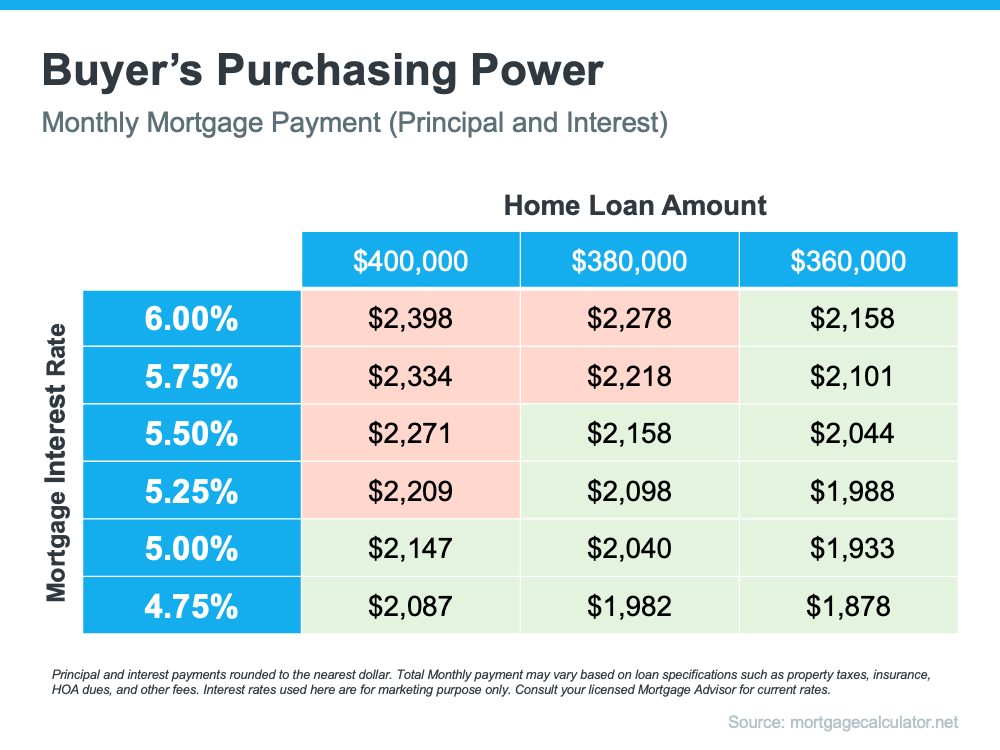
At its core, a mortgage rate is the cost you pay to borrow money. When a lender offers you a mortgage, they are taking a risk. The interest rate is their compensation for that risk, as well as a reflection of their own cost of funds, operational expenses, and profit margin. This rate, combined with the principal loan amount, determines your monthly mortgage payment and, ultimately, the total cost of your home over the life of the loan. A seemingly small difference in the interest rate can translate into tens of thousands of dollars over 15 or 30 years.
Why Do Mortgage Rates Fluctuate Daily?
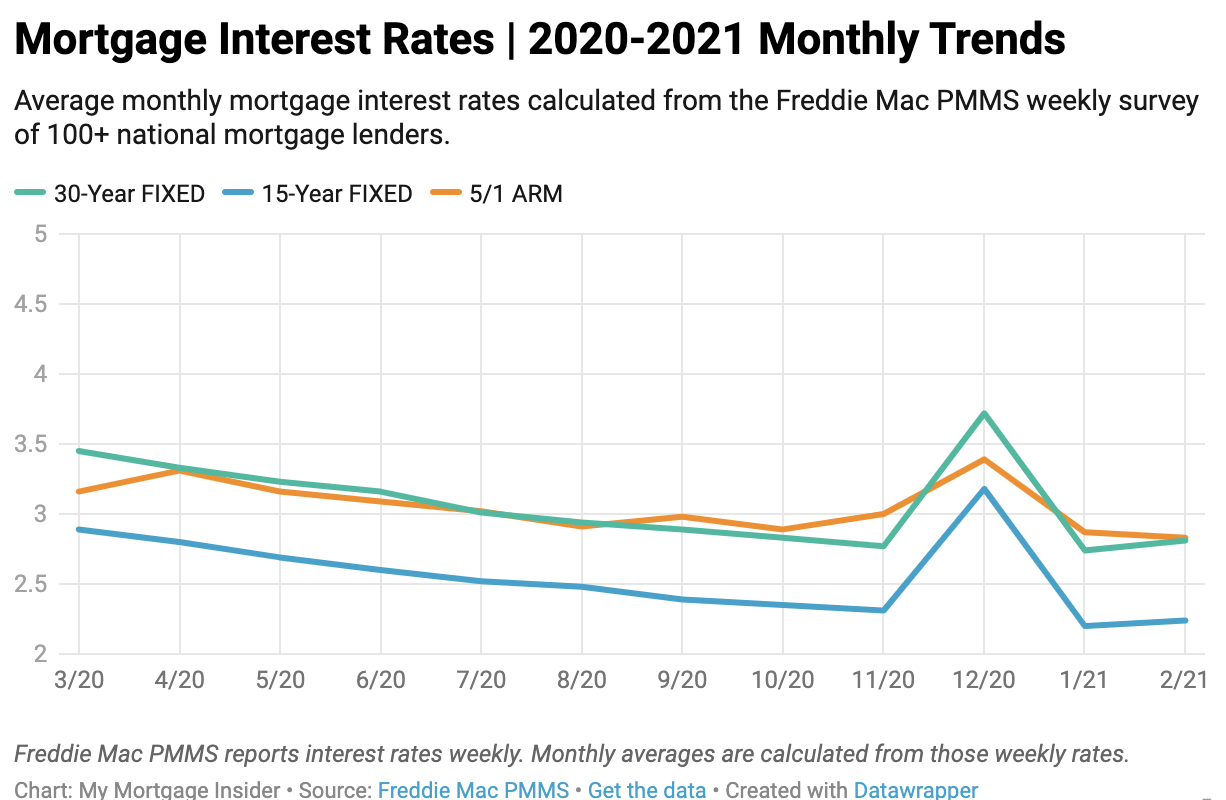
Unlike a fixed price for a product, mortgage rates are fluid. They move in response to a myriad of forces, much like stock prices. This daily volatility is primarily driven by the bond market, specifically the yields on mortgage-backed securities (MBS) and the 10-year Treasury note. When bond yields rise, mortgage rates generally follow suit. Conversely, falling yields often lead to lower mortgage rates. These movements are, in turn, influenced by broader economic news, inflation expectations, and the actions of central banks.
Key Components of Your Mortgage Payment
Your monthly mortgage payment is typically more than just principal and interest. It often includes other components, commonly referred to as PITI:
- Principal (P): The portion of your payment that goes towards reducing the original loan amount.
- Interest (I): The cost of borrowing money, determined by your mortgage rate.
- Taxes (T): Property taxes, usually collected by the lender and held in an escrow account.
- Insurance (I): Homeowner’s insurance, also often collected via escrow, and potentially private mortgage insurance (PMI) if your down payment is less than 20%.
Understanding these components is crucial for budgeting and assessing the true affordability of a home.
Navigating the Landscape: Factors Influencing Current Rates
The specific mortgage rate you’re quoted on any given day is the culmination of several powerful economic and market forces. These factors interact in complex ways, making precise predictions challenging, but understanding them provides valuable insight into market trends.
Economic Indicators: Inflation, GDP, and Employment
Key economic data releases play a significant role. Strong employment numbers, robust Gross Domestic Product (GDP) growth, and signs of rising inflation typically indicate a strengthening economy. While good for the overall economy, a strong economy often leads the Federal Reserve to consider tightening monetary policy, which can push interest rates, including mortgage rates, higher. Conversely, signs of economic slowdown or recession can lead to lower rates as investors seek the safety of bonds and the Fed may consider easing policies.
Federal Reserve Policy and the Federal Funds Rate
While the Federal Reserve does not directly set mortgage rates, its actions profoundly influence them. The Fed’s primary tool is the federal funds rate, which is the target rate for overnight lending between banks. Changes to this rate impact the broader cost of borrowing for financial institutions, which then trickles down to consumer loan products, including mortgages. When the Fed raises rates to combat inflation, mortgage rates generally trend upwards, and vice-versa. The Fed’s forward guidance and public statements also carry significant weight, shaping market expectations.
The Bond Market’s Role: 10-Year Treasury Yields
Perhaps the most direct influencer of fixed-rate mortgages is the yield on the 10-year Treasury note. Mortgage rates tend to track this yield closely because mortgage-backed securities (MBS) compete with Treasuries for investor dollars. When investors demand higher yields for Treasuries, they also demand higher yields for MBS, which translates to higher mortgage rates for consumers. Economic uncertainty often drives investors to safe-haven assets like Treasuries, pushing yields down and potentially lowering mortgage rates.
Lender Specifics and Market Competition
Beyond macroeconomic factors, individual lenders also play a role. Their operational costs, risk appetite, profit targets, and competitive strategies can lead to variations in rates offered. A lender with lower overhead or a desire to capture market share might offer slightly more aggressive rates. This is why shopping around among multiple lenders is always a crucial step for borrowers.
Decoding Mortgage Rate Types and Their Implications
Not all mortgage rates are created equal. The type of mortgage you choose will have a profound impact on your monthly payments, financial flexibility, and risk exposure over the life of the loan.
Fixed-Rate Mortgages: Stability in a Changing Market
A fixed-rate mortgage is the most common and perhaps the most straightforward type. With a fixed rate, your interest rate remains the same for the entire duration of the loan, typically 15 or 30 years. This provides predictability and stability, as your principal and interest payment will never change. Borrowers who prioritize budget certainty and wish to be insulated from future rate increases often prefer fixed-rate loans. While they might start at a slightly higher rate than initial adjustable-rate options, they offer peace of mind.
Adjustable-Rate Mortgages (ARMs): Balancing Risk and Initial Savings
Adjustable-Rate Mortgages (ARMs) offer an initial fixed-rate period, after which the interest rate adjusts periodically based on a predetermined index (like the Secured Overnight Financing Rate – SOFR) plus a margin. Common ARM structures include 5/1, 7/1, or 10/1 ARMs, meaning the rate is fixed for the first 5, 7, or 10 years, respectively, then adjusts annually. ARMs typically offer lower initial interest rates than fixed-rate mortgages, making them attractive to borrowers who plan to sell or refinance before the fixed period ends, or those who anticipate their income will rise significantly. However, they carry the risk of substantially higher payments if rates rise after the fixed period.
Government-Backed Loans: FHA, VA, and USDA Options
For certain borrowers, government-backed loans offer unique advantages:
- FHA Loans: Insured by the Federal Housing Administration, these loans are popular for first-time homebuyers or those with lower credit scores. They often require a lower down payment (as little as 3.5%) but come with mandatory mortgage insurance premiums.
- VA Loans: Guaranteed by the Department of Veterans Affairs, these loans are for eligible service members, veterans, and surviving spouses. They offer significant benefits, including no down payment requirement and no private mortgage insurance.
- USDA Loans: Backed by the U.S. Department of Agriculture, these loans are designed for low-to-moderate-income borrowers purchasing homes in eligible rural areas. They also offer no down payment options for qualified applicants.
These programs often have more flexible underwriting standards but also specific eligibility criteria.
Jumbo Loans and Other Niche Products
For loans that exceed the conforming loan limits set by the Federal Housing Finance Agency (FHFA), borrowers will need a jumbo loan. These typically have stricter qualification requirements due to the larger loan amounts involved. Beyond these, there are also interest-only mortgages, construction loans, and various portfolio loans offered by specific lenders for unique circumstances.
Strategies for Securing the Most Favorable Rate Today
While you can’t control the broader economic forces driving mortgage rates, you can certainly control how attractive you are as a borrower. Strategic planning and diligent effort can significantly impact the rate you secure.
Strengthening Your Financial Profile: Credit Score and Debt-to-Income Ratio
Lenders assess your risk profile to determine your interest rate. A strong credit score (typically FICO scores of 740 or higher) signals reliability and a history of responsible debt management, qualifying you for the best rates. Similarly, a low debt-to-income (DTI) ratio – the percentage of your gross monthly income that goes towards debt payments – indicates you have ample cash flow to manage a new mortgage payment. Before applying, review your credit reports, correct any errors, and aim to pay down high-interest debt to improve these metrics.
Shopping Around: Comparing Offers from Multiple Lenders
This is arguably the most critical step. Don’t settle for the first quote you receive. Research and compare offers from at least three to five different lenders, including traditional banks, credit unions, and online mortgage brokers. Lenders’ rates and fees can vary significantly on any given day. Request Loan Estimates, which provide a standardized breakdown of loan terms, estimated monthly payments, and closing costs, allowing for direct comparison. Most credit bureaus treat multiple mortgage inquiries within a 45-day window as a single inquiry, minimizing impact on your credit score.
Understanding Discount Points and Closing Costs
When comparing offers, look beyond just the interest rate. Closing costs, which include origination fees, appraisal fees, title insurance, and more, can add thousands to your upfront expenses. Discount points are a form of prepaid interest, where you pay an upfront fee (one point equals 1% of the loan amount) in exchange for a lower interest rate over the life of the loan. Deciding whether to pay points depends on how long you plan to stay in the home and your break-even point. Conversely, you can opt for lender credits to reduce closing costs, which usually means accepting a slightly higher interest rate.
Timing the Market (or Not): Patience vs. Urgency
Attempting to perfectly time the mortgage market is often a futile exercise, akin to timing the stock market. Economic data and global events can shift rates rapidly and unpredictably. Instead of fixating on the absolute lowest possible rate, focus on securing a rate that you are comfortable with and that fits your financial goals. If rates are trending downward, it might be worth monitoring, but if you find a rate that works for your budget, locking it in (agreeing to a specific rate for a set period, usually 30-60 days) can provide certainty.
The Long-Term Financial Impact of Your Mortgage Rate
Your mortgage rate is not just a temporary figure; it’s a financial commitment with profound implications for your wealth accumulation, monthly budget, and future financial flexibility.
Total Cost of the Loan Over Its Lifetime
The most direct impact of your mortgage rate is on the total amount you will pay over the life of the loan. Even a half-percentage point difference can translate to tens of thousands of dollars in interest over 30 years. For example, on a $300,000 loan, a 6.5% rate versus a 6.0% rate could mean an extra $30,000-$40,000 in interest paid over the life of the loan. This highlights the importance of securing the lowest rate possible and understanding amortization schedules.
Refinancing Opportunities: When to Revisit Your Rate
The relationship between current rates and your existing mortgage rate is crucial for refinancing decisions. If current rates drop significantly below your existing rate, refinancing could be a smart move to lower your monthly payments, reduce the total interest paid, or even shorten the loan term. However, refinancing involves new closing costs, so it’s essential to calculate the break-even point to ensure the savings outweigh the upfront expenses. Market shifts can present repeated opportunities for savvy homeowners to optimize their mortgage.
Building Equity and Wealth Through Homeownership
While a mortgage is a liability, homeownership is a cornerstone of wealth building for many families. A favorable mortgage rate makes homeownership more affordable, allowing you to build equity more quickly as you pay down the principal. Equity can then be leveraged for other financial goals, such as funding education, starting a business, or even retirement planning, through options like home equity loans or lines of credit (HELOCs). The lower your mortgage rate, the more of your monthly payment goes towards building your asset rather than just servicing debt.
Mortgage Rates in Your Broader Financial Plan
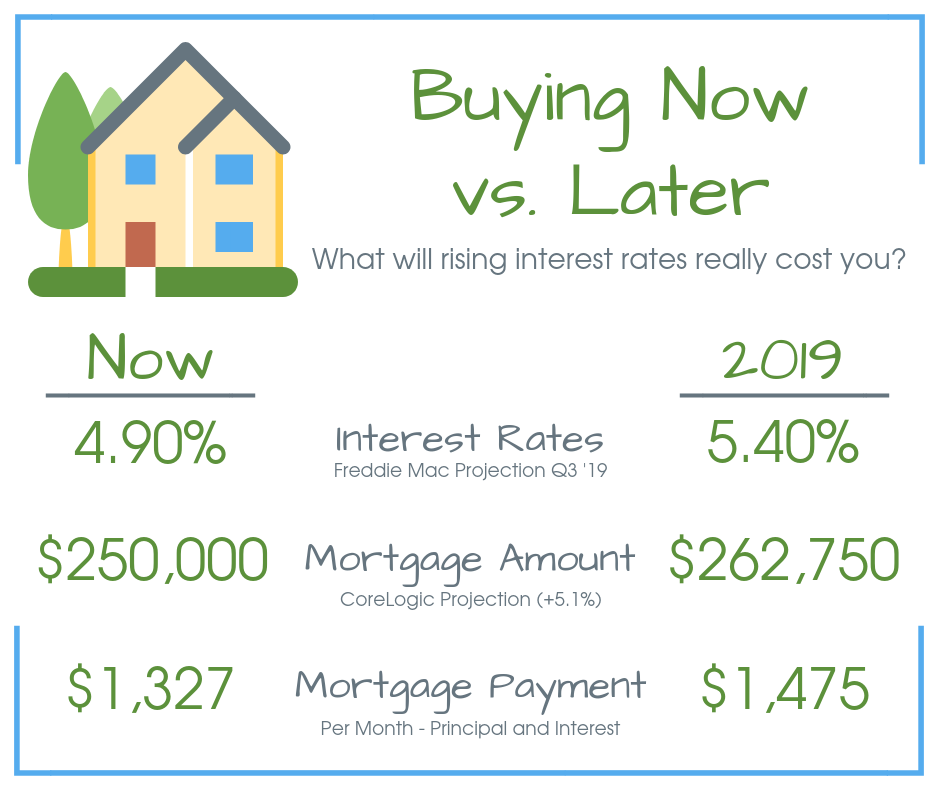
Your mortgage rate doesn’t exist in a vacuum; it’s an integral part of your overall financial strategy. A higher rate might force you to allocate more of your budget to housing, potentially impacting your ability to save for retirement, invest, or pay down other debts. Conversely, a lower rate frees up cash flow, providing more flexibility for other financial priorities. Understanding today’s mortgage rate helps you make informed decisions about when to buy, when to sell, and how to structure your personal balance sheet for optimal long-term financial health.
In conclusion, “what is today’s mortgage rate?” is a daily question for millions, reflecting the ebb and flow of economic tides. By understanding the forces that shape these rates, exploring the different loan options, and employing smart borrowing strategies, individuals can navigate the complex mortgage landscape with confidence, securing a financial foundation for their homeownership dreams.
aViewFromTheCave is a participant in the Amazon Services LLC Associates Program, an affiliate advertising program designed to provide a means for sites to earn advertising fees by advertising and linking to Amazon.com. Amazon, the Amazon logo, AmazonSupply, and the AmazonSupply logo are trademarks of Amazon.com, Inc. or its affiliates. As an Amazon Associate we earn affiliate commissions from qualifying purchases.