
The quest to discover the “current 30-year fixed rate mortgage” is a common starting point for countless aspiring homeowners and those looking to refinance. Yet, the answer is rarely a single, definitive number. Instead, it’s a dynamic figure influenced by a complex interplay of economic forces, lender policies, and individual financial profiles. The 30-year fixed-rate mortgage stands as America’s most popular home loan, offering predictability and stability over three decades. But what truly drives its fluctuating rates, and how can you pinpoint the best rate for your specific situation? This comprehensive guide delves into the intricacies of current mortgage rates, providing insight, context, and actionable advice to empower your home financing journey.
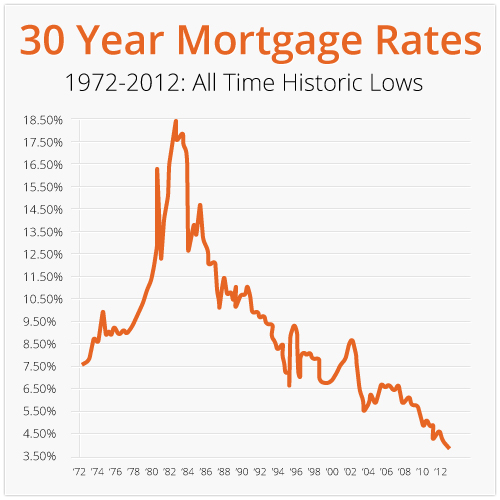
Understanding the Dynamics of Mortgage Rates
To grasp “the current rate,” one must first appreciate the powerful macroeconomic forces that dictate its ebb and flow. Mortgage rates don’t exist in a vacuum; they are highly responsive to the broader economic environment.
Key Economic Indicators at Play
Several critical economic data points and policies exert significant influence over mortgage rates:
- Federal Reserve Policy: While the Federal Reserve directly controls the federal funds rate (a short-term interbank lending rate), its actions—such as interest rate hikes or cuts, and quantitative easing/tightening—have a ripple effect across the entire financial system. When the Fed signals a commitment to fighting inflation, for example, it often leads to higher long-term rates, including mortgages.
- Inflation: Mortgage lenders, like all investors, are concerned about inflation eroding the future value of money. If inflation is expected to rise, lenders demand higher interest rates to compensate for the reduced purchasing power of future payments. Key inflation measures like the Consumer Price Index (CPI) and Personal Consumption Expenditures (PCE) are closely watched.
- Job Market Data: A strong job market, indicated by low unemployment rates and consistent wage growth, suggests a robust economy. While positive for consumer spending, a “hot” job market can fuel inflation and prompt the Fed to tighten monetary policy, pushing mortgage rates upward.
- Economic Growth (GDP): A healthy Gross Domestic Product (GDP) often correlates with higher interest rates as investors seek better returns in a growing economy. Conversely, signs of an economic slowdown can sometimes lead to lower rates as investors flock to safer assets like government bonds.
- Global Events: Geopolitical tensions, international trade disputes, and global supply chain disruptions can create uncertainty, causing investors to shift assets and impact bond yields, which in turn affect mortgage rates.
The Role of the 10-Year Treasury Yield
Perhaps the most direct and frequently cited benchmark for 30-year fixed mortgage rates is the 10-year Treasury yield. There’s a strong historical correlation between the two because mortgage-backed securities (MBS), which form the basis of most mortgages, often compete with Treasury bonds for investor dollars. When the yield on the 10-year Treasury note rises, it generally pulls mortgage rates higher, and vice-versa. Understanding this relationship helps explain daily rate movements.
Lender-Specific Factors
Beyond macroeconomics, individual lenders apply their own pricing models. These can factor in:
- Profit Margins: Lenders need to cover their operational costs and make a profit.
- Loan Type and Portfolio Strategy: Whether a loan is conforming (meeting Fannie Mae/Freddie Mac guidelines) or jumbo (exceeding these limits) affects its risk profile and pricing.
- Risk Assessment: Lenders evaluate the overall risk associated with their loan portfolio and price accordingly.
How to Find Your Personalized 30-Year Fixed Rate
It’s crucial to understand that the “current 30-year fixed rate mortgage” advertised online or in headlines is typically an average or a benchmark rate for a highly qualified borrower. Your actual rate will be personalized based on several key financial attributes.
It’s Not a Single Number: Your Financial Profile Matters
No two borrowers are exactly alike, and neither are their mortgage rates. Factors unique to you will heavily influence the rate you are offered:
- Credit Score: This is perhaps the most significant determinant. A higher FICO score (generally 740 and above) signals lower risk to lenders, qualifying you for the most competitive rates. Lower scores often result in higher rates to compensate the lender for increased risk.
- Down Payment: A larger down payment reduces the loan-to-value (LTV) ratio, meaning you’re borrowing less relative to the home’s value. This translates to lower risk for the lender and can secure a better interest rate. A down payment below 20% often requires private mortgage insurance (PMI), adding to your monthly cost.
- Debt-to-Income (DTI) Ratio: Your DTI compares your total monthly debt payments to your gross monthly income. Lenders use this to assess your ability to manage additional mortgage payments. A lower DTI (typically below 43%) indicates greater financial stability and can lead to more favorable terms.
- Loan Amount and Property Type: Very large loan amounts (jumbo loans) or certain property types (e.g., multi-unit dwellings, non-owner-occupied investment properties) can sometimes come with slightly different pricing.
- Location: While less common for national lenders, local market conditions or specific state regulations can occasionally have minor impacts.
The Importance of Your Credit Score
Your credit score is a snapshot of your financial reliability. Lenders scrutinize it to predict your likelihood of repaying the mortgage. A strong credit history demonstrates responsible financial behavior. If your score is below the “excellent” threshold, consider taking steps to improve it before applying: pay down high-interest debt, avoid opening new credit lines, and dispute any errors on your credit report. Even a slight improvement in your score can translate into thousands of dollars saved over the life of a 30-year mortgage.
Down Payment and Equity
Beyond impacting your rate, a substantial down payment reduces your overall interest paid and gives you instant equity in your home. Lenders prefer lower LTVs because they have a smaller loss exposure if you default. Conversely, smaller down payments mean higher LTVs, often resulting in higher rates and the requirement for PMI, which protects the lender, not you.
Loan Costs: Rates vs. APR
When comparing mortgage offers, it’s vital to distinguish between the interest rate and the Annual Percentage Rate (APR).
- Interest Rate: This is the percentage of the principal loan amount you pay to the lender, typically expressed annually. It determines your monthly principal and interest payment.
- APR: This provides a more comprehensive measure of the total cost of borrowing. It includes the interest rate plus certain other charges and fees associated with the loan, such as origination fees, discount points, and some closing costs. Always use APR for true apples-to-apples comparisons between different lenders, as it reflects the actual annual cost of your loan over its term.
Navigating the Mortgage Market: Tips for Homebuyers
Securing the best 30-year fixed rate mortgage requires proactive engagement and strategic decision-making in a competitive market.
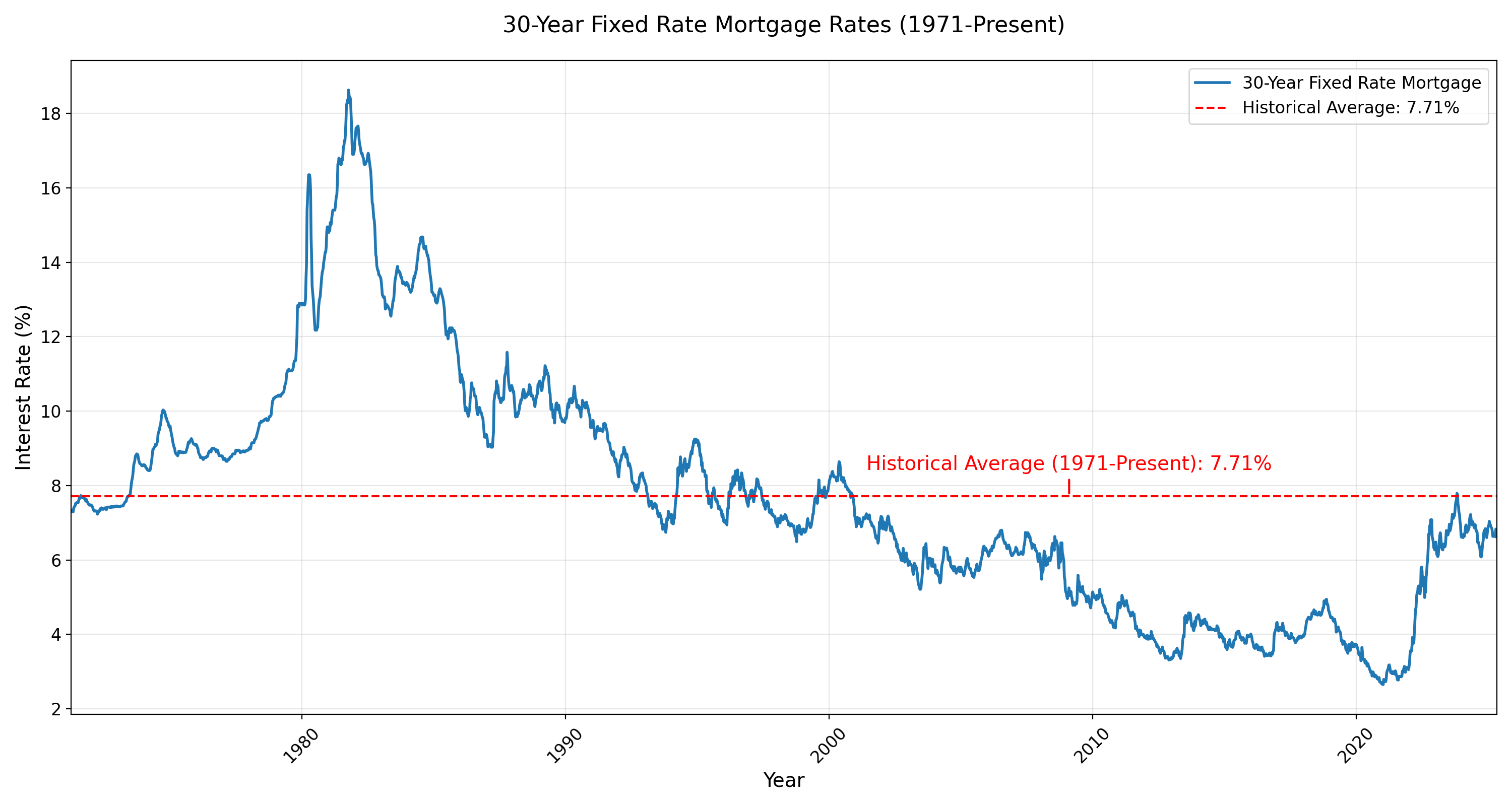
Shop Around and Compare Offers
This is perhaps the single most effective strategy for getting a better mortgage rate. Don’t settle for the first offer you receive. Get quotes from at least three to five different lenders, which can include:
- Large national banks: Often have extensive product offerings.
- Local credit unions: May offer competitive rates and personalized service to members.
- Online lenders: Known for efficiency and often very competitive rates.
- Mortgage brokers: Work with multiple lenders and can help you find the best fit for your situation.
Comparison shopping within a short window (typically 14-45 days, depending on the credit scoring model) counts as a single inquiry for your credit score, so there’s no penalty for seeking multiple quotes.
Get Pre-Approved, Not Just Pre-Qualified
Understand the distinction:
- Pre-qualification: A preliminary estimate based on self-reported financial information. It’s a rough idea of what you might afford.
- Pre-approval: A much more robust commitment from a lender, based on a review of your financial documents (income, assets, credit report). A pre-approval letter states the exact loan amount you qualify for, often at a specific interest rate, making you a more attractive buyer to sellers.
A solid pre-approval is a must in today’s housing market, demonstrating your seriousness and financial readiness.
Consider Locking Your Rate
Once you’ve received a pre-approval or have a property under contract, you’ll need to decide whether to “lock” your interest rate.
- Rate Lock: This guarantees your interest rate for a specific period (e.g., 30, 45, or 60 days) while your loan is processed. This protects you if rates rise during this time.
- Floating Rate: If you choose not to lock, your rate will fluctuate with market changes. This can benefit you if rates fall but can be detrimental if they rise.
The decision to lock depends on your risk tolerance and market outlook. If rates appear stable or are trending upward, locking is often wise. If they seem poised to fall, you might consider floating for a short period, but be prepared for potential increases.
Don’t Forget Closing Costs
Beyond the interest rate, be mindful of closing costs, which are fees charged by lenders and third parties for processing and securing your loan. These can include origination fees, appraisal fees, title insurance, attorney fees, and more. They typically range from 2% to 5% of the loan amount and must be paid at closing. Some lenders may offer a slightly lower interest rate in exchange for higher upfront closing costs (buying down the rate with “points”), or a slightly higher rate with lower closing costs. Always factor these into your overall cost analysis, preferably using the APR.
The 30-Year Fixed Mortgage: Pros and Cons
The enduring popularity of the 30-year fixed-rate mortgage stems from its inherent stability, but it’s not without trade-offs.
Advantages
- Predictable Monthly Payments: Your principal and interest payment remains the same for the entire loan term, regardless of market fluctuations. This makes budgeting easier and provides peace of mind.
- Stability in Uncertain Times: In periods of economic volatility or rising interest rates, homeowners with 30-year fixed mortgages are shielded from payment shocks.
- Builds Equity Steadily: While slower than shorter terms, you consistently pay down your principal and build equity over time.
- Lower Monthly Payments: Compared to a 15-year fixed mortgage, the 30-year term spreads payments over a longer period, resulting in lower monthly outlays, which can improve affordability and cash flow.
- Tax Deductions: Mortgage interest is often tax-deductible, which can provide a financial benefit, especially in the early years of the loan when interest payments are higher.
Disadvantages
- Higher Interest Paid Over Time: Because the loan is stretched over 30 years, you will pay significantly more in total interest compared to a 15-year fixed mortgage, assuming the same interest rate.
- Slower Equity Build-Up: A larger portion of your early payments goes towards interest, meaning you build equity at a slower pace than with a shorter-term loan.
- Doesn’t Benefit from Falling Rates (Without Refinancing): If market rates drop significantly after you’ve secured your 30-year fixed mortgage, you would need to refinance to take advantage of the lower rates, incurring new closing costs in the process.
What to Expect in the Near Future (General Outlook)
Predicting future mortgage rates with certainty is impossible, as they are influenced by myriad unpredictable events. However, staying informed about key economic signals can help you gauge the general direction.
Factors to Watch
- Federal Reserve Decisions: The Fed’s stance on inflation and its monetary policy actions will continue to be a dominant force.
- Inflation Trajectory: Whether inflation cools or remains stubbornly high will heavily influence the Fed’s actions and, consequently, long-term rates.
- Economic Growth Forecasts: Strong economic growth could put upward pressure on rates, while a slowdown might ease them.
- Geopolitical Stability: Global events will always cast a shadow, and significant instability can lead to flight-to-safety investments that sometimes push Treasury yields (and thus mortgage rates) lower.

Stay Informed
For the most up-to-date information, regularly consult reputable financial news sources, mortgage rate tracking websites, and, most importantly, speak with a qualified mortgage professional. They can provide insights tailored to the current market and your financial situation. Remember that general predictions are speculative; your best strategy is to be prepared and well-informed.
In conclusion, the “current 30-year fixed rate mortgage” is not a static number but a dynamic reflection of economic forces and individual financial standing. By understanding the factors that influence rates, diligently shopping around, getting pre-approved, and comparing offers using APR, you can navigate the mortgage market effectively and secure the best possible financing for your home. Always consult with a mortgage professional who can provide personalized advice based on your unique circumstances and the very latest market conditions.
aViewFromTheCave is a participant in the Amazon Services LLC Associates Program, an affiliate advertising program designed to provide a means for sites to earn advertising fees by advertising and linking to Amazon.com. Amazon, the Amazon logo, AmazonSupply, and the AmazonSupply logo are trademarks of Amazon.com, Inc. or its affiliates. As an Amazon Associate we earn affiliate commissions from qualifying purchases.