
Understanding the “current iPhone version” involves dissecting both the latest hardware release and the software that powers it. Apple’s annual refresh cycle consistently introduces cutting-edge technology, refining user experience, and pushing the boundaries of mobile innovation. For tech enthusiasts, potential upgraders, or simply curious minds, staying abreast of these developments is crucial to grasp where the industry stands and what capabilities are now at our fingertips. This article delves into the specifics of the most recent iPhone models and their accompanying operating system, exploring the technological advancements that define them.
The Latest Hardware Iteration: Understanding the iPhone Lineup
Apple’s strategy revolves around a flagship series, complemented by more accessible options, ensuring a broad appeal across various user segments. Each year brings not just iterative improvements but often significant leaps in processing power, camera capabilities, and display technology.
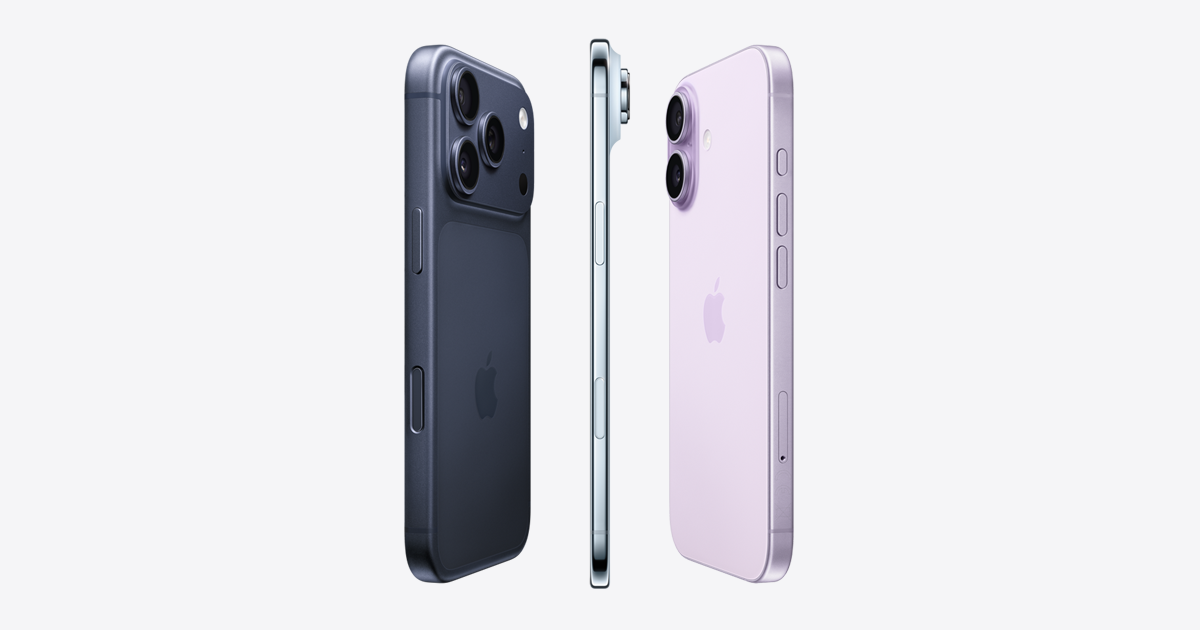
The Flagship Series: iPhone 15 Pro Max, Pro, and Standard
As of its latest major release, the iPhone 15 series stands at the pinnacle of Apple’s smartphone offerings, with the iPhone 15 Pro Max and iPhone 15 Pro leading the charge, closely followed by the iPhone 15 and iPhone 15 Plus. These models represent the culmination of Apple’s engineering and design prowess for the current generation.
The iPhone 15 Pro Max and iPhone 15 Pro are designed for users demanding the utmost in performance, photographic capabilities, and premium features. Key advancements in these “Pro” models typically include:
- Chipset: The A17 Pro chip, built on a groundbreaking 3-nanometer process, powers these devices. This chip delivers significant improvements in CPU and GPU performance, making it the fastest chip ever in a smartphone. It enhances everything from gaming performance with hardware-accelerated ray tracing to complex machine learning tasks, underpinning advanced photographic computations and fluid multitasking.
- Camera System: A hallmark of the Pro models is their advanced camera array. This includes a versatile Main camera with a larger sensor for superior low-light performance, an Ultra Wide camera for expansive shots, and a Telephoto camera offering optical zoom capabilities (e.g., 5x optical zoom on the Pro Max). Features like the Photonic Engine, Deep Fusion, Cinematic Mode, and ProRes video recording elevate mobile photography and videography to near-professional levels, offering unprecedented control and image quality.
- Design and Materials: These models often feature premium materials like aerospace-grade titanium, contributing to a lighter yet more durable construction. The introduction of the Action Button, replacing the traditional mute switch, offers customisable quick access to various functions, from launching the camera to activating a Voice Memo or Focus mode.
- Display: The Super Retina XDR display with ProMotion technology offers adaptive refresh rates up to 120Hz, ensuring incredibly fluid scrolling and responsiveness. The Always-On Display feature provides glances at essential information without needing to tap the screen, while the Dynamic Island fluidly integrates alerts and Live Activities, transforming the notch into an interactive and dynamic hub.
- Connectivity: USB-C adoption across the lineup, particularly with USB 3 speeds on Pro models, facilitates faster data transfers and broader accessory compatibility. Wi-Fi 6E support ensures faster wireless networking where available.
The iPhone 15 and iPhone 15 Plus serve as the standard bearers, bringing many of the Pro models’ innovations to a broader audience at a more accessible price point. While they may feature the previous generation’s A16 Bionic chip and a dual-camera system (Main and Ultra Wide), they still offer significant upgrades over their predecessors. Notably, they also inherit the Dynamic Island and benefit from substantial camera improvements, including a 48MP Main camera for higher resolution photos and improved low-light performance, and the transition to USB-C.
The Budget-Friendly Option: iPhone SE (and older models in circulation)
For those seeking a more affordable entry point into the Apple ecosystem without compromising on core performance, the iPhone SE (3rd generation, as of its last refresh) remains a compelling option. It typically combines the processing power of a recent flagship chip (e.g., A15 Bionic) with a classic design, including the familiar Home button with Touch ID. While it foregoes advanced features like Face ID, multiple camera lenses, or a large edge-to-edge display, it provides excellent value, particularly for users prioritizing compact size and robust performance for everyday tasks and gaming.
Beyond the SE, Apple often continues to sell previous year’s flagship models at reduced prices, and a vast ecosystem of older, yet still highly capable, iPhones remains in active use. These devices continue to receive software updates for several years, providing a testament to Apple’s long-term product support and extending their functional lifespan.
Discontinued Models and Their Legacy
Apple’s product lifecycle involves phasing out older models as new ones are introduced. While a specific iPhone generation might no longer be sold directly by Apple, its legacy endures through continued software support and its presence in the secondary market. These models often represent a significant portion of active iPhones globally, continuing to provide robust performance and access to the vast App Store ecosystem, albeit without the very latest hardware innovations. This phased approach ensures a constant churn of new technology while maintaining a wide installed base of supported devices.
iOS: The Software Powering the Experience
The hardware is only half the story; the true magic of the iPhone lies in its operating system, iOS. Apple’s tight integration of hardware and software is a cornerstone of its user experience, ensuring seamless performance, intuitive interfaces, and robust security.
The Current iOS Version: Features and Enhancements
The latest major release of Apple’s mobile operating system, iOS 17 (or the current iteration, depending on the release cycle), brings a suite of powerful new features and refinements designed to make the iPhone even more personal and intuitive. Key enhancements typically focus on:
- Communication: Significant updates to Phone, Messages, and FaceTime. This often includes customizable Contact Posters for incoming calls, enhanced search filters in Messages, new sticker experiences, and the ability to leave video or audio messages on FaceTime calls. Features like NameDrop simplify sharing contact information, and StandBy transforms the iPhone into a smart display when charging horizontally.
- Productivity and Intelligence: Updates to Safari, Keyboard, and Reminders, often including enhanced private browsing, improved autocorrect and predictive text, and intelligent organization features. Journal, a new app, provides a space for reflection and well-being.
- Privacy and Security: Apple consistently reinforces its commitment to user privacy with features like Communication Safety expansions, passwordless logins via Passkeys, and robust App Tracking Transparency controls. These tools give users greater control over their data and enhance their digital security.
- Customization: Expanding personalization options, from lock screen widgets to focus mode filters, allowing users to tailor their iPhone experience to their specific needs and aesthetic preferences.
The Interplay of Hardware and Software
The synergy between the iPhone’s hardware and iOS is where the platform truly shines. New iOS features are frequently engineered to leverage specific capabilities of the latest A-series Bionic chips, advanced camera sensors, or display technologies. For instance:
- Computational Photography: Features like the Photonic Engine in the camera app are not just software algorithms but deeply integrated systems that utilize the Neural Engine of the A-series chip to perform billions of operations per second, fusing multiple exposures and optimizing image data in real-time to produce stunning photos.
- Performance Optimization: The A-series chip’s multi-core architecture and specialized Neural Engine are designed to efficiently run complex tasks, ensuring that even demanding apps, AR experiences, and high-fidelity games perform smoothly with minimal battery drain.
- Dynamic Island: This innovative user interface element is a prime example of hardware-software integration, seamlessly adapting to display alerts, notifications, and Live Activities by intelligently reshaping around the physical camera cutout.
This symbiotic relationship ensures that new hardware unlocks new software possibilities, and new software can fully exploit the power of the latest hardware, resulting in an optimized and cohesive user experience.
Updates and Longevity
Apple is renowned for its long-term software support, providing major iOS updates to devices that are several generations old. This commitment ensures that even users with older iPhones can continue to benefit from new features, performance enhancements, and, critically, the latest security patches. Keeping iOS updated is paramount not only for accessing the newest functionalities but also for safeguarding personal data and maintaining optimal device performance against evolving cyber threats. This sustained support contributes significantly to the iPhone’s longevity and resale value.
Key Technological Advancements Defining the Current iPhone
Each successive iPhone generation introduces a raft of technological innovations that often set benchmarks for the wider smartphone industry. These advancements are not merely incremental but represent significant engineering feats that redefine what a mobile device can achieve.
The Bionic Chip Series: Performance and Efficiency
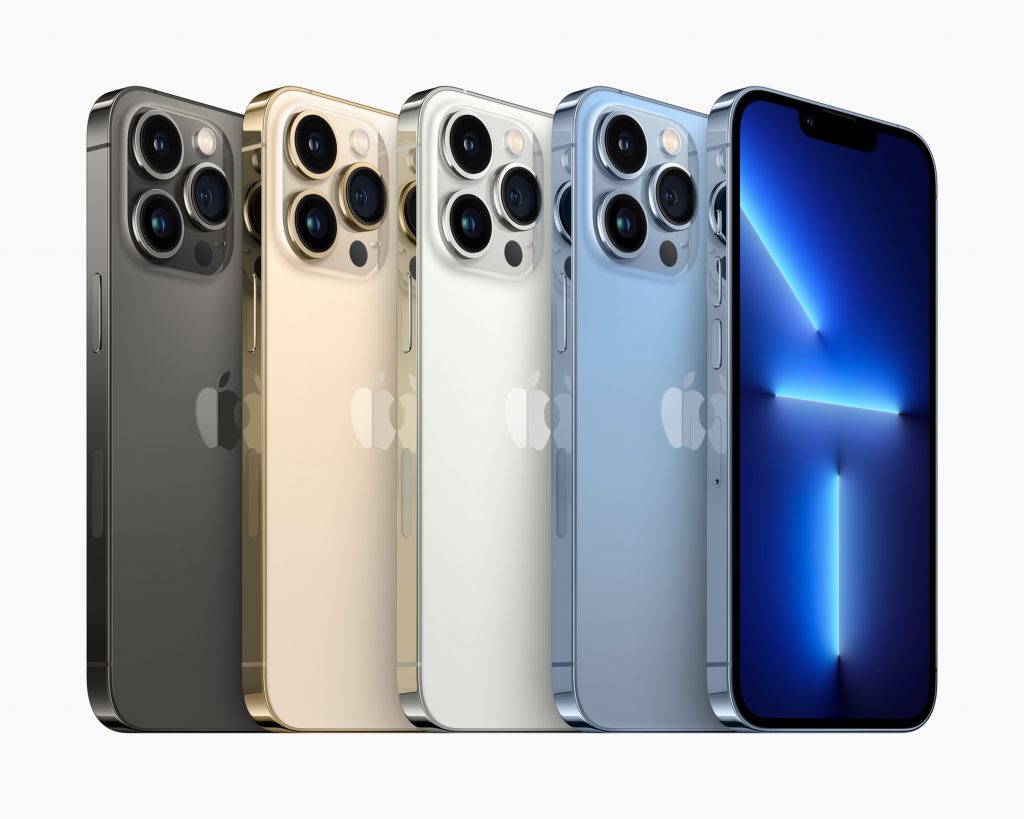
At the heart of every current iPhone lies the latest iteration of Apple’s custom-designed A-series Bionic chip (e.g., A17 Pro). These chips are industry leaders, combining a powerful CPU for general computing tasks, a sophisticated GPU for graphics, and a multi-core Neural Engine for machine learning operations.
- Raw Performance: The CPU delivers desktop-class performance, enabling lightning-fast app launches, seamless multitasking, and complex computations.
- Graphics Prowess: The GPU provides console-quality graphics, making the iPhone an incredibly capable mobile gaming platform, supporting advanced rendering techniques like hardware-accelerated ray tracing.
- Neural Engine: This dedicated hardware accelerates AI and machine learning tasks, powering features like Siri, Face ID, computational photography, and on-device intelligence for privacy-preserving data processing.
- Power Efficiency: Despite their immense power, these chips are also incredibly energy-efficient, optimizing battery life even under heavy workloads.
Camera Systems: Pushing Mobile Photography Boundaries
The iPhone’s camera system consistently ranks among the best in mobile photography, driven by a combination of cutting-edge optics and sophisticated computational photography algorithms.
- Advanced Sensors and Lenses: Larger sensors capture more light, improving low-light performance and dynamic range. Features like sensor-shift optical image stabilization ensure sharp photos and stable videos. Multiple lenses (Main, Ultra Wide, Telephoto) provide versatile focal lengths.
- Computational Photography: Apple’s software stack, including technologies like the Photonic Engine, Deep Fusion, and Smart HDR, intelligently processes image data to enhance detail, reduce noise, and optimize colors. Features like Cinematic Mode offer sophisticated depth-of-field effects for video, while ProRes video recording provides professional-grade video quality.
- LiDAR Scanner: On Pro models, the LiDAR scanner enhances augmented reality experiences, improves autofocus in low light, and enables advanced depth mapping for features like Night mode portraits.
Display Technology and User Interaction
The iPhone’s display is the primary window to its capabilities, and Apple continually refines this critical component.
- Super Retina XDR Display: This OLED technology delivers exceptional brightness, contrast, and color accuracy, making photos, videos, and apps look vibrant and true-to-life.
- ProMotion Technology: Available on Pro models, ProMotion enables adaptive refresh rates up to 120Hz, providing incredibly smooth scrolling, gaming, and responsiveness while conserving battery life by lowering the refresh rate for static content.
- Always-On Display: On Pro models, this feature allows users to glance at the time, widgets, and Live Activities without fully waking the screen.
- Dynamic Island: A fluid, interactive area that seamlessly blends hardware and software, providing an intuitive way to view alerts and activities.
- Ceramic Shield: Apple’s proprietary front cover material significantly enhances durability, making the iPhone more resistant to drops and scratches.
Making an Informed Decision: Upgrading and Compatibility
Understanding the current iPhone version is not just about appreciating technology; it’s also about making smart decisions regarding your own device usage and potential upgrades.
Assessing Your Needs: When to Upgrade
Deciding when to upgrade to the latest iPhone involves evaluating several factors:
- Performance Degradation: If your current iPhone feels sluggish, struggles with demanding apps, or experiences frequent freezes, an upgrade might be warranted.
- Battery Health: Significantly degraded battery health (often indicated in Settings) can severely impact daily usability. While a battery replacement is an option, it might not address other hardware limitations.
- Camera Needs: If you’re passionate about photography or videography, the latest camera advancements often provide compelling reasons to upgrade.
- Lack of Software Updates: While Apple provides long-term support, eventually very old models cease receiving major iOS updates, potentially leading to security vulnerabilities and app incompatibility.
- Desire for New Features: The allure of new features like the Dynamic Island, Action Button, or advanced display technologies can be a strong motivator.
Ecosystem and Compatibility Considerations
The iPhone is not an isolated device; it’s a gateway to Apple’s vast ecosystem. The latest iPhone ensures seamless integration with other Apple products you might own:
- Continuity Features: Handoff, Universal Clipboard, AirDrop, and Sidecar work best when all devices are running compatible and relatively current software versions.
- Accessory Compatibility: New iPhones often introduce new connectivity standards (e.g., USB-C), expanding compatibility with a broader range of peripherals.
- App Store Access: While older devices still access the App Store, some newer apps or features within apps might require the latest iOS versions, which in turn might require newer hardware.
Future-Proofing Your Investment
Investing in the current iPhone version provides a degree of future-proofing. With the latest processor, camera system, and software, you’re set to receive years of major iOS updates, ensuring access to new features, security enhancements, and compatibility with upcoming apps and services. This longevity, coupled with Apple’s strong resale value, makes the initial investment a more sustainable one in the long run.
Beyond the Specifications: The iPhone Experience in the Tech Landscape
While specifications are important, the iPhone’s enduring appeal lies in the holistic experience it delivers, shaped by its foundational principles and its place within the broader tech world.
Security and Privacy as Core Pillars
In an era of increasing digital threats, Apple positions security and privacy as non-negotiable aspects of the iPhone experience.
- Hardware-Based Security: Features like Face ID and Touch ID leverage dedicated secure enclaves in the A-series chip to protect biometric data.
- Software Protections: End-to-end encryption for iMessage and FaceTime, App Tracking Transparency (ATT) to give users control over data sharing, and robust sandboxing of apps are standard.
- On-Device Intelligence: Many AI and machine learning tasks are processed directly on the device, rather than in the cloud, further safeguarding user data. This commitment differentiates the iPhone in a competitive landscape.
The App Ecosystem and Developer Support
The App Store, with its millions of applications, is a critical component of the iPhone’s utility. The quality and breadth of apps, from productivity tools to immersive games, significantly enhance the device’s capabilities. Developers consistently leverage the latest iPhone hardware and iOS features to create innovative experiences, ensuring the platform remains dynamic and relevant. The robust developer tools and consistent platform updates foster a thriving ecosystem that expands the iPhone’s functionality far beyond its out-of-the-box features.

Environmental Initiatives and Sustainability
Apple has increasingly focused on the environmental impact of its products. The current iPhone generation often incorporates recycled materials in key components, moves towards reducing plastic in packaging, and aims for carbon neutrality across its supply chain and product lifecycle. Efforts to enhance device repairability and energy efficiency further underscore a commitment to sustainability, influencing not just the product itself but also its broader impact on the planet within the technology sector.
In conclusion, understanding “what is the current iPhone version” means looking at a dynamic interplay of advanced hardware, sophisticated software, and a commitment to user experience, security, and sustainability. The latest iPhone is not just a phone; it’s a testament to continuous innovation in personal technology, setting the pace for the industry and empowering users with tools that integrate seamlessly into their digital lives.
aViewFromTheCave is a participant in the Amazon Services LLC Associates Program, an affiliate advertising program designed to provide a means for sites to earn advertising fees by advertising and linking to Amazon.com. Amazon, the Amazon logo, AmazonSupply, and the AmazonSupply logo are trademarks of Amazon.com, Inc. or its affiliates. As an Amazon Associate we earn affiliate commissions from qualifying purchases.