
In the complex, capital-intensive world of natural resource development – particularly oil and gas, but increasingly in renewables and mining – there exists a critical, often behind-the-scenes professional: the landman. Far from being merely a surveyor or a real estate agent, the landman is a crucial financial architect, a linchpin connecting resource exploration companies with landowners, investors, and regulatory bodies. Their expertise is not just about mapping boundaries; it’s about navigating intricate financial landscapes, negotiating multi-million-dollar deals, mitigating significant financial risks, and ultimately enabling the colossal investments required to bring energy and minerals to market. Understanding “what is a landman” is to understand a vital component of business finance, investment strategy, and economic development within the extractive industries.

The Landman’s Core Function: Facilitating Resource Investment
At its heart, the landman’s role is to facilitate the acquisition and management of surface and mineral rights essential for resource exploration and production. This isn’t a simple transaction; it’s a strategic financial endeavor that underpins vast corporate investments and generates substantial income for landowners.
Bridging Landowners and Energy Investors
Landmen act as the primary interface between companies seeking to develop natural resources and the private landowners or public entities holding those rights. On one side are corporations prepared to invest billions in drilling, infrastructure, and operations; on the other, landowners who own valuable mineral estates. The landman’s task is to forge agreements that are financially viable and mutually beneficial. This involves explaining complex legal and financial terms, negotiating compensation packages (including bonuses, royalties, and rental payments), and ensuring that all parties understand the economic implications of the agreement. Without the landman’s ability to bridge this gap, multi-billion-dollar energy projects would never leave the drawing board, stifling investment and economic growth.
Due Diligence and Financial Risk Mitigation
Before a single drill bit turns, significant capital is at stake. Companies must ensure they have legally sound rights to the minerals beneath the surface. This is where the landman’s meticulous due diligence becomes a critical financial risk mitigation tool. They conduct extensive title research, delving into county records, probate documents, and historical deeds to establish clear ownership of mineral rights. Identifying any “clouds on title” – potential legal encumbrances or competing claims – is paramount. A mistake here could lead to costly litigation, delays, or even the loss of millions in invested capital. By thoroughly vetting titles and clarifying ownership, landmen protect a company’s financial investment, ensuring that the substantial funds allocated for exploration and production are secured on legally solid ground. This directly impacts a company’s balance sheet and investor confidence.
Negotiating Terms: Bonuses, Royalties, and Lease Payments
The financial acumen of a landman is most evident in the negotiation of lease terms. These negotiations dictate the economic structure of resource extraction projects for decades.
- Lease Bonuses: An upfront cash payment made to the landowner for granting the lease. The size of this bonus reflects market conditions, perceived reserves, and the landman’s negotiation skills, directly impacting the company’s initial capital outlay and the landowner’s immediate income.
- Royalties: A percentage of the gross revenue generated from the sale of oil, gas, or other minerals produced from the leased land, paid to the landowner. This is a critical ongoing income stream for landowners and a significant expense line item for operating companies, requiring careful projection and financial modeling.
- Delay Rental Payments: Annual payments made to the landowner if drilling has not commenced within a specified period, keeping the lease active. These payments represent a carrying cost for the company, preventing the loss of invested lease bonus money.
Landmen must understand market dynamics, commodity prices, and geological potential to negotiate terms that are fair, competitive, and financially sustainable for both parties, optimizing investment returns for the company and maximizing long-term wealth for the landowner.
The Financial Ecosystem of Landman Operations
The activities of landmen extend far beyond individual lease agreements, creating a ripple effect throughout local and regional economies and shaping diverse business models within the profession itself.
Economic Impact on Local Communities
The arrival of landmen often heralds significant economic transformation for communities. When an area is identified for resource development, landmen are the first wave, securing rights that pave the way for massive capital injection. This triggers a cascade of financial benefits:
- Job Creation: Direct employment in drilling, production, and ancillary services, alongside indirect jobs in hospitality, retail, and support industries.
- Increased Tax Revenues: Property taxes, severance taxes on produced minerals, and sales taxes contribute significantly to local and state government coffers, funding public services and infrastructure.
- Infrastructure Development: Investment in roads, pipelines, and utilities, driven by resource extraction needs, benefits the broader community.
These financial inflows create a robust economic multiplier effect, demonstrating how the landman’s initial negotiations unlock broader financial prosperity and development.
Business Models: Company vs. Independent Landmen
The profession itself showcases diverse financial structures.
- Company Landmen: These professionals are typically salaried employees of large exploration and production (E&P) companies, pipelines, or utility providers. Their compensation is often stable, with benefits, and their focus is solely on their employer’s portfolio and financial objectives. They manage significant budgets for land acquisitions and often oversee teams of contract landmen.
- Independent Landmen: Operating as entrepreneurs, independent landmen work on a contract basis, often for multiple clients or as part of a broker firm. Their income is project-based, typically a daily rate (per diem) plus expenses, or sometimes on a commission per lease acquired. This model demands strong business acumen, self-management, and the ability to market their services. For independent landmen, managing personal finance, business expenses, and securing consistent work are paramount to financial success. They essentially run their own small business, providing specialized financial and legal services.
Leveraging Financial Tools and Data Analytics
Modern land management relies heavily on specialized tools that enhance financial efficiency and decision-making. While not “tech” in the sense of AI development, these are critical financial tools:
- Geographic Information Systems (GIS): Used for mapping land tracts, overlaying geological data, and visualizing ownership, which helps in strategically targeting high-value mineral areas for investment and optimizing drilling locations.
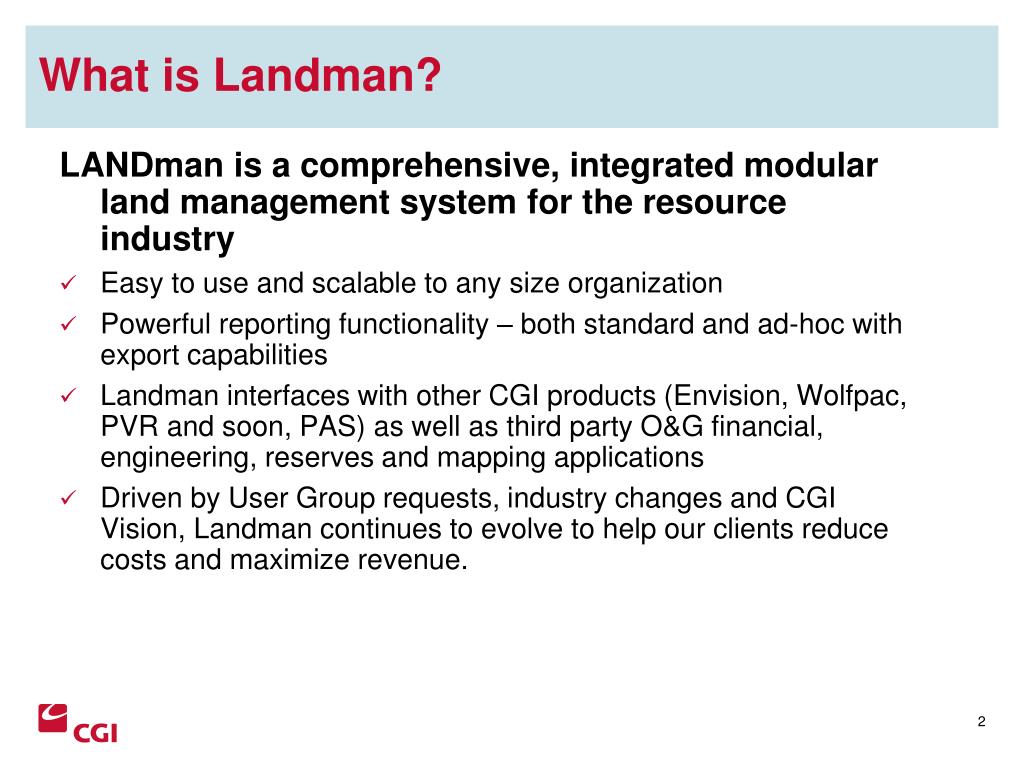
- Land Management Software: Databases that track lease agreements, royalty payments, expiration dates, and financial obligations. These systems are vital for managing cash flow, predicting future liabilities, and ensuring timely payments to avoid costly breaches of contract.
- Financial Modeling Software: Used to project future royalty payments, analyze potential returns on investment for various land acquisitions, and evaluate the financial impact of different lease terms.
By utilizing these tools, landmen can make more informed financial decisions, streamline operations, reduce administrative costs, and improve the overall profitability of resource projects.

Strategic Financial Decisions Influenced by Landmen
The insights and work products of landmen directly inform some of the most critical strategic financial decisions made by energy corporations and investors.
Capital Allocation and Portfolio Management
Where a company invests its capital is a fundamental financial strategy. Landmen’s detailed reports on land availability, ownership structures, and existing lease terms directly guide capital allocation decisions. They help identify prospective areas with clear title and favorable lease economics, enabling companies to prioritize investment in parcels that offer the highest potential return on capital. Their work contributes to the assessment of a company’s overall land portfolio, determining which assets to acquire, retain, or divest based on financial viability and strategic fit. This impacts shareholder value and long-term financial health.
Mergers, Acquisitions, and Divestitures
In the high-stakes world of corporate M&A, the landman’s expertise is indispensable. During due diligence for an acquisition or divestiture, landmen are tasked with auditing vast land portfolios, verifying the validity of thousands of leases, and identifying any hidden financial liabilities or legal risks associated with mineral rights. An inaccurate assessment could lead to a company overpaying for assets or inheriting significant financial burdens. Their thorough analysis ensures that the true value of the land assets is accurately represented in the deal, mitigating financial surprises and protecting the investment of the acquiring entity. They are crucial in valuing the underlying resource assets that dictate the financial terms of these massive transactions.
Compliance and Regulatory Financial Risk
Operating in heavily regulated industries means constant vigilance against financial penalties and legal repercussions. Landmen ensure that all land agreements comply with local, state, and federal laws and regulations. This includes understanding environmental regulations, zoning ordinances, and specific land-use rules that can impact drilling operations and related infrastructure. Failure to comply can result in exorbitant fines, forced operational shutdowns, and severe reputational damage, all of which represent direct financial risks. By meticulously managing compliance, landmen act as a crucial line of defense against potential financial losses stemming from regulatory missteps.
Career in Land Management: A Lucrative Path in Business Finance
For individuals interested in a career combining legal principles, negotiation, and significant financial impact, land management offers a dynamic and rewarding path within the broader field of business finance.
Educational Background and Essential Skills
While there’s no single mandatory degree, backgrounds in finance, business administration, law (especially property or contract law), energy management, geology, or even communications are highly beneficial. Beyond formal education, essential skills include:
- Negotiation: The ability to craft mutually beneficial agreements, often under pressure, is central to a landman’s financial success and impact.
- Analytical Skills: Interpreting complex legal documents, financial data, and geological reports.
- Attention to Detail: Meticulousness in title research and contract drafting is paramount to avoid financial pitfalls.
- Communication: Clearly explaining complex financial and legal terms to diverse audiences.
- Financial Literacy: Understanding present value, future value, ROI, cash flow, and commodity markets.
Compensation Structures and Earning Potential
The landman profession offers diverse earning potential, influenced by experience, location, and whether one works independently or for a company.
- Salaried Positions: Company landmen can earn competitive salaries, often ranging from $70,000 for entry-level to well over $150,000 for experienced managers, plus benefits and bonuses.
- Independent Contractors: Per diem rates can range from $300 to $700+ per day, depending on experience and the complexity of the project. Project-based fees or commissions on successful lease acquisitions can further enhance earnings, allowing highly skilled independents to command significant income. The financial rewards for adept and experienced landmen are substantial, reflecting the critical financial impact of their work.
Future Outlook and Market Trends
The landman profession is evolving with shifts in the energy landscape. While traditional oil and gas remain significant, growth areas include:
- Renewable Energy: Securing land rights for solar farms, wind turbine installations, and geothermal projects presents new opportunities. Landmen are increasingly involved in negotiating easements and leases for renewable energy infrastructure.
- Carbon Capture and Storage: The nascent industry of carbon capture requires land rights for geological sequestration, opening another frontier for landmen.
- Data and Digitalization: Continued reliance on sophisticated software and data analytics will further enhance efficiency and inform investment decisions, requiring landmen to be tech-savvy financial operators.
The profession will continue to be vital wherever large-scale resource acquisition and associated financial negotiations are required, adapting its focus to meet evolving energy and resource demands.
Conclusion
The question “what is a landman?” reveals a professional whose work is deeply embedded in the world of finance. From facilitating multi-million-dollar investments in resource extraction to meticulously mitigating financial risks through title research and expert negotiation, the landman is an indispensable figure in the energy sector and beyond. They are financial architects who build the foundational agreements upon which vast industrial projects are launched, ensuring economic viability for companies, generating income for landowners, and driving regional economic development. Their blend of legal acumen, negotiation prowess, and sharp business insight makes them a critical component in the complex financial ecosystem of natural resource acquisition and management, truly unearthing the wealth that fuels our modern world.
aViewFromTheCave is a participant in the Amazon Services LLC Associates Program, an affiliate advertising program designed to provide a means for sites to earn advertising fees by advertising and linking to Amazon.com. Amazon, the Amazon logo, AmazonSupply, and the AmazonSupply logo are trademarks of Amazon.com, Inc. or its affiliates. As an Amazon Associate we earn affiliate commissions from qualifying purchases.