
Understanding the myriad styles of men’s jeans is not merely a matter of fashion preference; it is a fundamental aspect of brand strategy, product design, marketing, and even personal branding within the apparel industry. For brands, each denim silhouette represents a deliberate choice in defining identity, targeting specific demographics, and communicating a particular lifestyle. For consumers, selecting the right style is an act of personal expression, a subtle yet powerful statement about one’s aesthetic and self-perception. This article delves into the diverse world of men’s jeans styles, examining them through the lens of brand positioning, design intent, market appeal, and the strategic cultivation of personal image.
The Strategic Role of Jeans Styles in Apparel Branding
In the highly competitive apparel market, the styles of jeans a brand offers are not arbitrary choices; they are cornerstones of its strategic positioning. Each cut, fit, and wash contributes to a brand’s unique identity, helping it carve out a distinct niche and resonate with its target audience. For denim manufacturers and fashion houses, understanding and mastering these styles is paramount to building a recognizable and successful brand.
Defining Brand Identity Through Denim Silhouettes
A brand’s collection of jeans styles is a direct reflection of its core identity. Consider the historical legacy of heritage denim brands that built their empires on rugged, durable straight-leg or regular-fit jeans, catering to a hardworking, authentic demographic. Their brand image is inextricably linked to these classic, no-nonsense silhouettes. In contrast, contemporary fashion brands might lean heavily into skinny or slim-tapered fits, signaling a more modern, fashion-forward, and often younger demographic. These choices are deliberate, designed to communicate a brand’s ethos – whether it’s timeless tradition, cutting-edge trendiness, rebellious counter-culture, or laid-back comfort. The consistency in offering particular styles helps to solidify brand recognition and loyalty, ensuring that when a consumer thinks of a specific look or feel, a particular brand comes to mind. It’s about owning a signature style within the broader market.
Targeting Demographics with Style-Specific Offerings
Each jeans style inherently appeals to a different segment of the market, making style selection a critical component of demographic targeting. Brands meticulously research consumer behavior, lifestyle trends, and body types to curate collections that speak directly to their desired customer base. For instance, a brand aiming for comfort and inclusivity might prioritize relaxed or loose-fit jeans, appealing to a broader age range and body diversity. A brand targeting urban trendsetters might focus on distressed, ultra-slim, or stacked styles, aligning with a specific subculture’s aesthetic. Similarly, premium brands might offer refined, minimalist slim-fit options, catering to a sophisticated consumer seeking subtle elegance. By aligning specific styles with specific demographics, brands can optimize their marketing efforts, product development, and inventory management, ensuring that their offerings are not just varied, but strategically relevant to the customers they wish to attract and retain.
Decoding Design: The Anatomy and Evolution of Men’s Jeans Styles
At the heart of branding and marketing lies the product itself, and for jeans, this means a deep understanding of design. The anatomy of men’s jeans styles—from the cut of the leg to the rise of the waist—dictates their visual impact, comfort, and ultimate appeal. These design elements are not static; they evolve, influenced by fashion trends, technological advancements in fabric, and shifts in cultural preferences, all of which present new opportunities and challenges for brands.
Core Silhouettes: From Classic to Contemporary
The foundation of men’s jeans styles lies in a few core silhouettes, from which countless variations emerge. Understanding these is crucial for both designers creating new lines and marketers communicating their unique selling propositions.
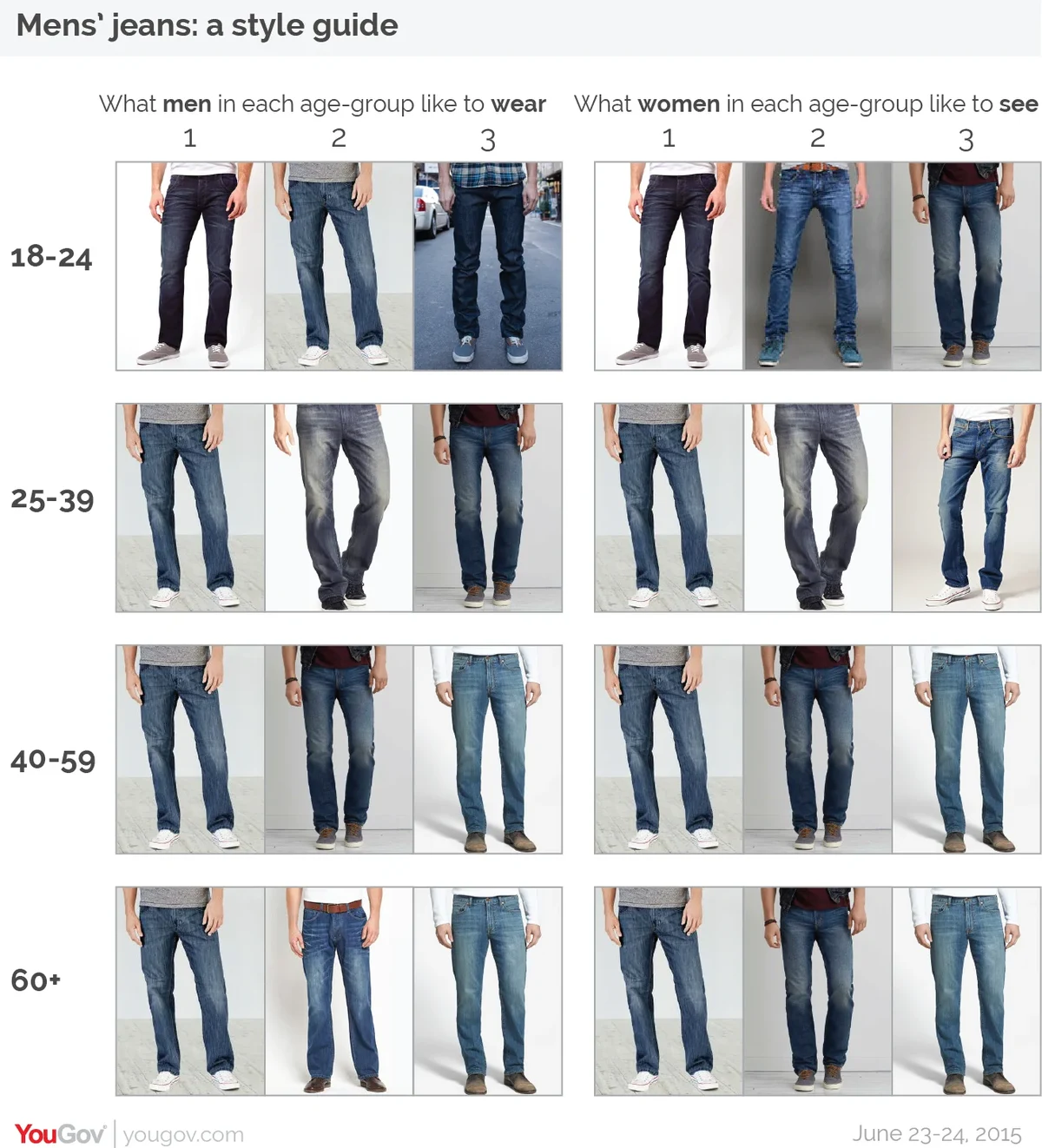
- Straight Fit: A timeless classic, straight-fit jeans offer a consistent width from the hip to the ankle. They are versatile and universally flattering, representing a safe, reliable choice for many brands appealing to a broad audience. Their straightforward design often connotes authenticity and durability.
- Regular Fit: Similar to straight fit but often with a slightly more generous cut through the thigh and seat, regular fit prioritizes comfort without sacrificing a classic aesthetic. Brands targeting a mature or comfort-seeking demographic often feature this prominently.
- Slim Fit: Tapered through the thigh and leg opening, slim-fit jeans offer a more tailored and modern look than straight or regular fits, without being excessively tight. This style has become a modern staple for its balance of comfort and contemporary appeal, making it a cornerstone for many fashion-forward brands.
- Skinny Fit: Hugging the leg from waist to ankle, skinny jeans are characterized by their extremely close fit. This style is often adopted by brands targeting younger, trend-conscious consumers, symbolizing a bold and fashion-forward stance.
- Tapered Fit: This fit typically features a regular or relaxed cut through the thigh that gradually narrows towards the ankle. It offers a comfortable top block with a clean, modern finish at the bottom, appealing to those who want a contemporary look without the full constriction of a skinny fit. Brands can use “tapered” to denote a refined, stylish, yet comfortable option.
- Relaxed Fit: Offering more room throughout the entire leg, relaxed fit jeans prioritize comfort and a casual aesthetic. They often appeal to those seeking a laid-back vibe or simply more freedom of movement. This style can be key for brands emphasizing comfort and casual lifestyle.
- Loose Fit: The most generous in cut, loose-fit jeans provide maximum room through the seat, thigh, and leg. Often associated with streetwear or a throwback to 90s fashion, this style can be a powerful statement for brands aiming to capture specific cultural trends or offer an oversized aesthetic.
- Bootcut: Slightly flared at the ankle to accommodate boots, bootcut jeans have a distinctive profile. While less ubiquitous than in past decades, they maintain a loyal following, particularly among brands with a workwear heritage or those appealing to specific subcultures like country or rock-and-roll enthusiasts.
Functional Elements and Their Brand Implications
Beyond the core silhouette, various functional design elements play a crucial role in defining a jeans style and, consequently, a brand’s positioning. The rise (the distance from the crotch seam to the top of the waistband)—whether low, mid, or high—significantly impacts comfort and visual proportions, influencing who a style is designed for. A low rise might appeal to a younger, edgier consumer, while a mid or high rise offers broader appeal and a more classic silhouette.
Fabric composition is another critical factor. The blend of cotton with elastane or polyester can determine the stretch, durability, and drape of the denim, influencing both comfort and how a style is perceived. A brand focusing on comfort might highlight stretch denim, while a heritage brand might emphasize rigid, raw denim for its authentic break-in process.
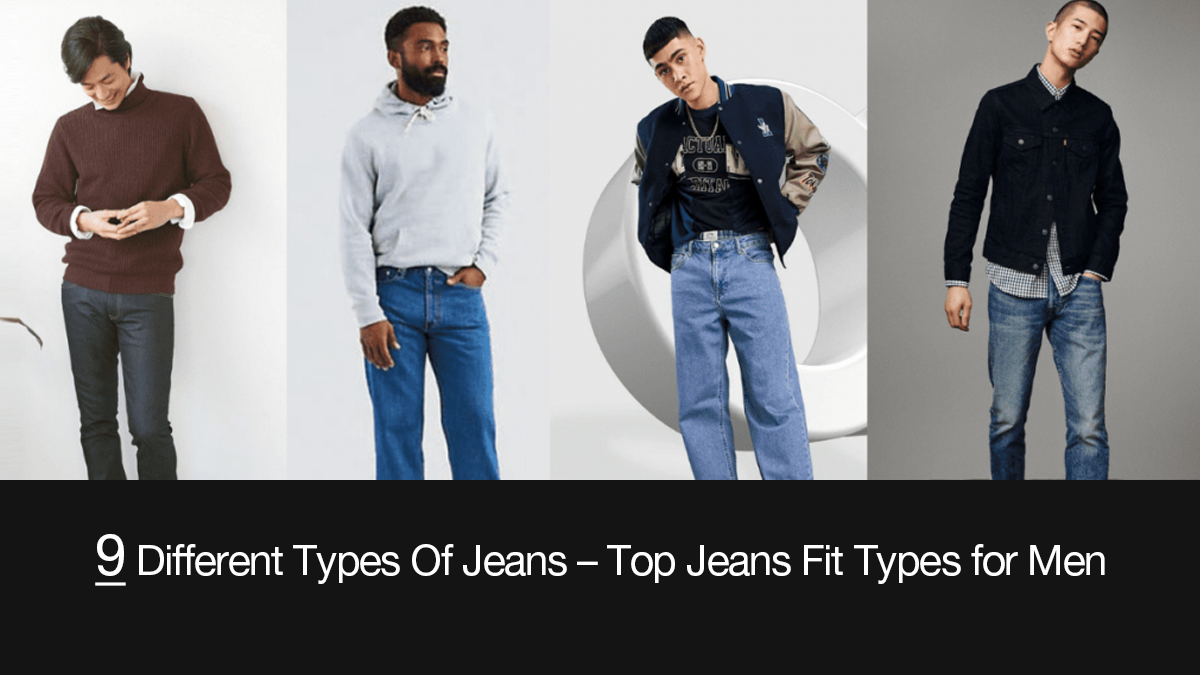
Wash and distressing are also pivotal. From raw indigo to heavily bleached and ripped styles, the finishing process profoundly alters the jeans’ aesthetic, contributing to its narrative and target market. A pristine dark wash might signify sophistication, while a heavily distressed pair speaks to rebellion or a lived-in aesthetic. Brands use these elements to craft a comprehensive story around each denim style.
The Influence of Trends and Cultural Shifts on Style
Jeans styles are not static; they are dynamic, constantly evolving in response to global fashion trends, cultural movements, and shifts in societal values. The cyclical nature of fashion means that styles like bootcut or loose fit can resurface with modern interpretations, while new cuts gain prominence. Brands must remain agile, observing these shifts and strategically adapting their offerings to stay relevant. The rise of streetwear, for example, heavily influenced the prevalence of looser, more exaggerated fits and distressed finishes. Similarly, a growing emphasis on sustainability has led brands to innovate with eco-friendly denim production and design, impacting fabric choices and finishes. Successful denim brands don’t just follow trends; they anticipate them, and sometimes, even set them, using their design capabilities to shape the future of men’s jeans styles.
Crafting Your Personal Brand: Leveraging Jeans Styles for Impact
While brands strategize with styles, individuals use them to construct their personal image. For men, jeans are often a wardrobe cornerstone, and the chosen style is a subtle yet potent component of their personal brand – how they present themselves to the world and what they communicate about their values, profession, and lifestyle.
Expressing Identity: Style Choices and Self-Perception
The jeans a man chooses to wear are a form of non-verbal communication, reflecting his personality and identity. A man consistently sporting slim-fit, dark-wash jeans might project an image of being modern, detail-oriented, and sophisticated. Conversely, someone in relaxed-fit, lightly distressed denim might convey a more laid-back, approachable, and perhaps creative persona. This personal branding extends beyond mere aesthetics; it influences how others perceive one’s professionalism, creativity, or adherence to norms. Understanding the subtle messages conveyed by different jeans styles empowers men to consciously curate their personal brand, aligning their clothing choices with their desired self-image and the message they wish to communicate to their peers, colleagues, or potential clients.
Occasion-Specific Styling: Aligning Denim with Your Narrative
Just as corporate brands tailor their messaging to different platforms and audiences, individuals adapt their personal brand based on the occasion. Different jeans styles are appropriate for different settings, and mastering this nuance is key to effective personal branding. A well-fitted, dark-wash slim or straight-leg jean might be perfectly acceptable for a casual office environment or a semi-formal evening out when paired with a blazer, projecting a smart-casual professionalism. In contrast, heavily distressed skinny jeans would be more suited for a concert or a casual weekend outing, conveying an edgier, more relaxed personal brand. Knowing when to wear what style allows men to transition seamlessly between roles and environments, always presenting a cohesive and appropriate version of their personal brand without compromising their authenticity. It’s about leveraging the versatility of denim to underscore the multifaceted nature of one’s identity.
Marketing Jeans Styles: Communicating Value and Vision
The culmination of design and brand strategy is effective marketing, where brands translate the physical attributes of jeans styles into compelling narratives that resonate with consumers. Marketing denim is not just about showcasing a product; it’s about selling a vision, a lifestyle, and a specific identity that a particular style embodies.
Storytelling Through Style: Campaign Strategies
Successful marketing campaigns for jeans styles go beyond simply displaying the garment. They weave a narrative around the style, connecting it to aspirations, emotions, and desired experiences. A brand promoting classic straight-fit jeans might use imagery of rugged landscapes, craftsmen, or enduring friendships, associating the style with authenticity, heritage, and lasting quality. Conversely, a brand launching a new skinny-fit line might feature urban settings, music festivals, or artistic endeavors, linking the style to youth culture, creativity, and self-expression. Influencer marketing plays a significant role here, with brands collaborating with personalities whose personal brands align with the lifestyle associated with specific jeans styles. This strategic storytelling helps consumers see themselves in the product, fostering a deeper connection and driving purchasing decisions based on aspiration and emotional resonance, not just utility.

Visual Merchandising and Style Presentation
In retail environments, both physical and digital, the presentation of jeans styles is crucial for effective marketing. Visual merchandising is a powerful tool to reinforce a brand’s identity and highlight the unique characteristics of each style. In brick-and-mortar stores, this might involve styling mannequins in complete outfits featuring different jeans styles to demonstrate versatility and inspire consumers. Grouping similar styles or creating themed displays for “classic,” “modern,” or “comfort” collections helps customers navigate options and understand the brand’s offerings. Online, high-quality photography, 360-degree views, and detailed product descriptions that articulate the fit, rise, and fabric are essential. Virtual try-on technologies and style guides help bridge the gap between digital presentation and customer understanding. By meticulously presenting each style in a way that aligns with its brand identity and target audience, companies ensure that their marketing efforts are cohesive, impactful, and ultimately, drive sales and brand loyalty.
In conclusion, the question “what are the styles of jeans for men?” opens up a rich discourse far beyond simple fashion advice. It touches upon the intricate interplay of brand strategy, meticulous design, targeted marketing, and the very personal act of identity formation. For both established denim empires and emerging labels, mastering these styles means not just selling a garment, but selling a meticulously crafted vision and a piece of a carefully constructed brand identity.
aViewFromTheCave is a participant in the Amazon Services LLC Associates Program, an affiliate advertising program designed to provide a means for sites to earn advertising fees by advertising and linking to Amazon.com. Amazon, the Amazon logo, AmazonSupply, and the AmazonSupply logo are trademarks of Amazon.com, Inc. or its affiliates. As an Amazon Associate we earn affiliate commissions from qualifying purchases.