
Cancelling a flight is rarely a pleasant experience. It often stems from unforeseen circumstances, changing plans, or simply a change of heart. For a major airline like American Airlines, the process of facilitating a flight cancellation isn’t merely a transactional procedure; it’s a critical touchpoint that profoundly shapes the customer’s perception of the brand. In an industry where competition is fierce and customer loyalty is paramount, how a brand handles such a sensitive interaction can either solidify its reputation for reliability and customer service or erode trust. This article will delve into the intricacies of cancelling a flight with American Airlines, examining it not just as a set of instructions, but as a crucial element of the brand’s operational identity, customer experience strategy, and commitment to its patrons.
American Airlines’ Brand Promise in Action: Understanding Cancellation Policies
At the core of any customer-brand relationship lies trust, and for an airline, this trust is significantly influenced by the clarity, fairness, and accessibility of its policies, especially those pertaining to changes and cancellations. American Airlines, as a global carrier, manages a complex web of fares, routes, and regulations, all of which converge at the point of a cancellation request.
The Foundation of Trust: Navigating American Airlines’ Cancellation Rules
American Airlines’ brand commitment to transparency begins with its published cancellation policies. These policies differentiate between various ticket types – refundable, non-refundable, basic economy, main cabin, business, and first class – each carrying its own specific terms for changes and cancellations. Communicating these distinctions clearly at the point of purchase is vital. When a customer understands what they are buying and what options they have should plans change, it fosters a sense of honesty and reliability, reinforcing the brand’s integrity. For instance, explaining upfront that Basic Economy tickets are generally non-changeable and non-refundable (except under specific conditions) manages expectations, preventing frustration later on.
A cornerstone of customer protection in the airline industry, which American Airlines diligently adheres to, is the U.S. Department of Transportation’s (DOT) “24-hour rule.” This federal mandate allows passengers to cancel a flight and receive a full refund if the booking was made at least seven days prior to the flight’s departure and the cancellation occurs within 24 hours of purchase. For American Airlines, adherence to this rule isn’t just a regulatory obligation; it’s a fundamental aspect of its brand promise, offering a crucial window of flexibility that builds initial confidence and goodwill with its customers. This policy demonstrates a basic level of customer consideration that every reputable airline brand must uphold.
Flexibility and Empathy: Responding to Unforeseen Circumstances
Beyond standard policies, a brand’s true character is often revealed in how it responds to extraordinary situations. Life is unpredictable, and passengers may need to cancel flights due to medical emergencies, bereavements, natural disasters, or significant government-imposed travel restrictions. In such scenarios, American Airlines’ approach to waivers and special considerations becomes a powerful testament to its brand’s empathy and customer-centricity.
While non-refundable tickets are a common industry standard, the ability for an airline to exercise discretion and offer flexibility in extenuating circumstances can significantly differentiate its brand. Providing travel credits, waiving change fees, or even offering full refunds when genuinely warranted demonstrates that American Airlines views its passengers as more than just revenue streams; they are individuals facing real-world challenges. Such acts of understanding, even if not universally applicable, resonate deeply and contribute to a positive brand narrative, fostering long-term loyalty and positive word-of-mouth. It reflects a brand that prioritizes human connection alongside operational efficiency.
The Digital Touchpoint: American Airlines’ Online Cancellation Experience
In the modern travel landscape, digital platforms are often the first, and sometimes only, point of contact for many customer interactions, including flight cancellations. American Airlines, like other leading brands, has invested heavily in its digital infrastructure to ensure a seamless, efficient, and secure online experience, which is paramount for maintaining its reputation in an increasingly digital world.
Seamless Self-Service: The aa.com Portal and Mobile App
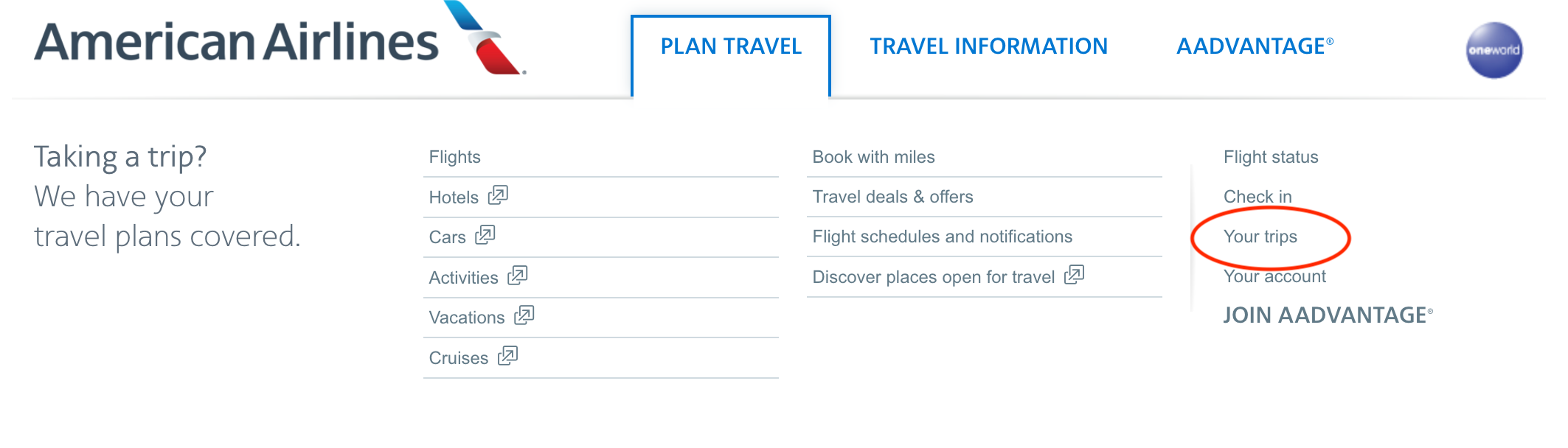
The American Airlines website (aa.com) and its mobile app are meticulously designed to empower customers with self-service capabilities. For cancellations, this means a straightforward, intuitive process that minimizes friction and frustration. A well-designed user experience (UX) and user interface (UI) are not just about aesthetics; they are crucial elements of the brand’s digital identity. When a customer can easily locate their reservation, understand their cancellation options, and execute the request with just a few clicks or taps, it reinforces American Airlines’ brand image as modern, efficient, and customer-focused.
The digital cancellation process typically involves logging into one’s AAdvantage account or retrieving a reservation using a record locator and passenger last name. Clear prompts guide the user through the steps, displaying any applicable fees, refund amounts, or credit options. This transparency, delivered through a reliable digital channel, builds confidence and reduces the need for time-consuming calls to customer service. The convenience and speed offered by these digital tools are a direct reflection of American Airlines’ commitment to leveraging technology to enhance the overall brand experience.
Digital Security and Data Privacy: Building Trust in a Connected World
As customers interact more frequently with brands online, concerns about data privacy and digital security have grown exponentially. For American Airlines, handling sensitive personal and financial information during a cancellation requires an unwavering commitment to robust security protocols. This isn’t just a technical requirement; it’s a fundamental aspect of the brand’s trustworthiness.
When a customer initiates an online cancellation, they are inputting personal details and potentially credit card information. American Airlines must ensure that these transactions are encrypted and protected from cyber threats. Secure login procedures, clear privacy policies, and demonstrable data protection measures reinforce the brand’s integrity and reassure customers that their information is safe. Any lapse in this area can severely damage brand reputation, making it a critical focus for American Airlines in maintaining a secure and reliable digital brand presence.
Human Connection: The Role of Customer Service in Brand Experience
While digital channels offer convenience, there are always scenarios where human interaction becomes indispensable. For American Airlines, its customer service representatives are the frontline ambassadors of its brand, embodying its values and problem-solving capabilities.
Beyond the Screen: Direct Interaction with American Airlines Representatives

Not all cancellations are straightforward. Complex itineraries, specific fare rules, technical glitches, or unique personal circumstances often necessitate direct contact with an American Airlines representative. Whether via phone, live chat, or an airport counter, these interactions are critical moments of truth for the brand. A knowledgeable, empathetic, and efficient agent can transform a potentially frustrating situation into a positive brand experience.
The training and empowerment of customer service teams are crucial for American Airlines. Representatives must not only be conversant with policies but also possess strong communication and problem-solving skills. Their ability to calmly address concerns, clearly explain options, and efficiently process a cancellation reinforces the brand’s professionalism and dedication to service. These human interactions, when handled expertly, leave a lasting positive impression, cementing customer loyalty even in challenging circumstances. They illustrate that despite its vast scale, American Airlines values the individual customer.
Service Recovery and Brand Loyalty: Turning Challenges into Opportunities
A brand’s ability to recover from a service failure or manage a difficult customer interaction gracefully is a powerful mechanism for building long-term loyalty. When a cancellation process becomes complicated, or a customer is particularly distressed, American Airlines has an opportunity for “service recovery.” This involves not just resolving the immediate issue but doing so in a way that exceeds expectations, ideally transforming a negative experience into a positive one.
For example, an agent who goes the extra mile to find an alternative solution, offers genuine apologies, or provides unexpected compensation (e.g., a future flight credit even when not strictly required) can salvage the customer relationship. Such actions demonstrate a brand that is truly committed to its customers’ satisfaction, willing to invest in retaining their loyalty. This strategic approach to customer service isn’t just about problem-solving; it’s about proactively strengthening the brand’s emotional connection with its audience, proving that American Airlines stands by its customers even when things don’t go as planned.
Financial Considerations and Brand Value: Refunds and Credits
The financial outcome of a flight cancellation is often the most significant concern for customers. How American Airlines handles refunds and offers future travel credits directly impacts its brand image concerning financial integrity and customer value.
Transparency in Reimbursement: Managing Customer Expectations
For refundable tickets, the expectation is a prompt and complete reimbursement. American Airlines’ brand commitment dictates a clear process for these refunds, including stated timelines for processing. Delays or confusion in this area can quickly erode trust and generate negative sentiment. Communicating when and how a refund will be processed (e.g., “expect to see the refund on your original payment method within 7-10 business days”) is vital for managing customer expectations and maintaining transparency. This reinforces the brand’s promise of accountability.
For non-refundable tickets, the brand’s communication around fees, potential travel credits, or the complete forfeiture of funds must be unambiguous. Explaining why a ticket is non-refundable, based on the fare class purchased, helps customers understand the underlying value proposition. Any hidden fees or obscure clauses detract from the brand’s honesty, whereas clear communication, even when delivering unfavorable news, upholds its integrity.
Enhancing Brand Value Through Flexibility: Future Travel Credits
In many cases, particularly for non-refundable fares, American Airlines offers a future flight credit or voucher, minus any applicable fees. This practice, while stemming from the non-refundable nature of the ticket, can be strategically positioned as a brand-enhancing benefit. By allowing customers to retain the value of their purchase for future travel, even if they can’t take the original flight, American Airlines demonstrates a degree of flexibility that fosters goodwill.
Especially during periods of widespread travel disruption (like pandemics), airlines have often adapted their policies to offer greater flexibility with credits, sometimes waiving change fees entirely. This strategic adaptation showcases a brand’s ability to respond to changing market conditions and customer needs, reinforcing its commitment to its clientele. These credits are not just financial instruments; they are an extension of the brand’s value proposition, encouraging customers to re-engage with American Airlines in the future.
Reinforcing the Brand: Communication and Follow-up
The process doesn’t end when the cancellation button is clicked or the phone call is hung up. The post-cancellation communication and follow-up are crucial for reinforcing American Airlines’ brand professionalism and commitment to the customer journey.
Clear Confirmation and Next Steps: The Post-Cancellation Journey
Upon successful cancellation, immediate and clear communication is paramount. An email confirmation, often accompanied by an in-app notification, detailing the cancellation reference, any refund amounts, or credit information, is essential. This confirmation acts as an official record and provides peace of mind. Well-designed communication templates, consistent with American Airlines’ brand guidelines, further enhance the professional image and ensure clarity. This step assures the customer that the process was completed correctly and effectively manages expectations regarding any subsequent actions, such as refund processing times.
Feedback Loops and Continuous Improvement: A Brand’s Commitment to Evolution
A truly customer-centric brand is one that continuously seeks to improve its services. American Airlines may, through surveys or direct outreach, solicit feedback on the cancellation process. This commitment to listening and adapting demonstrates a brand that values its customers’ experiences and is dedicated to evolving its services. By analyzing this feedback, American Airlines can identify pain points, streamline procedures, and further refine its digital tools and customer service training, ultimately reinforcing its brand reputation as an agile and responsive leader in the airline industry. This ongoing cycle of feedback and improvement is a hallmark of a brand committed to excellence.

Conclusion
Cancelling a flight with American Airlines is far more than a simple transaction; it’s a multi-faceted interaction that touches upon every aspect of the brand’s identity. From the clarity of its policies and the efficiency of its digital platforms to the empathy of its customer service representatives and the transparency of its financial processes, each step contributes to the overall brand experience. A well-managed cancellation process reinforces American Airlines’ commitment to its customers, building trust, fostering loyalty, and ultimately strengthening its position as a leading global carrier. In an industry where reliability and customer care are paramount, how an airline handles the difficult moments, like cancellations, is often the true measure of its brand.
aViewFromTheCave is a participant in the Amazon Services LLC Associates Program, an affiliate advertising program designed to provide a means for sites to earn advertising fees by advertising and linking to Amazon.com. Amazon, the Amazon logo, AmazonSupply, and the AmazonSupply logo are trademarks of Amazon.com, Inc. or its affiliates. As an Amazon Associate we earn affiliate commissions from qualifying purchases.