
In the modern economic landscape, the concept of a single source of income is increasingly becoming a relic of the past. Whether driven by the desire for financial independence, the need to combat inflation, or the pursuit of professional fulfillment outside of a primary career, “side hustles” have evolved into a sophisticated pillar of personal finance. Generating side income is no longer just about performing menial tasks for extra cash; it is about leveraging your unique skills, assets, and time to build a diversified financial portfolio.
This guide explores the strategic frameworks for identifying, launching, and scaling side income streams. By focusing on high-value activities and scalable systems, you can transform a secondary pursuit into a significant engine for wealth creation.
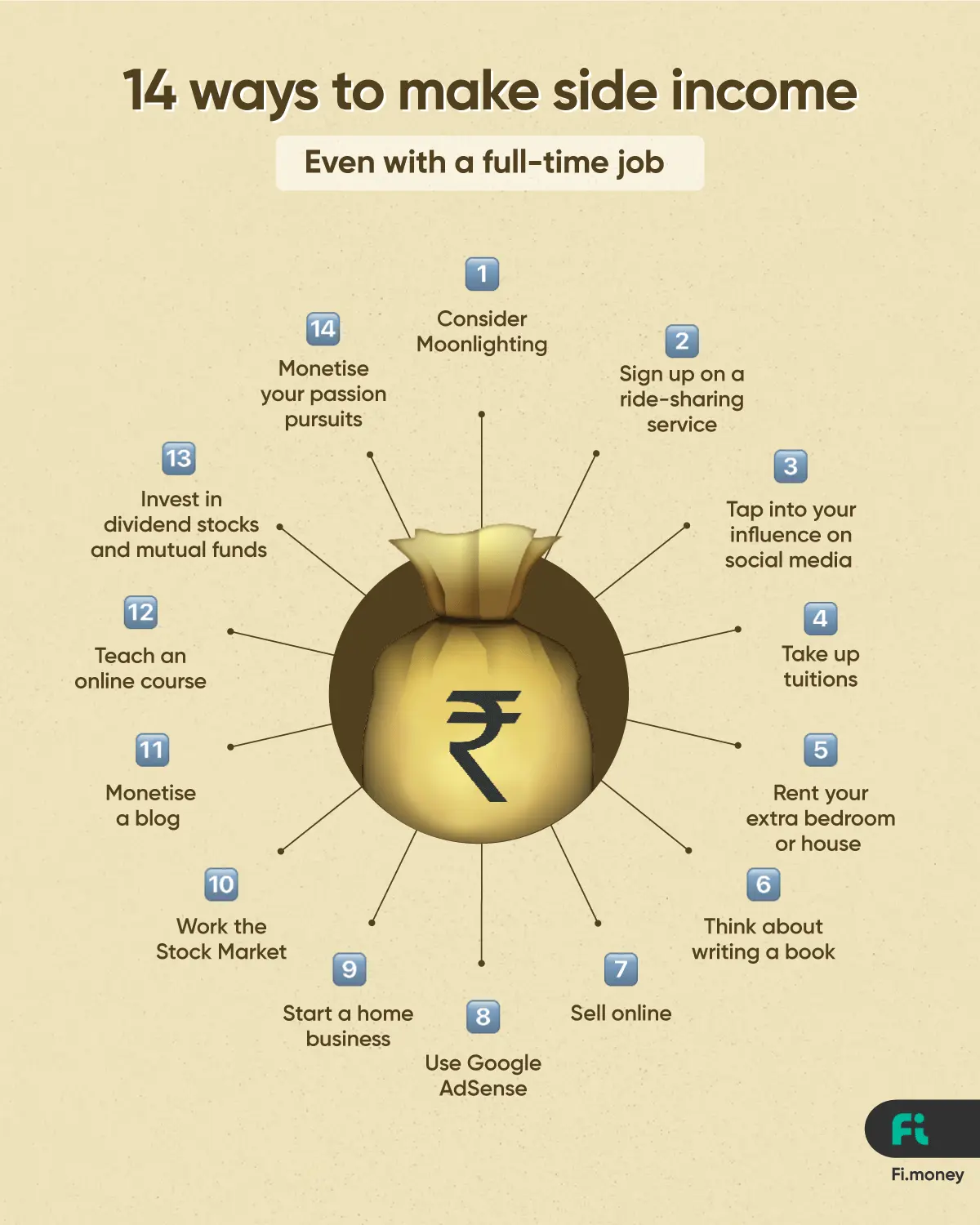
1. Evaluating the Landscape of Modern Side Hustles
Before diving into a specific venture, it is essential to understand the different modalities of income generation. Not all side incomes are created equal, and the strategy you choose should align with your long-term financial goals and current resource availability.
Active vs. Passive Income Frameworks
Most side income falls into one of two categories: active or passive. Active income requires a direct exchange of time for money—think freelancing, consulting, or gig work. While these provide the fastest route to liquidity, they are inherently limited by the number of hours in a day.
Passive income, conversely, involves an upfront investment of time or capital to create a system that generates revenue with minimal ongoing maintenance. This includes dividend investing, digital product sales, or rental income. A balanced financial strategy often involves using active side income to fund the creation of passive income streams.
Identifying Your Competitive Advantage
To maximize your hourly rate or return on investment, you must identify your “unfair advantage.” This could be a specialized technical skill, access to a specific market, or ownership of an underutilized asset. Entering a saturated market with a generic offering often leads to a “race to the bottom” on pricing. Instead, focus on niches where your professional background provides a barrier to entry for others.
Assessing Scalability and Sustainability
When selecting a side income stream, consider its ceiling. Can the business grow without requiring a proportional increase in your labor? Digital products and investments scale infinitely, whereas local services scale linearly. Furthermore, evaluate the sustainability of the income. Is the demand seasonal, or is it based on a long-term market trend?
2. High-Yield Digital Side Hustles for the Skilled Professional
The digital economy has democratized access to global markets, allowing individuals to monetize specialized knowledge with incredibly low overhead. For those with professional expertise, the internet offers high-margin opportunities.
The Rise of Specialized Freelancing and Consulting
Freelancing has moved beyond simple data entry. Platforms like Upwork, Toptal, and specialized niche boards allow experts in marketing, finance, engineering, and legal services to command premium rates. The key to success here is moving away from “generalist” roles and positioning yourself as a specialist who solves high-value problems.
For instance, rather than being a “writer,” one might become a “white paper specialist for Series A fintech startups.” This level of specificity allows for value-based pricing rather than hourly rates, significantly boosting side income.
Knowledge Monetization and E-Learning
If you possess a skill that others want to learn, the e-learning industry provides a robust avenue for income. This can take the form of structured online courses on platforms like Teachable or Udemy, or high-value newsletters via Substack.
The beauty of knowledge monetization is that the content is produced once and sold many times. By building an “authority brand” around your expertise, you create an ecosystem where your side income is driven by your reputation rather than your active labor.
Digital Product Ecosystems
Beyond courses, digital products such as templates, software-as-a-service (SaaS) micro-tools, or specialized databases can generate consistent revenue. For a finance professional, this might mean selling complex Excel models or investment tracking templates. For a designer, it could be UI kits or icon sets. These assets require significant upfront work but offer near-zero marginal costs for every additional unit sold.

3. Passive Income Streams: Building Wealth Through Capital and Assets
While active side hustles provide immediate cash flow, true financial freedom is often found in passive streams that decouple your earnings from your time. These methods typically require either significant initial capital or a long-term commitment to asset building.
Dividend Growth Investing
One of the most traditional yet effective forms of side income is dividend investing. By purchasing shares in companies that distribute a portion of their earnings to shareholders, you create a regular “paycheck” that grows over time.
The strategy here is not just seeking the highest yield, but looking for “dividend aristocrats”—companies with a history of increasing their payouts for 25 consecutive years or more. Reinvesting these dividends creates a compounding effect that can eventually cover a significant portion of your living expenses.
Real Estate and Crowdfunded Property
Real estate remains a cornerstone of wealth generation. However, you don’t necessarily need to be a landlord to earn side income from property. Real Estate Investment Trusts (REITs) and crowdfunding platforms like Fundrise allow individuals to invest in commercial or residential portfolios with relatively small amounts of capital. These vehicles provide the benefits of real estate—appreciation and rental income—without the headaches of property management.
Content Archives and Intellectual Property
Creating a YouTube channel, a blog, or a podcast can serve as a long-term income engine. Through ad revenue, sponsorships, and affiliate marketing, a well-maintained content archive continues to generate revenue years after the content was originally published. This is the “long-tail” effect of digital media: a video produced in 2021 can still be earning “rent” from advertisers in 2024.
4. Leveraging the Sharing Economy and Asset Monetization
The “sharing economy” has turned personal assets into potential revenue streams. If you have capital tied up in physical goods, there are numerous ways to put those assets to work.
Short-Term Rentals and Space Arbitrage
Beyond the traditional Airbnb model of renting out a spare room, there is a growing market for niche space rentals. Platforms like PeerSpace allow you to rent out your home or office for film shoots and events during the day. Similarly, platforms like Neighbor allow you to monetize unused garage or basement space for storage. This is essentially “found money,” as it utilizes space you are already paying for.
Peer-to-Peer Car and Equipment Sharing
If you own a vehicle that sits idle for most of the week, services like Turo allow you to rent it out to others. For those with specialized equipment—such as high-end cameras, construction tools, or camping gear—platforms like Fat Llama provide a marketplace for peer-to-peer rentals. This transforms depreciating assets into income-generating ones.
Automating the “Gig”
While many gig economy roles (like ride-sharing) are highly active, some can be semi-automated. For example, some individuals purchase vehicles specifically to be managed by third-party fleets on car-sharing apps, or they use “automated” dropshipping models where the logistics are handled by third-party providers. The goal is to move as far away from the physical labor as possible to ensure the side income remains a “hustle” and not a second full-time job.
5. Financial Management and Scaling Your Side Income
Generating side income is only half the battle; managing it effectively is what leads to long-term wealth. Many people fail to account for the complexities that come with multiple revenue streams.
Navigating Tax Implications and Legal Structure
Side income is often subject to different tax treatments than a standard W-2 salary. In many jurisdictions, self-employment tax can be a significant burden. It is crucial to track expenses meticulously to take advantage of deductions. As your side income grows, it may be beneficial to form a legal entity, such as an LLC, to protect your personal assets and potentially optimize your tax strategy through corporate structures.
Reinvestment: The Engine of Growth
The most successful side hustlers do not spend their extra income on lifestyle inflation. Instead, they reinvest a portion of those earnings back into the business or into appreciative assets. Whether it’s buying better equipment, outsourcing low-level tasks to a virtual assistant, or increasing your monthly brokerage contribution, reinvestment is what turns a “hobby” into a financial powerhouse.

The Path to Financial Independence
Ultimately, the goal of side income is to provide options. For some, it provides a safety net during economic volatility. For others, it is the bridge that allows them to transition from a corporate job to full-time entrepreneurship. By treating your side income with the same professional rigor as your primary career—focusing on high margins, scalability, and smart financial management—you create a robust foundation for lasting financial independence.
In conclusion, the journey to making side income is a marathon of strategic choices. By identifying your strengths, leveraging digital platforms, building passive assets, and managing your finances with precision, you can build a diversified income profile that serves your lifestyle and your future.
aViewFromTheCave is a participant in the Amazon Services LLC Associates Program, an affiliate advertising program designed to provide a means for sites to earn advertising fees by advertising and linking to Amazon.com. Amazon, the Amazon logo, AmazonSupply, and the AmazonSupply logo are trademarks of Amazon.com, Inc. or its affiliates. As an Amazon Associate we earn affiliate commissions from qualifying purchases.