
In an increasingly subscription-driven economy, understanding the true cost and financial value of services like Amazon Prime is paramount for astute personal finance management. Far more than just a delivery service, Amazon Prime has evolved into a comprehensive ecosystem of benefits, each carrying an implicit financial value that consumers must weigh against its recurring membership fee. This deep dive will dissect the monetary aspects of Amazon Prime, guiding you through its various pricing tiers, evaluating its often-overlooked financial benefits, and offering strategies to ensure your membership remains a financially sound decision.
Understanding the Core Subscription Costs
The primary question for many is straightforward: how much does Amazon Prime actually cost? While the answer appears simple, it encompasses several tiers and considerations that can impact your annual expenditure.
Standard Monthly and Annual Memberships
Amazon offers two primary subscription models for its standard Prime membership:
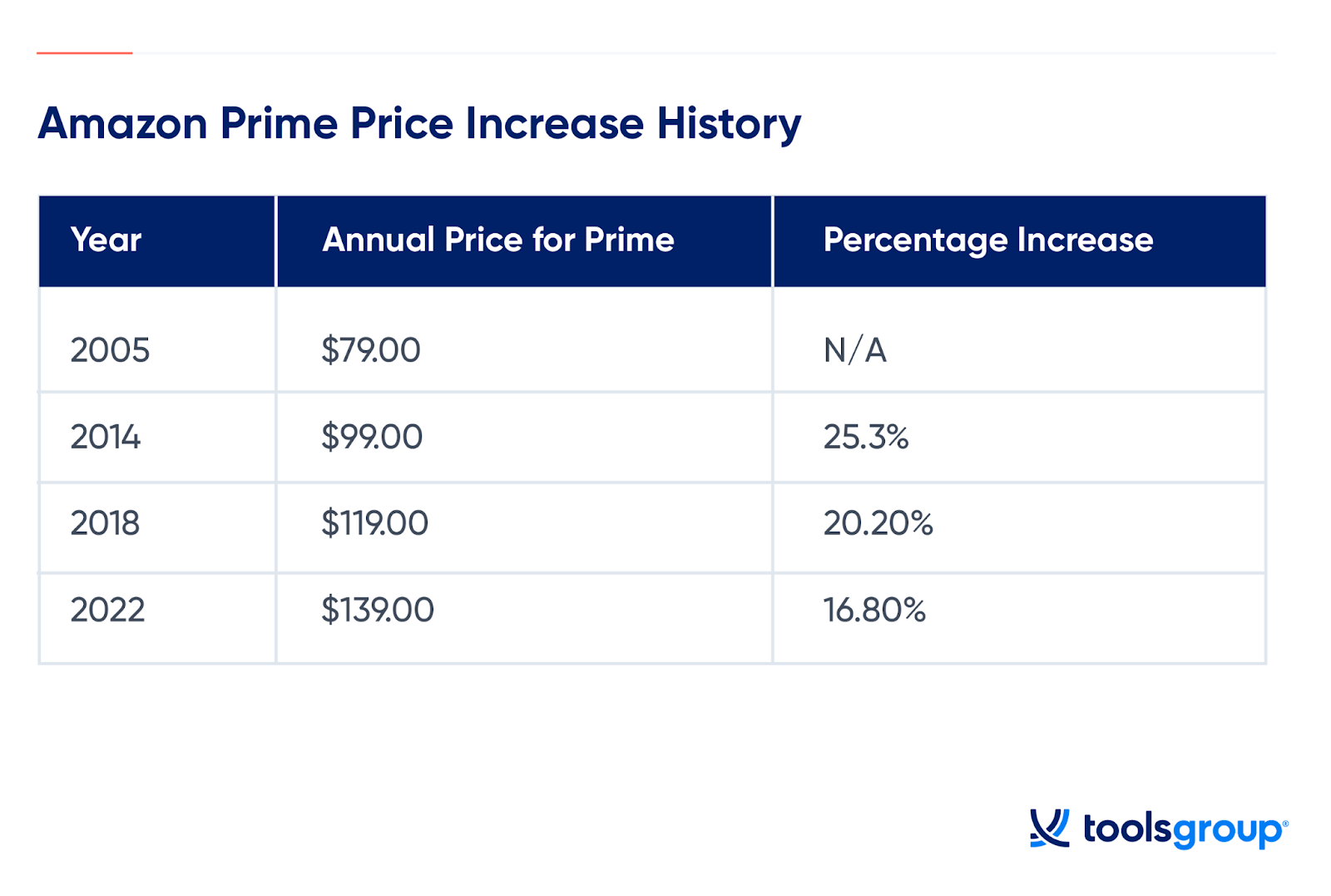
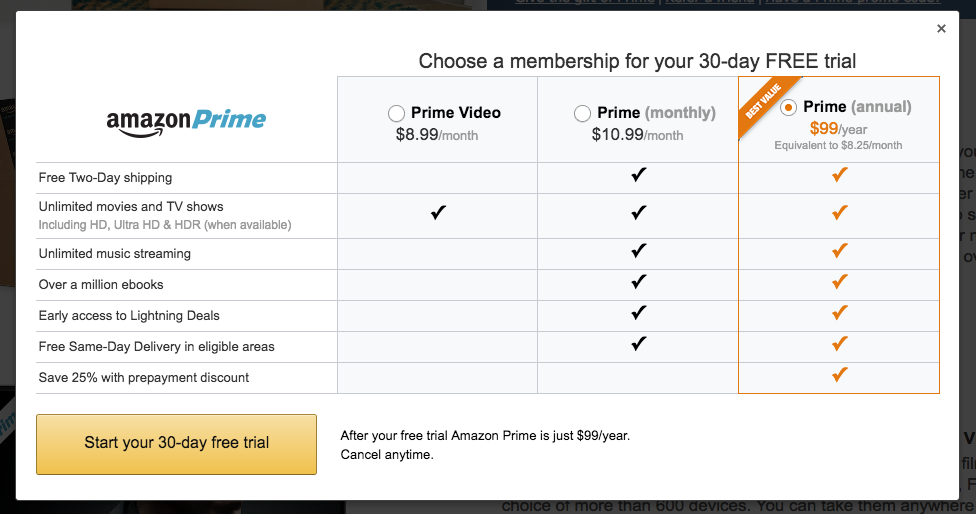
- Monthly Membership: Priced at $14.99 per month (as of the last update), this option provides flexibility, allowing subscribers to cancel at any time without a long-term commitment. Over a year, this totals $179.88.
- Annual Membership: At $139 per year, the annual subscription offers a significant discount compared to the monthly plan. Opting for the annual payment saves members approximately $40.88 over 12 months. This upfront payment requires a larger single outlay but represents a more cost-effective choice for those committed to year-round Prime benefits.
The choice between monthly and annual largely depends on usage patterns and financial liquidity. For sporadic users or those wanting to test the waters, the monthly plan offers less risk. However, for consistent users, the annual plan is undeniably the more financially prudent option, yielding substantial savings over time.
Discounted Tiers: Prime Student and Prime Access
Amazon recognizes diverse financial circumstances and offers reduced-price memberships for specific demographics, making Prime more accessible.
- Prime Student: This program is a boon for college and university students, offering a significantly reduced rate. Students typically receive a generous six-month free trial, followed by a discounted annual membership of $69 per year or a monthly option of $7.49. To qualify, students must have a valid .edu email address or be able to provide other proof of enrollment. This program not only offers the core Prime benefits but often includes exclusive student deals, making it an exceptional financial value for those managing tight budgets. From a personal finance perspective, this discount represents an intelligent way to leverage student status for tangible savings on essential services.
- Prime Access (Government Assistance Programs): For individuals receiving qualifying government assistance programs, such as EBT, Medicaid, SNAP, SSI, or other specific programs, Amazon offers Prime Access. This tier provides a Prime membership at a reduced rate of $6.99 per month, making it the most affordable ongoing option. This initiative underscores Amazon’s commitment to broader accessibility, recognizing that financial constraints should not be a barrier to essential services, including fast shipping and digital entertainment. For eligible individuals, this discount can free up significant funds in a monthly budget.
These discounted tiers highlight Amazon’s tiered pricing strategy, designed to broaden its market reach by accommodating various income levels and life stages. Financial planning should always include exploring such eligibility criteria to minimize expenses.
Regional Pricing and Sales Tax Considerations
It’s crucial to remember that the listed prices are baseline figures. The final cost of an Amazon Prime membership can vary based on your geographical location due to local sales tax regulations. Sales tax, where applicable, will be added to both monthly and annual subscriptions, slightly increasing the overall outlay. While this is often a small percentage, it’s an important detail for accurate budgeting and financial forecasting, especially when comparing the service’s cost against your available funds. Always check the final price during the sign-up process to avoid any surprises.
Beyond the Fee: Deconstructing Prime’s Financial Value Proposition
Simply knowing the cost of Prime isn’t enough; true financial insight comes from evaluating whether that cost is justified by the benefits received. This involves translating Prime’s features into quantifiable monetary savings and opportunity costs.
The Economic Impact of Free, Fast Shipping
For many, the cornerstone of Prime’s value proposition is its expedited shipping. This includes free two-day, one-day, and even same-day delivery on eligible items. To understand its financial impact, consider:
- Direct Shipping Cost Avoidance: Without Prime, standard shipping fees on individual orders can quickly accumulate. If you place just a few orders a month that would typically incur a $5-$10 shipping charge, Prime’s annual fee can be recouped surprisingly fast. For instance, an individual spending $139 annually on Prime would need to save just under $11.60 per month on shipping fees to break even.
- Time-Saving Value: While harder to quantify, the value of time saved by not having to travel to physical stores for immediate needs, or the convenience of receiving items quickly, has an economic dimension. For busy professionals or parents, this convenience can translate into productivity gains or reduced stress, indirectly contributing to financial well-being.
- Reduced Impulsive Purchases (or Increased): Fast shipping can be a double-edged sword. While it enables timely acquisition of necessities, it can also facilitate impulsive buying. A financially savvy Prime member will leverage fast shipping for planned purchases, thereby avoiding last-minute trips and potential overspending at local retailers.
Valuing the Included Digital Services: Streaming, Music, and More
Amazon Prime is not just about physical goods; it’s a digital entertainment powerhouse. Many of these services, if purchased separately, would incur significant monthly fees:
- Prime Video: Included with Prime, this streaming service offers a vast library of movies, TV shows, and Amazon Originals. A standalone subscription to a comparable streaming service can range from $7 to $16 per month, meaning Prime Video alone could offset a substantial portion of the Prime membership fee if you would otherwise subscribe to a similar service.
- Amazon Music Prime: Provides access to 100 million songs ad-free and a vast selection of podcasts. While not as extensive as Amazon Music Unlimited (a separate paid service), it offers more than 2 million songs, ad-free listening, and offline playback. A comparable music streaming service typically costs $9.99 to $11.99 per month.
- Prime Reading and Amazon First Reads: Offers a rotating selection of free ebooks, magazines, and comics. Additionally, First Reads allows members to choose one free ebook from a curated list each month before its official release. For avid readers, this can represent savings on book purchases, which can quickly add up.
- Prime Gaming (Twitch Prime): Offers free games, in-game content, and a free Twitch channel subscription each month. For gamers, these perks can translate into real savings on digital purchases and support for favorite streamers.
- Unlimited Photo Storage: Amazon Photos provides unlimited full-resolution photo storage and 5 GB for video storage. Cloud storage services often charge monthly fees based on storage capacity, making this a valuable, often-overlooked financial benefit for those seeking secure backups of their memories.
By combining the value of these digital services, a Prime membership can rival or even surpass the cost of subscribing to multiple entertainment platforms independently. The key is to genuinely utilize these services; if they go untouched, their “value” is merely theoretical.
Member-Exclusive Discounts and Early Access
Prime members gain access to exclusive deals and early access to lightning deals on Amazon.com. This includes:
- Prime Day: An annual shopping event exclusively for Prime members, offering deep discounts across various product categories. For those planning significant purchases, timing them around Prime Day can result in substantial savings that easily outweigh the annual membership fee.
- Whole Foods Market Discounts: Prime members receive exclusive savings and 5% back on selected products when shopping at Whole Foods Market. For regular Whole Foods shoppers, these discounts can accrue to meaningful savings over time.
- Subscribe & Save: While available to all, Prime members often receive additional discounts or expedited shipping on Subscribe & Save orders, further enhancing savings on recurring purchases.
These exclusive benefits transform Prime from a convenience service into a potential cost-saving tool, provided members are strategic in their shopping.

Opportunity Cost: The ‘Use It or Lose It’ Dilemma
While Prime offers a plethora of benefits, the financial trap lies in paying for features you don’t use. The “opportunity cost” here is the potential to allocate your $139 annual fee (or $179.88 monthly equivalent) to other financial goals or services that you would genuinely use more. If you rarely shop on Amazon, seldom stream videos, and don’t care for free games, the financial value proposition of Prime diminishes significantly, making it an unnecessary expense. A critical financial assessment involves honestly evaluating your actual usage patterns against the array of included benefits.
Strategic Financial Management of Your Prime Membership
To ensure your Amazon Prime subscription is a wise financial decision, proactive management and strategic utilization are essential.
Annual vs. Monthly: A Critical Cost-Benefit Analysis
As discussed, the annual membership at $139 saves you approximately $40.88 compared to the monthly option over a year. The financial wisdom here is clear: if you anticipate using Prime for a full year or more, committing to the annual plan is the financially superior choice. The monthly option only makes sense for those who foresee needing Prime for short, irregular periods (e.g., during holiday shopping season) or for those whose cash flow genuinely prevents an upfront annual payment, even if it means a higher overall cost. For most, the annual plan offers significant savings that should be factored into their personal finance strategy.
Leveraging Amazon Household for Shared Savings
Amazon Household allows two adults and up to four teens and four children to share Prime benefits at no additional cost. This is a powerful financial tool for families or roommates. By linking accounts, households can split the cost of a single Prime membership, effectively reducing each individual’s financial outlay while still enjoying all the perks. For example, if two adults split a $139 annual membership, the individual cost drops to $69.50 per person, representing exceptional value. This strategy maximizes the financial efficiency of the subscription, turning a personal expense into a shared, more affordable utility.
Maximizing Benefits: Prime Day and Specific Shopping Strategies
Beyond just enjoying the benefits, proactive strategies can amplify Prime’s financial returns:
- Strategic Shopping for Prime Day: If you have major purchases planned (e.g., electronics, home goods), align them with Prime Day. The discounts can be substantial enough to justify the annual membership on their own, especially if you were going to make the purchase anyway.
- Utilizing Whole Foods Market Discounts: If Whole Foods is a regular grocery stop, consistently using your Prime membership for the 5% back on select items and exclusive weekly deals can generate significant cumulative savings on an essential household expense.
- Subscribe & Save Optimization: For recurring household items, leveraging Subscribe & Save with Prime benefits ensures consistent discounts and free delivery, streamlining essential purchases and saving money.
- Reviewing Digital Entitlements: Regularly check Prime Video, Music Prime, Prime Reading, and Prime Gaming for new content. Actively using these included services reduces the need for separate paid subscriptions to other platforms, thus consolidating entertainment costs.
Integrating Prime into Your Personal Budget and Financial Tracking
For diligent financial management, treat your Amazon Prime subscription like any other recurring expense.
- Categorize and Track: Ensure the annual or monthly fee is properly categorized in your budget (e.g., “Subscriptions,” “Entertainment,” or “Online Shopping”).
- Evaluate Periodically: Include Prime in your regular financial reviews. Ask yourself: “Am I getting my money’s worth?” and “Are there cheaper alternatives that meet my needs?”
- Set Reminders: If on a monthly plan, or nearing the annual renewal, set a reminder to evaluate your usage before the next billing cycle. This proactive step prevents automatic renewals of services you no longer use or justify financially.
Is Amazon Prime a Financially Prudent Investment for Your Lifestyle?
Ultimately, the decision to subscribe to Amazon Prime, and which tier, comes down to a personalized financial assessment. It’s about more than just the price tag; it’s about aligning the service with your financial habits and goals.
Quantifying Your Personal Usage and Potential Savings
Take a moment to truly assess how much you use Amazon for shopping.
- Estimate Shipping Savings: How many non-Prime orders would you place annually that would incur shipping fees? Multiply that by an average shipping cost.
- Value Digital Substitutions: Would you subscribe to Netflix, Hulu, Spotify, or a separate ebook service if you didn’t have Prime Video, Music Prime, or Prime Reading? Assign a monthly value to these avoided subscriptions.
- Track Member-Exclusive Deals: How much have you actually saved through Prime Day, Whole Foods discounts, or exclusive lightning deals over the past year?
Sum these up. If your estimated total savings and avoided costs exceed the annual Prime fee of $139 (or the monthly equivalent if that’s your plan), then Prime is likely a financially beneficial subscription for you.
Comparing Prime to Standalone Alternatives for Specific Benefits
Consider if your needs are better met by specialized, non-Prime alternatives.
- Shipping Only: If you only care about free shipping and don’t use any other Prime benefits, consider if specific retailers offer free shipping thresholds that you typically meet, or if a different subscription service (e.g., Walmart+) might be a better fit if its primary benefit is relevant to your shopping habits.
- Streaming Only: If you only care about Prime Video, evaluate if a standalone subscription to a different streaming service offers content you prefer more for a similar or lower price.
- Music Only: Compare Music Prime’s library and features with a standalone Spotify, Apple Music, or YouTube Music subscription.
This comparative analysis ensures you’re not paying for a bundle of services when only one or two are genuinely utilized, and better alternatives exist for those specific needs.
The Long-Term Financial Outlook of a Subscription Service
Like all subscription services, Prime represents an ongoing financial commitment. Over a decade, an annual Prime membership totals $1390. This figure highlights the importance of regular financial reviews. As your shopping habits, entertainment preferences, or financial situation changes, what was once a financially prudent decision might become an unnecessary expense. Building a habit of reviewing all your subscription services annually is a cornerstone of effective personal financial management.
When to Re-evaluate or Cancel Your Prime Membership
It’s perfectly acceptable, and often financially wise, to cancel or pause your Prime membership if it no longer serves your financial interests.
- Reduced Usage: If your Amazon shopping significantly decreases, or you find yourself rarely using the digital benefits.
- Budget Cuts: If you’re tightening your personal budget, subscriptions are often the first place to look for cuts.
- Alternative Services: If you’ve found cheaper or more suitable alternatives for the specific benefits you value.
- Infrequent Need: If you only need Prime for specific periods (e.g., holiday shopping), consider signing up for a monthly plan just for those months, or taking advantage of a free trial if eligible, then canceling. Amazon offers prorated refunds for canceled annual memberships if certain conditions are met, which is another financial consideration.
In conclusion, “how much is Amazon Prime” is a question that extends far beyond the sticker price. It demands a holistic financial assessment of its costs, the monetary value of its extensive benefits, and a strategic approach to ensure it remains a valuable investment within your personal financial landscape. By understanding the various tiers, actively valuing its benefits, and diligently managing your subscription, you can ensure your Prime membership truly delivers financial dividends.
aViewFromTheCave is a participant in the Amazon Services LLC Associates Program, an affiliate advertising program designed to provide a means for sites to earn advertising fees by advertising and linking to Amazon.com. Amazon, the Amazon logo, AmazonSupply, and the AmazonSupply logo are trademarks of Amazon.com, Inc. or its affiliates. As an Amazon Associate we earn affiliate commissions from qualifying purchases.