
In today’s digital economy, subscriptions have become a ubiquitous part of our financial landscape. From streaming services to software, consumers routinely weigh the cost against the perceived value. Among the most prominent of these is Amazon Prime, a membership program that has profoundly reshaped online retail and consumer expectations. Understanding its exact cost, however, is just the first step. A comprehensive financial analysis requires delving into its multi-faceted benefits, evaluating its true worth against individual spending habits, and considering its place within a broader personal budget. This article aims to demystify the financial implications of an Amazon Prime membership, offering insights that extend beyond the sticker price.
Understanding the Core Membership Costs
At its heart, an Amazon Prime membership is a financial commitment, and like any investment, its price point is a critical consideration. Amazon offers several tiers and payment structures, each designed to cater to different consumer needs and financial situations. The standard Prime membership is the most widely recognized, but it’s important to be aware of the alternatives that might offer significant savings for eligible individuals.
Monthly vs. Annual Plans: A Cost Comparison
For most standard users, Amazon presents a choice between paying monthly or committing to an annual subscription. Opting for the annual plan almost invariably represents a more financially prudent decision. While a monthly subscription offers flexibility, allowing members to cancel at any time without a long-term commitment, it comes at a premium. The cumulative cost of 12 monthly payments typically far exceeds the single upfront payment for an annual membership. This is a classic financial trade-off: convenience and flexibility versus cost savings. For those who anticipate using Prime services consistently throughout the year, the annual option acts as a discounted bulk purchase, yielding substantial savings over time. It essentially rewards loyalty and commitment with a lower effective monthly rate.
Student & Government Assistance Programs: Discounted Rates
Amazon recognizes that not all financial situations are equal. To broaden its appeal and accessibility, it offers significantly discounted Prime memberships to specific demographic groups. University students, for instance, can often avail themselves of a Prime Student membership, which not only provides a lower annual fee but also frequently includes an extended free trial period. This initiative is a strategic move by Amazon to cultivate long-term customer relationships by introducing its ecosystem to a demographic known for its future earning potential.
Similarly, individuals receiving qualifying government assistance, such as EBT or Medicaid benefits, are often eligible for a substantially reduced monthly Prime membership rate. These programs underscore Amazon’s effort to make Prime accessible to a wider economic spectrum, reflecting an understanding that the benefits of fast shipping and digital content can be valuable across all income levels. For eligible individuals, exploring these discounted options is paramount to optimizing their financial outlay for Prime services.
Add-ons and Extras: Hidden Costs?
While the core Prime membership fee covers a substantial array of services, it’s crucial to understand that not everything under the Amazon umbrella is included. Prime Video, for example, is part of the package, but specific channels or premium content within Prime Video often require separate subscriptions. Similarly, Amazon Music Prime is included, but Amazon Music Unlimited, with its vastly larger library and higher audio quality, carries an additional monthly charge. The same applies to Kindle Unlimited or Audible, which are distinct subscription services. These “add-ons” aren’t hidden in a deceptive sense, but consumers can easily confuse the breadth of Amazon’s offerings with what’s actually covered by the core Prime fee. Financially astute members will carefully delineate between core Prime benefits and optional, extra-cost services to avoid unintended spending.
Beyond the Price Tag: The Value Proposition of Prime
To truly assess the cost of Amazon Prime, one must look beyond the numerical fee and evaluate the tangible and intangible value it delivers. For many, the membership isn’t just an expense; it’s an investment that can potentially save money or provide convenience that would otherwise come at a higher cost. The true financial impact lies in how individual members utilize the vast ecosystem of benefits.
Shipping Savings: The Primary Financial Perk
For a significant portion of its members, the cornerstone of Prime’s value proposition is its expedited, often free, shipping. In an era where instant gratification is increasingly expected, the ability to receive countless items with free two-day, one-day, or even same-day shipping is a powerful draw. From a purely financial standpoint, if a consumer frequently purchases items online that would typically incur shipping charges, Prime can quickly pay for itself. The savings on shipping fees for just a handful of orders can easily offset the annual membership cost. Furthermore, the psychological benefit of not having to worry about minimum order values to qualify for free shipping can subtly influence purchasing behavior, making Amazon the default choice for many online shopping needs.
Digital Entertainment: Bundled Value
Prime membership bundles a robust suite of digital entertainment services, effectively consolidating costs that might otherwise be distributed across multiple subscriptions. Prime Video offers a substantial library of movies and TV shows, including Amazon Originals, which could potentially replace or reduce the need for other streaming services. Amazon Music Prime provides ad-free access to millions of songs, serving as a viable alternative to other music streaming platforms for many users. Additionally, Prime Reading and free games with Prime Gaming offer further digital content without extra charges. For consumers who would otherwise subscribe to separate services for video, music, and reading, Prime’s bundled digital offerings represent significant aggregate savings. The financial insight here is to compare Prime’s bundled entertainment against the combined cost of equivalent standalone services to gauge true value.
Exclusive Deals & Early Access: Maximizing Discounts
Beyond everyday shipping and entertainment, Prime membership unlocks exclusive financial advantages in the form of special deals and early access to sales. Prime Day, Amazon’s proprietary annual shopping event, is the most prominent example, offering members-only discounts that can be substantial. Throughout the year, Prime members also gain early access to certain Lightning Deals and other promotional offers, allowing them to secure popular items before they sell out. For strategic shoppers, these exclusive opportunities can lead to significant savings on big-ticket items or everyday necessities. The trick is to only purchase items that were already on your shopping list, thereby ensuring genuine savings rather than succumbing to impulse buys driven by a perceived “deal.”
Other Financial Benefits: Groceries, Prescriptions, and More
The Prime ecosystem continues to expand, integrating more facets of daily life and offering additional avenues for financial savings. Prime members often receive discounts at Whole Foods Market, a significant perk for those who frequent the upscale grocery chain. Amazon Pharmacy offers discounted prescription medications, adding another layer of potential health-related savings. The flexibility of Amazon Photos provides unlimited full-resolution photo storage, potentially eliminating the need for separate cloud storage subscriptions. Each of these less-publicized benefits, when accumulated, can contribute to a compelling overall financial argument for Prime membership, particularly for individuals who can fully leverage the breadth of these services.
Is Prime Worth the Investment? A Financial Analysis
Determining whether an Amazon Prime membership is a financially sound investment requires a personalized assessment. What is a bargain for one individual might be an unnecessary expense for another. This section delves into the analytical framework necessary to make an informed decision.
Calculating Your Personal Break-Even Point
The most straightforward way to evaluate Prime’s financial worth is to calculate your personal break-even point based on shipping costs. Estimate how many online orders you place from Amazon (or would place if shipping were free) in a year that would normally incur a shipping fee. Multiply the average shipping fee by this number. If the total savings from shipping alone exceed the annual Prime membership cost, then from a pure shipping perspective, Prime pays for itself. This calculation becomes even more compelling when factoring in the cost of expedited shipping, which can be significantly higher than standard delivery. Beyond shipping, consider how much you would pay for standalone streaming services, music subscriptions, or cloud storage that Prime effectively replaces. Summing up these potential savings provides a more holistic view of the break-even point.
Opportunity Cost: Where Else Could Your Money Go?
Every dollar spent on an Amazon Prime membership represents a dollar that cannot be spent or invested elsewhere. This concept, known as opportunity cost, is crucial in personal finance. For someone on a tight budget, the annual Prime fee might represent a significant portion of their discretionary spending. Could that money be better utilized for building an emergency fund, paying down high-interest debt, investing in a retirement account, or funding another essential need or desired experience? An insightful financial analysis doesn’t just ask if Prime is worth its cost, but if it is the best use of those funds given one’s overall financial goals and priorities.
Evaluating Usage Habits: Are You Maximizing Value?
The value of Prime is directly proportional to how much it is utilized. An individual who rarely shops on Amazon, watches few videos, or doesn’t use the music or photo storage benefits is likely not maximizing their investment. Conversely, a frequent shopper who streams content daily, uses Amazon Pharmacy, and takes advantage of Prime Day deals is extracting significant value. Conduct an honest audit of your usage:
- How many times a month do you order from Amazon?
- Do you regularly watch Prime Video or listen to Prime Music?
- Are you taking advantage of Whole Foods discounts or prescription savings?
- Do you utilize Amazon Photos for storage?
If the answer to many of these questions is “no” or “rarely,” the financial wisdom of maintaining the membership diminishes considerably.
Budgeting for Prime: Financial Planning and Alternatives
Integrating an Amazon Prime membership into a personal budget requires conscious planning. For some, it’s a fixed expense easily absorbed; for others, it demands a more strategic approach, perhaps even exploring alternatives or shared models.
Integrating Prime into Your Monthly/Annual Budget
For those who find Prime valuable, treating it as a regular fixed expense is key. If opting for the annual payment, it’s prudent to set aside a small amount monthly into a dedicated savings pot so the lump sum payment doesn’t cause a financial strain when due. Alternatively, the monthly payment option, though more expensive overall, spreads the cost evenly, making it easier to integrate into a tight monthly budget. Whichever method chosen, the cost should be explicitly accounted for in your budgeting framework, whether using a spreadsheet, budgeting app, or pen and paper. This ensures that the cost of convenience doesn’t inadvertently lead to overspending in other categories.
Alternatives to Full Prime Membership: Shared Benefits & Free Shipping Hacks
If a full Prime membership doesn’t align with your financial priorities or usage habits, there are alternatives. Amazon allows household sharing of certain Prime benefits, specifically free shipping and Prime Video, with one other adult. This can significantly reduce the per-person cost for couples or housemates.
Beyond sharing, consider “free shipping hacks” if your primary need is just shipping. Many online retailers, including Amazon for non-Prime members, offer free standard shipping once a certain order threshold is met. By strategically bundling purchases or waiting until you have a few items to order, you can often avoid shipping fees without a membership. For digital content, numerous free streaming services (e.g., Pluto TV, Tubi) and public library resources (e.g., Hoopla, Libby for e-books and audiobooks) can serve as cost-effective alternatives to Prime Video and Music.
When to Reconsider or Cancel Your Membership
Regularly reassessing the financial utility of all your subscriptions, including Prime, is a cornerstone of sound personal finance. If your usage patterns change, your financial situation tightens, or you find yourself rarely leveraging its benefits, it’s time to reconsider. A good practice is to review all annual subscriptions a month or two before their renewal date. This provides ample time to evaluate usage, compare costs, and decide whether to renew, modify, or cancel. Canceling Prime doesn’t mean abandoning Amazon; it simply means reverting to a transactional relationship, paying for items and shipping as needed, which for many, might prove more economical in the long run.
Navigating Prime’s Evolving Financial Landscape
Amazon Prime is not a static offering; its price, benefits, and overall value proposition evolve over time. Understanding this dynamic landscape is crucial for long-term financial planning related to the service.
Historical Price Adjustments and Future Outlook
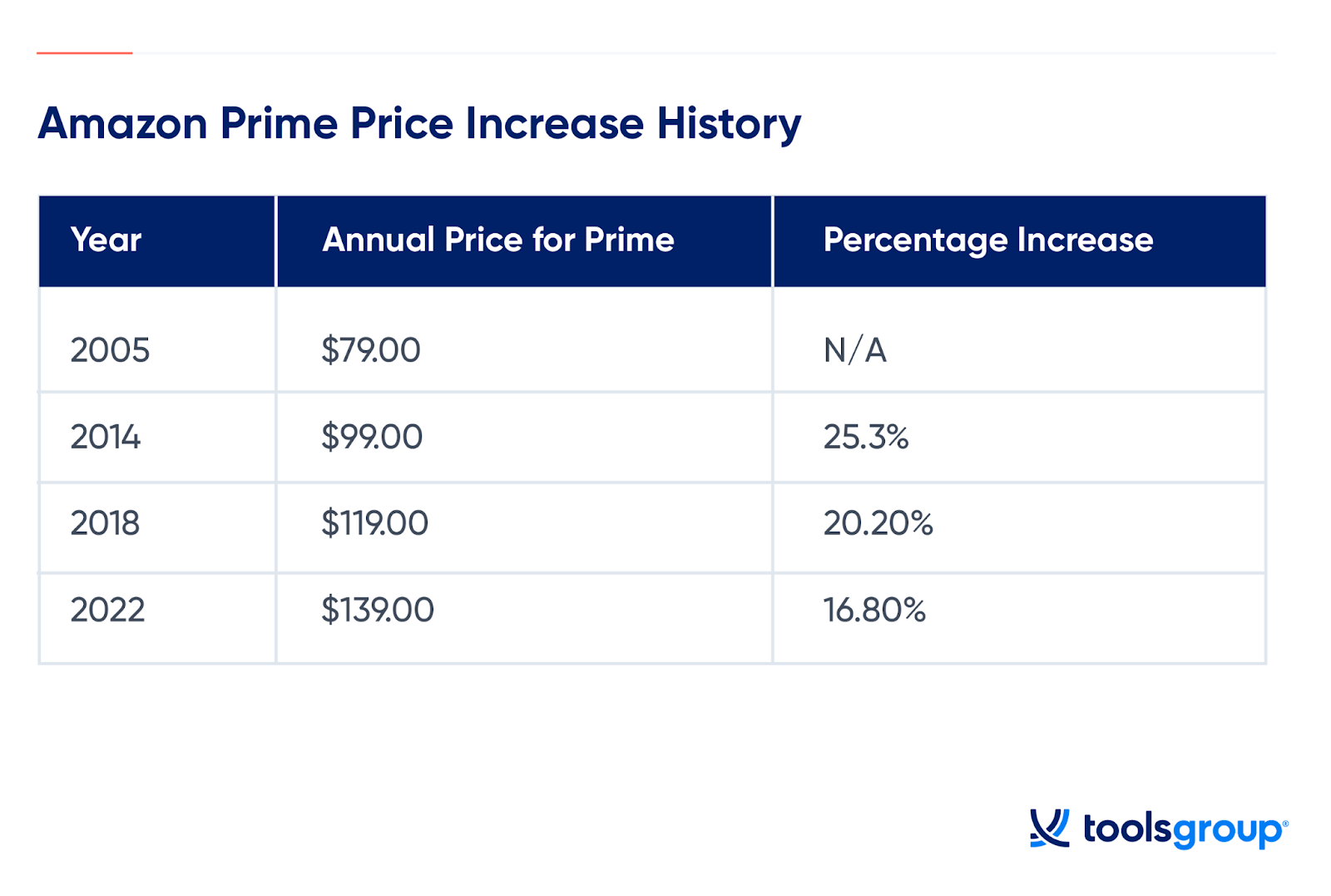
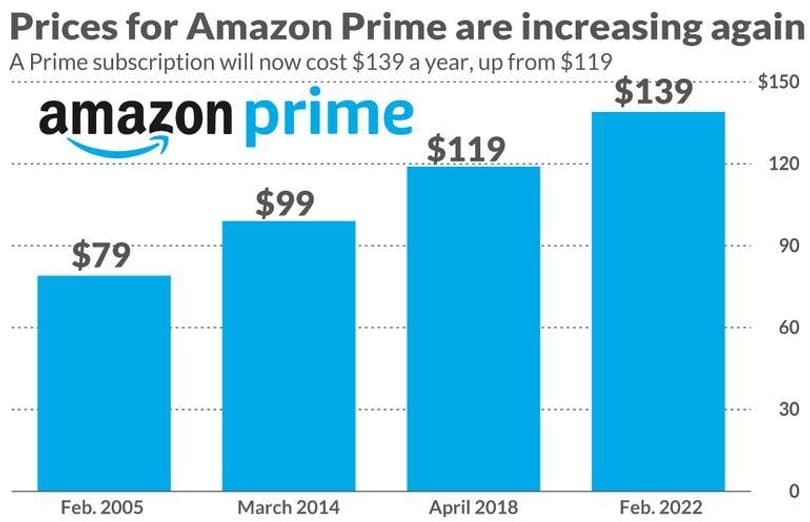
Since its inception, the price of Amazon Prime has increased several times. These increases typically reflect the expansion of benefits, rising operational costs, and inflationary pressures. While Amazon strives to maintain a competitive price, future price adjustments are always a possibility. Financially savvy consumers should anticipate these potential changes and factor them into their long-term budgeting. It’s not just about the current cost, but the expected future cost that influences the long-term financial commitment.
The Expanding Ecosystem: New Costs & New Savings
As Amazon continues to innovate and integrate new services, the Prime membership evolves. This can lead to both new potential costs (e.g., new premium add-on services) and new potential savings (e.g., expanded benefits that replace other expenses). Staying informed about these changes is vital. Amazon typically announces significant updates, and members should review these announcements to understand how they might impact their personal financial equation with Prime. A new benefit might suddenly make Prime more valuable to you, or a change in existing services might diminish its appeal.

Making Informed Renewal Decisions
Ultimately, the decision to purchase or renew an Amazon Prime membership boils down to a personal financial calculation. It requires a clear understanding of the explicit costs, an honest appraisal of the value derived from its diverse benefits, and a thoughtful consideration of how it aligns with one’s broader financial goals. Is the convenience worth the price? Are you maximizing the bundled savings? Could that money be better allocated elsewhere? By asking these questions and engaging in a continuous financial audit, consumers can ensure that their Amazon Prime membership remains a value-adding asset rather than an unexamined expense.
aViewFromTheCave is a participant in the Amazon Services LLC Associates Program, an affiliate advertising program designed to provide a means for sites to earn advertising fees by advertising and linking to Amazon.com. Amazon, the Amazon logo, AmazonSupply, and the AmazonSupply logo are trademarks of Amazon.com, Inc. or its affiliates. As an Amazon Associate we earn affiliate commissions from qualifying purchases.