
In the modern economic landscape, the “subscription economy” has transformed from a convenient luxury into a significant line item in the average household budget. As consumers pivot away from traditional cable packages toward a fragmented ecosystem of streaming services, the primary question has shifted from “What is on TV?” to “How much am I spending on digital content?” Paramount Plus (Paramount+) has emerged as a major player in this space, offering a diverse library ranging from live sports and breaking news to blockbuster films and prestige television. However, to make an informed financial decision, one must look beyond the sticker price and analyze the service through the lens of personal finance and cost-benefit optimization.

Understanding the Pricing Tiers and Your Budgetary Impact
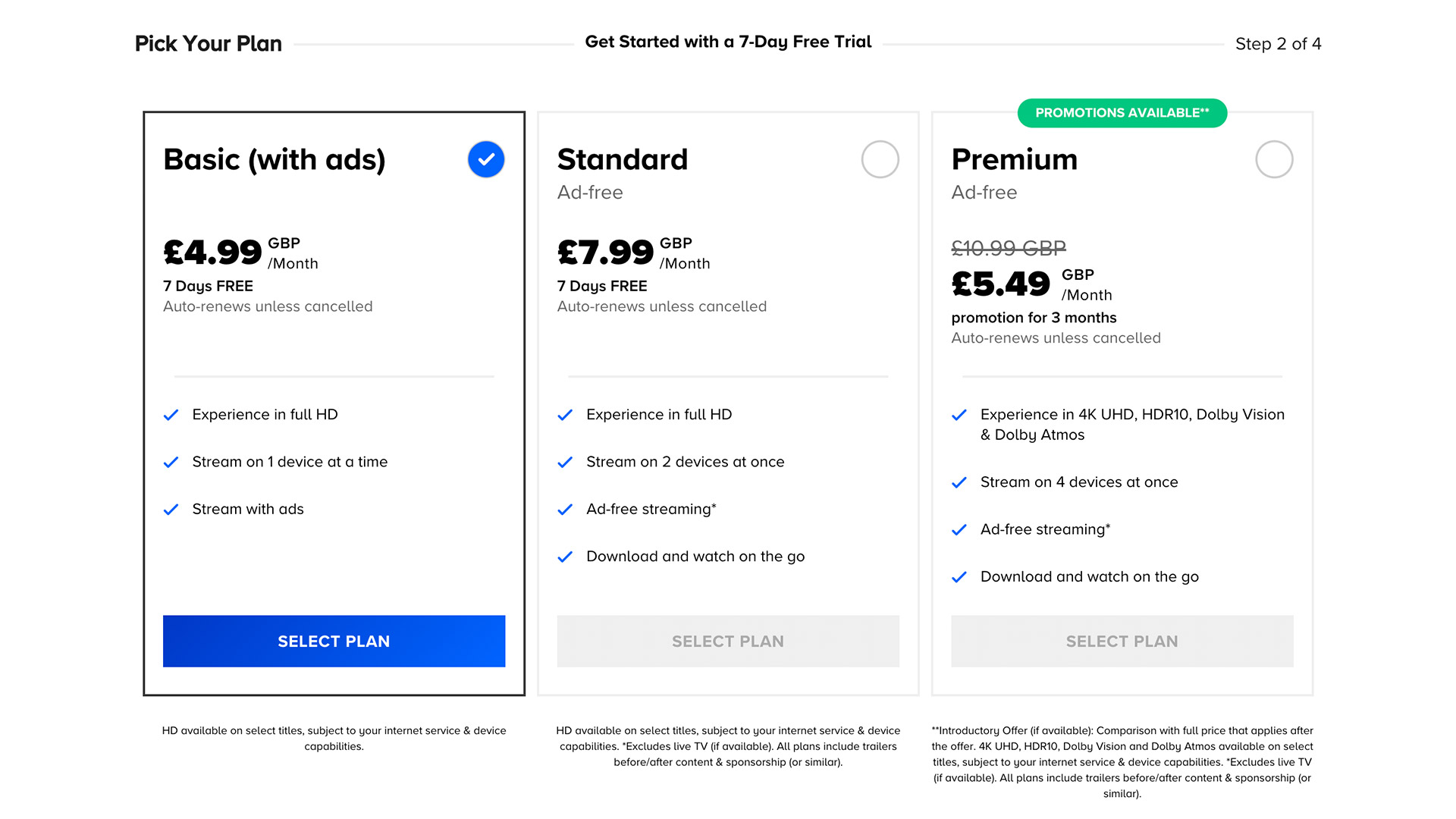
When evaluating how much Paramount Plus costs per month, it is essential to recognize that the service operates on a tiered pricing model designed to capture different segments of the market. From a financial planning perspective, choosing the right tier is the first step in optimizing your monthly cash flow.
Paramount+ Essential: The Budget-Friendly Entry Point
The “Essential” plan is currently priced at $5.99 per month. In the context of the broader streaming market, this is positioned as a low-cost entry point. From a personal finance perspective, this plan is ideal for consumers who are “ad-tolerant” and prioritize cost savings over an uninterrupted viewing experience.
While the Essential plan includes limited commercial interruptions, it provides access to the vast majority of the Paramount library, including NFL on CBS and top-tier UEFA Champions League matches. For a budget-conscious individual, the $5.99 price point represents a high “value-to-cost” ratio, particularly when compared to the rising prices of competitors like Netflix or Max. However, users should be aware that this tier does not include a local live CBS station, which may necessitate an additional expense (like an HD antenna) if local news is a priority.
Paramount+ with SHOWTIME: The Premium Financial Choice
For those looking for a more comprehensive entertainment package, the “Paramount+ with SHOWTIME” tier is priced at $11.99 per month. This plan represents a significant jump in monthly expenditure—effectively doubling the cost of the Essential plan.
From a strategic money management standpoint, this tier serves two purposes. First, it eliminates most advertisements (excluding live TV and select shows), which can be viewed as a “time-saving” investment. Second, it integrates the entire Showtime library. When Showtime was a standalone service, it often cost upwards of $10.99 on its own. By bundling it for $11.99 total, Paramount is leveraging “value-based pricing.” If you are already a consumer of Showtime content, this tier is a logical financial consolidation move that reduces the number of individual bills you receive.
Annual vs. Monthly: Which Saves You More?
One of the most effective ways to lower your effective monthly cost is to opt for an annual subscription. Paramount Plus offers annual versions of both tiers: the Essential plan for $59.99/year and the Paramount+ with SHOWTIME plan for $119.99/year.
By paying upfront, you are essentially receiving 12 months for the price of 10. This results in a savings of approximately 16% to 20% compared to paying month-to-month. For an individual with a stable emergency fund and predictable cash flow, paying the annual fee is a “guaranteed return on investment” that beats the interest rates of most standard savings accounts. It is a classic example of how having liquid capital allows for long-term cost reduction.
The Economics of the Streaming Bundle
In the world of personal finance, savvy consumers rarely pay full price if a “backdoor” discount exists. Paramount Plus is unique in its aggressive use of corporate partnerships and bundles, which can effectively bring your monthly cost down to zero.
Leveraging Third-Party Partnerships (Walmart+, etc.)
Perhaps the most significant financial hack for Paramount Plus is its partnership with Walmart+. A Walmart+ membership, which costs $12.95 per month or $98 per year, includes a Paramount+ Essential subscription at no additional cost.
If you are already utilizing Walmart+ for groceries or shipping, you should view Paramount Plus as a “sunk cost” benefit. From a net-worth perspective, canceling a standalone Paramount+ subscription and shifting to the Walmart+ bundle is a smart consolidation move. It allows you to reallocate that $5.99 or $11.99 monthly saving toward other financial goals, such as high-yield savings or debt repayment.
Corporate Discounts and Promotional Offers
Paramount Plus frequently targets specific demographics with discount programs. Students, for instance, are eligible for a 25% discount on the Essential monthly plan. Verification through services like SheerID can lower the monthly burden for those in higher education, who often operate on limited budgets.
Furthermore, the “churn” strategy is a popular tactic among financial optimizers. Paramount Plus frequently offers “one month free” or “three months for $1” promotions to win back former subscribers. By proactively managing your account—canceling when you finish a specific series and waiting for a promotional email to re-subscribe—you can significantly lower your average annual spend.
Cost-Benefit Analysis: Is Paramount Plus Worth the Investment?
Determining whether a service is “worth it” requires moving beyond the price tag and looking at the utility it provides. In financial terms, this is an analysis of your “Entertainment ROI” (Return on Investment).
Content Valuation: Dollars per Hour of Entertainment
A helpful exercise in personal finance is to calculate your cost-per-hour of entertainment. If you pay $11.99 for the premium tier and watch 20 hours of content a month, your cost is roughly $0.60 per hour. Compare this to the cost of a movie ticket ($15 for 2 hours, or $7.50/hour) or a live sporting event.
Paramount Plus holds a unique value proposition for sports fans. Because it carries NFL games and elite soccer, it acts as a low-cost alternative to expensive cable or “skinny bundle” packages like FuboTV or YouTube TV, which can cost $75+ per month. If Paramount Plus allows you to cancel a larger cable package, the “cost” of the service is actually a massive “saving” in your overall monthly budget.
Comparing Costs with Competitors
To understand where your money is going, you must benchmark Paramount Plus against the broader market. As of late 2024, the streaming landscape has seen universal price hikes:
- Netflix: Standard plans often exceed $15.49.
- Max (formerly HBO Max): Ad-free plans sit around $16.99.
- Disney Bundle: Often costs between $14.99 and $24.99.
At $5.99 for its base tier, Paramount Plus remains one of the most competitively priced services on the market. From a diversification standpoint, it provides a “value” alternative that allows you to maintain access to premium content without the premium price tag associated with its larger rivals.
Managing Your Digital Subscriptions as a Financial Asset
The ultimate goal of tracking how much Paramount Plus costs is to prevent “subscription creep”—the slow accumulation of small monthly charges that eventually erode your ability to save.
The “Subscription Creep” Phenomenon
Financial advisors often point to the “latte factor,” but in the digital age, it is more accurately described as the “app factor.” A $5.99 charge seems negligible in isolation, but when combined with music streaming, cloud storage, gym memberships, and other video services, the total can easily exceed $100 per month.
To manage Paramount Plus effectively within your financial ecosystem, it should be categorized under “Discretionary Spending.” If your total discretionary subscription costs exceed 5% of your take-home pay, it is time for a “subscription audit.” This involves looking at your bank statements for the last 90 days and identifying recurring charges that no longer provide equivalent value to their cost.
Strategic Cancellation and Re-subscription Cycles
One of the most powerful tools in personal finance is the “Cancel” button. Unlike traditional utility bills, streaming services have no long-term contracts. This allows for a “cyclical subscription” strategy.
For example, if you only watch Paramount Plus for the NFL season (September to February), you can save nearly 50% of your annual cost by canceling the service for the remaining six months. This disciplined approach to spending ensures that every dollar you exit your bank account is working toward an active benefit. In the long run, saving $36 to $72 a year by managing one service might seem small, but when applied across five or six different platforms, it results in hundreds of dollars in annual savings—money that could be better served in an IRA or an index fund.

Conclusion
So, how much is Paramount Plus per month? While the answer is $5.99 or $11.99, the true cost depends on how you integrate it into your financial life. By choosing annual plans, leveraging bundles like Walmart+, and utilizing strategic cancellation cycles, you can enjoy premium entertainment without compromising your financial health. In an era where every dollar counts, treating your streaming services as part of a structured financial plan is the best way to ensure that your “entertainment” doesn’t become an “encumbrance.”
aViewFromTheCave is a participant in the Amazon Services LLC Associates Program, an affiliate advertising program designed to provide a means for sites to earn advertising fees by advertising and linking to Amazon.com. Amazon, the Amazon logo, AmazonSupply, and the AmazonSupply logo are trademarks of Amazon.com, Inc. or its affiliates. As an Amazon Associate we earn affiliate commissions from qualifying purchases.