
For over a decade, the identity of Tesla was inextricably linked to the sun-drenched, innovation-heavy corridors of Silicon Valley. To ask “where is Tesla headquarters” was to receive an answer that defined the very essence of the modern tech startup: Palo Alto, California. However, in a move that sent shockwaves through the corporate world and signaled a massive shift in brand strategy, Tesla officially relocated its global headquarters to Austin, Texas, in late 2021.
This move was not merely a change of address; it was a calculated rebranding effort. By shifting its base of operations to the “Silicon Hills” of Austin, Tesla signaled its transition from a niche electric vehicle (EV) pioneer into a global manufacturing powerhouse. Understanding where Tesla is headquartered today requires more than a GPS coordinate—it requires an analysis of how location serves as a pillar for one of the most valuable brand identities in human history.

The Great Migration: From Palo Alto to Austin
The decision to move Tesla’s headquarters from 3500 Deer Creek Road in Palo Alto to 13101 Harold Green Road in Austin was one of the most publicized corporate relocations of the decade. This shift represents a fundamental evolution in how the Tesla brand perceives itself and its future.
The Silicon Valley Roots
For years, Tesla’s Palo Alto headquarters served as the ultimate symbol of the “Tech First” brand. Being located in the heart of Silicon Valley allowed Tesla to recruit from the same talent pool as Google, Apple, and Meta. It framed the company not as a traditional “Old Auto” manufacturer from Detroit, but as a disruptive software company that happened to build hardware. The brand was built on the ethos of “moving fast and breaking things,” a philosophy that birthed the Model S and established the initial cult-like following of the brand.
The Texas Transition: Scaling the Brand
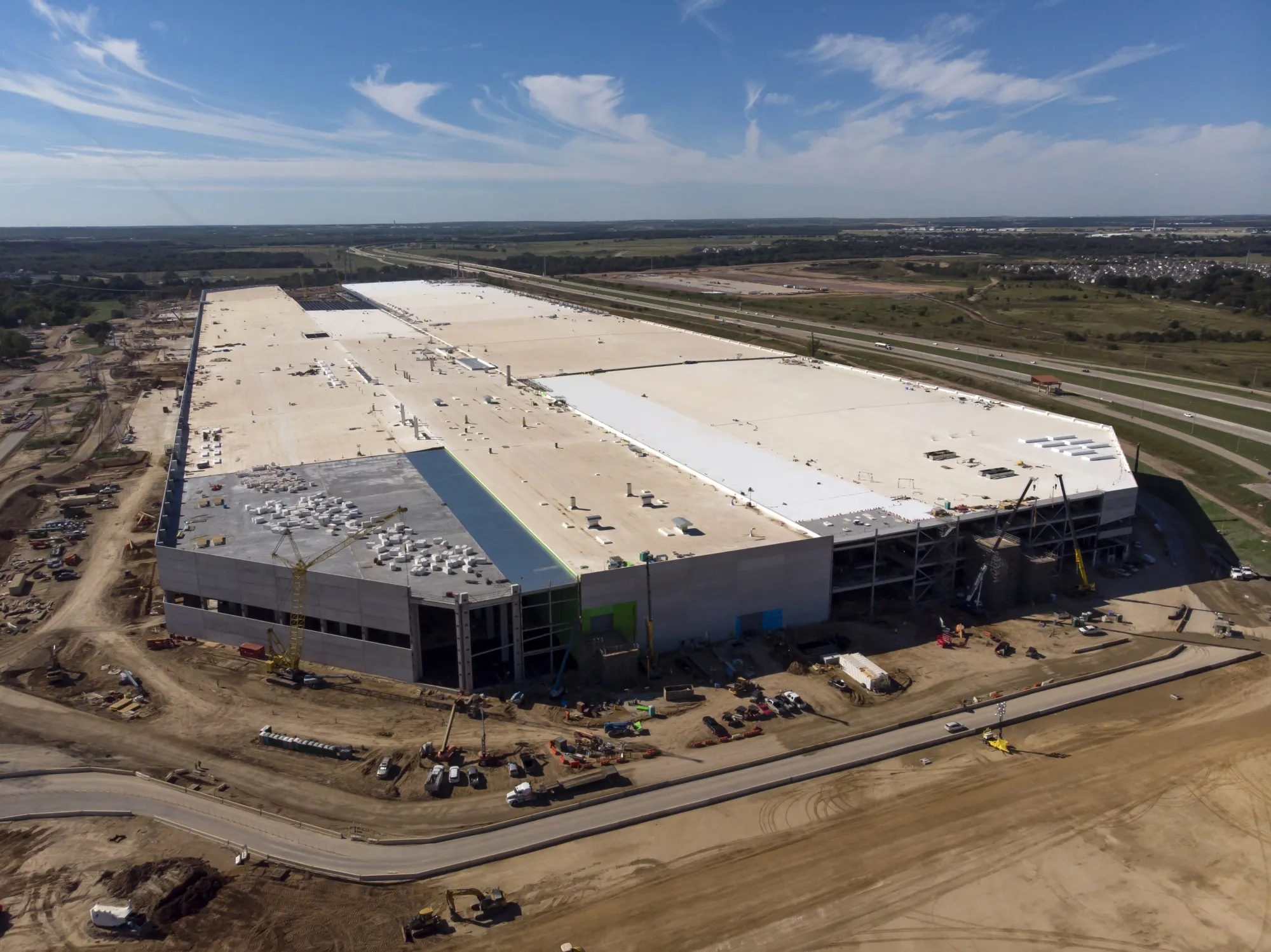
In December 2021, Elon Musk officially moved the headquarters to the site of the Gigafactory Texas. The move to Austin was a brand pivot toward “The Machine that Builds the Machine.” While California represented the laboratory, Texas represented the factory floor. By situating the corporate headquarters within the same massive complex where the Model Y and Cybertruck are produced, Tesla unified its corporate identity with its industrial reality. This move reinforced a brand image of efficiency, scale, and rugged American manufacturing.
A Statement of Independence
Beyond logistics, the move was a strategic brand statement regarding regulatory environments and corporate culture. The shift to Texas allowed Tesla to distance itself from the perceived bureaucratic hurdles of California, aligning the brand with a more “frontier” spirit. This rugged, independent identity resonates deeply with a specific segment of the Tesla fanbase and reinforces the idea that Tesla is a company that paves its own path, regardless of traditional corporate norms.
Why Location Defines the Tesla Brand Strategy
In the world of high-stakes corporate identity, location is never accidental. For Tesla, the physical space the executive team occupies is a tool used to communicate the company’s values to investors, employees, and consumers.
Bridging the Gap Between Tech and Industry
One of Tesla’s greatest brand challenges has been maintaining its status as a high-growth tech company while dealing with the grueling realities of mass-market manufacturing. By maintaining a massive presence in both California (the Engineering HQ) and Texas (the Corporate and Manufacturing HQ), the brand successfully straddles two worlds. It tells the consumer: “We have the brains of a software giant and the brawn of an industrial titan.” This dual-presence strategy prevents the brand from being pigeonholed as just another car company.
The “Gigafactory” as a Brand Landmark
The headquarters in Austin isn’t just an office building; it is a “Gigafactory.” This nomenclature is a vital part of the Tesla brand strategy. By making the factory the headquarters, Tesla turns its manufacturing process into a spectacle. The building itself is an advertisement for the brand’s commitment to vertical integration and sustainable energy. When people think of Tesla’s home, they don’t envision cubicles; they envision a miles-long, futuristic facility powered by solar panels and filled with proprietary robotics.

Talent Acquisition and Brand Culture
A brand is only as strong as the people who build it. Relocating to Austin allowed Tesla to tap into a different cultural zeitgeist. Austin’s brand—”Keep Austin Weird”—blends perfectly with Tesla’s disruptive nature. It offers a lower cost of living for employees compared to the Bay Area, allowing the company to attract a diverse range of talent while maintaining an image of being a “cool,” lifestyle-oriented workplace. This keeps the brand’s internal culture fresh and competitive.
The Dual-Headquarters Paradox: Engineering vs. Execution
While the official corporate headquarters is in Texas, the brand maintains a complex, bifurcated identity. In early 2023, Tesla announced the establishment of its “Global Engineering Headquarters” back in California, occupying the former Hewlett-Packard building in Palo Alto. This move was a masterstroke in brand management.
Maintaining the Innovation Edge
By branding the Palo Alto location as the “Engineering HQ,” Tesla ensured that its identity as an AI and robotics leader remained intact. California remains the world’s epicenter for software development and artificial intelligence. For Tesla’s brand to remain synonymous with “The Future,” it must keep its foot firmly planted in the soil where that future is being coded. This allows the brand to continue attracting top-tier AI researchers who may not want to relocate to the South.
The Symbiosis of Two Hubs
This dual-headquarters structure creates a symbiotic brand narrative. Texas is where the brand proves its viability through mass production, logistics, and physical hardware. California is where the brand dreams—developing Full Self-Driving (FSD), Optimus (the humanoid robot), and the Dojo supercomputer. Together, these two locations form a complete brand story: The Vision (California) and the Reality (Texas).
Operational Transparency
Unlike traditional brands that hide their corporate offices in anonymous skyscrapers, Tesla’s headquarters are integrated into their operations. Whether in the engineering labs of Palo Alto or the production lines of Austin, the brand emphasizes transparency and “hard work.” This “hardcore” culture, as Musk often describes it, is a key part of the Tesla brand identity, attracting employees and customers who value grit and tangible results over corporate polish.
Brand Implications of the Texas Move: A New American Icon
The long-term impact of Tesla’s move to Austin on its brand perception cannot be overstated. It has fundamentally altered how the company is viewed on the national and global stage.
From Coastal Elite to Middle America
For the first decade of its existence, Tesla was often viewed as a brand for the “coastal elites”—wealthy early adopters in California and New York. By moving the headquarters to the heart of Texas, the brand has effectively “democratized” its image. It has positioned itself as a truly American brand, appealing to the sensibilities of the heartland while maintaining its high-tech allure. This shift is crucial as Tesla moves from selling $100,000 luxury vehicles to $40,000 mass-market cars.
The Influence of the “Technoking” Persona
The brand identity of Tesla is inextricably linked to the personal brand of its CEO, Elon Musk. His personal relocation to Texas and the subsequent move of the corporate headquarters mirrored his own brand evolution. This alignment creates a cohesive narrative of a company that is agile, unburdened by tradition, and willing to uproot everything in pursuit of its mission. The “Technoking” requires a kingdom that reflects his ambitions, and the sprawling, futuristic Gigafactory Texas serves that purpose perfectly.
Sustainability and the “Master Plan”
Ultimately, where Tesla is headquartered serves the broader “Master Plan” of the brand: accelerating the world’s transition to sustainable energy. The Austin headquarters is designed to be one of the most sustainable buildings in the world. By basing its corporate identity in a facility that produces batteries and vehicles at an unprecedented scale, the brand reinforces its commitment to impact over optics. The headquarters itself is a proof of concept for a sustainable industrial future.
In conclusion, when we ask “where is Tesla headquarters,” the answer—Austin, Texas—reveals a brand in the midst of a powerful transformation. It is a brand that has moved beyond the “startup” phase and into an era of global dominance. By balancing its engineering roots in California with its manufacturing future in Texas, Tesla has crafted a corporate identity that is as multifaceted and ambitious as the products it creates. The move to Texas wasn’t just about taxes or space; it was the birth of a new chapter in the Tesla brand story.
aViewFromTheCave is a participant in the Amazon Services LLC Associates Program, an affiliate advertising program designed to provide a means for sites to earn advertising fees by advertising and linking to Amazon.com. Amazon, the Amazon logo, AmazonSupply, and the AmazonSupply logo are trademarks of Amazon.com, Inc. or its affiliates. As an Amazon Associate we earn affiliate commissions from qualifying purchases.