
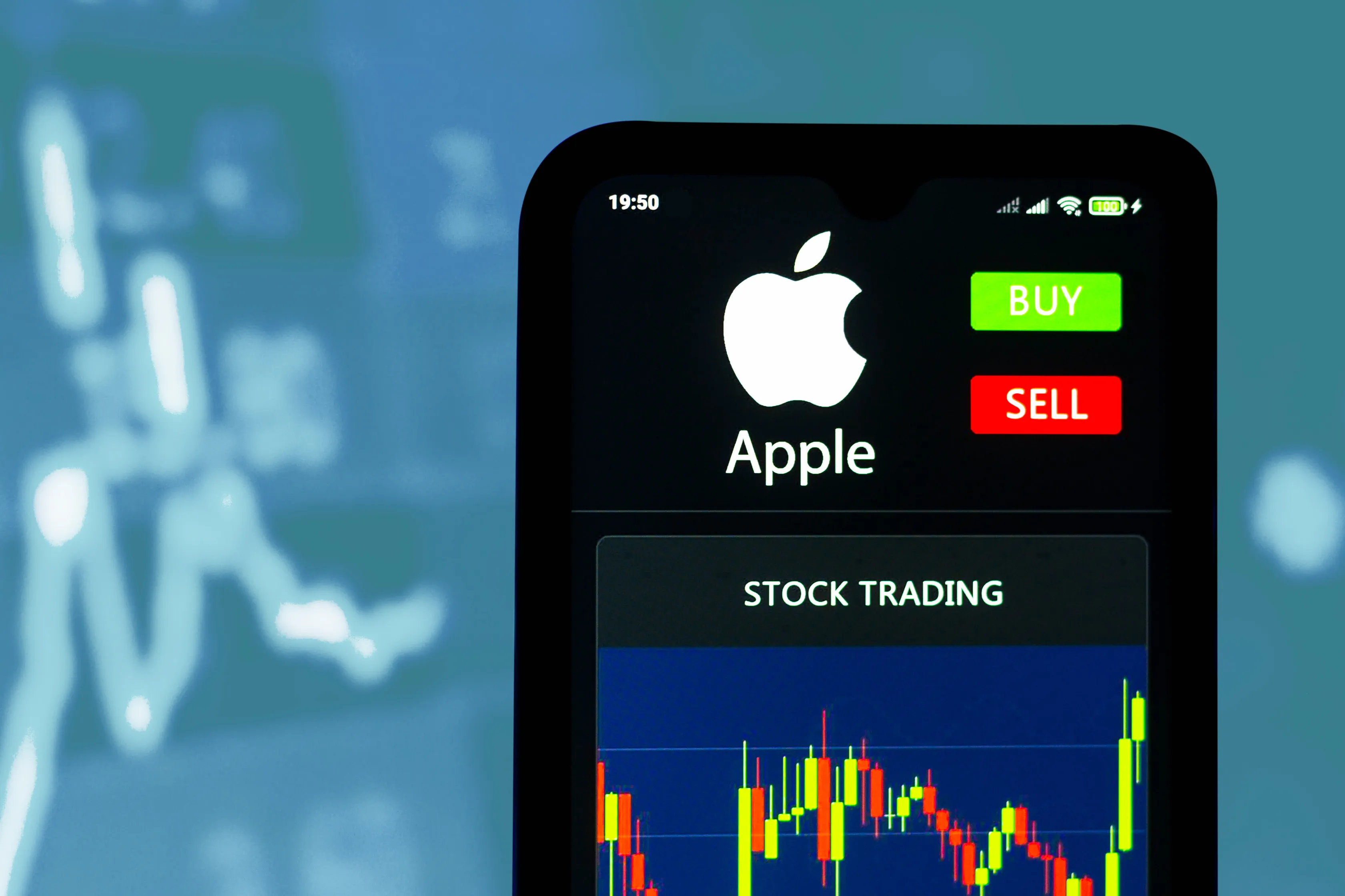
Apple Inc. (AAPL) is more than just a household name; it is a cornerstone of the modern global economy. From its humble beginnings in a garage to becoming the first company to reach a $3 trillion market capitalization, Apple has transformed from a computer manufacturer into a diversified ecosystem of hardware, software, and services. For many individual investors, owning a piece of the “Big Apple” is a primary goal in building a robust personal finance portfolio.
However, investing in a high-profile equity requires more than just brand loyalty. It necessitates a strategic approach to the stock market, an understanding of brokerage mechanics, and a clear-eyed view of your own financial objectives. This guide provides a detailed roadmap for navigating the process of buying Apple shares, ensuring that your entry into the market is both informed and professional.
1. Preparing Your Financial Foundation
Before clicking the “buy” button on any trading platform, it is essential to evaluate your financial readiness. Investing in individual stocks involves a higher degree of risk than diversified index funds or savings accounts. Therefore, preparation is the first step in the journey of a disciplined investor.
Assessing Your Investment Goals and Risk Tolerance
Why are you buying Apple shares? Are you looking for long-term capital appreciation, or are you interested in the quarterly dividends the company pays? Apple is often categorized as a “Blue Chip” stock, meaning it is considered a high-quality, reliable investment. However, like any equity, its price can be volatile. You must determine how much of your portfolio you are willing to allocate to a single company. Financial advisors often suggest that no single stock should make up more than 5% to 10% of your total investment portfolio to mitigate the risks of over-concentration.
Establishing an Emergency Fund
Investing should never come at the expense of your immediate financial security. Before putting money into the stock market, ensure you have an emergency fund—typically three to six months of living expenses—stored in a liquid, high-yield savings account. This ensures that if the market takes a temporary downturn, you are not forced to sell your Apple shares at a loss to cover unexpected costs.
Understanding Fractional Shares
Historically, the price of one Apple share could be a significant barrier to entry for many. However, through several stock splits and the rise of modern fintech, many brokerages now offer “fractional shares.” This means you can invest a specific dollar amount—say $10 or $100—rather than being required to buy one full share. This has democratized access to AAPL, allowing investors to start small and build their positions over time.
2. Selecting the Right Brokerage Platform
To buy Apple shares, you need a brokerage account. This acts as the intermediary between you and the Nasdaq Stock Market, where Apple is listed. With the proliferation of trading apps, choosing the right platform depends on your level of experience and your specific needs.
Comparing Full-Service vs. Discount Brokers
Modern investors generally choose between discount brokers and full-service brokers. Discount brokers, such as Robinhood, E*TRADE, or Charles Schwab, offer low or zero-commission trading and user-friendly mobile interfaces. They are ideal for self-directed investors. Full-service brokers, on the other hand, provide personalized investment advice and wealth management services but usually charge higher fees or a percentage of assets under management. For most individuals looking specifically to buy Apple shares, a reputable discount broker is the most cost-effective choice.
Evaluating Platform Features and Security
When selecting a broker, consider the following technical and financial aspects:
- Fees and Commissions: Most major U.S. brokers now offer $0 commissions for online stock trades.
- User Interface: Is the app or website intuitive? Do they offer real-time data?
- Educational Resources: Does the platform provide research reports, earnings histories, and analyst ratings for Apple?
- Security: Ensure the broker is a member of the Securities Investor Protection Corporation (SIPC), which protects customers if the brokerage firm fails.
Opening and Funding Your Account
Once you have selected a platform, the registration process typically involves providing your Social Security number, employment information, and bank details. After your identity is verified, you must transfer funds from your bank account to your brokerage account. Note that while some brokers allow “instant deposits” for immediate trading, it may take 3–5 business days for a standard ACH transfer to clear.

3. Executing the Trade: Step-by-Step
With a funded account, you are ready to make your purchase. Buying a stock is a straightforward process, but understanding the terminology is vital to ensure you get the price you want.
Locating the Ticker Symbol
Every publicly traded company has a unique identifier. For Apple, this is “AAPL.” When you log into your brokerage app, use the search function to find AAPL. You will see the current “Bid” (the highest price a buyer is willing to pay) and the “Ask” (the lowest price a seller is willing to accept).
Choosing Your Order Type
This is one of the most critical parts of the process. You have several options for how your order is executed:
- Market Order: This tells the broker to buy the stock immediately at the best available current price. While this guarantees the trade will happen fast, the price might be slightly higher than the last one you saw on your screen.
- Limit Order: This allows you to set a maximum price you are willing to pay. For example, if AAPL is trading at $180, you might set a limit order for $178. The trade will only execute if the price hits $178 or lower. This gives you more control over your entry price but risks the trade not being filled if the price moves up.
- Stop-Loss Order: Often used after you own the stock, this automatically sells your shares if the price drops to a certain level, protecting you from significant losses.
Reviewing and Confirming the Transaction
Before finalizing the trade, the broker will provide a summary screen. Double-check the number of shares (or the dollar amount for fractional shares) and the order type. Once you click “Confirm” or “Place Order,” the broker executes the trade. You will receive a confirmation notice, and Apple will officially be a part of your investment portfolio.
4. Post-Purchase: Managing Your Investment
The journey does not end once the shares are in your account. Active management—or at least informed passive management—is necessary to ensure the investment continues to serve your financial goals.
Monitoring Quarterly Earnings and News
Apple is a “reporting company,” meaning it releases financial results every three months. These earnings calls provide insight into iPhone sales, service revenue growth (like iCloud and Apple Music), and future guidance. As a shareholder, staying informed about these reports helps you understand if the company’s “moat” or competitive advantage remains intact. You should also watch for regulatory news, such as antitrust lawsuits or changes in international trade policy, which can impact the stock price.
Dividend Reinvestment Plans (DRIPs)
Apple currently pays a quarterly dividend to its shareholders. While the yield may be lower than some “income stocks,” it represents a steady return of capital. Many brokerages offer a Dividend Reinvestment Plan (DRIP), which automatically uses your cash dividends to buy more shares of Apple. Over years or decades, this “compounding” effect can significantly increase the size of your position without you having to add more of your own capital.
Tax Implications of Stock Ownership
It is important to remember that the government is a silent partner in your investments. If you hold Apple shares in a standard taxable brokerage account, you will owe taxes on any dividends received. Furthermore, if you sell your shares for a profit, you will be subject to capital gains tax. If you hold the shares for more than a year, you qualify for the lower long-term capital gains rate. If you buy and sell within a year, the profit is taxed as ordinary income. For tax-advantaged growth, many investors choose to buy Apple shares within an Individual Retirement Account (IRA) or a 401(k).
5. Analyzing Risks and Long-Term Outlook
No investment is a “sure thing.” Even a titan like Apple faces challenges that investors must weigh against the potential for growth.
Market Volatility and Sector Risks
Apple belongs to the technology sector, which can be more sensitive to interest rate changes than other industries. When interest rates rise, the present value of future earnings for growth stocks often decreases, leading to price volatility. Additionally, because Apple has such a large weighting in major indices like the S&P 500, its price movements are often tied to the broader market sentiment.
Innovation and Competition
Apple’s success is built on its ability to innovate. The transition from the iPhone to new frontiers like spatial computing (Vision Pro) and Artificial Intelligence (Apple Intelligence) is critical. Investors must ask: Is Apple still innovating, or is it merely iterating? Competition from rivals in the smartphone, wearable, and cloud sectors is fierce. A decline in brand loyalty or a failure to capture the next major tech trend could impact the long-term value of your shares.

Conclusion
Buying Apple shares is a vote of confidence in the company’s business model, leadership, and future potential. By following a structured approach—preparing your finances, selecting a reliable broker, understanding order types, and managing your holdings with a long-term perspective—you can transition from being a consumer of Apple products to being a part-owner of the company. In the world of personal finance, consistency and education are the keys to success; with Apple in your portfolio, you are holding one of the most significant wealth-creation engines in history.
aViewFromTheCave is a participant in the Amazon Services LLC Associates Program, an affiliate advertising program designed to provide a means for sites to earn advertising fees by advertising and linking to Amazon.com. Amazon, the Amazon logo, AmazonSupply, and the AmazonSupply logo are trademarks of Amazon.com, Inc. or its affiliates. As an Amazon Associate we earn affiliate commissions from qualifying purchases.