
In an increasingly digital and financially savvy world, the options for managing personal funds are more diverse than ever. Among these, prepaid credit cards have emerged as a remarkably versatile and accessible tool, offering a blend of convenience, control, and security without the complexities associated with traditional credit lines. For individuals seeking a straightforward way to manage budgets, make secure online purchases, or provide financial tools to those without traditional banking access, understanding where to acquire these cards is the first crucial step. This guide will navigate the landscape of prepaid card acquisition, shedding light on the various avenues available and the considerations necessary to make an informed choice that aligns with your financial goals.
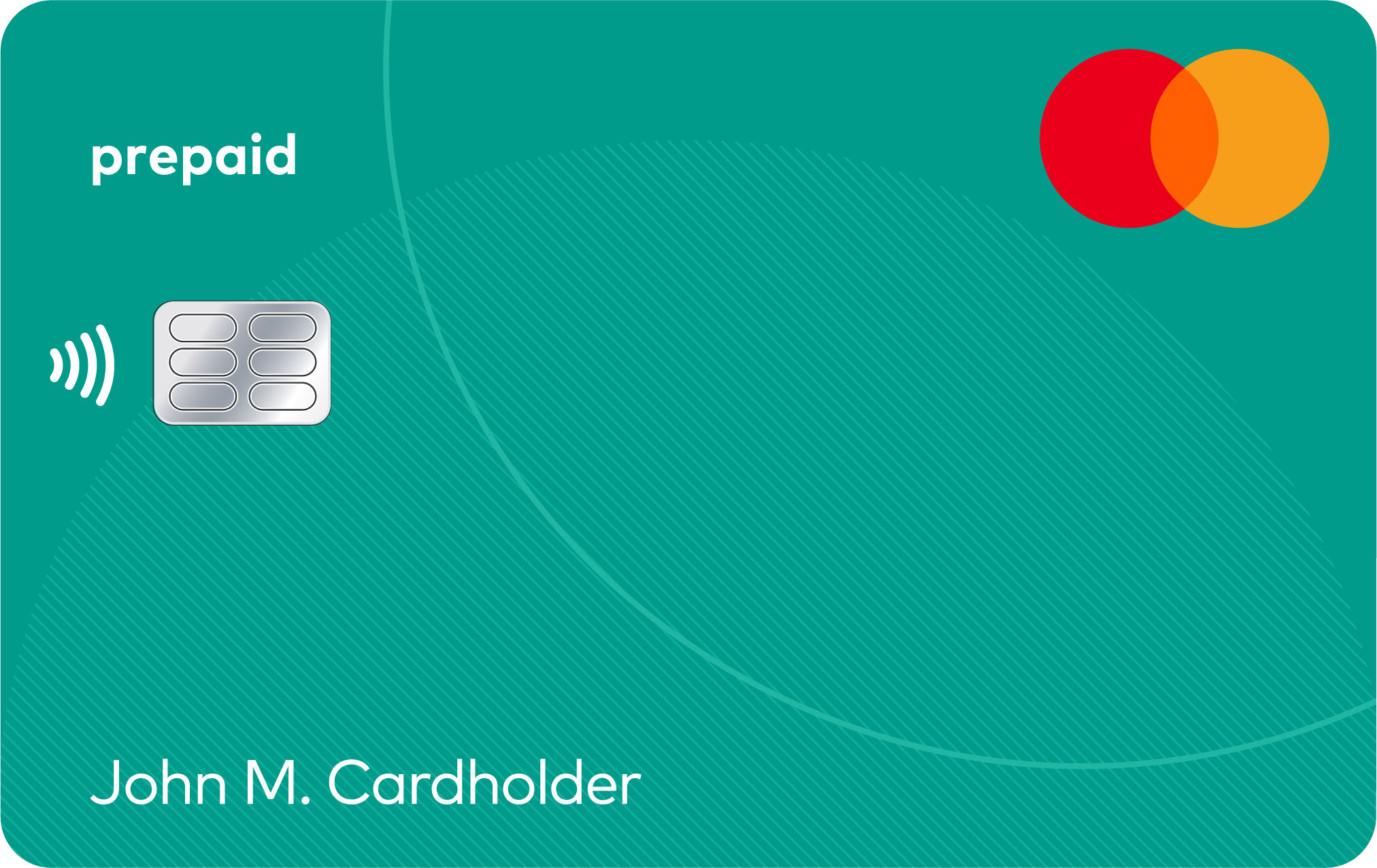
Understanding Prepaid Credit Cards: Your Financial Companion
Before diving into the “where,” it’s essential to grasp the “what” and “why” behind prepaid cards. Often mistaken for their credit-bearing counterparts, prepaid cards operate on a fundamentally different principle, offering a distinct set of advantages for financial management.
What Exactly is a Prepaid Card?
Unlike a conventional credit card, which allows you to borrow money up to a certain limit, a prepaid card is a type of debit card that you load with your own funds in advance. It functions much like a gift card, but with broader applicability and reloadable features. When you make a purchase, the amount is deducted directly from the loaded balance. There’s no credit line involved, meaning no debt accumulation, no interest charges, and typically no credit check required for activation. This makes them an excellent option for individuals who prefer not to use credit, those working to rebuild their credit history (though prepaid cards don’t directly impact credit scores, they can help manage spending that allows for on-time bill payments elsewhere), or the millions of unbanked or underbanked individuals globally.
Key Benefits and Use Cases
The appeal of prepaid cards stems from their inherent simplicity and the financial control they afford.
- Budget Management: By only spending the amount loaded onto the card, users can effectively stick to a budget for specific categories like groceries, entertainment, or daily expenses, preventing overspending.
- Online Shopping Security: Using a prepaid card for online purchases can add an extra layer of security. If the card details are compromised, the potential loss is limited to the balance on the card, rather than exposing a primary bank account or credit line.
- Travel Money Management: Prepaid travel cards allow users to lock in exchange rates and avoid carrying large amounts of cash, offering a safer and often more cost-effective way to manage funds abroad.
- Financial Inclusion: For individuals without traditional bank accounts or those struggling to obtain credit, prepaid cards offer a vital link to the digital economy, enabling online transactions, bill payments, and secure purchases.
- Allowance and Gifting: They are excellent tools for giving allowances to children or gifting money, teaching financial responsibility in a controlled environment.
- Payroll Solutions: Some employers use prepaid cards for payroll, especially for temporary workers or those without traditional bank accounts for direct deposit.
Navigating the Purchase Landscape: Where to Acquire Your Card
The widespread adoption and utility of prepaid cards mean they are available through a variety of channels, catering to different preferences and needs. From brick-and-mortar stores to digital platforms, finding a prepaid card is a relatively straightforward process.
Retail Stores and Supermarkets
One of the most common and convenient places to purchase a prepaid card is at major retail outlets and supermarkets. Chains like Walmart, Target, CVS, Walgreens, Rite Aid, Kroger, and countless other grocery stores often have dedicated sections for gift cards and prepaid debit cards.
- Process: Typically, you select the desired card from a display rack, take it to the checkout counter, and load it with the initial amount you wish to put on the card (plus any activation fee). The card is then activated upon purchase or requires a simple online or phone activation step before first use.
- Advantages: This method offers immediate access to the card, making it ideal for urgent needs. The selection might include popular brands like Green Dot, Vanilla Visa/Mastercard, Netspend, and others.
- Considerations: While convenient, the selection might be limited compared to online options, and some cards purchased this way might have higher fees or fewer features until fully registered online.
Online Providers and Issuers
For a broader selection, competitive fees, and enhanced features, purchasing directly from online providers or the card issuers themselves is often the best route.
- Direct from Card Networks: Major payment networks like Visa and MasterCard license various companies to issue prepaid cards. You can often find options directly through websites affiliated with these networks or dedicated prepaid card brands.
- Specialized Prepaid Card Websites: Companies like Netspend, Green Dot, Chime (though Chime offers full banking services with a debit card, it functions similarly to a prepaid model in terms of spending your loaded funds), PayPal Prepaid Mastercard, and others specialize in offering prepaid debit solutions.
- Advantages: Online platforms typically offer a wider range of cards with varying fee structures, reload options, and additional features such as mobile apps, online account management, and sometimes even optional savings accounts or budgeting tools. Applications are usually quick, though you might need to wait for the card to be mailed to you.
- Considerations: Identity verification (KYC – Know Your Customer) is usually required for full card registration and access to all features, which involves providing personal information like your name, address, and Social Security Number.
Financial Institutions and Banks
While not their primary focus, some traditional banks and credit unions offer their own branded prepaid debit cards, especially as an alternative for customers who do not qualify for or desire a traditional checking account.
- Integration with Banking Services: If you already have an account with a particular bank, acquiring their prepaid card might offer seamless integration with your existing banking profile, making it easier to transfer funds or manage balances.
- Process: You would typically apply for these cards either in person at a branch or through the bank’s online portal.
- Advantages: Often backed by the bank’s established customer service and security protocols, these cards can sometimes have lower fees for existing customers.
- Considerations: The options might be limited to the bank’s specific offerings, and you may need to be an existing customer to qualify for certain benefits.
Post Offices and Convenience Stores
Beyond the larger retailers, some post offices (like the U.S. Postal Service’s offerings or similar services internationally) and smaller convenience stores may also carry a selection of prepaid cards.
- Accessibility: These locations can be particularly useful in rural areas or for those who prefer to make purchases locally.
- Selection: The range of cards available in these smaller outlets is generally more limited compared to larger stores or online platforms.
- Process: Similar to retail stores, you select the card, pay at the counter, and then complete any necessary online or phone activation.
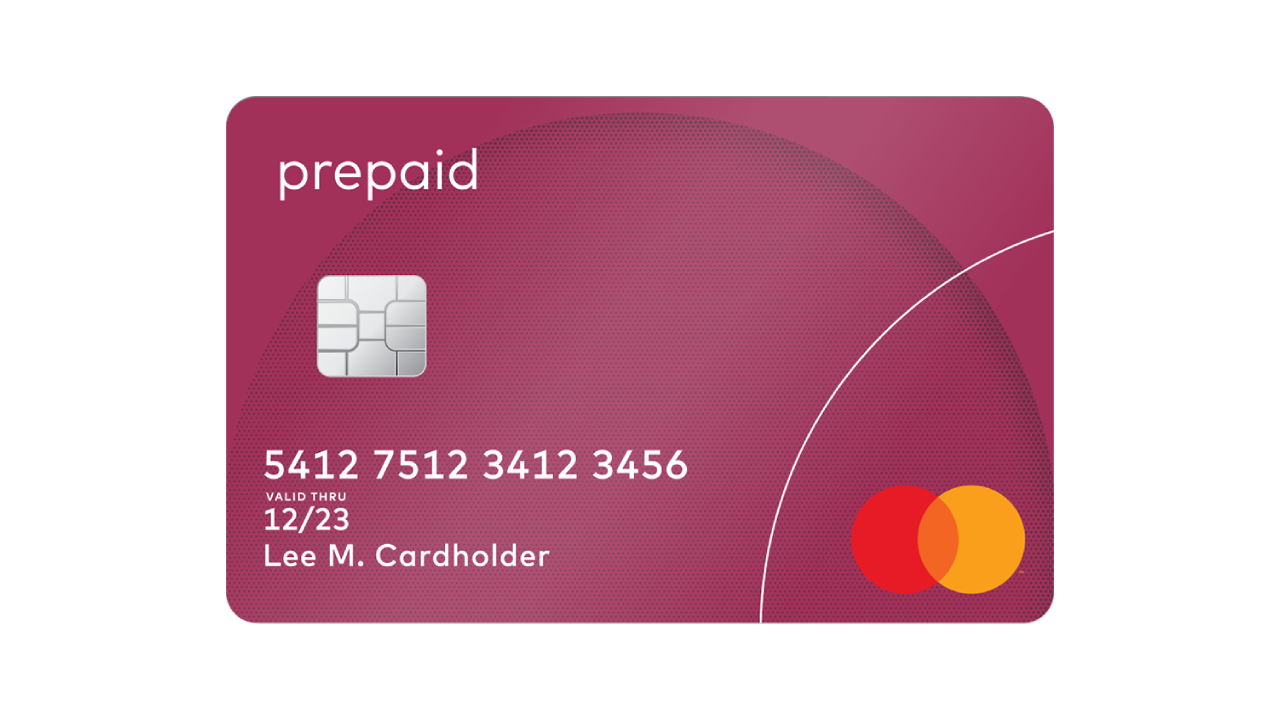
Choosing Wisely: Key Considerations Before You Buy
While accessibility is a major advantage of prepaid cards, not all cards are created equal. Making an informed decision requires careful consideration of fees, features, and how the card aligns with your spending habits and financial needs.
Understanding Fees and Charges
Fees are arguably the most critical aspect to scrutinize when choosing a prepaid card. They can significantly impact the overall cost-effectiveness of the card.
- Activation Fees: A one-time fee charged when you purchase the card.
- Monthly Maintenance Fees: A recurring fee (usually waived if you meet certain criteria, like direct deposit minimums).
- Transaction Fees: Charges for specific actions, such as ATM withdrawals (both from your card issuer and the ATM owner), balance inquiries, or foreign transaction fees.
- Reload Fees: Fees incurred when adding money to your card, especially if using cash reload networks. Direct deposits are often free.
- Inactivity Fees: Charged if the card is not used for a certain period.
- Customer Service Fees: Some cards charge for calling customer service or requesting paper statements.
It is imperative to read the cardholder agreement thoroughly to understand all potential charges.
Reload Options and Convenience
The ease and cost of reloading funds are crucial for the long-term utility of a prepaid card.
- Direct Deposit: Many prepaid cards allow you to set up direct deposit for your paycheck or government benefits, often free of charge. This is usually the most convenient and cost-effective reload method.
- Cash Reload Networks: Services like Green Dot MoneyPak, VanillaDirect Load, or Western Union allow you to add cash to your card at participating retail locations, though these often come with a reload fee.
- Bank Transfers: Some cards allow you to transfer funds from an external bank account, which can be convenient but may take a few business days to process.
- Mobile Check Deposit: A growing number of prepaid cards offer the ability to deposit checks using a mobile app.
Features and Benefits
Beyond basic spending, some prepaid cards offer additional features that can enhance their value.
- FDIC Insurance: Ensure your funds are protected by FDIC insurance (for U.S. issued cards) up to the legal limit, which typically requires full registration of the card.
- Online Account Management and Mobile Apps: These provide easy access to your balance, transaction history, and tools for budgeting or setting up alerts.
- Fraud Protection: Similar to debit and credit cards, many prepaid cards offer some level of fraud protection for unauthorized transactions once registered.
- Rewards Programs: While less common than with credit cards, some premium prepaid cards might offer cashback or loyalty points on purchases.
- Bill Pay: The ability to pay bills directly from your card account.
Identity Verification (KYC)
For fully functional and protected prepaid cards, identity verification is a standard requirement. While you might be able to purchase a temporary, unregistered card at a retail store for immediate use, these often have spending limits and lack fraud protection. To fully register your card and access all features, you will typically need to provide your full name, address, date of birth, and Social Security Number. This process is mandated by federal regulations to prevent money laundering and fraud.
Maximizing Your Prepaid Card Experience
Once you’ve acquired your prepaid card, a few best practices can help you get the most out of it and ensure your financial security.
Smart Usage Tips
- Monitor Your Balance Regularly: Always know how much money is on your card to avoid declined transactions or overspending. Use the mobile app or online portal for easy tracking.
- Budget with Purpose: Assign your prepaid card to specific budget categories, like dining out or online subscriptions, to maintain strict control over those expenditures.
- Register Your Card Fully: This step is crucial for accessing all features, FDIC insurance, and better fraud protection.
- Set Up Direct Deposit: If possible, link your paycheck or benefits for free and convenient reloads.
Security Best Practices
- Treat It Like Cash: If your card is lost or stolen and unregistered, the funds are often irrecoverable. Once registered, report any loss or theft immediately to the issuer.
- Protect Your PIN: Never share your Personal Identification Number with anyone and avoid writing it down.
- Be Wary of Scams: Prepaid cards are often favored by scammers because funds can be difficult to trace. Be cautious of requests to pay for services or prizes using prepaid cards.
The Evolving Landscape of Prepaid Cards
The role of prepaid cards continues to evolve alongside broader financial technology trends. They are increasingly integrated with digital wallets like Apple Pay and Google Pay, enhancing convenience and security. The rise of challenger banks and fintech companies offering hybrid banking solutions often mirrors the functionality of advanced prepaid cards, emphasizing budgeting tools, no overdraft fees, and easy mobile management. As financial inclusion remains a global priority, prepaid cards will likely continue to be a vital instrument for individuals seeking simple, controlled, and accessible financial tools in a cashless society.
In conclusion, prepaid credit cards offer a powerful solution for managing finances with precision and security. By understanding where to purchase them, what factors to consider before committing, and how to use them effectively, consumers can leverage these versatile tools to achieve greater financial control and peace of mind.
aViewFromTheCave is a participant in the Amazon Services LLC Associates Program, an affiliate advertising program designed to provide a means for sites to earn advertising fees by advertising and linking to Amazon.com. Amazon, the Amazon logo, AmazonSupply, and the AmazonSupply logo are trademarks of Amazon.com, Inc. or its affiliates. As an Amazon Associate we earn affiliate commissions from qualifying purchases.