
In an increasingly cashless world, managing personal finances effectively is paramount. While traditional credit cards offer convenience and build credit, they also come with the risk of debt and stringent eligibility requirements. For many, a prepaid credit card emerges as a powerful, accessible, and budget-friendly alternative. These cards offer the functionality of a credit card without the associated debt, making them an excellent tool for budgeting, secure online shopping, managing allowances, or providing a financial lifeline for those without traditional bank accounts or strong credit histories. This guide will demystify prepaid cards, walking you through their benefits, the process of obtaining one, and how to use them to your financial advantage.
Understanding Prepaid Cards: What They Are and How They Differ
Before diving into the acquisition process, it’s crucial to grasp what a prepaid card truly is and how it distinguishes itself from other common financial instruments. This understanding forms the foundation for making an informed choice.
What is a Prepaid Card?
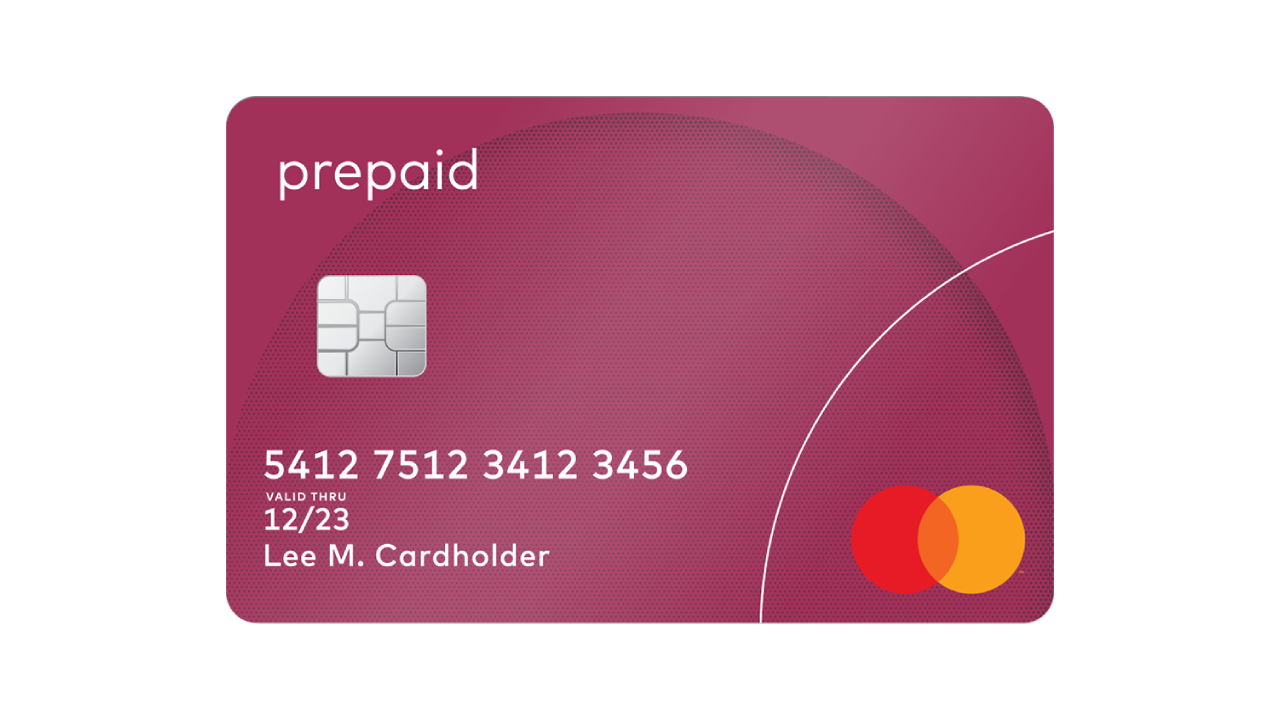
At its core, a prepaid card is a reloadable debit card that is not linked to a bank account. Instead, you load money onto the card in advance, and you can only spend the amount that is available on the card. It typically carries the logo of a major payment network, such as Visa, MasterCard, American Express, or Discover, allowing it to be used wherever those cards are accepted – at brick-and-mortar stores, online retailers, and even ATMs for cash withdrawals (though fees may apply). Think of it as a digital wallet that you fill up yourself, giving you complete control over your spending.
Key Distinctions from Traditional Credit Cards
The primary difference between a prepaid card and a traditional credit card lies in the concept of debt. A credit card allows you to borrow money up to a certain limit, which you then repay, often with interest. Prepaid cards, conversely, do not involve borrowing. You spend your own money that you’ve pre-loaded onto the card. This means:
- No Credit Check: Issuers do not need to assess your creditworthiness because they are not lending you money. This makes prepaid cards accessible to almost anyone, regardless of their credit history.
- No Debt Accumulation: It’s impossible to go into debt with a prepaid card, as you cannot spend more than the loaded balance. This eliminates interest charges and late fees associated with revolving credit.
- No Credit Building: While incredibly useful for spending, prepaid cards generally do not report activity to credit bureaus, meaning they won’t directly help you build or improve your credit score.
Distinctions from Debit Cards
While prepaid cards often function similarly to debit cards in terms of spending your own money, there are important distinctions:
- Bank Account Linkage: Debit cards are directly linked to your checking account. When you use a debit card, funds are immediately drawn from your bank account. Prepaid cards are separate from your bank account; they operate independently.
- Overdraft Protection: Most debit cards offer overdraft protection (often for a fee), allowing you to spend more than you have in your account. Prepaid cards simply decline transactions if you don’t have sufficient funds, preventing overdrafts altogether.
- Funding Source: While you can load a prepaid card using funds from a bank account, it doesn’t require one. Many prepaid cards can be loaded with cash, direct deposit, or other methods, making them ideal for the unbanked.
Why Choose a Prepaid Card? Ideal Use Cases and Benefits
Prepaid cards offer a versatile solution for a range of financial needs, providing benefits that traditional banking products sometimes cannot. Their utility extends across various demographics and scenarios.
Budgeting and Expense Control
One of the most compelling reasons to opt for a prepaid card is its inherent ability to enforce strict budgeting. By loading only a predetermined amount for specific expenses (e.g., groceries, entertainment, travel), you create a natural spending limit. Once the funds are depleted, you simply cannot spend more until you reload. This “envelope system” in digital form is incredibly effective for:
- Avoiding Overspending: It acts as a hard stop against impulse purchases or exceeding allocated budgets.
- Tracking Categories: You can use multiple prepaid cards for different budget categories, making it easier to see where your money is going.
- Managing Variable Income: For those with irregular income, a prepaid card allows you to allocate funds as they come in, ensuring essential expenses are covered without dipping into savings.
Accessibility for the Unbanked or Credit-Challenged
Prepaid cards serve as a vital financial tool for individuals who may struggle to access traditional banking services or credit products.
- No Bank Account Needed: Many prepaid cards do not require you to have a checking or savings account. This is invaluable for the millions of unbanked individuals who need a secure way to manage money and make electronic payments.
- No Credit History Requirement: As there’s no credit check involved, individuals with poor credit, no credit history, or those recovering from bankruptcy can easily obtain a prepaid card, giving them access to the digital economy.
- Direct Deposit: Many employers and government agencies can direct deposit funds directly onto a prepaid card, offering a safe and convenient alternative to cashing checks.
Online Shopping and Travel Security
Using a prepaid card can significantly enhance your financial security, particularly when making online purchases or traveling internationally.
- Limited Exposure: If your prepaid card details are compromised, thieves can only access the funds loaded onto that specific card, not your entire bank account or credit line. This limits your financial liability in the event of fraud.
- Safer Online Transactions: Instead of using your primary debit or credit card for online purchases, a prepaid card acts as a buffer, protecting your main financial accounts from potential breaches.
- Travel Companion: When traveling, a prepaid card allows you to budget your spending in advance and can be a safer alternative to carrying large amounts of cash. If lost or stolen, you can typically freeze the card and recover the remaining balance.
Teaching Financial Literacy
Prepaid cards are an excellent educational tool for young adults and teenagers learning to manage money.
- Controlled Spending: Parents can load an allowance onto a prepaid card, teaching children how to budget and make spending decisions within a fixed limit, without the risk of accumulating debt.
- Real-World Experience: It provides practical experience with electronic payments, online shopping, and ATM usage in a controlled environment.
- Safety Net: Unlike cash, a prepaid card can be replaced if lost or stolen, and parents can monitor transactions for added peace of mind.
The Process: Step-by-Step Guide to Getting a Prepaid Card
Acquiring a prepaid card is generally a straightforward process, far less involved than applying for a traditional credit card. However, a few key steps will ensure you choose the right card and activate it successfully.
Researching and Comparing Providers
The first step is to research the vast array of prepaid card options available. Numerous financial institutions and specialized providers offer these cards, each with different fee structures, features, and benefits.
- Major Banks: Some traditional banks offer prepaid card options.
- Online Providers: Many FinTech companies specialize in prepaid cards and digital banking solutions.
- Retailers: Certain retail chains offer their own branded prepaid cards, often found directly in stores.
When comparing, pay close attention to:
- Network: Ensure it’s a major network (Visa, MasterCard, Amex, Discover) for widespread acceptance.
- Fee Structure: This is paramount (covered in detail below).
- Reload Options: How convenient is it to add funds?
- Features: Does it offer online bill pay, budgeting tools, or rewards?
Application Requirements and Documentation
While prepaid cards don’t require a credit check, providers are still required by federal law (the PATRIOT Act) to verify your identity to prevent money laundering and fraud. The requirements are typically minimal:
- Identification: A valid government-issued photo ID (driver’s license, state ID, passport).
- Proof of Address: A utility bill or another document showing your current address.
- Social Security Number (SSN) or ITIN: Most providers will require this for identity verification.
The application process can usually be completed online in a few minutes or purchased off-the-shelf at a retail location, followed by online registration.
Loading Funds onto Your Card
Once you have your card, the next crucial step is to load funds onto it. Prepaid cards are useless without a balance! Common loading methods include:
- Direct Deposit: Many cards allow you to set up direct deposit of your paycheck or government benefits directly onto the card. This is often the most convenient and cost-effective method.
- Cash Reload Networks: Services like GreenDot, VanillaDirect, or Reload @ the Register allow you to add cash to your card at thousands of participating retail locations (e.g., Walmart, CVS, Walgreens). Fees usually apply for cash reloads.
- Bank Transfer: You can transfer money from an existing bank account to your prepaid card, typically through an online portal or mobile app.
- Online Payment Processors: Some cards allow you to link to services like PayPal to transfer funds.
- Check Deposit: Some advanced prepaid cards offer mobile check deposit features through their app.
Activating and Using Your Card
After loading funds, you’ll need to activate your card. This is usually done online via the provider’s website or by calling a toll-free number. You’ll typically be asked to create a PIN (Personal Identification Number) for ATM withdrawals and in-store purchases. Once activated:
- Online Shopping: Use the card number, expiration date, and security code (CVV) just like a credit card.
- In-Store Purchases: Swipe or insert the card, and either sign or enter your PIN.
- ATM Withdrawals: Use your PIN to withdraw cash (beware of ATM fees from both your card provider and the ATM owner).
- Bill Payments: Many prepaid cards offer online bill pay services, allowing you to pay utilities, rent, or other bills directly from your card balance.
Navigating Fees and Managing Your Prepaid Card Effectively
While prepaid cards offer numerous advantages, they are not entirely free. Understanding and actively managing the associated fees is key to maximizing their value and avoiding unnecessary costs.
Common Fees to Look Out For
Prepaid card fees can vary significantly between providers. Being aware of the most common charges will help you choose wisely and manage your budget.
- Activation Fee: A one-time fee charged when you first purchase or activate the card.
- Monthly Maintenance Fee: A recurring fee (usually waived if you meet certain criteria, like direct deposit).
- Reload Fee: A fee charged each time you add money to your card, especially for cash reloads at retail locations. Direct deposit is often free.
- ATM Withdrawal Fee: Fees for taking cash out at an ATM. This can be a combination of a fee from your card provider and a surcharge from the ATM owner.
- Balance Inquiry Fee: Some cards charge a fee to check your balance at an ATM.
- Foreign Transaction Fee: A percentage charged on purchases made in a foreign currency or outside your home country.
- Inactivity Fee: Charged if you don’t use your card for a certain period (e.g., 90 days).
- Customer Service Fee: Some providers charge for speaking to a live agent.
Strategies for Minimizing Fees
With a bit of foresight, you can significantly reduce or even eliminate many prepaid card fees.
- Choose a Card with No (or Low) Monthly Fee: Many cards waive the monthly fee if you set up direct deposit, meet a minimum spend, or maintain a certain balance.
- Utilize Free Reload Options: Prioritize direct deposit for paychecks or benefits, as this is almost always free. If cash reloads are necessary, compare the fees across different networks or consider buying specific “no-fee” reload packs.
- Avoid ATM Withdrawals: Plan ahead to use your card for purchases instead of cash, or withdraw larger amounts less frequently to minimize per-transaction ATM fees. Look for cards that are part of a surcharge-free ATM network.
- Monitor Inactivity Rules: Use your card periodically to avoid inactivity fees, even if it’s just a small online purchase.
- Use Online Portals: Access your balance and transaction history online or via the mobile app to avoid balance inquiry fees.
- Read the Fine Print: Always review the cardholder agreement thoroughly before committing to a card to understand all potential fees.
Monitoring Your Balance and Transactions
Effective management of your prepaid card hinges on regularly monitoring its balance and transaction history.
- Online Account Portal: Most providers offer a secure online portal where you can view your balance, transaction history, manage direct deposits, and even pay bills.
- Mobile App: Many cards come with a dedicated mobile app for on-the-go access to your account information.
- SMS/Email Alerts: Set up notifications to receive alerts when your balance is low, after a transaction, or when a deposit is made.
- Transaction Record: Keep track of your purchases and reloads to reconcile with your card statement, just as you would with a bank account.
Safeguarding Your Card and Funds
Like any financial instrument, protecting your prepaid card is essential.
- Treat it Like Cash: If your card is lost or stolen, report it immediately to the issuer. Unlike cash, your funds may be protected by fraud liability policies (similar to debit cards), but only if reported promptly.
- Choose a Strong PIN: Never share your PIN and avoid easily guessable numbers.
- Beware of Scams: Be cautious of phishing emails or calls asking for your card details. Reputable card providers will not ask for your PIN or full card number via unsecured channels.
- Utilize Security Features: Many cards offer features like temporary card locking or spending limits via their app, which can add an extra layer of security.
Choosing the Right Prepaid Card: Factors to Consider
With a clear understanding of what prepaid cards are and how to manage them, the final step is to select the card that best aligns with your individual financial habits and needs. This involves a careful assessment of several critical factors.
Fee Structure and Transparency
This is arguably the most important consideration. While some fees are common, their amounts and conditions vary widely. Look for cards that:
- Have no monthly fee or a fee that can be easily waived (e.g., with direct deposit).
- Offer free direct deposit as a reload option.
- Have low or no ATM withdrawal fees, or access to a wide network of surcharge-free ATMs.
- Clearly disclose all potential fees in an easy-to-understand format. Avoid cards with hidden or excessive charges.
Reload Options and Convenience
Consider how you will primarily load money onto your card and choose a provider that makes this process easy and cost-effective.
- If you rely on direct deposit: Ensure the card supports it seamlessly.
- If you primarily use cash: Look for cards with a large network of cash reload locations that charge minimal fees, or ideally, offer some free cash reload options.
- If you transfer from a bank account: Check for easy online transfer capabilities.
- Frequency of reloading: If you reload often, even small fees can add up, so prioritize free or very low-cost options.
Features and Benefits
Beyond basic spending, some prepaid cards offer additional functionalities that can enhance your financial management.
- Online Bill Pay: Conveniently pay recurring bills directly from your card.
- Budgeting Tools: Some apps integrate budgeting features, transaction categorization, and spending reports.
- Savings Sub-Accounts: A few cards allow you to separate funds into virtual “envelopes” for specific savings goals.
- Rewards Programs: While rare, some prepaid cards offer cashback or rewards on purchases, typically with higher fees.
- Mobile App Functionality: A robust and user-friendly mobile app for managing your account on the go.
- Fraud Protection: Understand the card’s policy on unauthorized transactions and whether it offers FDIC insurance on the loaded funds (most do, if issued by an FDIC-insured bank).
Customer Service and Support
Good customer service is invaluable, especially when dealing with financial products.
- Availability: Check their hours of operation and methods of contact (phone, email, chat).
- Reputation: Read reviews from other users about their experiences with the card provider’s support team.
- Accessibility: Ensure they have clear processes for reporting lost/stolen cards and resolving disputes.
Network Acceptance (Visa, MasterCard, American Express, Discover)
While most prepaid cards run on major networks, it’s worth a quick check to ensure widespread acceptance. Visa and MasterCard are universally accepted, making them a safe bet. American Express and Discover are also widely accepted but may have slightly less ubiquitous reach in some international locations or smaller merchants. Choosing a card from a major network ensures you can use it wherever you need to, both online and offline.
In conclusion, getting a prepaid credit card is a straightforward process that can unlock significant financial benefits, from disciplined budgeting and enhanced security to providing financial accessibility. By understanding their unique characteristics, carefully evaluating the options, and remaining vigilant about fees, you can leverage a prepaid card as an effective tool in your personal finance toolkit, empowering you to manage your money smartly and confidently.
aViewFromTheCave is a participant in the Amazon Services LLC Associates Program, an affiliate advertising program designed to provide a means for sites to earn advertising fees by advertising and linking to Amazon.com. Amazon, the Amazon logo, AmazonSupply, and the AmazonSupply logo are trademarks of Amazon.com, Inc. or its affiliates. As an Amazon Associate we earn affiliate commissions from qualifying purchases.