
Bitcoin, the world’s first decentralized digital currency, has a tumultuous yet undeniably upward trajectory that continues to captivate investors, economists, and the general public alike. From its humble beginnings as a niche digital experiment, it has evolved into a global financial asset, frequently dominating headlines with its volatile yet persistent price appreciation. Understanding “why Bitcoin keeps going up” requires a deep dive into its inherent design, evolving market dynamics, macroeconomic forces, and the psychology of its participants. It’s a complex interplay of scarcity, innovation, adoption, and the shifting paradigms of global finance.
The Foundational Pillars: Scarcity and Decentralization
At the core of Bitcoin’s sustained value proposition lies its ingenious economic design, centered on absolute scarcity and a decentralized, trustless architecture. These fundamental characteristics distinguish it from traditional fiat currencies and even other digital assets, underpinning its appeal as a potential store of value.
Bitcoin’s Fixed Supply Cap: Digital Gold Analogy
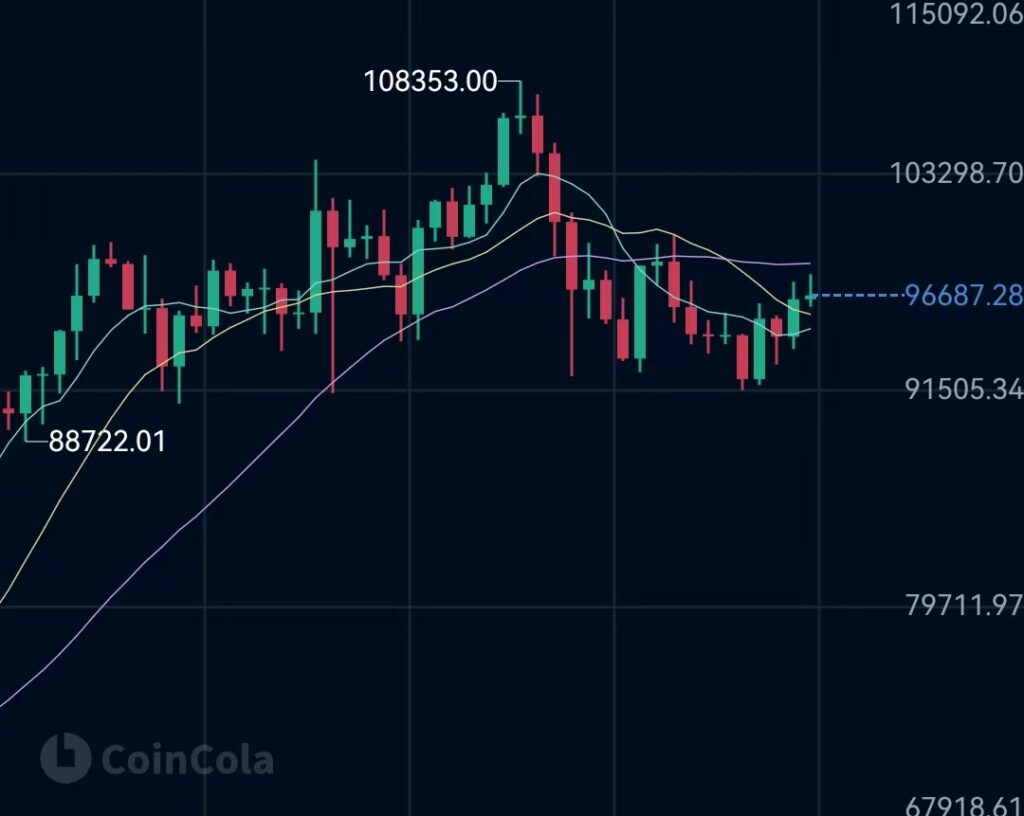
One of Bitcoin’s most critical features is its hard-capped supply of 21 million coins. Unlike government-issued fiat currencies, which can be printed in unlimited quantities, Bitcoin’s supply schedule is immutable and transparently programmed into its protocol. This creates an artificial scarcity, often drawing comparisons to precious metals like gold. As demand for an asset with limited supply increases, its price naturally tends to rise, assuming all other factors remain constant. This predictable, finite supply contrasts sharply with inflationary monetary policies seen globally, making Bitcoin an attractive hedge against currency debasement for many investors. The concept of digital scarcity in an increasingly digital world is a powerful narrative that continues to drive interest and investment.
Decentralized Network and Trustlessness
Bitcoin operates on a decentralized blockchain network, meaning it is not controlled by any single entity, government, or financial institution. Instead, it is maintained by a global network of computers (nodes and miners) that validate and record transactions. This decentralization eliminates single points of failure and removes the need for intermediaries, fostering a trustless environment. Users do not need to trust a bank or government to process their transactions or secure their funds; they only need to trust the cryptographic principles and open-source code that govern the network. This radical departure from traditional finance appeals to those seeking financial sovereignty and resilience against censorship or manipulation, adding a layer of intrinsic value that is difficult to quantify but profoundly impactful on its perceived utility and long-term viability.
Halving Events and Supply Shock Dynamics
Periodically, approximately every four years, Bitcoin undergoes an event known as “halving” or “halvening.” This event automatically reduces the reward miners receive for validating new blocks by half, thereby cutting the rate at which new Bitcoins are introduced into circulation. These programmed supply shocks have historically preceded significant bull runs. By drastically reducing the new supply hitting the market while demand either remains constant or increases, halving events exert upward pressure on Bitcoin’s price. They are critical, predictable catalysts that reinforce Bitcoin’s deflationary nature and its scarcity narrative, creating anticipation and often triggering speculative cycles that contribute to its sustained appreciation.
Growing Adoption and Maturing Infrastructure
Beyond its foundational design, Bitcoin’s continuous ascent is strongly supported by its burgeoning adoption across various sectors and the maturation of its surrounding financial and technological infrastructure. What was once a niche pursuit is now increasingly integrated into mainstream finance and commerce.
Institutional Interest and Investment Vehicles (ETFs)
A pivotal factor in Bitcoin’s recent growth has been the significant influx of institutional capital. Major financial institutions, hedge funds, and publicly traded companies are increasingly allocating portions of their portfolios to Bitcoin, viewing it as a legitimate asset class. The approval and launch of Bitcoin Exchange-Traded Funds (ETFs) in various jurisdictions, particularly spot Bitcoin ETFs in the United States, represent a watershed moment. These vehicles provide a regulated and accessible pathway for institutional and retail investors to gain exposure to Bitcoin without directly holding the cryptocurrency or managing private keys. This institutional validation not only brings substantial capital but also lends legitimacy and reduces perceived risk, making Bitcoin more palatable for a broader investor base.
Retail Investor Accessibility and Ease of Purchase
Simultaneously, accessibility for retail investors has dramatically improved. User-friendly cryptocurrency exchanges, mobile apps, and financial technology platforms have made purchasing, storing, and trading Bitcoin as straightforward as buying stocks or other traditional assets. The reduction in friction for everyday individuals to participate in the Bitcoin market has broadened its investor base considerably. This ease of entry allows for greater organic demand, as more people around the globe can easily convert their fiat currency into Bitcoin, contributing to its overall market liquidity and price appreciation.
Merchant Adoption and Payment Integration
While still nascent compared to its store-of-value narrative, Bitcoin’s utility as a medium of exchange is slowly expanding. A growing number of merchants, both online and physical, are beginning to accept Bitcoin directly or through third-party payment processors. Companies like PayPal, Square (Block Inc.), and various payment gateways have integrated Bitcoin into their services, allowing users to spend or receive it more readily. This increasing utility, albeit gradual, adds another layer of demand, reinforcing its role not just as an investment but also as a functional currency in certain contexts, particularly in regions with unstable local currencies.
Emerging Market Demand and Inflation Hedging
In emerging economies facing high inflation, currency devaluation, and political instability, Bitcoin has found a powerful use case as a hedge and a means of preserving wealth. Citizens in countries like Argentina, Turkey, and Nigeria, for example, often turn to Bitcoin to protect their savings from rapid debasement of local currencies. Its borderless nature and resistance to censorship also make it an attractive option for remittances and cross-border transactions, circumventing traditional banking systems that may be slow, expensive, or subject to capital controls. This organic demand from regions experiencing financial distress provides a robust, real-world utility that contributes significantly to Bitcoin’s global appeal and price stability.
Macroeconomic Factors and Global Financial Landscape
Bitcoin does not exist in a vacuum; its price dynamics are profoundly influenced by broader macroeconomic trends and the prevailing global financial landscape. In recent years, several key macro factors have converged to bolster Bitcoin’s attractiveness.
Inflationary Pressures and Fiat Currency Debasement
A primary driver for Bitcoin’s upward trajectory has been the persistent global inflationary pressures witnessed over the past few years. Central banks worldwide have engaged in unprecedented quantitative easing and expansionary monetary policies, leading to concerns about the debasement of fiat currencies. As the purchasing power of traditional currencies erodes, investors seek alternative assets that can act as an inflation hedge. Bitcoin, with its fixed supply and programmatic scarcity, has increasingly been perceived as a viable “digital gold” – a non-sovereign, deflationary asset that can preserve wealth in an inflationary environment. This narrative strengthens its appeal, diverting capital from traditional investments or savings into Bitcoin.
Geopolitical Instability and Safe-Haven Asset Appeal
Periods of geopolitical tension and instability often prompt investors to seek safe-haven assets. While Bitcoin’s volatility can be extreme, its decentralized, uncensorable, and borderless nature has made it an intriguing candidate for some in times of crisis. When traditional financial systems face disruptions, capital controls are imposed, or trust in governmental institutions wanes, Bitcoin offers an alternative means to transfer and store value. Its ability to transcend national borders and operate outside the purview of any single state provides a unique proposition, attracting those looking to safeguard assets against political risks or economic uncertainties that could impact traditional markets.
Interest Rate Environment and Liquidity Flows
The global interest rate environment also plays a crucial role. Periods of low-interest rates, particularly when coupled with quantitative easing, tend to encourage investors to seek higher-yielding or growth-oriented assets. With the cost of borrowing low and abundant liquidity in the financial system, a portion of this capital often flows into riskier, high-growth assets like Bitcoin, boosting demand. Conversely, rising interest rates can make traditional assets like bonds more attractive, potentially drawing capital away from Bitcoin in the short term. However, the long-term narrative of Bitcoin as a hedge against potential future inflation or as a disruptive technology often outweighs these cyclical interest rate impacts, particularly for long-term holders.
Network Effects and Technological Resilience
Bitcoin’s increasing value is also a testament to its enduring technological resilience, the power of network effects, and continuous, albeit conservative, development. These factors contribute to its perceived stability and long-term viability.
The Lindy Effect and Bitcoin’s Longevity
The Lindy Effect suggests that the future life expectancy of non-perishable things (like technology or an idea) is proportional to their current age. In simpler terms, the longer Bitcoin has existed and operated without fundamental failure, the greater its expected future lifespan. Having survived numerous challenges, hacks, and market crashes over more than 15 years, Bitcoin has demonstrated remarkable resilience. This longevity builds confidence among investors and users, cementing its status as a robust and enduring technology rather than a fleeting trend. As its history lengthens, its perceived risk diminishes, encouraging broader adoption and investment.
Continuous Development and Ecosystem Growth (Lightning Network)
While Bitcoin’s core protocol is deliberately conservative in its updates, the broader ecosystem around it is constantly innovating. Projects like the Lightning Network, a layer-2 scaling solution, aim to enable faster and cheaper Bitcoin transactions, enhancing its utility as a medium of exchange. Other developments and applications, even those not directly on the core blockchain, expand Bitcoin’s reach and functionality, increasing its overall value proposition. This continuous, organic growth of its surrounding infrastructure and applications makes Bitcoin more versatile and practical for a wider range of uses.
Security and Robustness of the Blockchain
The Bitcoin blockchain has proven to be incredibly secure and robust. With billions of dollars in computational power dedicated to mining and validating transactions, it is widely considered the most secure decentralized network in existence. The cryptographic integrity and the difficulty of altering past transactions (immutability) instills a high degree of trust. This unwavering security protects the network from attacks and ensures the integrity of all transactions, a critical factor for any asset seeking to be a global store of value or medium of exchange. The robustness of its underlying technology is a non-negotiable component of its long-term viability and upward valuation.
Psychological Dynamics and Market Sentiment
Finally, the human element—psychology and sentiment—plays a significant role in Bitcoin’s price movements, often amplifying the effects of fundamental and macroeconomic drivers.
Fear of Missing Out (FOMO) and Speculative Cycles
Bitcoin’s parabolic price surges are frequently fueled by the “Fear Of Missing Out” (FOMO). As Bitcoin’s price climbs and gains media attention, new investors, fearing they will miss out on substantial gains, rush into the market, driving prices even higher. This creates self-reinforcing speculative cycles, particularly during bull markets. While FOMO can lead to unsustainable bubbles, it is a powerful psychological force that consistently re-enters the market during periods of strong upward momentum, contributing to its overall trend of appreciation over time.
Narrative Evolution: From Digital Cash to Store of Value
Bitcoin’s dominant narrative has evolved over time. Initially pitched as “peer-to-peer electronic cash,” its primary perceived utility has largely shifted towards that of a “store of value” or “digital gold,” particularly in developed economies. This shift in narrative, supported by its scarcity and decentralization, has broadened its appeal to a different segment of investors—those looking for long-term wealth preservation rather than just transactional utility. As this narrative solidifies and gains wider acceptance, it attracts more capital from traditional investment paradigms, contributing to its upward revaluation.
Market Cycles and Historical Precedents
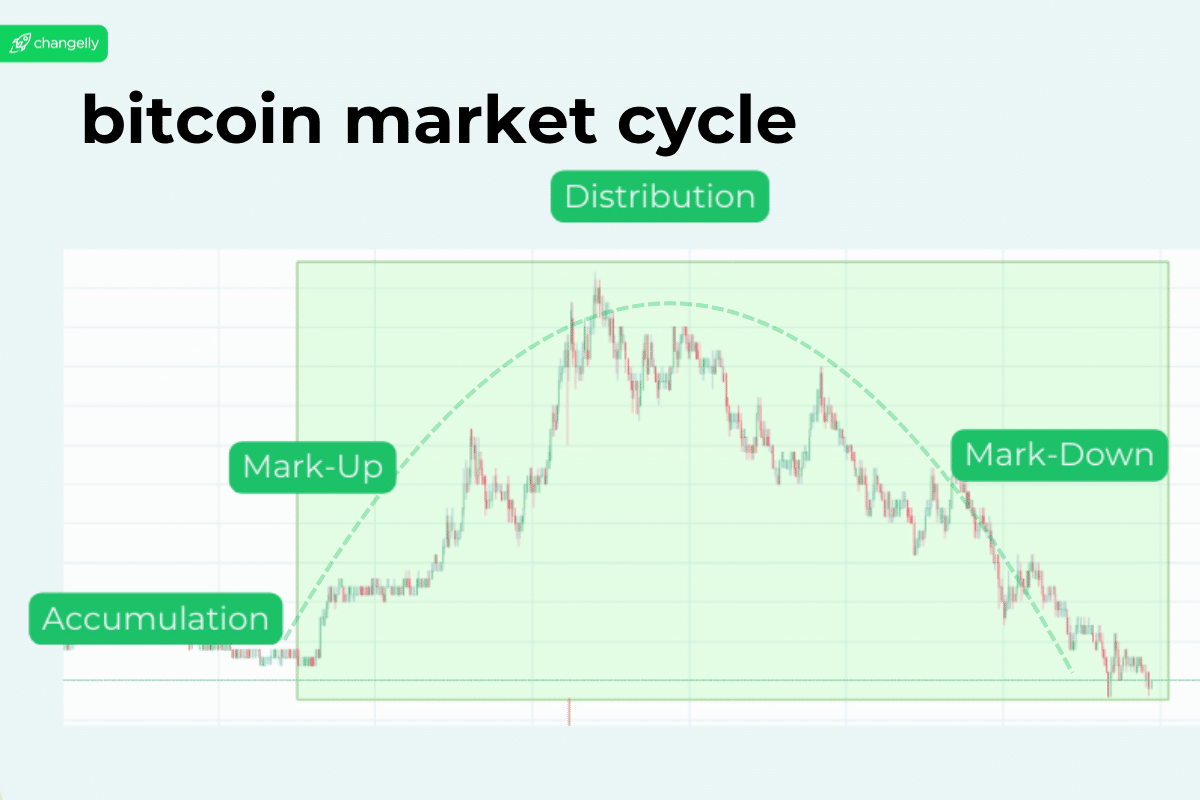
Bitcoin’s price history is characterized by distinct market cycles – periods of rapid growth followed by significant corrections, then consolidation, and eventually new highs. These cycles, often influenced by halving events and broader market sentiment, have shown a consistent pattern of higher lows and higher highs over the long term. Investors who understand these cycles and maintain a long-term perspective often see the corrections as opportunities rather than reasons for panic. The consistent emergence from bear markets to achieve new all-time highs reinforces confidence in its long-term growth potential and encourages holding, further reducing available supply and supporting future price appreciation.
In conclusion, Bitcoin’s enduring upward trajectory is not attributable to a single factor but rather a powerful confluence of meticulously designed scarcity, decentralized resilience, increasing institutional and retail adoption, favorable macroeconomic tailwinds, unwavering technological security, and the powerful psychological dynamics of market participants. As the world continues to grapple with inflation, geopolitical uncertainties, and the ongoing digitalization of finance, Bitcoin’s unique value proposition positions it as a compelling and increasingly essential asset in the modern investment landscape, driving its persistent climb.
aViewFromTheCave is a participant in the Amazon Services LLC Associates Program, an affiliate advertising program designed to provide a means for sites to earn advertising fees by advertising and linking to Amazon.com. Amazon, the Amazon logo, AmazonSupply, and the AmazonSupply logo are trademarks of Amazon.com, Inc. or its affiliates. As an Amazon Associate we earn affiliate commissions from qualifying purchases.