
In the rapidly evolving landscape of personal finance and global investing, digital assets have emerged as a significant frontier, offering both unprecedented opportunities and unique challenges. At the heart of this revolution stands Coinbase, a platform that has become synonymous with cryptocurrency for millions worldwide. But what exactly is a Coinbase account, and why has it become an indispensable tool for those navigating the new financial paradigm?
A Coinbase account is essentially a digital financial gateway, much like a traditional bank account or brokerage account, but specifically designed for cryptocurrencies. It allows individuals and institutions to buy, sell, send, receive, and store a wide range of digital assets, including Bitcoin, Ethereum, and many others, using conventional fiat currencies. More than just a simple wallet, it integrates a sophisticated trading platform with robust financial services, making it a critical component for anyone looking to integrate cryptocurrencies into their personal finance strategy, investment portfolio, or even explore new avenues for online income. Understanding a Coinbase account means grasping its role as a bridge between the traditional financial world and the burgeoning decentralized digital economy, offering a structured and regulated environment for engaging with this transformative asset class.
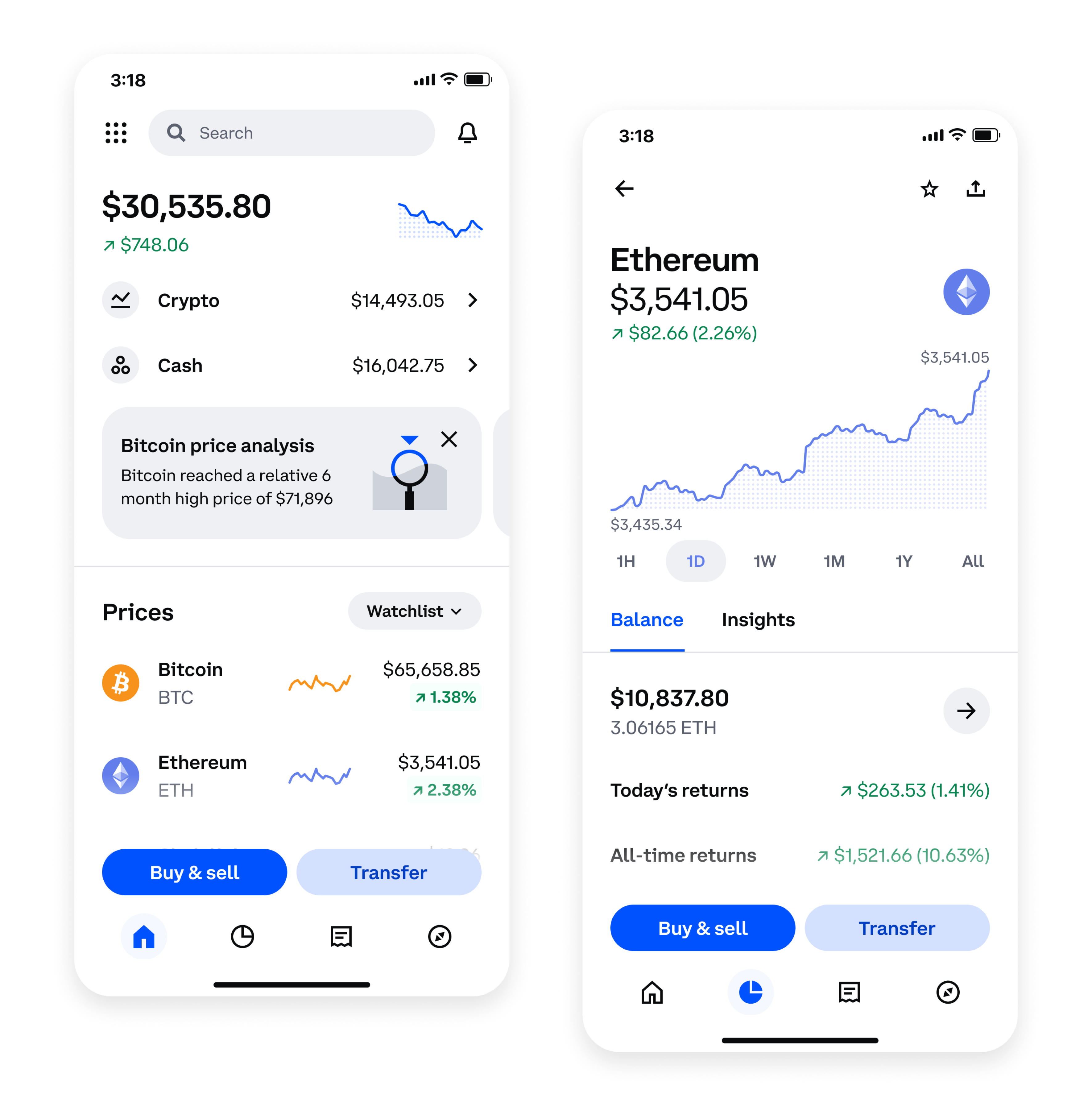
Understanding Coinbase: A Gateway to Digital Assets
Coinbase has carved out a pivotal role in democratizing access to cryptocurrencies, transforming what was once a niche technological concept into a mainstream financial instrument. For many, a Coinbase account is their first, and often primary, interaction with the world of digital money, serving as a trusted intermediary in a complex market.
The Role of Coinbase in the Cryptocurrency Ecosystem
At its core, Coinbase functions as a centralized cryptocurrency exchange. In the traditional financial system, banks hold your money, and brokers facilitate stock trades. Similarly, Coinbase holds your digital assets and facilitates cryptocurrency transactions. This centralization, while sometimes contrasted with the decentralized ethos of crypto, provides a level of familiarity, security, and regulatory compliance that is appealing to a broad user base. It acts as a fiat-to-crypto on-ramp, allowing users to convert their local currency (like USD, EUR, GBP) into cryptocurrencies, and vice-versa, making the entry barrier significantly lower than dealing directly with complex blockchain protocols.
Moreover, Coinbase extends beyond mere exchange services. It offers custodial solutions, securely storing digital assets on behalf of its users, and provides an educational platform to help newcomers understand the intricacies of cryptocurrency investing. This multifaceted approach positions Coinbase as more than just a trading platform; it’s an ecosystem designed to integrate digital assets into one’s financial life, from initial purchase to long-term portfolio management. Its role in the ecosystem is to provide a user-friendly, secure, and regulated environment, fostering trust and enabling mass adoption of cryptocurrencies as viable financial tools.
Key Features and Offerings
A Coinbase account comes equipped with a suite of features designed to cater to various financial needs related to digital assets:
- Buying and Selling: The most fundamental feature, enabling straightforward conversion between fiat currency and cryptocurrencies. Users can set up recurring buys to dollar-cost average into positions, a popular investment strategy.
- Secure Storage (Wallet Services): Coinbase offers both hosted wallets (where Coinbase holds the private keys on your behalf, akin to a bank holding your cash) and a separate self-custody wallet app for those who prefer to manage their own keys. For beginners, the hosted wallet provides ease of use and security guarantees.
- Send and Receive: Users can easily send supported cryptocurrencies to other wallet addresses and receive them into their Coinbase account, facilitating transactions with external parties or moving assets between personal wallets.
- Staking and Rewards: For certain cryptocurrencies, Coinbase allows users to “stake” their holdings directly on the platform, earning rewards in exchange for helping to secure the network. This represents a potential avenue for passive income, similar to earning interest in a savings account, but with different risk profiles.
- Coinbase Card: In some regions, Coinbase offers a debit card that allows users to spend their cryptocurrency holdings at merchants worldwide, converting crypto to local currency at the point of sale. This bridges the gap between digital assets and everyday spending.
- Advanced Trading (Coinbase Pro/Advanced Trade): For more experienced traders, Coinbase provides a more sophisticated trading interface with advanced order types, lower fees, and in-depth market data, catering to active investment strategies and business finance applications.
- Educational Resources: Comprehensive guides, tutorials, and news updates help users stay informed about the market and make educated financial decisions.
These features collectively position a Coinbase account as a comprehensive financial tool, enabling users to not only invest in cryptocurrencies but also to manage, grow, and even spend their digital assets effectively within their broader financial plan.
Why Consider a Coinbase Account for Your Financial Journey?
Integrating digital assets into one’s financial strategy is no longer a fringe idea but a growing trend. A Coinbase account offers several compelling reasons for individuals to explore this new dimension of wealth management and income generation.
Accessing the Cryptocurrency Market for Investment
The primary draw of a Coinbase account for most is its unparalleled ease of access to the cryptocurrency investment market. Historically, investing in alternative assets required significant capital and specialized knowledge. Coinbase democratizes this process, allowing even small investors to buy fractions of cryptocurrencies. This accessibility means that individuals can diversify their portfolios beyond traditional stocks, bonds, and real estate, tapping into an asset class that has demonstrated significant growth potential and unique market dynamics. For those looking to participate in the “future of finance,” a Coinbase account is often the initial, most straightforward step. It provides a user-friendly interface that simplifies complex blockchain technology, allowing investors to focus on their financial goals rather than technical hurdles.
Diversification and Portfolio Growth
Financial wisdom often emphasizes diversification as a cornerstone of risk management and long-term growth. Cryptocurrencies, while volatile, offer a unique form of diversification due to their low correlation with traditional asset classes. Including a portion of digital assets within a diversified investment portfolio, facilitated by a Coinbase account, can potentially enhance overall returns while spreading risk.
For example, during periods when traditional markets might be stagnant or declining, cryptocurrencies could perform differently. A Coinbase account allows investors to strategically allocate a percentage of their net worth to digital assets, contributing to a more robust and resilient portfolio designed for modern economic realities. The ability to easily purchase, hold, and monitor a diverse range of cryptocurrencies within one platform simplifies this diversification strategy, making it manageable for the average investor.
Potential for Passive Income Streams (e.g., Staking)
Beyond capital appreciation from trading, a Coinbase account can also be a source of passive income. One prominent example is “staking.” For certain cryptocurrencies that use a Proof-of-Stake consensus mechanism, holders can “stake” their coins, essentially locking them up to support the network’s operations. In return, they earn rewards, often paid out in the same cryptocurrency.
Coinbase simplifies this process, allowing users to stake eligible assets directly from their account without needing advanced technical knowledge. This mechanism is akin to earning interest on savings, providing a yield on digital assets that would otherwise sit idle. While staking yields vary and carry their own set of risks (such as price volatility of the staked asset), it presents an attractive opportunity for individuals seeking to generate online income or enhance the returns on their long-term crypto holdings, directly contributing to their financial growth.
Navigating the Financial Aspects of Your Coinbase Account
While the allure of digital assets is strong, understanding the practical financial implications of using a Coinbase account is crucial for responsible management and maximizing returns.
Funding and Withdrawal Methods: Managing Your Capital
The ability to seamlessly move money into and out of your Coinbase account is fundamental to its utility as a financial tool. Coinbase supports various funding methods, typically including bank transfers (ACH in the US, SEPA in Europe), wire transfers, debit card purchases, and sometimes PayPal or other local payment methods. Each method comes with its own speed, limits, and fee structure. For instance, instant debit card purchases are convenient but often carry higher fees, while bank transfers are slower but usually more cost-effective for larger sums.
Similarly, withdrawing funds from Coinbase back to your traditional bank account involves converting cryptocurrency to fiat and initiating a transfer. Understanding the processing times and limits for these transactions is vital for managing liquidity and ensuring funds are available when needed. Strategic capital management means choosing the most efficient and cost-effective methods for both depositing and withdrawing, aligning with your financial goals and urgency.
Transaction Fees and Their Impact on Returns
Like any financial service provider, Coinbase charges fees for its services. These can include:
- Spread Fees: A margin added to the market price when buying or selling cryptocurrency.
- Transaction Fees: A flat fee or a percentage of the transaction value, which can vary based on the amount and payment method.
- Network Fees (Gas Fees): These are inherent to blockchain transactions and are passed on to the user, particularly for sending cryptocurrencies off the platform.
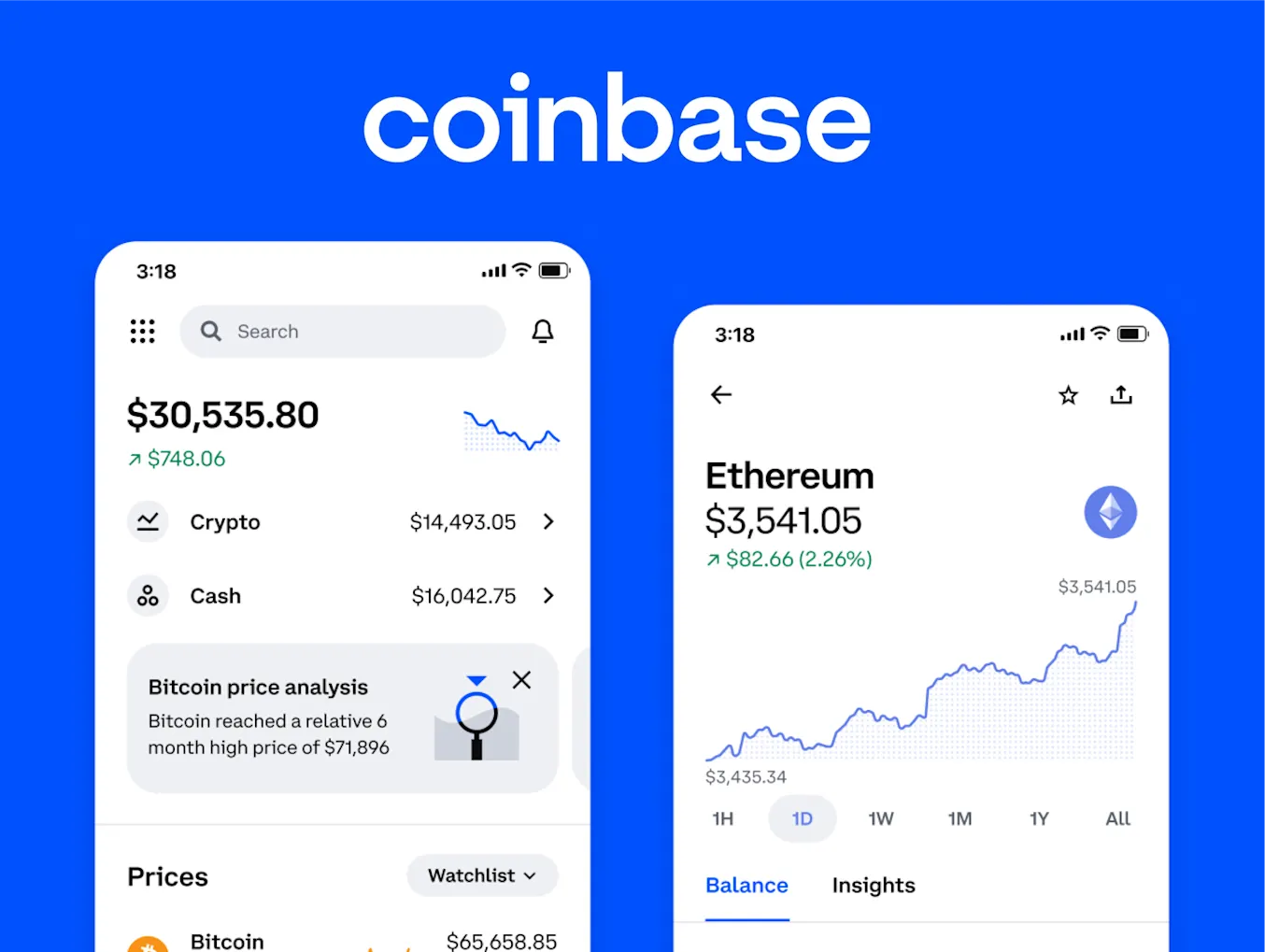
These fees, while seemingly small individually, can significantly impact your overall investment returns, especially for frequent traders or small transactions. For example, buying and then selling an asset incurs fees twice. Being aware of the fee schedule for your specific account type (e.g., standard Coinbase vs. Coinbase Advanced Trade) and carefully calculating their impact on potential profits is a critical aspect of financial planning for cryptocurrency investments. Utilizing the lower fees on Coinbase Advanced Trade for larger or more frequent transactions can preserve more of your capital.
Tax Implications of Cryptocurrency Transactions
Perhaps one of the most critical, yet often overlooked, financial aspects of using a Coinbase account relates to taxation. In many jurisdictions, including the United States, cryptocurrencies are treated as property for tax purposes. This means that every time you sell, trade, or otherwise dispose of a cryptocurrency, it can trigger a taxable event.
- Capital Gains/Losses: If you sell crypto for more than you bought it for, you realize a capital gain, which is taxable. Conversely, a loss can be used to offset gains.
- Income from Staking/Mining: Rewards earned from staking or mining are generally considered taxable income at the fair market value at the time of receipt.
- Spending Crypto: Using a crypto debit card or spending crypto directly can also be a taxable event, as it’s typically treated as selling the crypto for its fiat equivalent.
Coinbase often provides tax reports or transaction histories to help users track their activity, but the ultimate responsibility for accurate tax reporting lies with the individual. Consulting with a tax professional specializing in digital assets is highly recommended to ensure compliance and optimize tax strategies, making smart financial decisions that consider all costs.
Security and Regulation: Protecting Your Digital Investments
The security of financial assets is paramount, and this holds especially true in the digital realm where traditional consumer protections might not always apply in the same way. Coinbase places a strong emphasis on security and operates within evolving regulatory frameworks, offering a degree of assurance to its users.
Safeguarding Your Financial Assets on Coinbase
Coinbase employs a multi-layered security strategy to protect user funds. For fiat currency holdings in the US, Coinbase holds funds in custodial bank accounts or in money market funds, separate from the company’s operating funds. These funds are generally FDIC-insured up to certain limits. For cryptocurrencies, a significant portion (typically 98%) is held in secure offline cold storage, minimizing exposure to online threats. The remaining online funds are insured against theft from Coinbase’s hot wallets.
Beyond institutional measures, Coinbase provides users with robust personal security tools, including:
- Two-Factor Authentication (2FA): A critical layer of security requiring a second verification step beyond just a password.
- Address Whitelisting: The ability to specify pre-approved cryptocurrency addresses for withdrawals, preventing unauthorized transfers.
- Strong Password Requirements and Monitoring: Encouraging and enforcing complex passwords and monitoring for suspicious login activity.
- Encryption and Data Protection: Employing industry-standard encryption protocols to protect personal and financial data.
While Coinbase takes extensive measures, individual user vigilance remains crucial. Protecting login credentials, using strong unique passwords, enabling 2FA, and being wary of phishing attempts are all vital steps in safeguarding your digital investments and ensuring the integrity of your financial tools.
Regulatory Compliance and Consumer Protection
Operating as a regulated financial service business in numerous jurisdictions, Coinbase adheres to stringent compliance standards. This includes:
- Know Your Customer (KYC) and Anti-Money Laundering (AML) Protocols: Requiring users to verify their identity to prevent illicit financial activities. This ensures transparency and helps combat financial crime, a standard practice in traditional finance.
- Licensing and Registrations: Obtaining necessary licenses to operate as a money services business or exchange in various regions, subjecting it to oversight by financial authorities.
- Reporting Requirements: Cooperating with law enforcement and tax authorities as required by law, a factor that differentiates it from completely decentralized exchanges.
This regulatory adherence, while sometimes seen as contrary to the “crypto ethos,” provides significant consumer protection benefits. It means that Coinbase operates under certain legal obligations to protect user funds and data, offering a level of accountability that might be absent in unregulated platforms. For individuals concerned about the stability and legitimacy of their digital asset investments, Coinbase’s commitment to regulatory compliance offers a valuable layer of trust and security, aligning it closer to established financial institutions.
Getting Started and Maximizing Your Coinbase Account
For those ready to delve into the world of digital assets, setting up and effectively utilizing a Coinbase account is a straightforward process, but one that benefits from a strategic approach to financial management.
The Account Creation Process and KYC Requirements
Opening a Coinbase account is designed to be user-friendly. The process typically involves:
- Signing Up: Providing basic information like email and password.
- Email Verification: Confirming your email address.
- Phone Verification: Linking a phone number for 2FA.
- Identity Verification (KYC): This is a crucial step for regulatory compliance. Users must provide government-issued ID (e.g., driver’s license, passport) and often a selfie or video verification. This process is essential for linking bank accounts, funding your account, and accessing full trading limits.
While the KYC process might seem intrusive, it’s a standard requirement for regulated financial institutions globally, designed to prevent fraud and money laundering. Completing it accurately and promptly ensures full access to your Coinbase account’s financial features and services.
Utilizing Advanced Features for Financial Strategy
Once your account is set up, exploring and utilizing Coinbase’s more advanced features can significantly enhance your financial strategy:
- Coinbase Advanced Trade (formerly Coinbase Pro): For serious investors, transitioning to the Advanced Trade platform offers lower fees, more sophisticated charting tools, and advanced order types (limit orders, stop orders). This is crucial for precise entry and exit points, reducing costs, and implementing more complex trading strategies for portfolio management.
- Recurring Buys: Automating purchases on a daily, weekly, or monthly basis allows for dollar-cost averaging, a strategy that mitigates volatility risk by averaging out the purchase price over time, rather than trying to time the market.
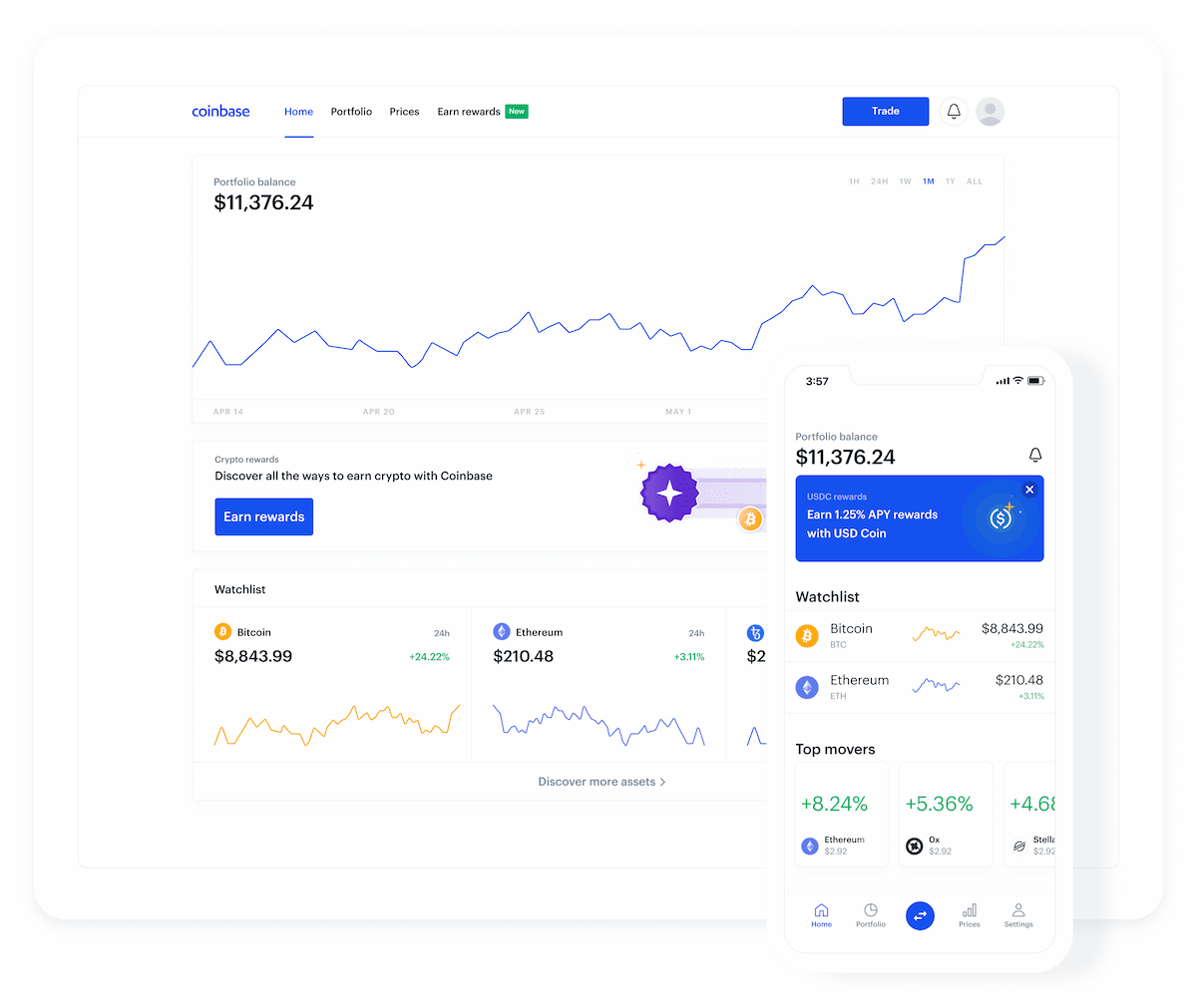
- Watchlist and Alerts: Monitoring specific cryptocurrencies and setting price alerts helps investors stay informed about market movements without constant manual checking, enabling timely financial decisions.
- Portfolio Tracking: Coinbase provides tools to track the performance of your crypto holdings, offering insights into gains, losses, and overall portfolio health.
- Staking Rewards: Actively identifying and staking eligible assets to generate passive income from your holdings, as discussed earlier.
Effectively leveraging these tools transforms a basic Coinbase account into a powerful financial instrument for managing digital assets, optimizing investments, and exploring various income streams.
Continuous Learning and Responsible Investing
The cryptocurrency market is dynamic and inherently volatile. Responsible investing through your Coinbase account necessitates a commitment to continuous learning and a disciplined approach:
- Educate Yourself: Utilize Coinbase’s educational resources, independent research, and reputable news sources to understand market fundamentals, blockchain technology, and the specific assets you invest in.
- Start Small: Begin with an amount you are comfortable losing. Digital assets are high-risk, high-reward.
- Diversify: Don’t put all your eggs in one crypto basket. Spread your investments across different assets and sectors.
- Long-Term Perspective: While day trading is possible, many find success with a long-term investment horizon, weathering short-term fluctuations.
- Understand Risks: Be fully aware of market volatility, technological risks, regulatory changes, and potential security threats.
- Tax Planning: Keep meticulous records of all transactions for accurate tax reporting.
A Coinbase account is a powerful financial tool, offering a gateway to a new asset class and opportunities for wealth creation and online income. However, like any financial instrument, its effectiveness and safety depend on informed decisions, strategic utilization, and a responsible approach to investing. By understanding its features, navigating its financial implications, prioritizing security, and committing to ongoing education, individuals can confidently integrate a Coinbase account into their broader financial journey, positioning themselves to participate in the exciting future of digital finance.
aViewFromTheCave is a participant in the Amazon Services LLC Associates Program, an affiliate advertising program designed to provide a means for sites to earn advertising fees by advertising and linking to Amazon.com. Amazon, the Amazon logo, AmazonSupply, and the AmazonSupply logo are trademarks of Amazon.com, Inc. or its affiliates. As an Amazon Associate we earn affiliate commissions from qualifying purchases.