
The flickering silver screen has held a captivating allure for generations, offering an escape into fantastical worlds, heartwarming tales, and adrenaline-pumping adventures. Yet, for many, the decision to embark on this cinematic journey is increasingly a financial one. “How much do movie tickets cost?” is a question that encompasses far more than just the base price printed on the stub. It’s a gateway to understanding a complex interplay of economic factors, consumer habits, and the evolving landscape of entertainment. For those keen on managing their personal finances, deciphering the true cost of a night at the movies is crucial, revealing not just an expense, but an insight into budgeting for leisure in the modern age.
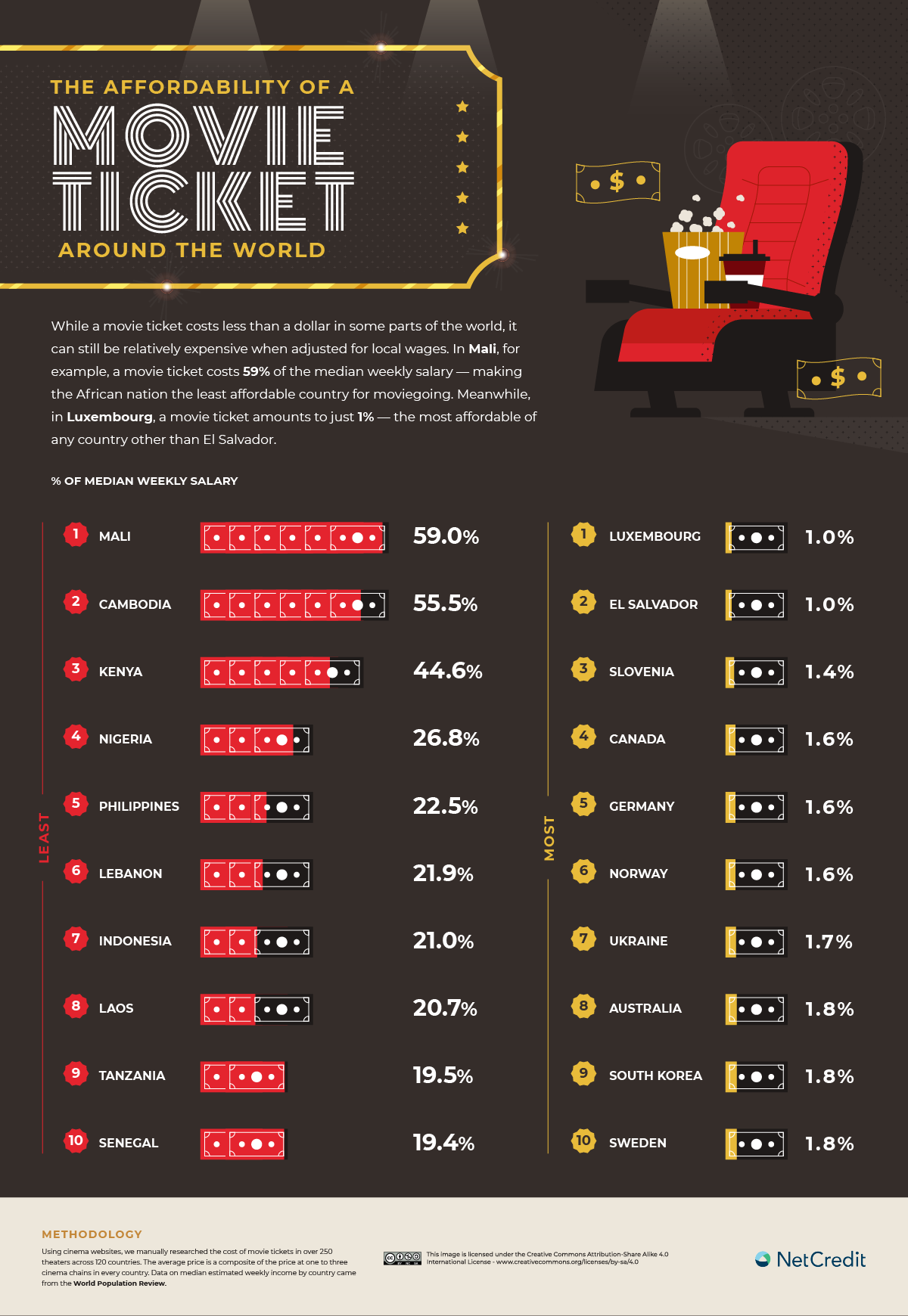
The Evolving Price Tag of Cinematic Experiences
The cost of a movie ticket today is a testament to decades of economic shifts, technological advancements, and changing industry dynamics. What once was an affordable staple for many has transformed into a more significant line item in the entertainment budget.
A Historical Perspective on Ticket Prices
To truly appreciate current prices, a glance back in time is essential. In the golden age of Hollywood, a movie ticket in the 1940s might have cost around 25 cents. Adjusting for inflation, that’s roughly equivalent to a few dollars today. Fast forward to the 1970s, and prices hovered around $2.00. The 1990s saw tickets approach the $5.00 mark, and by the early 2000s, it wasn’t uncommon to pay $7.00 to $8.00. Today, the national average in the United States hovers around $10-$12, but this figure can be misleadingly low, as specific cities and premium formats push these numbers significantly higher. This upward trajectory reflects a broader economic trend, but also specific industry pressures and innovations.
Factors Influencing Base Ticket Prices
The price you pay for a standard adult movie ticket is a meticulously calculated sum, influenced by a multitude of variables that impact a theater’s operational costs and profitability.
Firstly, studio production costs play a significant role. Blockbuster films with multi-million dollar budgets for actors, special effects, and marketing need to recoup those investments, and a portion of each ticket sale goes back to the film distributors and studios. The more expensive a film is to make, the more pressure there is to ensure robust box office performance.
Secondly, theater operating expenses are substantial. These include rent or mortgage payments for prime real estate, utility costs for massive buildings, salaries for projectionists, ushers, ticket agents, and concession staff, as well as maintenance for seating, projectors, sound systems, and general upkeep. The larger the theater, the higher these overheads.
Thirdly, distribution fees are paid by theaters to studios for the right to show their films. This is typically a percentage of ticket sales, often heavily weighted in favor of the studio during the initial weeks of a film’s release, before shifting more towards the exhibitor over time.
Finally, local market dynamics significantly impact pricing. A movie theater in a high-cost-of-living metropolitan area with high demand will naturally charge more than one in a rural town with lower overheads and less competition. Property taxes, local labor costs, and even local entertainment taxes can also factor into the final price. The competition landscape also matters; a multiplex with several competitors nearby might be more price-sensitive than a lone theater in a catchment area.
Beyond the Base: Deconstructing the True Cost of a Movie Outing
While the base ticket price is the most visible expense, it’s often just the tip of the financial iceberg when planning a cinematic outing. A comprehensive view of the true cost reveals several additional components that can easily double or triple the initial expenditure.
The Concession Conundrum: Understanding Markups
The unmistakable aroma of fresh popcorn is as much a part of the movie theater experience as the big screen itself. Yet, the price of concessions—popcorn, soda, candy—is notoriously high, often eliciting groans from consumers. This isn’t arbitrary; it’s a critical component of a theater’s business model. While a significant portion of ticket sales goes back to film studios, concession sales are almost pure profit for the theater. The markup on items like popcorn and soda can be astronomical, sometimes exceeding 800-900%. This enormous profit margin on food and beverages is what keeps many theaters financially viable, allowing them to cover their operating costs and remain open, especially in an era of declining ticket sales and increasing competition from streaming services. Understanding this dynamic doesn’t necessarily make the prices easier to swallow, but it illuminates why they are an intrinsic part of the moviegoing economy.
Premium Formats and Their Surcharges
Modern cinema has moved beyond the simple 2D screen, offering a range of immersive experiences that come with a corresponding premium price tag. IMAX, with its larger screens and enhanced sound, typically adds $3-$6 to the standard ticket price. 3D films, requiring special glasses, often incur a $2-$4 surcharge. Technologies like Dolby Cinema and 4DX offer advanced visuals, sound, and even environmental effects (like moving seats, wind, or mist), pushing ticket prices up by $5-$10 or more. While these formats promise a more engaging and memorable experience, they significantly inflate the overall cost of attending a movie, requiring consumers to weigh the added value against the additional expenditure.
Convenience Fees and Online Booking
In the digital age, booking tickets online offers unparalleled convenience, allowing moviegoers to secure preferred seats and avoid queues. However, this convenience often comes at a cost: the convenience fee or service fee. Ranging from $1.00 to $3.00 per ticket, these fees can quickly add up for a family or group. While seemingly small, they represent an additional, often overlooked, expense that contributes to the total cost. Some theaters or third-party booking sites may waive these fees for loyalty program members or subscribers, but for the casual moviegoer, they are a standard part of the online transaction.
The Ancillary Costs: Parking, Dinner, and Babysitters
The act of going to the movies rarely exists in isolation. For many, it’s part of a larger night out, incurring ancillary costs that can dwarf the ticket price itself. Parking can range from free in suburban multiplexes to $10-$30+ in urban centers. A pre- or post-movie dinner can easily add $30-$100+ to the evening’s expenses, depending on the restaurant choice. For parents, babysitting costs can be a significant hidden expense, potentially adding another $40-$80 for a few hours. When all these elements are factored in—tickets, concessions, premium formats, online fees, parking, dinner, and childcare—a “night at the movies” for a couple or family can easily escalate into a $100-$200+ endeavor, transforming what might seem like a simple entertainment choice into a substantial financial commitment.
Strategies for Smart Movie Spending: Maximizing Value and Minimizing Cost
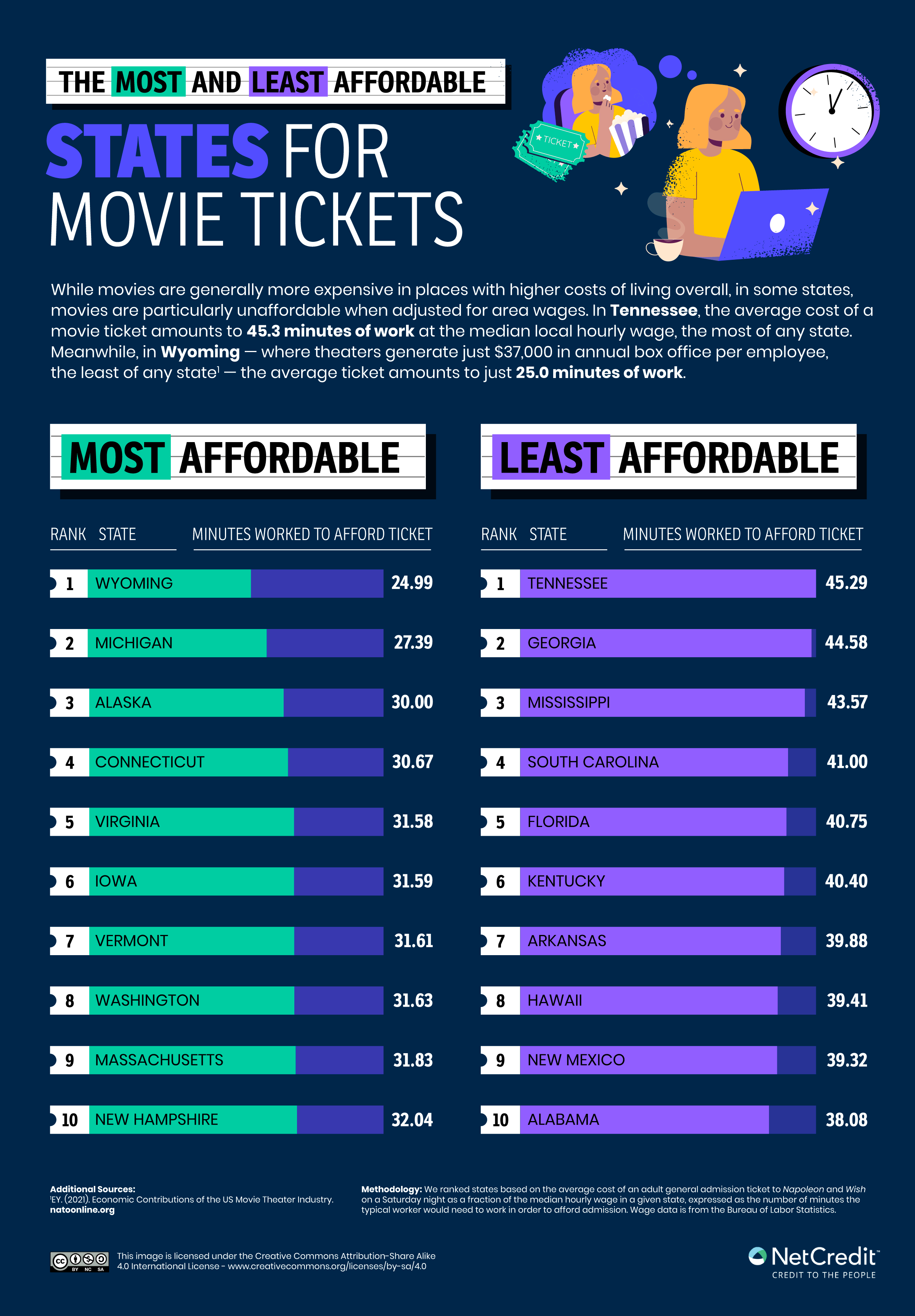
For avid moviegoers or those looking to enjoy the big screen without breaking the bank, several strategies can help manage and reduce the overall cost of cinematic entertainment.
Leveraging Loyalty Programs and Subscriptions
Many major theater chains, such as AMC (A-List), Regal (Regal Unlimited), and Cinemark (Movie Club), offer loyalty programs and subscription services. These programs typically involve a monthly fee (e.g., $19.95 to $23.95 per month, depending on location and tier) in exchange for free tickets (often up to three per week for the higher tiers), discounted concessions, and waived online booking fees. For individuals who see two or more movies a month, these subscriptions can offer significant savings, quickly paying for themselves. Independent theaters often have their own membership programs, providing similar benefits and fostering a sense of community. Analyzing one’s movie-going frequency against the monthly cost of these programs is a key step in smart spending.
Timing Your Trip: Matinees, Discount Days, and Early Bird Specials
Flexibility with timing can lead to substantial savings. Matinee showings, typically before 5 PM, are almost universally cheaper than evening screenings, sometimes by as much as 30-50%. Many theaters also designate specific discount days (e.g., “Bargain Tuesdays”), where tickets for all showings are offered at a reduced price, sometimes as low as $5-$7. Additionally, some theaters offer early bird specials for the first few showings of the day, appealing to those who don’t mind a morning or early afternoon movie. Planning visits around these off-peak times can make moviegoing much more affordable.
The BYO-Snack Debate (and Reality)
The high price of concessions often prompts moviegoers to consider bringing their own snacks. While most theaters strictly prohibit outside food and beverages, the enforcement varies. Some theaters are more lenient, particularly with small, discreet items, while others have clear policies and staff who actively enforce them. Attempting to bring in your own snacks is a common, albeit often discouraged, strategy to save money. However, it’s worth noting that this practice, if widespread, directly impacts the primary profit stream for theaters and could ultimately lead to higher ticket prices or theater closures. A more ethical alternative is to simply limit concession purchases or opt for smaller, more budget-friendly items.
Exploring Alternative Viewing Options
The rise of digital entertainment has provided numerous alternatives to the traditional cinema experience, often at a fraction of the cost. Streaming services like Netflix, Disney+, HBO Max, and Amazon Prime Video offer vast libraries of films for a monthly subscription fee, allowing unlimited viewing from the comfort of home. Premium Video On Demand (PVOD) offers new releases for rent or purchase, typically costing $19.99 to $29.99 for a limited viewing window, which can be more economical for a family than purchasing multiple theater tickets. Services like Redbox or local library rentals offer physical media for a few dollars. Investing in a quality home theater setup (large screen TV, soundbar) can also be a long-term cost-saver for frequent movie watchers, transforming the living room into a personal cinema, albeit without the communal experience.
The Economic Impact of Movie Ticket Prices on Industry and Consumers
The fluctuating price of movie tickets is not merely a consumer concern; it’s a critical economic lever with profound implications for both the film industry and the broader consumer landscape.
Theater Profitability and Survival in the Streaming Era
In an increasingly fragmented entertainment market, traditional movie theaters face immense pressure. The rise of direct-to-consumer streaming services, coupled with shortened theatrical release windows, means that the window for exclusive cinema viewing is shrinking. This puts immense pressure on theaters to maximize revenue during that initial period. High ticket prices, especially for premium formats, and robust concession sales are essential for maintaining profitability and covering the hefty operating costs. Without these revenue streams, many smaller or independent theaters struggle to compete and may face closure, impacting local economies and cultural landscapes. The industry is constantly experimenting with pricing strategies, subscription models, and enhanced experiences to draw audiences back to the big screen and ensure its continued viability.
Consumer Behavior and Disposable Income
For consumers, movie ticket prices directly influence attendance and entertainment choices. As prices rise, particularly when factoring in concessions and ancillary costs, moviegoing becomes a less spontaneous and more considered purchase. This price sensitivity means that consumers are more likely to be selective, reserving their cinema visits for highly anticipated blockbusters or special occasions, rather than casual outings. For households managing tight budgets, the cost can be prohibitive, pushing them towards more affordable home entertainment options. This shift in consumer behavior directly impacts box office revenues and reinforces the need for theaters to justify their pricing with unparalleled experiences that cannot be replicated at home. Disposable income levels across different demographics also play a crucial role; what is an affordable treat for some might be an unaffordable luxury for others, widening the gap in accessibility to cinematic art.
The Future of Movie Pricing and Subscription Models
The future of movie ticket pricing is likely to be dynamic and innovative. We’re already seeing the rise of dynamic pricing, where ticket costs fluctuate based on demand, time of day, day of the week, and even the popularity of a specific film. This model, common in airlines and live events, could allow theaters to maximize revenue during peak times and offer discounts during off-peak periods to fill seats. Further evolution of subscription models could also become more widespread, perhaps integrating with streaming services or offering tiered access to new releases. The industry might also explore bundled entertainment packages, combining cinema tickets with other local attractions or dining options to offer a perception of greater value. These changes are all aimed at striking a balance between maintaining profitability for theaters and studios while ensuring that the cinematic experience remains accessible and appealing to a broad audience.
Final Thoughts: Is the Cinematic Experience Still Worth the Price?
Ultimately, the question of “how much movie tickets cost” evolves into a more profound inquiry: Is the cinematic experience still worth the investment? The answer is subjective, deeply tied to individual priorities, financial situations, and a person’s appreciation for the unique magic of the movies.
Weighing the Value of the Big Screen
For many, the communal experience of watching a film on a massive screen with booming surround sound, away from the distractions of home, holds an intangible value that justifies the expense. It’s an immersive escape, a shared cultural event, and a date night tradition. The technological marvels of premium formats like IMAX and Dolby Cinema genuinely elevate the viewing experience beyond what most home setups can offer. For these individuals, the financial outlay is not just for a film, but for an experience—a brief, transportive journey. However, for others, especially those with high-quality home entertainment systems and access to a plethora of streaming content, the cost-benefit analysis may lean towards staying home, particularly when considering the full spectrum of ancillary costs.

Budgeting for Entertainment in a Modern World
In a world brimming with entertainment options, effective personal finance dictates a conscious approach to discretionary spending. Understanding the true cost of a movie outing—from tickets and concessions to parking and childcare—allows individuals and families to integrate this leisure activity into their overall budget strategically. Whether through leveraging loyalty programs, timing visits for discounts, or consciously choosing between home viewing and the big screen, financial mindfulness ensures that the joy of cinema remains an accessible pleasure rather than a budget strain. The movie theater, despite its evolving price tag, continues to offer a unique form of entertainment. By being financially savvy, consumers can ensure that the magic of the movies remains a valued and sustainable part of their personal finance landscape.
aViewFromTheCave is a participant in the Amazon Services LLC Associates Program, an affiliate advertising program designed to provide a means for sites to earn advertising fees by advertising and linking to Amazon.com. Amazon, the Amazon logo, AmazonSupply, and the AmazonSupply logo are trademarks of Amazon.com, Inc. or its affiliates. As an Amazon Associate we earn affiliate commissions from qualifying purchases.