
In an era where streaming services deliver a vast library of entertainment directly to our living rooms, the experience of a theatrical movie outing remains a cherished pastime for many. AMC Theatres, as one of the largest cinema chains globally, plays a significant role in this cultural landscape. However, the decision to head to the movies often comes with a financial consideration: “how much will this actually cost me?” This isn’t merely a question of a single ticket price; it’s an exploration of varying price points, potential savings, and the overall financial impact of a cinematic escape. For the financially savvy consumer, understanding the dynamics of AMC ticket pricing is key to budgeting for entertainment and maximizing value. This guide delves deep into the monetary aspects of AMC movie tickets, offering insights to help you make informed spending decisions.
Unpacking the Base Price of AMC Tickets: More Than Just a Number
The notion of a fixed price for an AMC movie ticket is largely a myth. Like many consumer services, the cost is fluid, influenced by a multitude of factors that cater to different preferences and market conditions. Understanding these foundational price variations is the first step in estimating your potential expenditure.
Standard Showings vs. Premium Experiences
At its core, a standard 2D showing is the baseline for AMC ticket pricing. This refers to a regular screening in a conventional auditorium without any special technology enhancements. However, AMC heavily invests in premium formats that elevate the viewing experience, and these come with an expected price premium. IMAX, Dolby Cinema, Prime at AMC, and 3D screenings all represent significant technological upgrades—from enhanced sound and picture quality to specialized seating—and consequently command higher prices. A ticket for a standard showing might be your most economical option, while stepping into a Dolby Cinema for the same film could add several dollars to your bill, sometimes even doubling the base price.
Geographic Price Variations
Location, location, location isn’t just a real estate mantra; it profoundly impacts movie ticket prices. AMC Theatres operating in major metropolitan areas, high-cost-of-living regions, or premium commercial districts typically charge more for tickets than their counterparts in suburban or rural areas. This reflects differing operational costs, local market demand, and competitive landscapes. For instance, an AMC ticket in New York City or Los Angeles will almost invariably be more expensive than one in a smaller city or town in the Midwest. It’s always prudent to check the specific pricing for your local AMC cinema online before planning your visit.
Weekday vs. Weekend Pricing
Demand elasticity plays a crucial role in ticket pricing. Weekends (Friday evening through Sunday) and major holidays are peak times for moviegoing. As such, AMC, like most cinemas, implements dynamic pricing, where tickets are typically more expensive during these high-demand periods. Weekday matinee showings (before 5 or 6 PM) and evening screenings on Monday, Tuesday, Wednesday, and Thursday are generally more affordable. This offers a clear financial incentive for those with flexible schedules to opt for off-peak viewing times, making a significant difference over multiple visits.
Delving Deeper: Factors That Influence Your Final Ticket Cost
Beyond the basic framework, several other elements contribute to the final price tag of your AMC movie ticket. Being aware of these additional considerations allows for more precise budgeting and strategic decision-making.
Premium Formats: IMAX, Dolby Cinema, Prime at AMC, and 3D
As mentioned, these formats are key drivers of higher ticket costs.
- IMAX: Known for its massive screens and immersive sound, IMAX tickets carry a premium.
- Dolby Cinema: Offers stunning visuals with Dolby Vision and powerful sound with Dolby Atmos, providing a truly cinematic experience at an increased price.
- Prime at AMC: Features luxurious recliners, enhanced sound, and screen technology, often at a mid-tier premium compared to Dolby or IMAX.
- 3D Showings: While less prevalent now, 3D films require special glasses and projection, adding to the ticket price.
Understanding the incremental cost for each of these formats allows you to weigh the experiential value against your budget.
Enhanced Seating Options
Many modern AMC cinemas feature enhanced seating options, from luxurious recliners to reserved seating in specific prime locations within the auditorium. While sometimes included in a premium format ticket, standard showings might also offer these upgraded seats for an additional fee. The comfort and convenience of a reserved recliner can enhance the movie-watching experience, but it’s an extra cost to consider.
Age-Based Discounts (Senior, Child) and Student Pricing
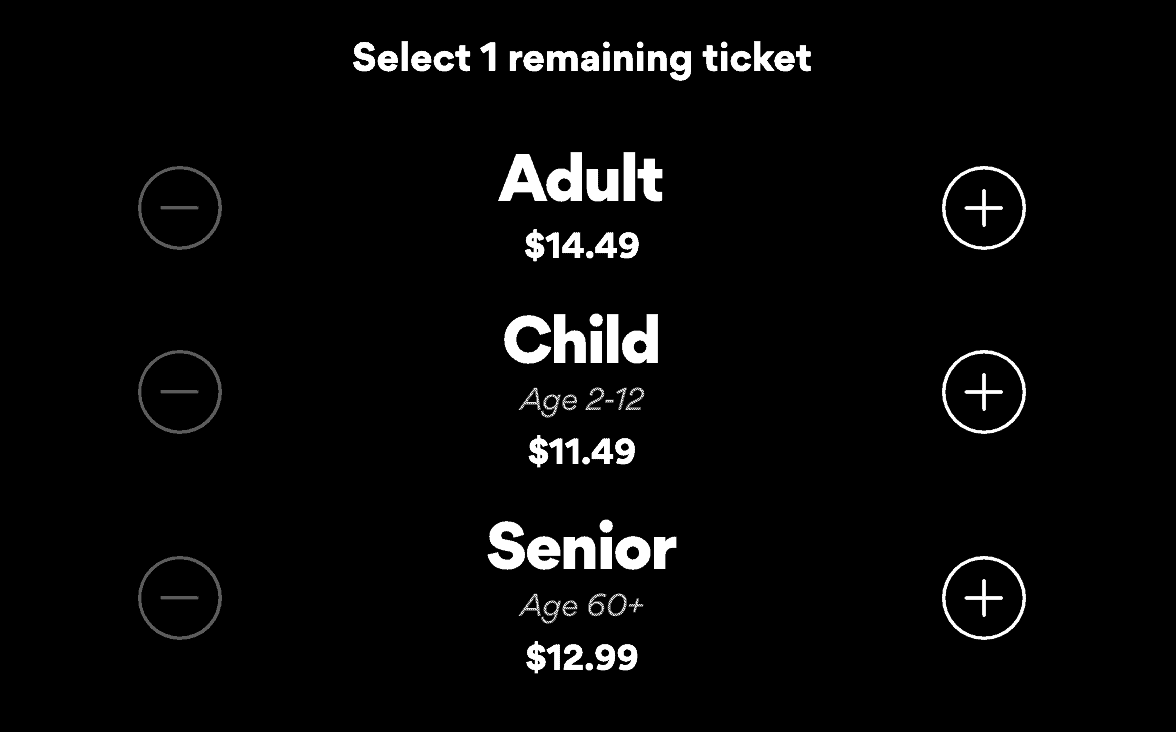
AMC is mindful of different demographic segments and often provides discounted tickets for children (typically 2-12 years old) and seniors (usually 60 or 65+). These discounts can offer a noticeable reduction from the adult standard price. Additionally, some AMC locations, particularly those near universities, may offer student discounts upon presentation of a valid student ID. Always inquire about these potential savings, as they can significantly reduce the cost for eligible individuals.
Smart Strategies to Save Money on AMC Movie Tickets
For the frugal film fanatic, AMC offers several pathways to reduce the financial burden of regular moviegoing. Leveraging these programs and deals can transform an occasional splurge into a more regular, affordable pastime.

AMC Stubs Programs: Insider and A-List
AMC Stubs is the theatre chain’s loyalty program, offering tiered benefits designed to reward frequent visitors:
- AMC Stubs Insider (Free): This tier is free to join and provides several immediate benefits, including a $5 reward for every 5,000 points earned (which equates to $50 spent), free refills on large popcorn, and exclusive access to certain discounted screenings or concessions. The points accumulation is particularly valuable for regular moviegoers.
- AMC Stubs Premiere ($15/year): For a moderate annual fee, Premiere members earn points at an accelerated rate, enjoy free size upgrades on popcorn and fountain drinks, bypass online ticketing fees, and receive special offers. This tier is ideal for those who visit AMC several times a year.
- AMC Stubs A-List ($19.95-$24.95/month, varies by location): This is AMC’s subscription service and arguably the most significant money-saving option for frequent moviegoers. A-List members can watch up to three movies per week, including premium formats like IMAX and Dolby Cinema, for a single monthly fee. For anyone seeing more than two movies a month, especially in premium formats, A-List offers substantial savings. It’s a prime example of an entertainment investment that can yield high returns.
Matinee and Discount Tuesday Deals
As previously noted, matinee showings during weekdays are generally cheaper. Beyond this, AMC often features “Discount Tuesdays” where all movie tickets, regardless of showing time or even format (though premium formats may still have a smaller surcharge), are significantly reduced in price for AMC Stubs members. These deals are designed to boost attendance on traditionally slower days and present an excellent opportunity for budget-conscious viewers to catch the latest releases.
Leveraging Gift Cards and Promotional Bundles
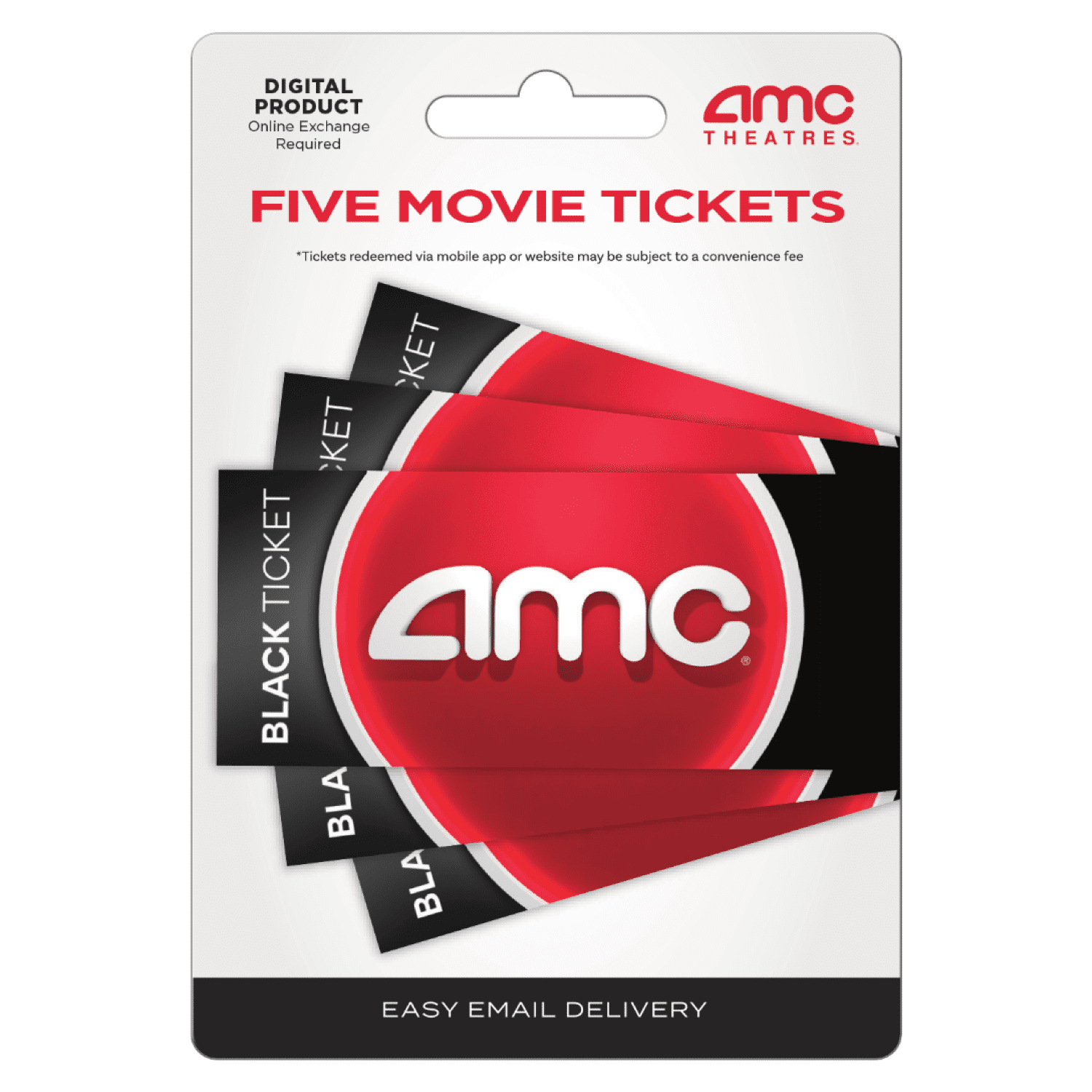
AMC gift cards are often available at a discount through various retailers or during seasonal promotions. Purchasing gift cards below face value is an instant saving. Additionally, AMC occasionally partners with third parties or runs its own promotions offering ticket bundles or combo deals that include concessions, providing a lower per-ticket cost than buying individually. Keep an eye on AMC’s website, social media, and third-party deal sites for these opportunities.
Third-Party Resellers and Loyalty Programs
Sometimes, bulk ticket purchases or corporate discounts from employers or other loyalty programs (e.g., credit card rewards, warehouse clubs like Costco) can offer AMC tickets at a reduced rate. While less common, these avenues can provide significant savings and are worth exploring if available to you.
Beyond the Ticket: The Full Cost of a Movie Outing
A critical aspect of financial planning for a movie outing is understanding that the ticket price is often just the entry fee. The “true cost” encompasses several other expenses that can quickly add up, turning an affordable ticket into a more substantial expenditure.
The Concession Conundrum
For many, popcorn, soda, and candy are integral to the movie experience. However, these items are notoriously expensive at cinemas, often marked up significantly. A large popcorn and drink combo can easily cost as much, if not more, than a single ticket. For a family or group, concessions can easily double or triple the total outlay. Strategies like eating before the movie, bringing your own water bottle, or sharing larger concession items can help manage these costs. For AMC Stubs Insider members, the free large popcorn refill is a small but welcome saving.
Transportation and Parking Costs
Getting to and from the cinema also contributes to the overall expense. This includes fuel costs, public transport fares, or, most significantly in urban areas, parking fees. Parking garages at or near popular AMC locations can be expensive, sometimes adding $10-$20 or more to the outing. Factoring these travel-related expenses into your budget ensures a more accurate picture of your entertainment spending.
Is the Price Worth It? Valuing Your Entertainment Investment
Ultimately, the question of “how much is it for an AMC movie ticket” evolves into “is it worth it for me?” From a personal finance perspective, evaluating the cost-benefit of a movie outing is crucial for conscious spending.
Budgeting for Entertainment
Integrating moviegoing into your personal budget requires allocating a specific amount for entertainment each month. By understanding the varying costs discussed above, you can more accurately forecast your spending and choose options that fit within your financial comfort zone. Perhaps it means prioritizing discounted tickets, limiting concession purchases, or opting for an A-List membership if you’re a heavy user.
Comparing Value: Home vs. Theater Experience
With the rise of high-quality home entertainment systems and streaming services, consumers increasingly weigh the value of a theatrical experience against staying home. The cinema offers an unparalleled immersive experience, a shared social event, and the absence of household distractions. However, the cost per person for a home viewing (assuming you already have the setup and streaming subscriptions) is often significantly lower. The perceived value of the big screen, superior sound, and communal experience must justify the financial outlay for each individual.
The Social and Experiential Premium
For many, going to the movies isn’t just about the film; it’s about the entire experience—a date night, a family outing, a social gathering with friends. The cost of an AMC ticket and associated expenses can be viewed as an investment in these social interactions and memorable experiences. When assessing “worth,” consider not just the film itself, but the value you place on the outing as a whole. Is it a special occasion? A much-needed escape? The intangible benefits can often justify the financial commitment.
In conclusion, the price of an AMC movie ticket is far from static. It’s a dynamic figure influenced by location, time, format, and your proactive choices as a consumer. By understanding the underlying pricing structures, leveraging discount programs like AMC Stubs, and considering the full spectrum of associated costs, you can navigate the world of cinematic entertainment with financial confidence, ensuring your moviegoing experience aligns perfectly with your budget and values.
aViewFromTheCave is a participant in the Amazon Services LLC Associates Program, an affiliate advertising program designed to provide a means for sites to earn advertising fees by advertising and linking to Amazon.com. Amazon, the Amazon logo, AmazonSupply, and the AmazonSupply logo are trademarks of Amazon.com, Inc. or its affiliates. As an Amazon Associate we earn affiliate commissions from qualifying purchases.