
In an era of ubiquitous digital entertainment, the allure of the big screen remains a powerful draw for millions. From blockbuster epics to independent art house features, the cinema offers a communal, immersive experience that streaming at home often struggles to replicate. However, the price of admission is a critical factor for many consumers, directly impacting their leisure budgets and entertainment choices. Understanding the true cost of a movie ticket is more complex than a single figure; it’s a dynamic equation influenced by a myriad of factors, ranging from geography and format to timing and membership status. For those keen on managing their personal finances effectively, dissecting this cost is essential to making informed decisions about their entertainment spending. This article will delve into the financial intricacies of movie tickets, exploring the elements that shape their price, discussing the often-overlooked ancillary costs, and outlining smart strategies for enjoying the magic of cinema without breaking the bank.
The Dynamic Price Tag: Factors Influencing Your Cinema Experience Cost
The notion of a standardized movie ticket price is largely a myth. Instead, consumers are met with a variable scale, influenced by a complex interplay of market forces, technological advancements, and operational choices made by theater chains. Navigating these factors is key to understanding the cost implications of your next cinematic outing.
Geographical Variations and Local Market Dynamics
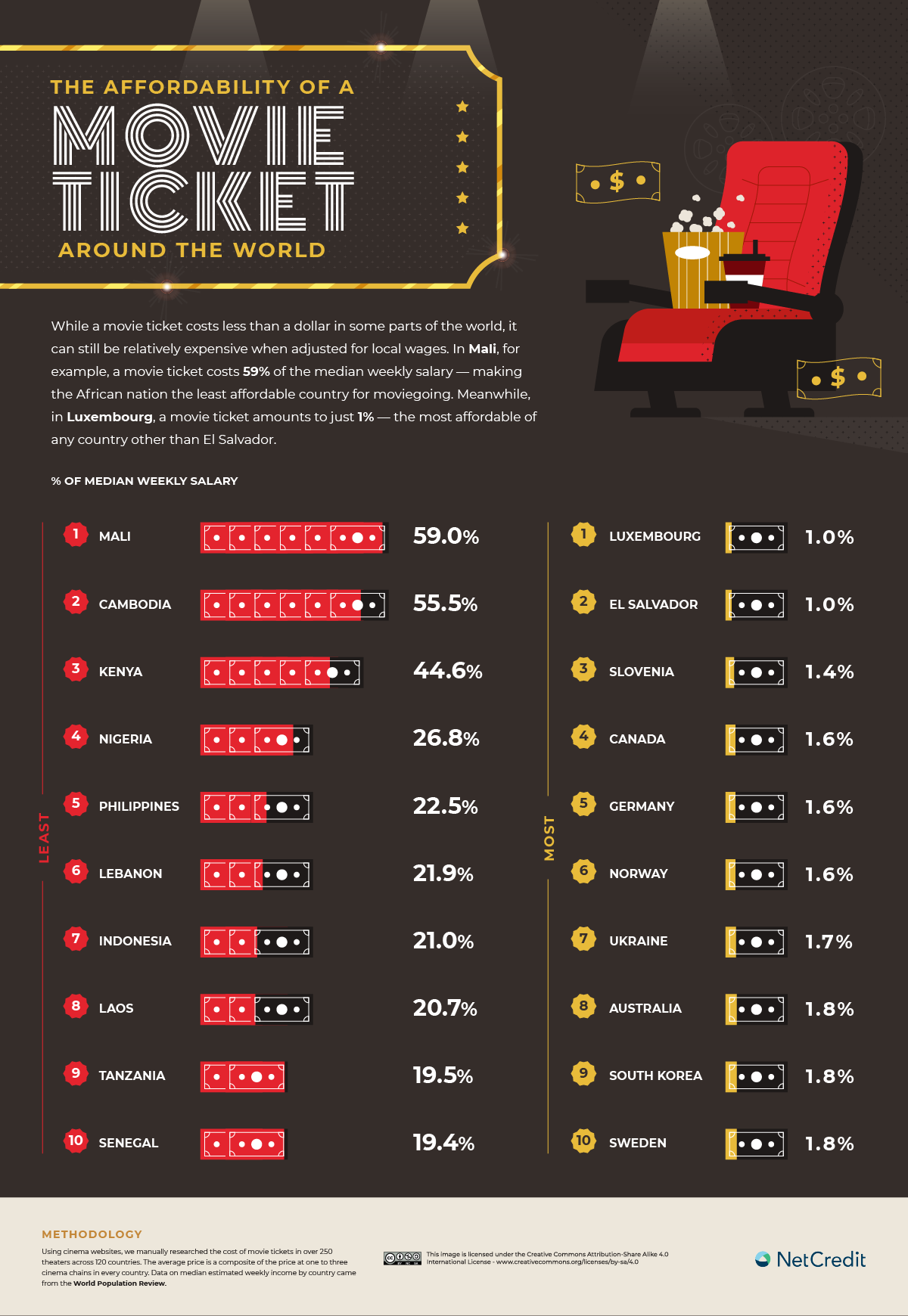
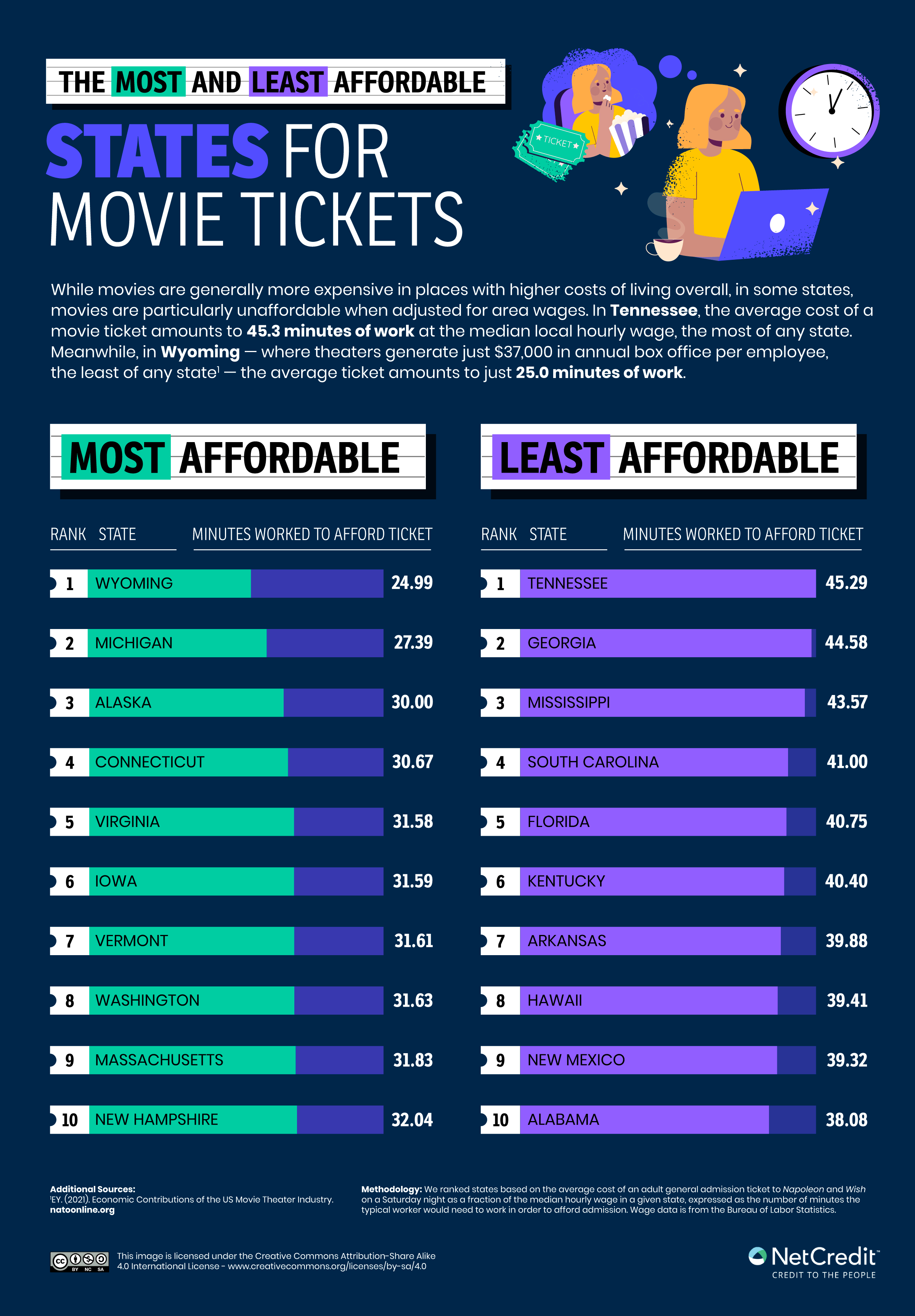
One of the most significant determinants of a movie ticket’s price is its geographical location. Urban centers, particularly major metropolitan areas, typically command higher ticket prices than suburban or rural locales. This disparity is primarily due to higher operational costs in cities, including rent, labor, and local taxes. Additionally, areas with higher median incomes or less competition among theaters might have the flexibility to set premium prices. Conversely, regions with multiple cinema options often see more competitive pricing as theaters vie for market share. It’s not uncommon for a standard adult ticket to range from $8-$10 in a smaller town to $15-$20 (or even higher) in a bustling city like New York or Los Angeles. This regional variance necessitates a localized approach when budgeting for entertainment.
The Premium Experience: Format and Technology Surcharges
Beyond the standard screening, modern cinemas offer a plethora of enhanced viewing experiences, each carrying its own price premium. IMAX, known for its towering screens and superior sound systems, typically adds $3-$7 to the base ticket price. 3D screenings, while less ubiquitous than they once were, still incur an additional charge for the specialized projection and the disposable (or reusable) glasses. Then there are more advanced formats like Dolby Cinema, RPX, D-Box, 4DX, or ScreenX, which boast cutting-edge sound, laser projection, motion seats, or even environmental effects like wind and water. These premium large format (PLF) experiences can elevate a standard ticket by $5-$10 or more, offering a more immersive, albeit pricier, adventure. Understanding these technological tiers is crucial for managing the total cost, especially if you’re a connoisseur of cinematic innovation.
Timing is Everything: Matinees, Weekends, and Special Events
When you choose to see a movie can profoundly impact its cost. Matinee showings, typically scheduled before 5 PM on weekdays, are almost universally cheaper than evening screenings. These off-peak times allow theaters to fill seats during less busy periods, offering a discount of $2-$5 per ticket. Similarly, Tuesday often emerges as a “discount day” across many cinema chains, presenting an opportunity for significant savings. Conversely, weekend evening shows, particularly for newly released blockbusters, represent peak demand periods and, consequently, the highest prices. Special events, such as Fathom Events for classic films, concert screenings, or live sports, also come with their own distinct pricing structures, which can be higher or lower depending on the exclusivity and nature of the event. Strategic timing can thus be a simple yet effective financial maneuver.
Age and Affiliation: Discounts for Specific Demographics
Cinemas are adept at segmenting their audiences and offering targeted discounts. Children (typically under 12) and seniors (usually 60 or 65+) almost always qualify for reduced-price tickets, reflecting an understanding of their differing financial capacities and entertainment needs. Student discounts are also widely available, requiring a valid student ID to unlock savings that can range from 10-25% off the adult fare. Military personnel, first responders, and sometimes even local community group members can also find specific discounts, though these are less universally advertised and might require inquiry. Exploring these demographic-specific discounts is a straightforward way to trim ticket costs, especially for families or individuals within these categories.
Beyond the Ticket: Hidden Costs and Opportunity Costs of Moviegoing
While the ticket price is the most overt expense, the true financial commitment of a trip to the movies extends far beyond the initial admission fee. Savvy budgeters must account for ancillary costs that, when aggregated, can significantly inflate the total expenditure and even prompt a re-evaluation of the moviegoing experience itself.
The Concession Stand Conundrum: Popcorn, Drinks, and Snacks
For many, a trip to the cinema is incomplete without the quintessential popcorn, a large soda, and perhaps some candy. However, the concession stand is often where the most substantial hidden costs lurk. Cinema markups on food and beverages are notoriously high, a crucial revenue stream for theaters that often operate on thin margins from ticket sales (a significant portion of which goes back to distributors). A single large popcorn and drink combo can easily cost $15-$20, sometimes exceeding the price of the ticket itself. For a family or a couple, these concession costs can quickly double or even triple the total outing expense. Understanding this markup is vital for anyone looking to control their entertainment budget, as deciding whether to indulge, share, or forego concessions altogether can lead to considerable savings.
Convenience Fees and Online Booking Premiums
In the digital age, booking tickets online offers unparalleled convenience, allowing moviegoers to secure preferred seats and avoid queues. However, this convenience often comes at a price: online booking fees or “convenience fees.” These small surcharges, typically ranging from $1-$3 per ticket, can add up, particularly for group bookings. While seemingly minor, they are an additional, non-negotiable cost imposed by third-party ticketing platforms or even the theaters themselves. For budget-conscious consumers, this means weighing the benefit of guaranteed seating against the added expense. Some theater loyalty programs or credit card perks may waive these fees, offering a slight financial advantage for members.
Transportation and Related Expenses
Depending on your location and mode of transport, getting to and from the cinema can introduce further costs. Fuel expenses, public transportation fares, or parking fees (especially in urban areas where parking can be $10-$20 for a few hours) are often overlooked when calculating the total cost of a movie outing. These “travel incidentals” contribute to the overall expenditure and vary greatly depending on personal circumstances. For instance, someone living within walking distance of a theater faces minimal transportation costs, while someone driving a considerable distance to a city center cinema will incur much higher indirect expenses. Factoring these elements into your financial planning provides a more accurate picture of the real cost.
The True Cost: Weighing Against Alternative Entertainment
Beyond the direct monetary outlay, there’s the concept of opportunity cost. Every dollar spent on a movie ticket and its associated expenses is a dollar that cannot be spent elsewhere – on savings, investments, other leisure activities, or essential needs. When a single movie outing for two can approach or exceed $50-$60 (tickets, concessions, parking), it begs the question: what other forms of entertainment or experiences could that money provide? Could it fund a month of a streaming service, contribute to a restaurant meal, or cover a museum visit? Understanding the opportunity cost encourages a more holistic view of entertainment spending, prompting consumers to assess the value proposition of a cinema trip against other financial priorities and leisure options.
Mastering Your Movie Budget: Strategies for Smart Cinema Spending
Enjoying the latest blockbusters on the big screen doesn’t have to decimate your entertainment budget. With a strategic approach and an awareness of available options, moviegoers can significantly reduce their expenditures while still indulging in their favorite cinematic pastime. Smart financial planning can transform moviegoing from an occasional splurge into a more regular, affordable treat.
Loyalty Programs and Membership Perks
One of the most effective ways to save money on movie tickets and concessions is by enrolling in cinema loyalty programs. Almost all major theater chains offer free membership programs that reward frequent patrons. These programs often provide points for every dollar spent, which can then be redeemed for free tickets, discounted concessions, or exclusive access to screenings. Beyond free programs, some chains offer premium, paid membership subscriptions (e.g., AMC A-List, Regal Unlimited) that provide a set number of free movies per month for a fixed monthly fee. For avid moviegoers, these subscriptions can represent significant savings, especially if you see more than two movies a month, effectively reducing the per-ticket cost to a fraction of the standard price. Additionally, members often receive perks like waived online booking fees, special member-only discounts, and birthday rewards.
Leveraging Discount Days and Matinee Showings
As previously mentioned, timing your visit strategically can yield substantial savings. Making a habit of attending matinee shows (typically before 5 PM) during weekdays or taking advantage of specific “discount days” (often Tuesdays) can cut ticket prices by 20-50% compared to prime-time weekend showings. These discounts are not confined to a specific demographic and are accessible to all moviegoers, making them a universal savings strategy. Planning your movie outings around these lower-cost periods requires a bit of flexibility but offers a direct and immediate reduction in expenditure. Keep an eye on local theater promotions, as some also offer specific early bird specials or “value Tuesdays” that extend beyond standard matinee times.
The Power of Bundles and Subscription Services (Past and Present)
While services like MoviePass had a turbulent history, the concept of a subscription-based model for unlimited (or near-unlimited) moviegoing persists in various forms. Current cinema chain-specific subscriptions like AMC A-List or Regal Unlimited, as mentioned, offer compelling value for frequent attendees. Beyond these, some theaters may offer bundled deals, such as a ticket-and-concession package at a reduced price, especially for specific events or promotions. Exploring these bundled offers can be more cost-effective than purchasing each item separately. Furthermore, keep an eye out for third-party promotions or credit card rewards that sometimes offer discounted gift cards for cinema chains, effectively reducing the cost of admission upfront.
BYOS: Bringing Your Own Snacks (Where Permitted)
Addressing the elephant in the room – the high cost of concessions – can be a game-changer for your movie budget. While many cinemas officially prohibit outside food and drinks, some are more lenient, particularly for non-alcoholic beverages in sealed containers or small, unobtrusive snacks. It’s crucial to check your local theater’s policy to avoid issues, but in venues where it’s permitted or unofficially tolerated, bringing your own snacks can dramatically cut down on the total cost of your outing. Even if strictly enforced, pre-eating before the movie or planning a meal for after can circumvent the need to purchase overpriced items at the concession stand, allowing you to allocate those savings elsewhere or put them towards a more valuable post-movie dining experience.
The Evolving Landscape of Movie Consumption: Value in the Digital Age
The proliferation of high-quality home entertainment systems and the rise of streaming services have fundamentally altered the way people consume movies. This shift has forced consumers to critically evaluate the value proposition of a cinema visit against the convenience and often lower cost of at-home viewing. Understanding this evolving landscape is crucial for making financially prudent entertainment choices.
The Rise of Streaming and At-Home Entertainment
The last decade has seen an explosion in streaming platforms, from giants like Netflix, Disney+, and Amazon Prime Video to a multitude of niche services. These platforms offer vast libraries of films and TV shows for a monthly subscription fee that often equates to the cost of a single movie ticket. Moreover, many new releases are now available for premium video-on-demand (PVOD) rental or purchase shortly after their theatrical run, or sometimes even simultaneously. The convenience of watching movies from the comfort of one’s home, pausing for breaks, and avoiding travel or concession costs, presents a compelling alternative to the traditional cinema experience. For families or groups, the per-person cost of watching a movie at home is negligible after the initial subscription, making it a highly cost-effective option for frequent viewing.
Is the Cinema Experience Still Worth the Investment?
Despite the allure of at-home viewing, the cinema experience continues to hold a unique appeal. The giant screen, immersive sound systems, and the shared communal experience of watching a film with an audience create an atmosphere that is difficult to replicate at home. For many, a trip to the movies is not just about the film itself but about the entire outing – a date night, a family tradition, or a social gathering. The value of this experience is subjective and often extends beyond mere financial cost. Premium formats like IMAX or Dolby Cinema offer sensory experiences that simply cannot be replicated on a home TV, no matter how large or advanced. The investment, therefore, is often justified by the unique quality of the spectacle and the social ritual it represents.

The Future of Movie Ticket Pricing and Consumer Expectations
As the industry continues to evolve, so too will movie ticket pricing strategies. We can expect to see a continued emphasis on tiered pricing based on format, timing, and perhaps even dynamic pricing models that adjust based on demand for specific films or showtimes. Loyalty programs and subscription services are likely to become even more sophisticated, offering personalized deals and greater integration with other entertainment platforms. Consumers, empowered by choice and increasingly financially savvy, will continue to demand greater value for their money. The future may also see more innovative bundles that combine theatrical releases with at-home viewing options, or membership tiers that offer hybrid access to both. The fundamental challenge for cinemas will be to continually demonstrate that the unique magic of the big screen justifies its price tag in an increasingly competitive entertainment market.
In conclusion, understanding “how much is it for a movie ticket” requires a comprehensive financial perspective, moving beyond the simple stated price to encompass all related costs and opportunities. By recognizing the various factors that influence pricing, being mindful of ancillary expenses, and strategically employing cost-saving measures, movie enthusiasts can continue to enjoy the enchantment of the cinema without compromising their financial well-being. Ultimately, the decision to splurge on a premium seat or opt for a budget-friendly matinee comes down to a personal financial assessment of value, experience, and the overall role of entertainment in one’s life.
aViewFromTheCave is a participant in the Amazon Services LLC Associates Program, an affiliate advertising program designed to provide a means for sites to earn advertising fees by advertising and linking to Amazon.com. Amazon, the Amazon logo, AmazonSupply, and the AmazonSupply logo are trademarks of Amazon.com, Inc. or its affiliates. As an Amazon Associate we earn affiliate commissions from qualifying purchases.