
Bitcoin, often hailed as “digital gold,” has revolutionized the financial landscape since its inception in 2008. What began as an esoteric concept shared among cypherpunks has evolved into a global phenomenon, captivating investors, technologists, and economists alike. For many newcomers, the term “finding Bitcoin” might conjure images of digital treasure hunts or complex mining operations. In reality, finding Bitcoin in the modern era is less about unearthing a hidden artifact and more about understanding the diverse avenues for its acquisition, secure storage, and responsible investment. This guide delves into the practical steps and crucial considerations for anyone looking to enter the world of Bitcoin, strictly from a financial perspective, focusing on personal finance, investing, and financial tools.

Understanding What Bitcoin Is (And Isn’t)
Before embarking on the journey to acquire Bitcoin, it’s paramount to grasp its fundamental nature and dispel common misconceptions. Bitcoin is more than just a digital currency; it represents a paradigm shift in how we perceive value, ownership, and financial transactions.
Bitcoin as a Digital Asset and Store of Value
At its core, Bitcoin is a decentralized digital currency, meaning it operates independently of a central bank or government. It is built on a technology called blockchain, a distributed public ledger that records all transactions securely and immutably. Unlike fiat currencies, which can be printed indefinitely, Bitcoin has a finite supply capped at 21 million units. This scarcity, combined with its programmatic issuance schedule (halving every four years), contributes to its increasing perception as a store of value, akin to gold. Investors are drawn to Bitcoin for its potential to hedge against inflation, its global accessibility, and its resistance to censorship, offering an alternative to traditional financial systems. It represents an asset that you truly own, without intermediaries.
The Technology Behind Bitcoin: Blockchain Basics
While the underlying technology is complex, understanding its basic implications for Bitcoin’s value and security is crucial for a financial investor. The blockchain ensures that every Bitcoin transaction is transparent, verifiable, and irreversible once confirmed. This robust security mechanism, powered by cryptographic principles, prevents double-spending and fraudulent activities, instilling confidence in the asset’s integrity. Each “block” of transactions is linked to the previous one, forming a chain that is incredibly difficult to alter, thus protecting the entire network and the value stored within it. From a financial standpoint, this inherent security is a key differentiator from traditional digital payment systems that rely on trusted third parties.
Common Misconceptions
One prevalent misconception is that individuals can “mine” Bitcoin profitably from their home computers. While Bitcoin mining is indeed the process by which new bitcoins are introduced into circulation and transactions are verified, it requires highly specialized and energy-intensive hardware (ASICs) that is far beyond the reach of the average individual investor for profitable returns. For most, mining for Bitcoin is not a viable “finding” method. Another myth is that Bitcoin is primarily used for illicit activities. While its pseudonymous nature can be attractive for such purposes, the vast majority of Bitcoin transactions are legitimate, and its transparent ledger often aids law enforcement in tracing illegal funds. Focusing on these financial fundamentals rather than technical or sensationalist narratives is key for the aspiring Bitcoin investor.
Primary Avenues for Acquiring Bitcoin
Once you understand what Bitcoin truly is, the next step is to explore the various practical methods for its acquisition. These avenues cater to different levels of technical proficiency, risk tolerance, and access to traditional financial infrastructure.
Centralized Cryptocurrency Exchanges (CEXs)
For most people, centralized cryptocurrency exchanges (CEXs) are the most straightforward and common way to buy Bitcoin. These platforms act as intermediaries, allowing users to buy and sell various cryptocurrencies using fiat currencies (like USD, EUR, GBP) or other cryptocurrencies.
- How They Work: Users register an account, undergo a Know Your Customer (KYC) and Anti-Money Laundering (AML) verification process (submitting ID, proof of address), link their bank account or credit/debit card, and then place buy orders for Bitcoin at market rates.
- Examples: Globally recognized exchanges include Coinbase, Binance, Kraken, and Gemini. Each offers varying fee structures, user interfaces, and available services.
- Pros & Cons: CEXs offer high liquidity, user-friendly interfaces, and a sense of security through regulatory compliance in many jurisdictions. They often provide insurance on custodied funds (though usually not against market volatility). However, they require users to relinquish control of their private keys to the exchange, introducing a counterparty risk. They also collect extensive personal data due to KYC/AML regulations.
Peer-to-Peer (P2P) Marketplaces
P2P marketplaces facilitate direct transactions between individuals, allowing buyers and sellers to agree on prices and payment methods without a centralized intermediary holding funds.
- How They Work: Users post offers to buy or sell Bitcoin, specifying their desired price, quantity, and payment methods (e.g., bank transfer, PayPal, cash). The platform typically provides an escrow service to hold the Bitcoin until the payment is confirmed, mitigating fraud.
- Examples: Platforms like LocalBitcoins (though its services have been scaled back in some regions) or Paxful connect buyers and sellers directly.
- Pros & Cons: P2P offers greater privacy, flexibility in payment methods, and can sometimes provide better rates than exchanges. However, they carry higher risks of scams if not using a reputable escrow service, and transactions can be slower. Due diligence on trading partners is essential.
Bitcoin ATMs
Bitcoin ATMs are physical kiosks that allow individuals to buy or sell Bitcoin using cash or debit cards. They are becoming increasingly common in urban areas worldwide.
- How They Work: Users scan their Bitcoin wallet address, insert cash, and receive Bitcoin directly into their wallet. Some ATMs also allow selling Bitcoin for cash. KYC requirements can vary, from simple phone number verification to full ID scans, depending on transaction size and local regulations.
- Pros & Cons: Bitcoin ATMs offer convenience for cash transactions and instant acquisition. They can be particularly useful for those without bank accounts or who prefer cash. However, they typically charge significantly higher fees (often 7-10% or more) compared to online exchanges, and their availability is limited to specific locations.
Earning Bitcoin
Beyond direct purchase, individuals can also “find” Bitcoin by earning it through various services or rewards programs.
- Freelancing & Accepting Payments: Many freelancers, consultants, and small businesses are now offering their services in exchange for Bitcoin. This allows them to bypass traditional banking fees and access a global client base. Platforms dedicated to crypto-based freelancing are also emerging.
- Affiliate Programs & Rewards: Some online businesses and cryptocurrency platforms offer affiliate programs or reward schemes that pay out in Bitcoin for referring new users or completing certain tasks.
- Bitcoin Faucets: These are websites or apps that distribute small amounts of Bitcoin as a reward for completing simple tasks, like solving captchas or playing games. While they provide a way to earn “free” Bitcoin, the amounts are typically minuscule and not a significant earning method.
The Importance of Secure Bitcoin Storage
Once you’ve acquired Bitcoin, securing it properly is arguably the most critical step. Unlike traditional bank accounts, there’s no central authority to reverse transactions or recover lost funds. You are your own bank, and with that comes full responsibility for safeguarding your assets.
Understanding Bitcoin Wallets
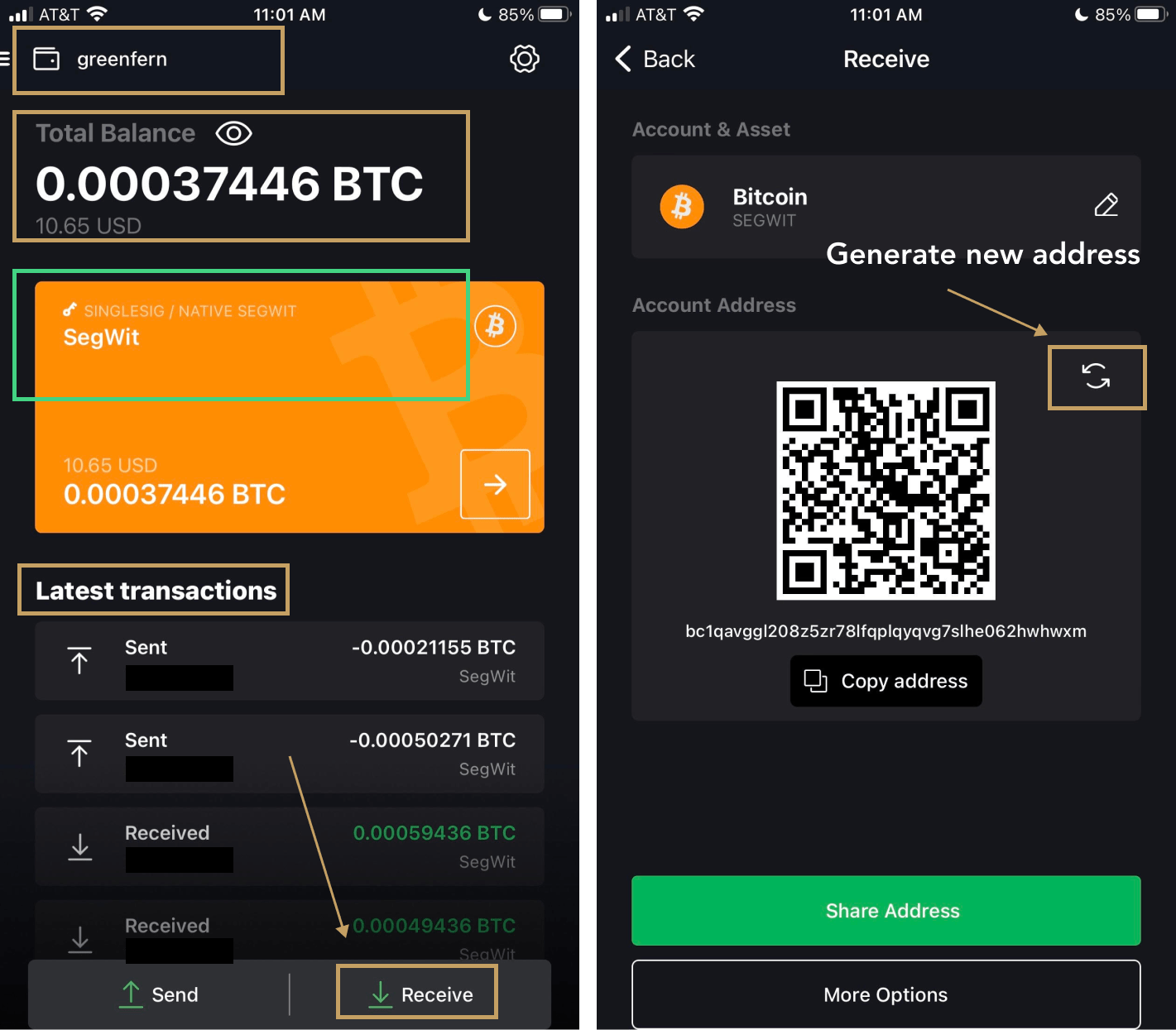
A Bitcoin “wallet” doesn’t actually store Bitcoin itself. Instead, it stores your private keys—cryptographic codes that grant you ownership and control over your Bitcoin on the blockchain. Losing these private keys means losing access to your Bitcoin forever.
- Private Keys: These are the backbone of Bitcoin ownership. Never share your private keys, and always ensure they are securely stored. Most wallets generate a “seed phrase” (a series of 12-24 words) that can be used to recover your private keys and access your Bitcoin if your device is lost or damaged.
- Hot Wallets (Software Wallets): These are connected to the internet and include mobile apps, desktop applications, and web-based wallets (like those provided by exchanges).
- Pros: Convenient for frequent transactions, generally user-friendly.
- Cons: More susceptible to hacking, malware, and online threats due to their internet connectivity. Suitable for smaller amounts of Bitcoin used for regular spending.
- Cold Wallets (Hardware Wallets, Paper Wallets): These store your private keys offline, providing superior security, especially for significant holdings.
- Hardware Wallets: Physical devices (like a USB drive) specifically designed to store private keys offline. Examples include Ledger and Trezor. They require physical interaction to authorize transactions.
- Paper Wallets: Private keys printed on paper. While technically “cold,” they are less practical and carry risks if the paper is lost, damaged, or compromised.
- Pros: Significantly more secure against online attacks. Ideal for long-term storage (HODLing) of larger Bitcoin amounts.
- Cons: Less convenient for frequent transactions, often have a learning curve.
Best Practices for Wallet Security
- Seed Phrase Management: Your seed phrase is your ultimate backup. Write it down physically (never store it digitally), store it in multiple secure, undisclosed locations (e.g., a safe, fireproof box), and never share it with anyone.
- Two-Factor Authentication (2FA): Always enable 2FA on any exchange or online wallet you use. Hardware-based 2FA (like YubiKey) is generally more secure than SMS-based 2FA.
- Beware of Phishing and Scams: Be vigilant against fake websites, suspicious emails, or unsolicited messages attempting to trick you into revealing your private keys or seed phrase. Always double-check URLs and sender identities.
- Diversification (Not Financial Advice): For very large holdings, consider spreading your Bitcoin across multiple secure cold storage solutions rather than a single device.
- Regular Software Updates: Keep your wallet software and operating systems updated to benefit from the latest security patches.
Navigating the Bitcoin Investment Landscape
Acquiring Bitcoin is just the first step. To truly “find” value in Bitcoin, one must approach it with a well-thought-out investment strategy, understanding its unique market dynamics and regulatory environment.
Defining Your Investment Strategy
Bitcoin’s volatility means that a clear strategy is crucial to navigate its ups and downs.
- Dollar-Cost Averaging (DCA): This strategy involves investing a fixed amount of money at regular intervals (e.g., weekly or monthly), regardless of Bitcoin’s price. DCA helps mitigate the impact of market volatility by averaging out your purchase price over time, reducing the risk of buying all your Bitcoin at a market peak.
- Long-Term Holding (HODLing) vs. Trading: Many Bitcoin investors are “HODLers” (a deliberate misspelling of “hold”), meaning they buy Bitcoin with the intention of holding it for several years, believing its value will increase significantly over time. Others engage in short-term trading, attempting to profit from price fluctuations, which is a high-risk endeavor requiring significant market knowledge and time commitment. For beginners, HODLing via DCA is often recommended.
- Risk Tolerance Assessment: Before investing, honestly assess your financial situation and risk tolerance. Bitcoin is a volatile asset; only invest what you can afford to lose without impacting your financial stability.
Research and Due Diligence
The cryptocurrency market is dynamic and requires continuous learning.
- Understanding Market Volatility: Bitcoin’s price can fluctuate dramatically in short periods due to news, macroeconomic factors, regulatory changes, and market sentiment. Be prepared for significant price swings.
- Staying Informed: Follow reputable cryptocurrency news sources, analysts, and community discussions. Distinguish between credible information and speculative hype. Avoid making impulsive decisions based on social media trends.
- Regulatory Landscape: The regulatory environment for Bitcoin varies widely across jurisdictions and is constantly evolving. Understand the rules in your country regarding Bitcoin ownership, trading, and taxation. Regulatory clarity can impact Bitcoin’s adoption and price.
Tax Implications of Bitcoin
In many countries, Bitcoin is treated as property for tax purposes, meaning capital gains from selling Bitcoin or using it for certain purchases may be subject to capital gains tax.
- Tracking Transactions: Keep meticulous records of all your Bitcoin purchases, sales, and any transactions where you used Bitcoin to acquire goods or services. This includes the date, amount, cost basis (your purchase price), and fair market value at the time of transaction.
- Consult a Tax Professional: Tax laws concerning cryptocurrencies are complex and differ by region. It is highly recommended to consult with a tax advisor who specializes in digital assets to ensure compliance and optimize your tax strategy. Ignoring tax obligations can lead to significant penalties.
Common Pitfalls and How to Avoid Them
The allure of quick riches in the crypto space unfortunately attracts many unscrupulous actors. Being aware of common pitfalls is crucial to protecting your investment.
Scams and Fraud
The cryptocurrency market is rife with scams. Be wary of:
- Ponzi Schemes/Pyramid Schemes: Promises of unrealistic returns, often relying on recruiting new investors.
- Fake Giveaways: Impersonators (often on social media) asking for an initial “deposit” to receive a larger amount back.
- Phishing Attacks: Malicious websites or emails designed to steal your login credentials or private keys.
- “Pump and Dump” Schemes: Coordinated efforts to artificially inflate the price of a lesser-known coin, only for the perpetrators to sell off their holdings at the peak, leaving others with worthless assets.
Always remember: if something sounds too good to be true, it almost certainly is.
Emotional Trading
Bitcoin’s volatility can trigger strong emotions like FOMO (Fear Of Missing Out) when prices are soaring, or FUD (Fear, Uncertainty, Doubt) during market downturns. Making investment decisions based on emotion rather than a sound strategy often leads to poor outcomes. Stick to your predefined investment plan and avoid impulsive buying or selling.
Neglecting Security
As emphasized earlier, poor security practices are a leading cause of Bitcoin loss. Forgetting seed phrases, falling for phishing scams, or using weak passwords can result in irreversible loss of funds. Treat your private keys with the utmost care, as they are the direct link to your wealth.
Over-Leveraging
Some advanced platforms offer margin trading or futures contracts, allowing investors to trade with borrowed funds. While this can amplify gains, it also significantly magnifies losses, leading to rapid liquidation of your entire investment. For new or inexperienced investors, engaging in leveraged trading is extremely risky and should be avoided. Focus on spot buying (buying the actual asset) before considering such complex financial instruments.
Conclusion
“Finding Bitcoin” in today’s financial landscape means equipping yourself with knowledge, choosing the right acquisition methods, rigorously securing your assets, and approaching investment with a disciplined, long-term perspective. It’s not about uncovering a physical object, but rather about discovering the potential of a decentralized monetary system and integrating it responsibly into your personal finance strategy. Bitcoin offers unprecedented opportunities for financial empowerment, but these opportunities are best realized through education, vigilance, and a commitment to sound financial practices. As you navigate this exciting new frontier, remember that continuous learning and cautious optimism are your most valuable assets.
aViewFromTheCave is a participant in the Amazon Services LLC Associates Program, an affiliate advertising program designed to provide a means for sites to earn advertising fees by advertising and linking to Amazon.com. Amazon, the Amazon logo, AmazonSupply, and the AmazonSupply logo are trademarks of Amazon.com, Inc. or its affiliates. As an Amazon Associate we earn affiliate commissions from qualifying purchases.