
In the dynamic and often volatile world of cryptocurrency, few digital assets command as much attention and debate as XRP. Developed by Ripple Labs, XRP has carved out a unique niche, positioning itself as a bridge currency for global payments rather than solely a speculative asset. However, for investors and market watchers, the perennial question remains: “What is XRP at?” This question transcends a simple price check; it delves into its current market standing, the forces shaping its value, its regulatory environment, and its long-term potential within the broader financial landscape. Understanding XRP’s position requires a multi-faceted analysis, considering its technological foundation, market performance, and the significant legal challenges it has faced.

Understanding XRP and Ripple’s Vision for Global Finance
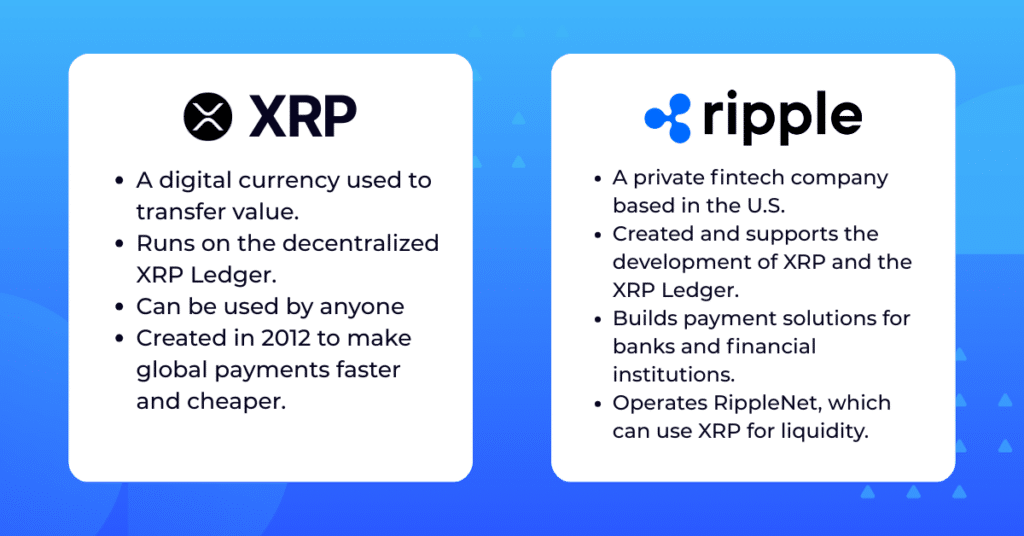
XRP is the native cryptocurrency of the XRP Ledger, an open-source, permissionless, and decentralized blockchain technology. While often used interchangeably, it’s crucial to distinguish between XRP, the digital asset, and Ripple, the company. Ripple Labs utilizes XRP in its suite of products designed to facilitate faster, cheaper, and more efficient cross-border payments for financial institutions and payment providers. This fundamental distinction is critical to grasping its purpose and valuation drivers, placing it firmly within the realm of financial innovation and investment.
The Technology Behind XRP’s Efficiency
The XRP Ledger boasts a unique consensus mechanism known as the XRP Ledger Consensus Protocol (XRP LCP), which differs significantly from the Proof-of-Work (PoW) used by Bitcoin or the Proof-of-Stake (PoS) employed by Ethereum. Instead, it relies on a network of trusted validators. This mechanism allows transactions to be settled in approximately 3-5 seconds, with a throughput of up to 1,500 transactions per second (TPS), and at a fraction of a cent per transaction. These technical characteristics directly translate into financial benefits: speed, low cost, and scalability, making it attractive for high-volume financial transactions. For institutions, these efficiencies represent significant cost savings and operational improvements, directly impacting the demand side for XRP as a liquidity tool.
RippleNet and its Financial Applications
Ripple’s primary commercial offering is RippleNet, a network that connects banks, payment providers, digital asset exchanges, and corporations globally. Within RippleNet, XRP plays a critical role in On-Demand Liquidity (ODL), a service that leverages XRP as a real-time bridge currency to eliminate the need for pre-funded nostro/vostro accounts. For example, if a payment needs to be sent from USD to MXN, a financial institution can convert USD to XRP, send the XRP across the Ledger, and then instantly convert XRP to MXN. This process drastically reduces settlement times, lowers foreign exchange costs, and frees up capital previously trapped in correspondent banking accounts. From a financial perspective, ODL represents a practical, enterprise-grade use case for a cryptocurrency, differentiating XRP from many other digital assets primarily used for speculation or decentralized applications. Its integration into existing financial infrastructures underscores its potential as a disruptive financial tool rather than just a digital store of value.
Key Differentiators from Other Investment Assets
Unlike many cryptocurrencies that aim to replace traditional currencies or serve as decentralized computing platforms, XRP is specifically engineered to enhance the existing financial system. Its design prioritizes speed, cost-effectiveness, and scalability for cross-border payments. This singular focus gives it a distinct value proposition in the investment landscape. While Bitcoin is often seen as “digital gold” and Ethereum as a platform for decentralized applications, XRP positions itself as a liquidity solution for financial institutions. Investors evaluate XRP not just on its technological merit but on its potential for widespread adoption within the multi-trillion-dollar global remittance and cross-border payments market. This institutional adoption potential forms a significant part of its investment thesis, distinguishing it from purely speculative digital assets.
XRP’s Current Market Position and Valuation Metrics
To truly answer “what is XRP at,” one must look beyond its immediate price tag and delve into its market capitalization, trading volume, and relative ranking among cryptocurrencies. These metrics provide a holistic view of its standing, liquidity, and investor sentiment, all crucial for any investment analysis.
Tracking XRP’s Price Performance and Volatility
XRP, like most cryptocurrencies, is subject to significant price volatility. Its price performance is influenced by a myriad of factors, including broader cryptocurrency market trends, macroeconomic conditions, regulatory news, and specific developments related to Ripple or the XRP Ledger. Over the years, XRP has experienced periods of dramatic appreciation, followed by notable corrections, characteristic of a high-risk, high-reward investment. Monitoring its historical charts, recognizing patterns of support and resistance, and understanding its correlation with other major assets like Bitcoin are essential for investors. Its price movement can be swift, reflecting rapid shifts in market sentiment or breaking news, particularly concerning its legal battles.
Market Capitalization and Rank in the Crypto Sphere
Market capitalization—calculated by multiplying the current price by the circulating supply—is a key indicator of a cryptocurrency’s overall value and dominance. XRP consistently ranks among the top cryptocurrencies by market cap, often fluctuating between the third and seventh positions, depending on market conditions. This high ranking signifies significant investor interest and liquidity, placing it in a tier above thousands of smaller, less established digital assets. A higher market cap often implies greater stability and institutional interest, though it certainly does not guarantee future performance. Its consistent presence in the top tier underscores its perceived value and established position within the global crypto economy, making it a significant asset for portfolio diversification.
Factors Influencing XRP’s Valuation
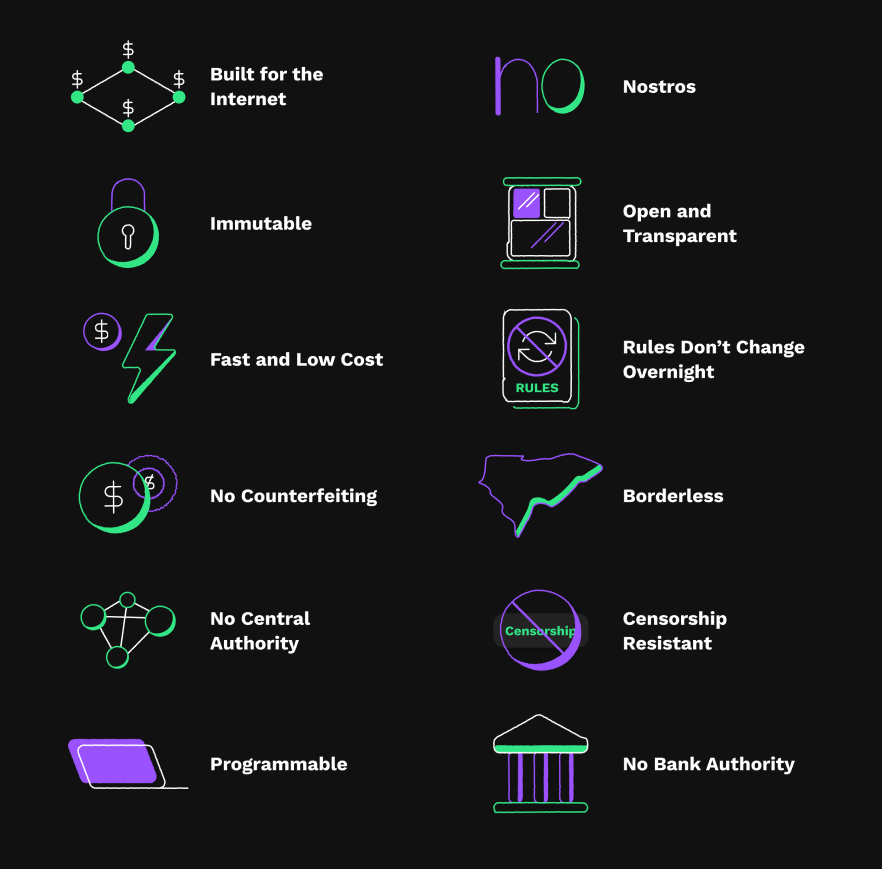
Several key factors continually influence XRP’s price and perceived value. Firstly, utility and adoption: the more financial institutions and payment providers that adopt RippleNet and utilize ODL with XRP, the greater the demand for the asset. Secondly, macroeconomic conditions: global inflation, interest rates, and geopolitical events can drive or deter investment in speculative assets like crypto. Thirdly, regulatory clarity: the ongoing legal battles, particularly in the United States, have had a profound impact. Positive regulatory developments tend to boost confidence and price, while negative news can trigger sell-offs. Finally, broader crypto market sentiment: often, XRP’s price movements are correlated with Bitcoin and Ethereum, as overall market sentiment significantly sways individual asset performance. Investors must weigh these factors carefully when assessing its potential.
The Regulatory Landscape and its Investment Implications
Perhaps no single factor has cast a longer shadow over XRP’s investment profile than the regulatory uncertainty it has faced, particularly in the United States. The outcome of these legal challenges has profound implications not only for XRP but for the broader cryptocurrency market, shaping how digital assets are classified and regulated.
The SEC vs. Ripple Lawsuit: A Pivotal Case
In December 2020, the U.S. Securities and Exchange Commission (SEC) filed a lawsuit against Ripple Labs and two of its executives, alleging that XRP was an unregistered security offering. This lawsuit immediately created immense uncertainty, leading to major exchanges delisting or suspending XRP trading for U.S. customers and significantly impacting its price. The core of the dispute revolves around the “Howey Test,” a legal framework used to determine if an asset qualifies as an investment contract and thus a security. Ripple has vigorously argued that XRP is not a security but rather a decentralized digital asset, similar to Bitcoin or Ethereum (which the SEC has publicly stated are not securities). The ongoing legal battle has been a defining characteristic of XRP’s investment journey, introducing a unique layer of risk and opportunity.
Implications for XRP’s Future Valuation
The lawsuit’s resolution holds immense financial implications. A definitive ruling that XRP is not a security in the U.S. would likely unleash significant pent-up demand, potentially leading to its re-listing on major exchanges and renewed institutional interest, thereby driving its price upwards. Conversely, a ruling classifying it as a security could impose stricter regulatory burdens, limit its use cases in the U.S., and potentially depress its value. Beyond the U.S., other jurisdictions have taken varied approaches, with some like the UK, Japan, and Singapore providing clearer guidance that XRP is not a security. The outcome of the SEC case is therefore not just about legal precedent; it’s a critical determinant of XRP’s accessibility, utility, and long-term investment viability, making it a focal point for all financial analysis.
Global Regulatory Perspectives and Market Access
While the U.S. lawsuit has garnered the most attention, understanding the global regulatory environment is crucial for XRP’s overall market health. Many countries have adopted a more accommodating stance towards XRP, recognizing its utility as a bridge currency. This varied regulatory landscape affects where XRP can be traded, how it can be used by financial institutions, and its overall liquidity across different markets. For investors, this means that even with U.S. restrictions, XRP continues to be traded and utilized in other major financial hubs. Global regulatory clarity, or a lack thereof, significantly impacts its potential for mainstream adoption by international financial entities, which in turn influences its investment appeal and future price trajectory. A patchwork of regulations creates both opportunities and challenges for its global market penetration.
Investment Considerations and Future Outlook for XRP
Investing in any cryptocurrency, especially one with XRP’s unique trajectory, requires careful consideration of both its potential and inherent risks. Its future outlook is tied to its adoption, technological advancements, and the resolution of regulatory hurdles, making it a complex yet potentially rewarding asset for long-term financial planning.
Analyzing Potential Risks and Rewards for Investors
The potential rewards of investing in XRP are significant, particularly if Ripple achieves widespread adoption of ODL and if the SEC lawsuit concludes favorably. Its speed, low transaction costs, and established network could position it as a foundational asset for global payments, leading to substantial appreciation. However, the risks are equally pronounced. The primary risk remains regulatory uncertainty; an adverse ruling could severely impact its utility and valuation. Market volatility, competition from other payment solutions (both traditional and blockchain-based), and broader economic downturns also pose threats. Investors must conduct thorough due diligence, understand their risk tolerance, and consider XRP as part of a diversified investment portfolio, acknowledging its speculative nature.
Use Cases and Adoption Trends beyond Payments
While cross-border payments are XRP’s flagship use case, its underlying technology, the XRP Ledger, is also being explored for other financial applications. These include micro-payments, tokenized assets (such as stablecoins or real estate), and even central bank digital currencies (CBDCs). Ripple itself is actively engaging with central banks on CBDC initiatives, where XRP’s characteristics could prove beneficial. Expanding its utility beyond its core payments function could diversify its demand drivers and enhance its long-term value proposition. Observing these emerging use cases and adoption trends by developers and institutions will be key indicators of XRP’s growth potential and its evolution within the broader digital economy.
Long-Term Projections and Analyst Views
Long-term projections for XRP vary widely among financial analysts and industry experts. Bulls often point to its enterprise utility, strong partnerships, and potential for a post-SEC lawsuit rally, envisioning significant price appreciation as global payments evolve. Bears emphasize regulatory risks, competition, and the centralized aspects of Ripple’s control over a large portion of XRP’s supply. Many analysts adopt a neutral stance, highlighting that while the technology is robust, its investment performance remains heavily contingent on regulatory clarity and market adoption. For investors, it’s crucial to consult a range of expert opinions, understand the assumptions behind these projections, and formulate their own informed investment thesis rather than relying on singular forecasts. The financial landscape for XRP is constantly shifting, demanding continuous re-evaluation.
In conclusion, “what is XRP at?” is a question that requires a comprehensive financial assessment. It is not merely about its current market price but about its unique position as a payment-focused digital asset, its battle with regulatory forces, its potential for institutional adoption, and its place within a rapidly evolving global financial system. For investors, XRP represents an asset with both substantial upside potential and considerable risks, making it a compelling, albeit complex, subject for investment consideration within the dynamic world of cryptocurrency.
aViewFromTheCave is a participant in the Amazon Services LLC Associates Program, an affiliate advertising program designed to provide a means for sites to earn advertising fees by advertising and linking to Amazon.com. Amazon, the Amazon logo, AmazonSupply, and the AmazonSupply logo are trademarks of Amazon.com, Inc. or its affiliates. As an Amazon Associate we earn affiliate commissions from qualifying purchases.